
Essential Survival Skills Every Modern Man Should Master
Mastering essential survival skills is no longer just for the wilderness-bound. Discover the crucial outdoor survival techniques every modern man needs to thrive in any situation, from urban preparedness to true backcountry adventures. In today’s fast-paced world, being equipped with practical survival knowledge offers not just peace of mind, but the confidence to face the unexpected.
The Importance of Outdoor Survival Skills
While we often associate survival with remote wilderness scenarios, the underlying principles are applicable to a much broader range of situations. From power outages and natural disasters to unexpected travel disruptions, possessing basic survival skills can be the difference between a minor inconvenience and a serious predicament. For the modern man, these skills represent a commitment to self-reliance and preparedness, embodying a robust and adaptable lifestyle.
Shelter: Your First Line of Defense
Understanding how to create or find adequate shelter is paramount. This goes beyond simply pitching a tent. It involves knowing how to utilize natural materials for insulation and protection from the elements. Whether it’s a quick lean-to in an emergency or a more permanent structure during a long-term survival situation, shelter is your primary defense against hypothermia, heatstroke, and other environmental hazards.
- Learn to identify suitable natural materials like branches, leaves, and moss for building.
- Practice constructing various types of shelters, from simple debris huts to more complex A-frame structures.
- Understand the principles of site selection, considering factors like wind direction, drainage, and proximity to resources.
Navigation: Finding Your Way
Getting lost can be a terrifying experience, but with the right navigation skills, it doesn’t have to be insurmountable. Relying solely on GPS devices can be risky, as they can fail. Learning traditional navigation methods ensures you can find your way even when technology is unavailable.
Map and Compass Mastery
The map and compass are timeless tools for orientation. Learning to read topographic maps, understand contour lines, and use a compass to take bearings are fundamental skills. Regular practice is key to building proficiency and confidence in your ability to navigate diverse terrains.
- Familiarize yourself with map legends and symbols.
- Practice orienting your map to your surroundings.
- Learn how to take a bearing from a map and follow it in the field.
- Understand declination and how it affects compass readings.
Fire Starting: The Key to Survival
Fire is more than just a source of warmth; it’s essential for purifying water, cooking food, signaling for help, and providing psychological comfort. Being able to start a fire in various conditions, even with limited resources, is a critical survival skill.
Methods and Tools
Mastering multiple fire-starting methods ensures you’re prepared for any scenario. While lighters and matches are convenient, they can become wet or run out. Learning to use ferrocerium rods, flint and steel, and even improvised methods with natural tinder is crucial. Understanding how to prepare and use tinder, kindling, and fuel is equally important for building a sustainable fire.
- Practice using a ferrocerium rod in damp conditions.
- Learn to identify and prepare natural tinder like birch bark, dry grass, and cottonwood fluff.
- Understand the principles of airflow and fuel arrangement for optimal fire combustion.
Water Procurement and Purification
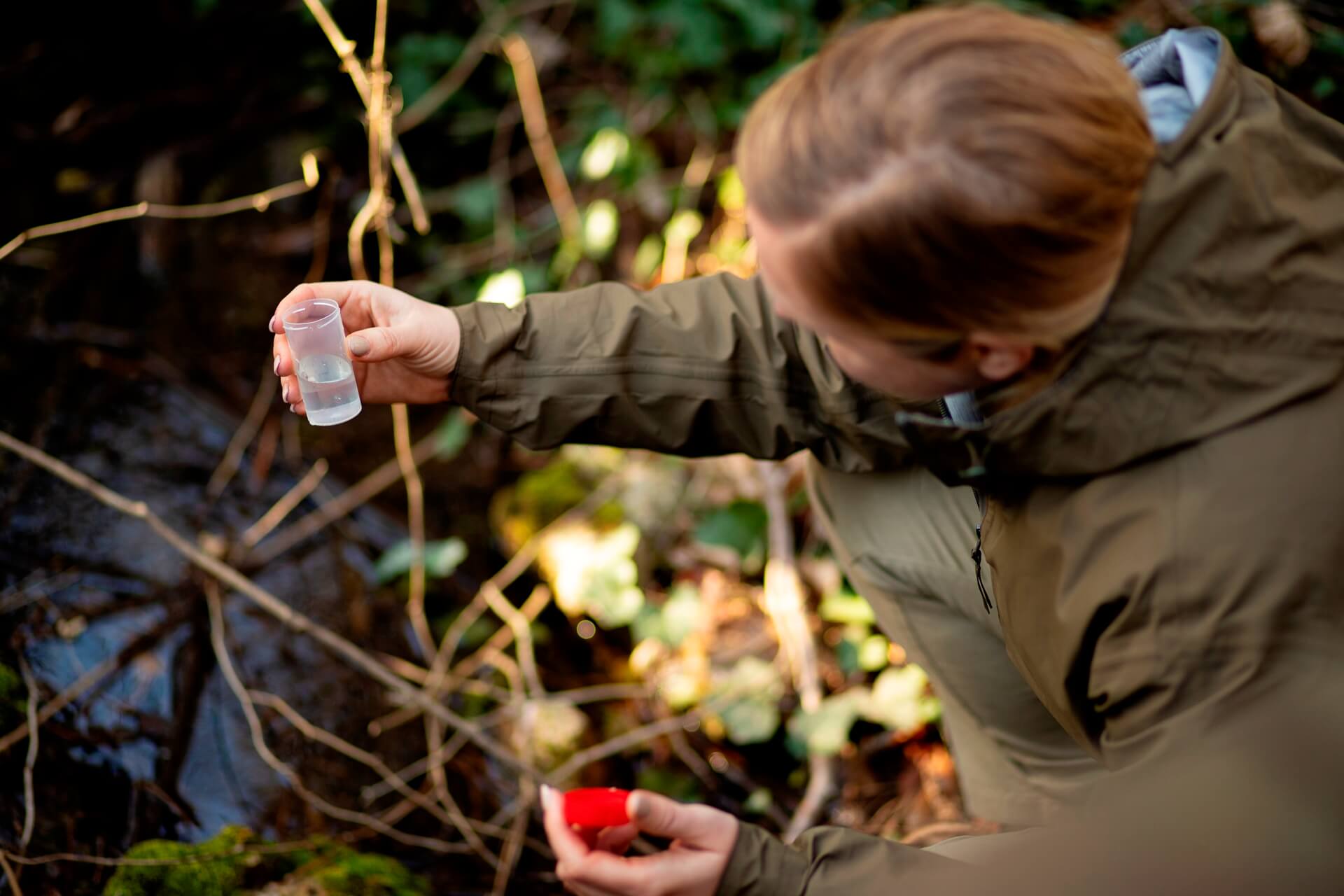
Human beings can survive for weeks without food, but only a few days without water. Knowing how to locate and safely purify water sources is a non-negotiable survival skill. Dehydration can impair judgment and physical ability very quickly.
Finding and Treating Water
In the wilderness, water can be found in streams, rivers, lakes, and even through dew collection or digging for groundwater. However, consuming untreated water can lead to serious illness. Learning methods for purifying water, such as boiling, using water filters, or employing chemical purification tablets, is vital for maintaining health and hydration.
- Identify potential natural water sources.
- Understand the importance of boiling water for at least one minute to kill pathogens.
- Learn about different types of water filters and their effectiveness.
First Aid in the Outdoors
Accidents can happen, and having basic first aid knowledge can be critical in providing immediate care until professional medical help arrives. This includes treating common injuries like cuts, burns, sprains, and fractures, as well as recognizing and managing more serious conditions like hypothermia and heatstroke.
Essential Wilderness First Aid
A comprehensive understanding of wilderness first aid goes beyond a standard first aid course. It involves adapting treatments to the specific challenges of an outdoor environment, where resources may be limited. Knowing how to improvise bandages, splints, and even perform CPR effectively in remote settings is invaluable.
- Familiarize yourself with the contents of a well-stocked first aid kit.
- Practice wound dressing and bandaging techniques.
- Learn to recognize and treat signs of shock, hypothermia, and heatstroke.
Bushcraft Skills for Self-Reliance
Bushcraft skills are the practical abilities that allow individuals to live in harmony with nature, utilizing natural resources responsibly. These skills build upon basic survival principles and foster a deeper connection with the environment, enhancing self-reliance and adaptability.
Knife Skills and Tool Use
A quality knife is often considered the most important survival tool. Learning to use it safely and effectively for tasks like preparing tinder, processing wood, and crafting other tools is fundamental. Beyond the knife, understanding the use of other basic tools like an axe or saw can significantly improve your efficiency in the outdoors.
- Practice various carving techniques for shelter building and tool making.
- Learn proper knife safety and maintenance.
- Understand how to use an axe for felling and splitting wood efficiently.
By embracing and practicing these essential survival skills, modern men can cultivate a profound sense of preparedness, resilience, and self-sufficiency. Whether facing a genuine emergency or simply seeking a deeper connection with the natural world, these abilities empower individuals to thrive in any situation.
Share your favorite survival tip in the comments below or discover more advanced techniques in our other articles!