
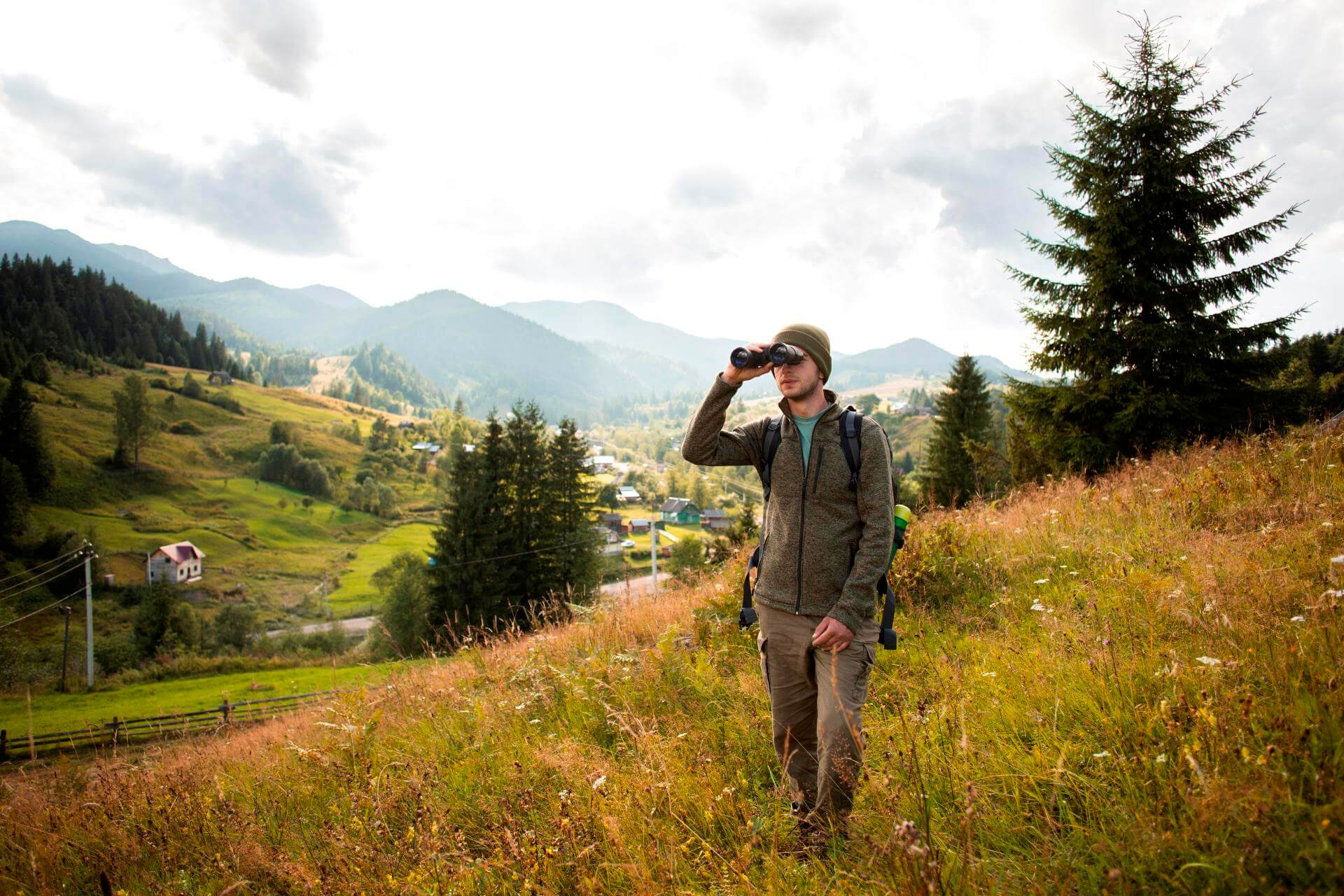
How to Prepare for a Multi-Day Wilderness Expedition
Embarking on a multi-day wilderness expedition is an exhilarating challenge, but one that demands meticulous preparation. From choosing the right gear to mastering essential survival skills, discover how to set yourself up for a successful and unforgettable outdoor adventure. This guide will walk you through the critical steps to ensure your journey into the wild is both safe and rewarding, embracing the full spectrum of the adventure lifestyle.
Understanding Your Wilderness Expedition
A multi-day wilderness expedition is more than just a hike; it’s an immersive experience that tests your resilience, resourcefulness, and connection with nature. Whether you’re aiming for challenging mountain terrain, vast forests, or remote desert landscapes, understanding the unique demands of your chosen environment is the first crucial step in outdoor preparation. Research the typical weather patterns, potential hazards, and available natural resources. This foundational knowledge will inform every subsequent decision, from gear selection to route planning, ensuring you are adequately equipped for the realities of the wild and ready to embrace the adventure lifestyle.
Defining the Scope of Your Expedition
Before diving into gear lists, clearly define the scope of your expedition. Consider the duration, the expected mileage per day, the elevation changes, and the remoteness of your location. Are you seeking a strenuous physical challenge or a more relaxed exploration? Understanding these parameters will help you select appropriate equipment and training regimens, crucial for a successful multi-day hike.
Essential Gear for Outdoor Preparation
The right gear can be the difference between a triumphant expedition and a difficult ordeal. Prioritize quality and functionality, as your equipment will be your lifeline in the wilderness. Investing in reliable gear is a cornerstone of responsible outdoor preparation and a key component of the adventure lifestyle.
The Ten Essentials System
A widely accepted framework for wilderness survival is the “Ten Essentials” system. While the specific items may vary slightly, the core principles remain constant:
- Navigation: Map, compass, and GPS device.
- Headlamp: With extra batteries.
- Sun Protection: Sunglasses, sunscreen, and hat.
- First Aid: A comprehensive kit tailored to your expedition’s risks.
- Knife: A multi-tool or sturdy fixed-blade knife.
- Fire Starter: Waterproof matches, lighter, and tinder.
- Shelter: Emergency bivy, tarp, or lightweight tent.
- Extra Food: Beyond minimum needs.
- Extra Water: Or a reliable purification system.
- Extra Clothes: Essential for changing weather conditions.
Backpack and Shelter
Your backpack should be appropriately sized for the duration of your trip and comfortable to carry for extended periods. Look for features like adjustable straps, ample compartments, and a good weight distribution system. Your shelter—whether a tent, tarp, or bivy sack—must be lightweight, durable, and waterproof, providing protection from the elements. Proper shelter is paramount for rest and recovery during a multi-day hike.
Clothing System
Layering is key for managing body temperature in varying conditions. Avoid cotton, as it retains moisture and can lead to hypothermia. Opt for synthetic or wool base layers, insulating mid-layers (like fleece or down), and a waterproof and windproof outer shell. Don’t forget appropriate socks, gloves, and a warm hat. This adaptable clothing system is crucial for the adventure lifestyle.
Mastering Survival Skills
While preparation is vital, the ability to adapt and react to unexpected situations is where true survival skills shine. These skills enhance your safety and confidence, making your wilderness expedition more enjoyable and secure.
Navigation and Route Finding
Even with technology, understanding how to read a map and use a compass is a fundamental survival skill. Practice these techniques in familiar areas before your expedition. Learn to identify landmarks and anticipate terrain changes to maintain your bearings and avoid getting lost. Effective navigation is a core component of wilderness expedition success.
Water Procurement and Purification
Dehydration is a serious risk. Identify potential water sources on your route and always carry a reliable water filter or purification tablets. Knowing how to find and safely treat water is a non-negotiable survival skill for any multi-day hike.
Fire Starting and Shelter Building
Being able to start a fire provides warmth, a means to purify water, and can be a psychological comfort. Practice with different fire-starting methods in various conditions. In an emergency, knowing how to improvise a shelter using natural materials can be life-saving. These are critical survival skills for any adventurer.
Physical and Mental Preparation
A wilderness expedition is as much a mental challenge as a physical one. Proper training and preparation will build your confidence and capability.
Physical Conditioning
Engage in regular cardiovascular exercise and strength training. Hike with a loaded backpack to simulate the conditions of your expedition. Gradually increase the intensity and duration of your training to build endurance and prepare your body for the demands of a multi-day hike.
Mental Resilience
Develop a positive mindset and learn to manage stress. Visualize successful outcomes and practice problem-solving techniques. Understanding your own limits and knowing when to rest or turn back are also crucial aspects of mental preparedness for the adventure lifestyle.
Food and Nutrition
Proper nutrition is essential for maintaining energy levels throughout your expedition. Plan your meals carefully, focusing on calorie-dense, lightweight, and non-perishable foods.
Meal Planning
Calculate your daily caloric needs, factoring in the intensity of your activities. Pack a variety of meals, snacks, and electrolyte supplements. Ensure you have at least one extra day’s worth of food as a contingency. Well-planned sustenance is key for a successful wilderness expedition.
Cooking and Storage
Invest in a lightweight camping stove, fuel, and cookware. Learn efficient cooking techniques. Properly store your food to protect it from wildlife, using bear canisters or bear-resistant bags where necessary.
Leave No Trace Principles
Embrace the adventure lifestyle responsibly by adhering to Leave No Trace principles. This ensures that you minimize your impact on the environment and preserve the wilderness for future generations. Understanding and practicing these ethics is a vital part of any wilderness expedition.
- Plan Ahead and Prepare
- Travel and Camp on Durable Surfaces
- Dispose of Waste Properly
- Leave What You Find
- Minimize Campfire Impacts
- Respect Wildlife
- Be Considerate of Other Visitors
Conclusion: Embracing the Wilderness Expedition
Preparing for a multi-day wilderness expedition is a comprehensive process that blends meticulous planning with the development of essential survival skills. By carefully selecting your gear, honing your navigation and survival abilities, and conditioning yourself both physically and mentally, you are setting the stage for an unforgettable adventure. Embrace the challenge, respect the environment, and allow the adventure lifestyle to enrich your connection with the natural world. A well-prepared expedition is not just about reaching your destination; it’s about the journey and the growth that comes with it.
Ready to plan your next adventure? Share your favorite expedition tips in the comments below!