
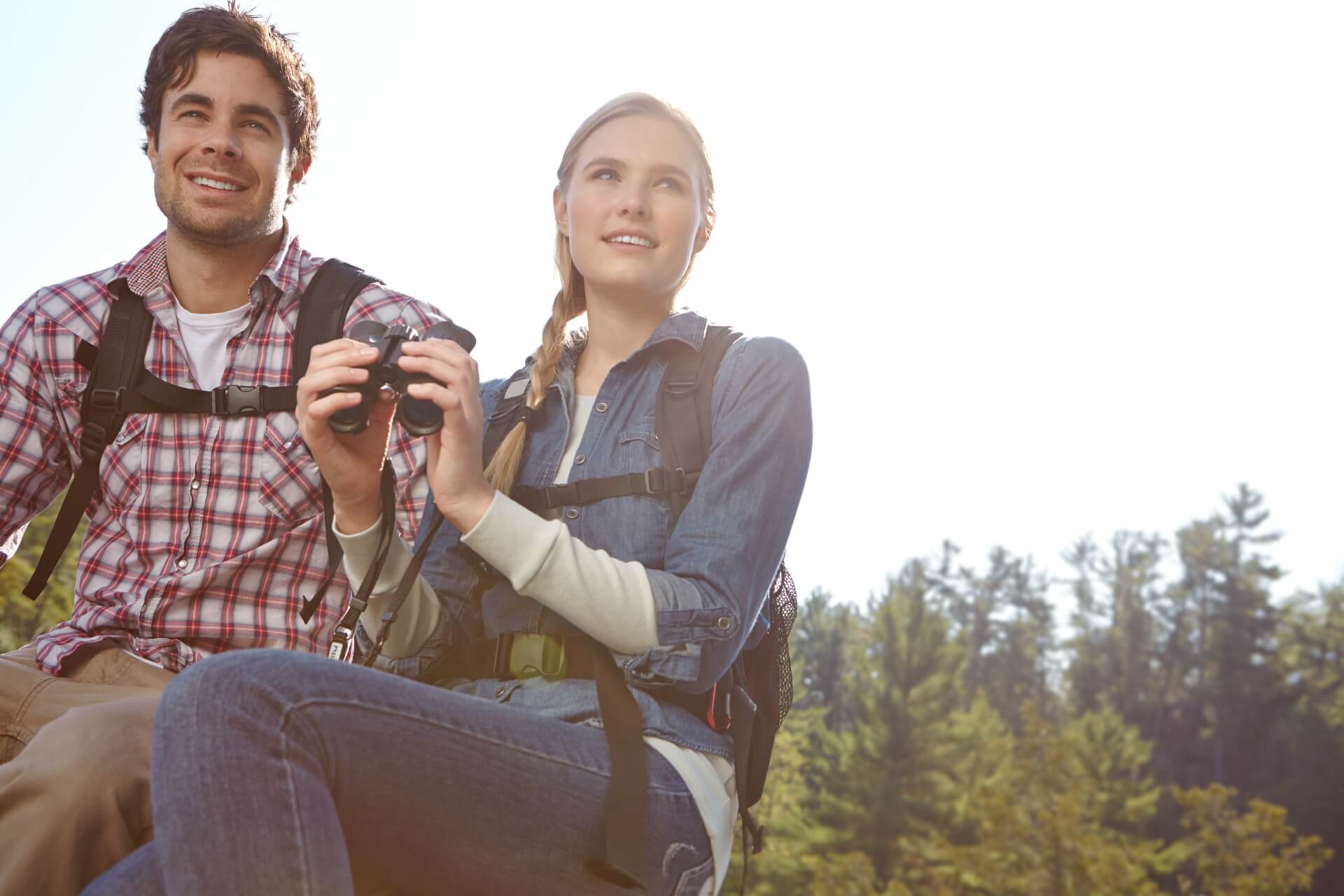
How to Capture Cinematic Outdoor Adventure Content
Adventure lifestyle, outdoor activities, and survival experiences offer a unique canvas for visual storytelling. In today’s digital landscape, sharing these moments goes beyond simple snapshots; it’s about evoking emotion and immersing viewers in the experience. This guide will equip you with the knowledge to elevate your outdoor adventure content from ordinary to cinematic, transforming your footage into compelling narratives that captivate your audience.
The Foundation of Cinematic Outdoor Adventure
Creating cinematic content isn’t just about having the right equipment; it’s about a mindset and a strategic approach to filming. It involves understanding the elements that contribute to a visually appealing and emotionally resonant story. This means going beyond simply documenting an event and instead focusing on crafting a narrative that highlights the essence of the adventure.
Defining Your Story and Vision
Before you even pick up your camera, define what story you want to tell. Are you focusing on the thrill of a challenging climb, the serenity of a remote wilderness, or the practicalities of survival? Your vision will dictate your shot selection, camera movement, and editing style. Consider the emotional arc of your story: will it build tension, inspire awe, or convey a sense of accomplishment?
Essential Gear and Technical Considerations
While storytelling is paramount, the right gear can significantly enhance the cinematic quality of your outdoor adventure content. Modern technology offers a wide array of tools that can help you achieve professional-looking results.
Camera Choices for Adventure Videography
Action cameras are excellent for their durability and wide-angle perspectives, perfect for capturing high-octane moments. However, for a more cinematic look, consider using mirrorless or DSLR cameras with interchangeable lenses. These offer greater control over depth of field and image quality. Drones are invaluable for breathtaking aerial shots that provide a sense of scale and grandeur.
Stabilization Techniques for Smooth Footage
Shaky footage is a hallmark of amateur videography. Employing stabilization tools is crucial. Gimbals are essential for smooth, fluid camera movements, especially when walking, running, or on moving vehicles. Tripods provide stability for static shots, interviews, and time-lapses. Even basic in-camera stabilization or post-production stabilization can make a significant difference.
Audio Recording for Enhanced Immersion
Don’t underestimate the power of sound. Clear audio can dramatically enhance the viewer’s immersion. Invest in external microphones, such as shotgun microphones for capturing directional sound or lavalier microphones for clear dialogue. Recording ambient sounds of nature – wind, water, wildlife – adds a layer of authenticity and atmosphere to your final edit.
Mastering Cinematic Techniques
Cinematic quality is achieved through a combination of intentional camera work, lighting, and composition. Applying these techniques will elevate your adventure videos.
Composition and Framing for Impact
Utilize the rule of thirds to create balanced and visually appealing frames. Employ leading lines to guide the viewer’s eye towards the subject. Experiment with different shot sizes – wide shots to establish location, medium shots to show action, and close-ups to capture emotion and detail. Consider using foreground elements to add depth and context to your shots.
Camera Movement for Dynamic Storytelling
Strategic camera movement can add dynamism and narrative flow. Smooth pans and tilts can reveal landscapes or follow action. Tracking shots, where the camera moves alongside the subject, create a sense of presence. Jib shots or drone shots can offer dramatic reveals or sweeping vistas. Avoid jerky or uncontrolled movements.
Understanding Light and Color
Natural light is your best friend in outdoor settings. Shoot during the “golden hours” – shortly after sunrise and before sunset – for soft, warm, and flattering light. Avoid harsh midday sun, which can create unflattering shadows. Learn to use light to your advantage, whether it’s rim lighting to highlight a subject or silhouettes for dramatic effect. Color grading in post-production can further enhance the mood and cinematic feel of your footage.
Storytelling in Outdoor Adventure Content
The most compelling adventure content tells a story that resonates with the audience. This involves more than just showing what you did; it’s about conveying the experience and emotions involved.
Show, Don’t Just Tell
Instead of simply stating that an activity was difficult, show the struggle, the sweat, the determination on the adventurer’s face. Capture the breathtaking beauty of a landscape through sweeping shots and awe-inspired reactions. Let the visuals and sounds communicate the narrative.
Pacing and Rhythm in Editing
The editing process is where your story truly comes to life. Vary the pace of your edits to match the mood of the scene. Faster cuts can convey excitement and action, while slower cuts can enhance moments of reflection or beauty. Use music effectively to underscore emotions and guide the viewer’s journey. A well-paced video will keep your audience engaged from start to finish.
Incorporating Elements of Survival Experience
When documenting survival experiences, focus on the skills, resourcefulness, and resilience of the individual. Show the process of building shelter, finding water, or foraging for food. Emphasize the challenges overcome and the lessons learned. This provides valuable insights and a powerful narrative arc.
Post-Production: Bringing It All Together
Post-production is where your raw footage transforms into a polished cinematic piece. This stage is as critical as the filming itself.
Editing Software and Techniques
Professional editing software like Adobe Premiere Pro, Final Cut Pro, or DaVinci Resolve offer the tools necessary for advanced editing. Learn about multi-camera editing for dynamic sequences, color correction and grading for visual consistency and mood, and sound mixing for clarity and impact.
Music and Sound Design Choices
The right music can elevate your video from good to great. Choose tracks that complement the mood and pacing of your narrative. Sound design involves adding ambient sounds, sound effects, and Foley to create a richer, more immersive audio experience. Ensure your audio levels are balanced and clear.
Exporting for Optimal Viewing
Understand the various export settings for different platforms (e.g., YouTube, Instagram, Vimeo). Choose appropriate resolutions, frame rates, and bitrates to ensure your video looks its best without unnecessarily large file sizes.
Conclusion: Your Cinematic Adventure Awaits
Capturing cinematic outdoor adventure content is a rewarding endeavor that blends technical skill with creative storytelling. By focusing on your narrative vision, utilizing the right gear and techniques, and mastering the art of editing, you can transform your experiences into visually stunning and emotionally engaging films. So, grab your camera, embrace the wild, and start telling your unique adventure story.
What cinematic techniques have you found most effective for your outdoor adventures? Share your tips and experiences in the comments below!