
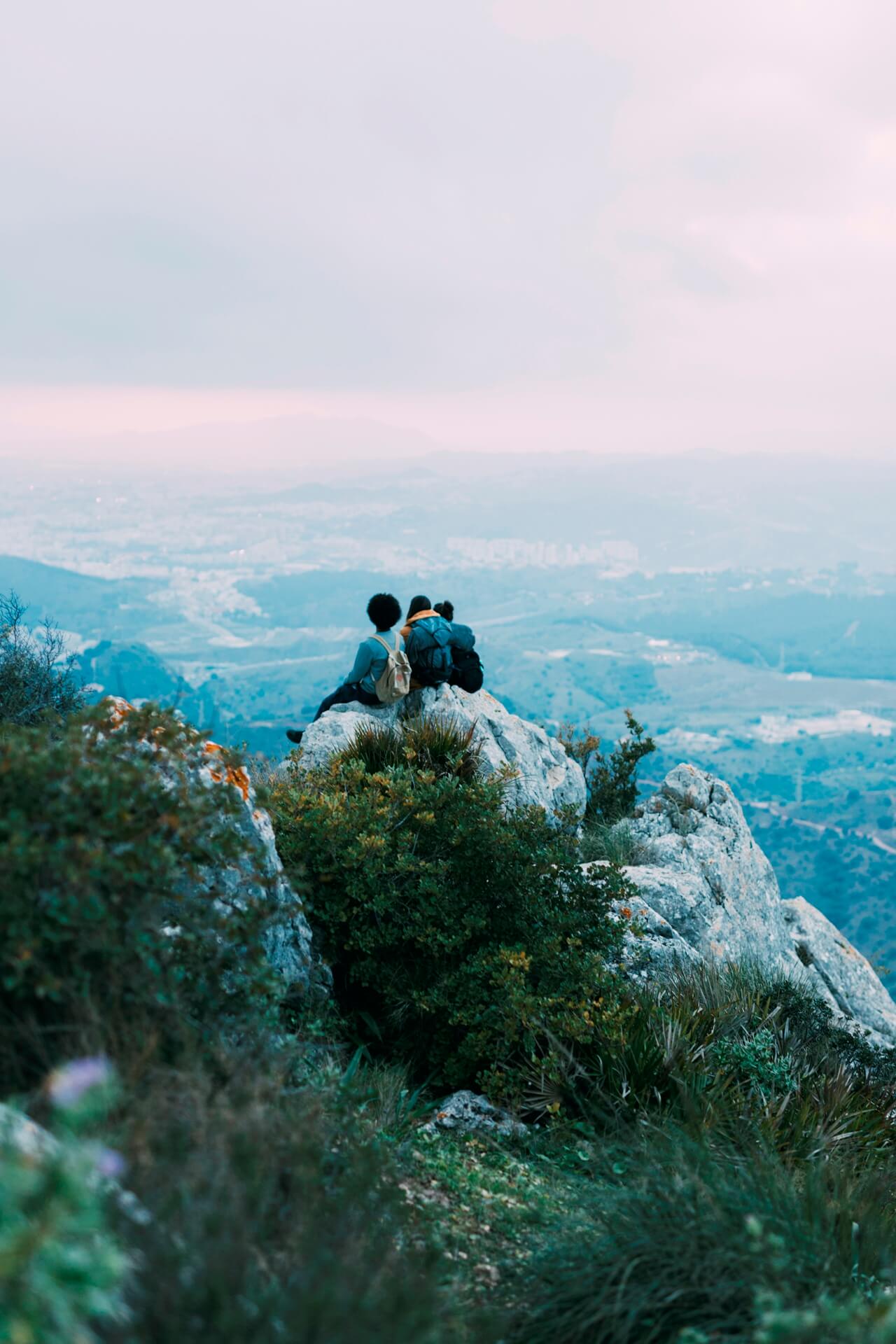
The Evolution of Modern Outdoor Adventure Culture
The world of outdoor adventure is constantly evolving. From traditional survival skills to the latest tech-driven expeditions, discover how modern adventure culture has transformed and what defines the thrill-seeker of today. This exploration delves into the core elements that shape today’s approach to outdoor activities, survival experiences, and the broader adventure lifestyle.
From Wilderness Survival to Lifestyle Choice
Historically, engaging with the outdoors was often a necessity for survival, driven by resource gathering, migration, or defense. Over time, this shifted towards recreational pursuits, but it was the latter half of the 20th century and the dawn of the 21st that truly propelled outdoor activities into a defined lifestyle. Advances in gear technology, increased leisure time, and a growing societal appreciation for nature and personal challenge have all contributed to this transformation. What was once a niche interest is now a significant cultural phenomenon, influencing everything from fashion and travel to community building.
The Rise of Specialized Gear and Technology
The evolution of outdoor adventure is inextricably linked to innovation in equipment. Lightweight, durable, and high-performance gear has made previously inaccessible or arduous activities more manageable and enjoyable. Think of breathable fabrics, advanced navigation tools like GPS devices and satellite communicators, and specialized equipment for climbing, kayaking, and cycling. This technological leap not only enhances safety but also expands the possibilities for exploration, allowing adventurers to push their boundaries further than ever before.
Defining the Modern Adventure Lifestyle
The modern adventure lifestyle is characterized by a blend of physical exertion, mental resilience, and a deep connection with the natural environment. It’s not just about conquering a physical feat, but also about the journey, the learning, and the self-discovery that occurs along the way. This lifestyle often involves a commitment to sustainability and a respect for the wilderness, encouraging practices that minimize impact and preserve natural resources for future generations.
- Emphasis on experiences over material possessions.
- Prioritizing personal growth and skill development.
- Seeking challenges that foster resilience and adaptability.
- Cultivating a strong connection with nature and its preservation.
- Embracing a community spirit with fellow outdoor enthusiasts.
The Role of Social Media and Online Communities
The digital age has also profoundly impacted the adventure landscape. Social media platforms have become powerful tools for sharing experiences, inspiring others, and building communities. Online forums and groups connect like-minded individuals, facilitating knowledge exchange, trip planning, and the formation of expeditions. This digital connectivity allows for a global sharing of adventure culture, showcasing diverse activities and destinations, and democratizing access to information and inspiration.
Adventure Evolution: From Solitude to Shared Experiences
While solitary adventures remain a core aspect of the outdoor ethos, there’s a noticeable trend towards shared experiences. Group expeditions, adventure travel tours, and organized outdoor events are increasingly popular. This shift reflects a desire for camaraderie, shared challenges, and the collective enjoyment of nature. It also fosters mentorship and skill-sharing, helping to onboard new participants into the adventure lifestyle.
Survival Skills in a Modern Context
While modern technology offers many conveniences, traditional survival skills remain a cornerstone of the outdoor adventure culture. Understanding wilderness navigation, fire-starting, shelter building, and first aid are not just about preparedness for emergencies, but also about deepening one’s connection to the natural world and fostering self-reliance. Modern survival training often integrates these timeless skills with contemporary knowledge and technology, offering a holistic approach to wilderness competency.
The Future of Outdoor Adventure
Looking ahead, the evolution of outdoor adventure is likely to continue. We can expect further integration of technology, perhaps through augmented reality for navigation or enhanced safety systems. There will likely be a continued focus on ecotourism and sustainable practices as environmental awareness grows. The desire for authentic, challenging, and transformative experiences in nature will undoubtedly remain a driving force, shaping new forms of adventure and inspiring new generations of thrill-seekers.
In conclusion, the modern outdoor adventure culture is a dynamic and multifaceted phenomenon. It has evolved from basic survival needs to a rich tapestry of lifestyles, activities, and communities, all united by a passion for the outdoors, personal challenge, and a connection with the natural world. The adventure evolution continues, promising exciting new ways to explore and experience the planet.
Share your own adventure experiences in the comments below! What does the adventure lifestyle mean to you?