
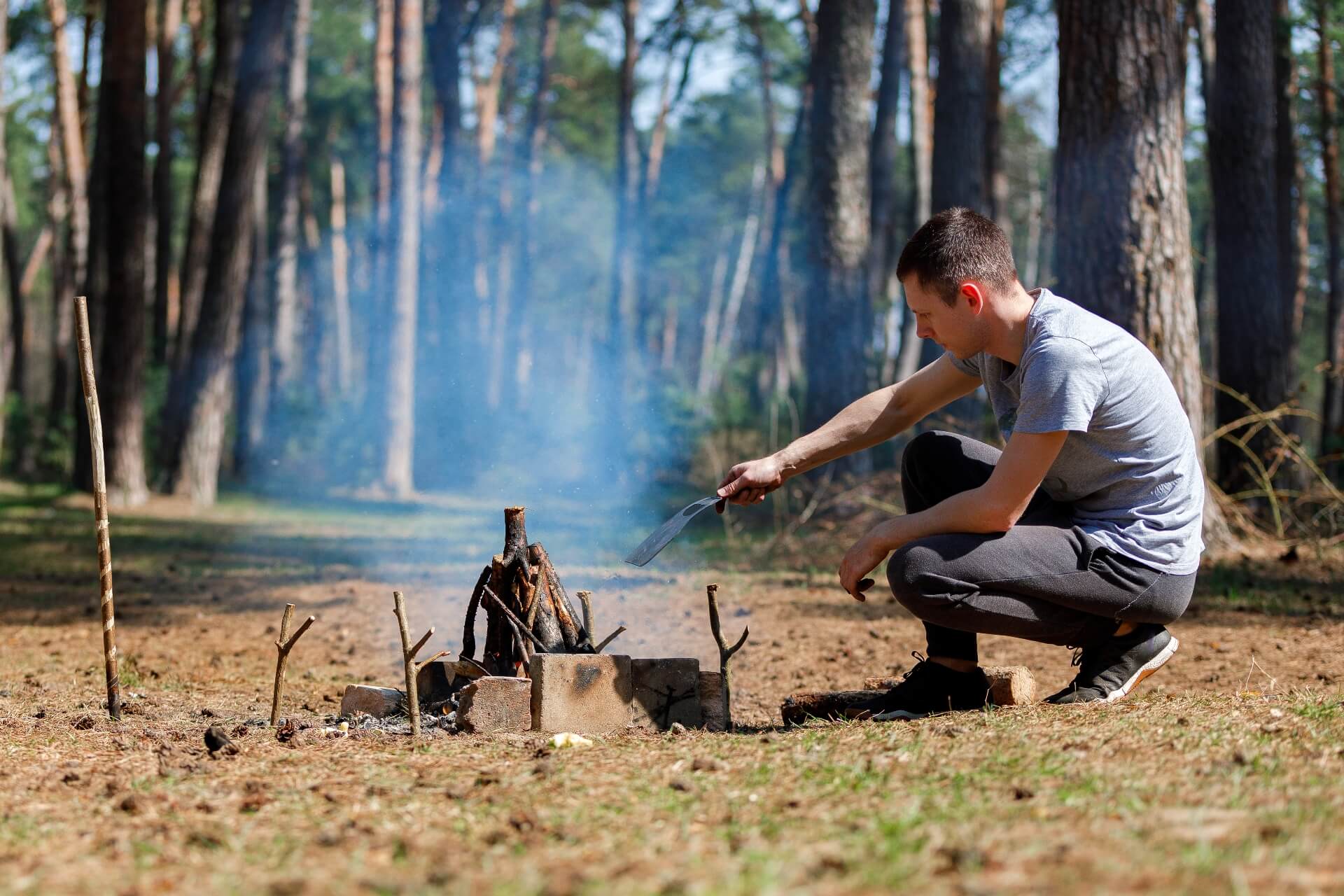
Master Winter Bushcraft Survival Techniques
Unlock essential winter bushcraft survival techniques and outdoor adventure tips. Learn cold weather camping and survival lifestyle strategies with armasadictos.com. As the temperature drops and the landscape transforms into a frozen wilderness, the call of the wild becomes even more compelling for enthusiasts of the survival lifestyle. This comprehensive guide delves into the core bushcraft skills necessary to not only survive but thrive in winter conditions, transforming harsh environments into your personal domain.
Essential Winter Bushcraft Skills for Survival
Winter bushcraft demands a unique set of skills that differ significantly from those used in milder seasons. Preparation, resourcefulness, and a deep understanding of nature’s rhythm are paramount. Mastering these techniques will ensure your safety and comfort during any outdoor adventure in the cold.
Shelter Construction in Cold Climates
Building an effective shelter is your first line of defense against the elements. In winter, this means creating a structure that insulates, protects from wind, and minimizes heat loss. Natural materials are your best allies.
- Snow Shelters: Learn to construct snow caves, quinzhees, or igloos. These structures, when built correctly, offer excellent insulation due to trapped air within the snowpack. Ensure proper ventilation to prevent carbon monoxide buildup.
- Debris Huts and Lean-tos: Utilize fallen branches, leaves, and other organic materials to create a well-insulated debris hut. The key is to create a thick layer of insulating material, at least two to three feet deep, to trap body heat.
- Site Selection: Always choose a location protected from prevailing winds and potential avalanches or falling snow. Avoid low-lying areas where cold air settles.
Fire Starting in Wet and Cold Conditions
A reliable fire is crucial for warmth, cooking, and morale. Winter conditions, with snow, ice, and dampness, present significant challenges to fire starting. Having the right tools and techniques is vital.
- Tinder and Kindling: Gather dry tinder (e.g., birch bark, cotton balls with petroleum jelly, commercial fire starters) and progressively larger kindling. Store them in a waterproof container.
- Ignition Sources: Carry multiple reliable ignition sources like waterproof matches, a ferrocerium rod, and a lighter. Practice using them in adverse conditions.
- Fuel Management: Collect ample dry fuel before attempting to start a fire. Standing deadwood is often drier than wood on the ground. Process fuel into manageable sizes.
Survival Lifestyle Adaptations for Winter Adventures
Embracing the survival lifestyle in winter means adapting your routines and mindset to the challenges of the season. It’s about proactive planning and constant awareness.
Layering Clothing for Optimal Insulation
Proper clothing is a critical component of winter bushcraft. The principle of layering allows you to regulate your body temperature by adding or removing garments as your activity level changes.
- Base Layer: Wicks moisture away from your skin. Materials like merino wool or synthetics are ideal. Avoid cotton.
- Mid Layer: Provides insulation. Fleece, down, or synthetic fill jackets are excellent choices.
- Outer Layer: Protects from wind and moisture. A waterproof and breathable shell jacket and pants are essential.
- Headwear and Gloves: Significant heat loss occurs through the head, so a warm hat is indispensable. Insulated, waterproof gloves or mittens are crucial for protecting your hands.
Nutrition and Hydration in the Cold
Your body burns more calories to stay warm in winter, so maintaining proper nutrition and hydration is more important than ever. Dehydration can be a silent danger, as the feeling of thirst is often diminished in cold weather.
- High-Calorie Foods: Pack energy-dense foods like nuts, dried fruits, jerky, and energy bars. Consider bringing a small stove and fuel for preparing hot meals and drinks.
- Water Sources: Melting snow is a primary water source, but it requires fuel to melt and is less efficient than finding open water. Always purify water, even from seemingly clean sources.
- Preventing Freezing: Keep water bottles insulated or inside your clothing to prevent freezing.
Advanced Winter Bushcraft Techniques
Once the foundational skills are mastered, exploring more advanced techniques can significantly enhance your winter survival capabilities and outdoor adventures.
Navigation in Snow-Covered Terrain
Snow can obscure trails and landmarks, making navigation challenging. Relying solely on GPS can be risky due to battery life in cold temperatures.
- Map and Compass: Master traditional navigation techniques. Practice reading contour lines and using a compass to orient yourself.
- Natural Navigation: Learn to read signs in nature, such as snowdrift patterns, tree growth, and the sun’s position.
- Marking Your Path: Consider using a shovel or your feet to mark your trail in deep snow, especially if venturing off established paths.
Cold Weather Camping and Sleeping Systems
A good night’s sleep is essential for recovery and maintaining a positive mental state. Your sleeping system needs to be robust enough to handle sub-zero temperatures.
- Sleeping Bag Rating: Choose a sleeping bag rated for temperatures well below what you expect to encounter.
- Sleeping Pad: A high-R-value sleeping pad is critical for insulating you from the cold ground.
- Bivy Sack or Tent: A bivy sack or a winter-rated tent can provide an extra layer of protection and insulation.
- Pre-warming: Before bed, do some light exercises to warm up your core, and consider filling a water bottle with hot water to place in your sleeping bag.
Mastering winter bushcraft is an ongoing journey that requires practice, patience, and respect for the environment. By honing these essential survival techniques and embracing the challenges of the cold, you can unlock a deeper connection with the wild and enjoy unforgettable outdoor adventures. Remember, preparedness and knowledge are your most valuable assets when navigating the beauty and harshness of winter.
Share your favorite winter bushcraft tips or experiences in the comments below! For more insights into the survival lifestyle and outdoor adventures, explore other articles on armasadictos.com.