
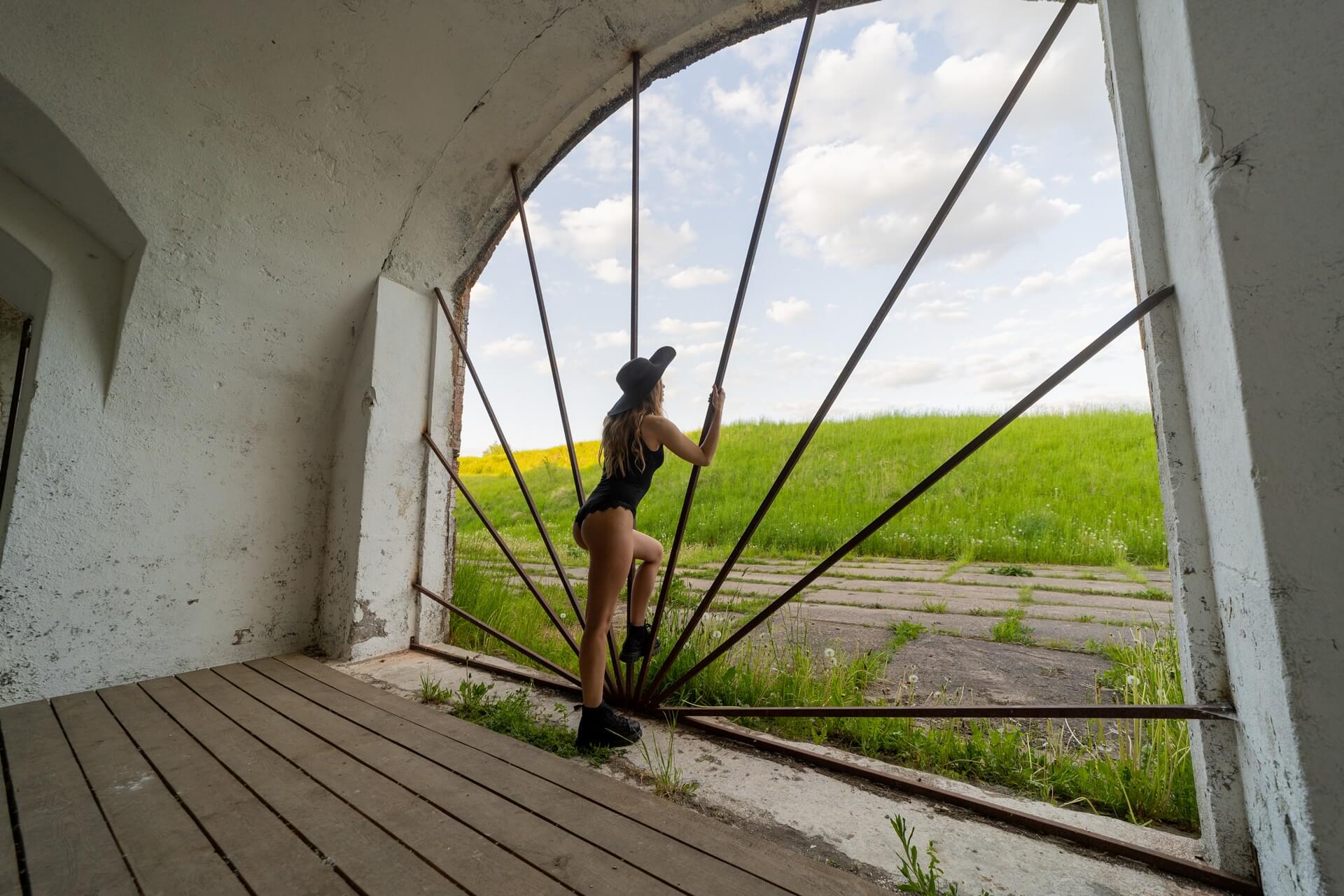
Why More People Dream About Escaping Modern Society: The Rise of Extreme Outdoor Living and Survival Skills
Are you finding yourself increasingly drawn to the call of the wild, yearning to trade concrete jungles for untamed landscapes? You’re not alone. A growing number of individuals are dreaming about escaping modern society, seeking solace and fulfillment in the embrace of extreme outdoor living and survival skills. This trend isn’t just about a vacation; it’s a profound shift in values, a deep-seated desire for authenticity and a tangible connection with the natural world.
The Allure of Extreme Outdoor Living
Extreme outdoor living, often encompassing activities like bushcraft, wilderness survival, remote camping, and long-distance trekking, offers a potent antidote to the complexities and stresses of contemporary life. In a world dominated by digital distractions, constant connectivity, and perceived artificiality, the raw simplicity and inherent challenges of the outdoors provide a powerful grounding experience. It’s about stripping away the non-essentials and focusing on fundamental needs: shelter, water, food, and safety. This focus fosters a sense of accomplishment and self-reliance that is often missing in our comfort-driven lives.
Connecting with Nature on a Deeper Level
For many, the primary driver behind this desire is a yearning for a more profound connection with nature. Modern life often disconnects us from the rhythms of the planet. Extreme outdoor pursuits re-establish this vital link. Whether it’s understanding weather patterns, identifying edible plants, tracking wildlife, or navigating by the stars, these activities cultivate an intimate knowledge and respect for the environment. This fosters a sense of stewardship and a deeper appreciation for the natural world, something often lost amidst urban sprawl.
The Practicality and Inspiration of Survival Skills
Survival skills, once considered the domain of preppers and extreme adventurers, are gaining mainstream appeal. This isn’t necessarily about preparing for doomsday scenarios, but rather about acquiring practical knowledge that enhances resilience and self-sufficiency. Learning how to build a fire without matches, purify water, construct a shelter, or administer basic first aid provides a tangible sense of security and capability.
- Building a fire using friction methods.
- Identifying and utilizing natural cordage.
- Creating basic traps for small game.
- Understanding primitive shelter construction.
- Basic navigation techniques without a compass.
- Emergency signaling methods.
These skills empower individuals, offering a buffer against unexpected situations and fostering confidence. Moreover, mastering these techniques provides immense satisfaction and a sense of primal competence.
Adventure Inspiration as an Escape
The inspiration drawn from adventure is a significant component of this movement. Documentaries, books, and online platforms showcasing individuals thriving in challenging environments ignite the imagination. These stories offer not just entertainment, but a vision of what is possible when one steps outside their comfort zone. They highlight themes of resilience, determination, and the transformative power of facing adversity. This inspiration fuels the desire to seek out one’s own adventures, whether it’s a weekend camping trip or a more ambitious expedition.
Challenging Perceived Limitations
The modern world often instills a sense of fragility and dependence. Extreme living and survival skills directly challenge these perceived limitations. By engaging in activities that test physical and mental fortitude, individuals discover hidden reserves of strength and adaptability. Overcoming obstacles in the wilderness translates into a greater capacity to handle challenges in everyday life, fostering a more robust and optimistic outlook.
The Psychological Benefits of Disconnecting
Beyond the practical and adventurous aspects, there are significant psychological benefits to temporarily disconnecting from modern society. The constant barrage of information, social pressures, and the demands of professional life can lead to burnout and mental fatigue. Stepping into a natural environment, even for a short period, allows the mind to rest and reset. The focus shifts from external demands to internal needs and the immediate surroundings, promoting mindfulness and reducing stress.
The quiet solitude of the wilderness, broken only by the sounds of nature, can be incredibly therapeutic. It provides an opportunity for introspection, self-discovery, and a renewed sense of perspective. Many find that time spent in nature helps them to re-evaluate their priorities and return to their daily lives with greater clarity and purpose.
Finding Your Path to Extreme Outdoor Living
Embarking on a journey into extreme outdoor living doesn’t require becoming a hardened survivalist overnight. It’s about taking intentional steps towards a more connected and resilient lifestyle. Start small: explore local hiking trails, learn basic camping skills, and gradually expand your knowledge and comfort zone. Seek out reputable courses and experienced mentors to ensure safety and effective learning. The key is to approach it with respect for nature and a willingness to learn.
The dream of escaping modern society through extreme outdoor living and survival skills is more than just a fleeting trend; it’s a reflection of a deep human need for authenticity, connection, and self-reliance. It offers a path to a richer, more meaningful existence, grounded in the enduring power of the natural world.
Are you inspired to embrace the wild? Share your thoughts or your own outdoor adventure dreams in the comments below!