
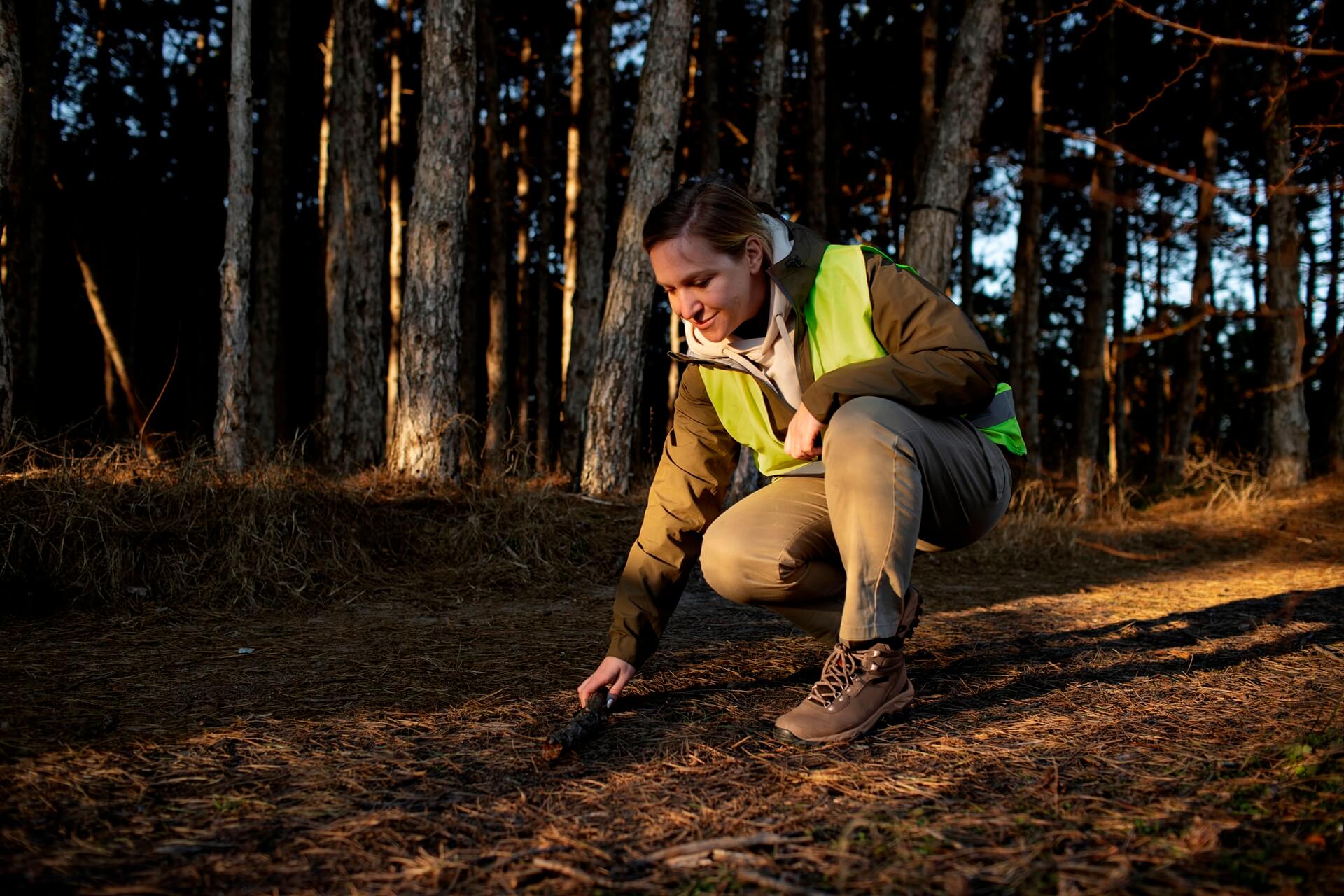
How to Escape Dangerous Situations in Remote Areas: Essential Outdoor Survival Skills
Venturing into remote areas offers unparalleled adventure, but it also demands preparedness. This guide from armasadictos.com delves into crucial outdoor survival skills designed to help you escape dangerous situations and confidently embrace the wilderness. Learn to navigate unforeseen challenges and enhance your adventurous lifestyle.
Understanding Wilderness Dangers and Preparedness
The allure of remote landscapes often conceals inherent risks. Understanding potential dangers is the first step towards effective outdoor survival. These can range from sudden environmental shifts like flash floods or rockfalls to encounters with wildlife or getting lost.
Assessing Your Environment and Immediate Threats
Upon realizing you are in a dangerous situation, your immediate priority is to assess your surroundings. Are there any imminent threats like unstable ground, rising water levels, or aggressive animals? Identify potential escape routes and safe zones. A calm, methodical approach is key to making sound decisions under pressure.
Core Outdoor Survival Skills for Remote Area Escape
Mastering a few fundamental survival skills can significantly increase your chances of safely navigating out of a perilous predicament in a remote area. These skills form the bedrock of wilderness escape strategies.
Navigation Without Technology
Relying solely on GPS devices can be risky, as batteries can die or devices can be damaged. Learn to navigate using a map and compass, or even by observing natural indicators like the sun’s position or star patterns. Understanding basic land navigation is a vital outdoor survival skill.
- Learn to read topographic maps to understand terrain and identify potential hazards or routes.
- Practice using a compass to maintain a consistent direction of travel.
- Observe natural signs: moss growth on trees, the sun’s path (rising in the east, setting in the west), and the North Star at night.
Water Procurement and Purification
Dehydration can incapacitate you quickly. Knowing how to find and purify water sources is paramount. Remote areas may have streams, rivers, or collect rainwater, but untreated water can harbor pathogens.
- Identify potential water sources like moving streams, natural springs, or collecting dew and rainwater.
- Purification methods include boiling, using water filters or purification tablets.
- Understand how to create a solar still for water purification in arid environments.
Shelter Construction for Protection
Exposure to the elements can be as dangerous as other threats. A well-constructed shelter provides protection from rain, wind, sun, and cold, conserving vital body heat and energy. This is a critical element of wilderness escape.
- Utilize natural features like caves or dense foliage for immediate shelter.
- Learn to build basic shelters using branches, leaves, and other natural materials.
- Prioritize insulation from the ground and protection from prevailing winds.
Basic First Aid and Injury Management
In remote areas, professional medical help can be hours or days away. Being able to administer basic first aid can stabilize an injury, prevent infection, and manage pain until you can reach safety.
- Carry a well-stocked first-aid kit and know how to use its contents.
- Learn to treat common injuries like cuts, sprains, burns, and hypothermia.
- Understand how to improvise bandages and splints using available materials.
Strategies for Escaping Dangerous Situations
Beyond fundamental skills, specific strategies can help you extricate yourself from difficult circumstances. These focus on proactive decision-making and risk mitigation.
Signaling for Help
If you are lost or injured and cannot self-rescue, being able to signal for help is crucial. Multiple methods can increase your chances of being found.
- Use a whistle: Three short blasts is a universal distress signal.
- Create visual signals: Use bright clothing, mirrors to reflect sunlight, or build a signal fire (three fires in a triangle is a distress signal).
- Prepare a designated landing zone if expecting air rescue.
Dealing with Wildlife Encounters
Encounters with dangerous wildlife are a significant risk in remote areas. Maintaining a safe distance and knowing how to react can prevent an incident.
- Research the local fauna and understand their typical behavior.
- Make noise while hiking to avoid surprising animals.
- Never approach or feed wild animals.
- If an encounter occurs, remain calm, avoid direct eye contact, and back away slowly.
Mental Fortitude and Problem-Solving
The psychological aspect of survival cannot be overstated. Maintaining a positive mental attitude and the ability to think critically under duress are as important as physical skills.
- Stay calm and focus on one task at a time.
- Break down complex problems into smaller, manageable steps.
- Maintain hope and a determination to survive.
Embracing the Adventurous Lifestyle with Confidence
Mastering these outdoor survival skills and escape strategies empowers you to explore remote areas with greater confidence and a deeper appreciation for the wilderness. At armasadictos.com, we believe that preparedness enhances adventure, allowing you to fully embrace the outdoors while minimizing risks. Regular practice and continuous learning are key to honing your wilderness escape capabilities.
Share your own survival stories or tips in the comments below!