
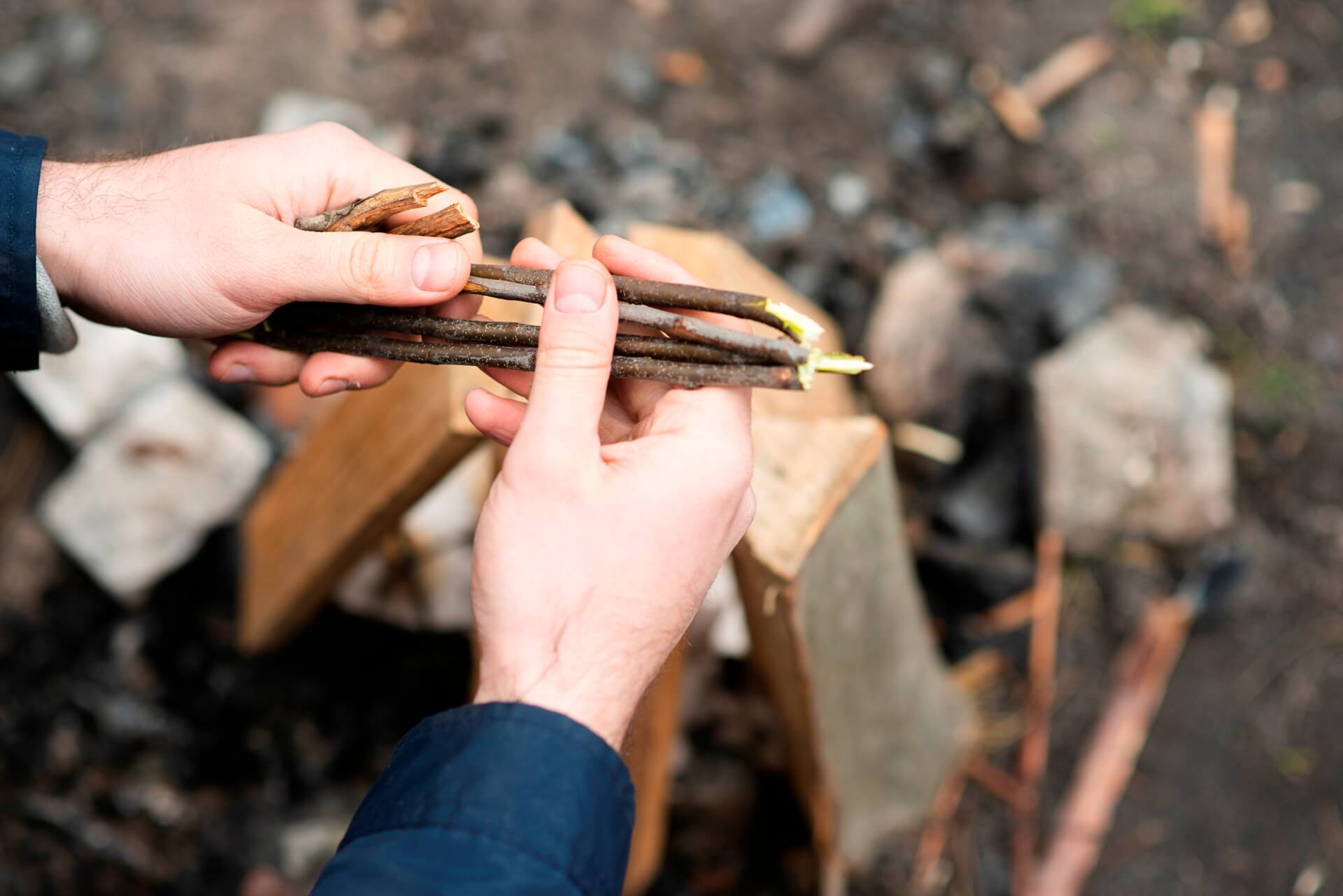
How to Find Safe Drinking Water During an Emergency: Essential Outdoor Survival Skills
In the realm of outdoor adventures and unexpected emergencies, the ability to locate and purify safe drinking water stands as a paramount survival skill. Armasdictos.com is dedicated to equipping you with the knowledge and confidence needed to thrive in any situation. This guide delves into critical techniques for finding potable water when you need it most, ensuring your health and well-being.
The Critical Importance of Water in Survival Situations
Water is fundamental to human life, far more immediately critical than food. Dehydration can set in rapidly, leading to impaired judgment, physical weakness, and ultimately, severe health consequences. In an emergency, access to clean water is not a luxury; it’s a non-negotiable necessity. Understanding how to find and secure a reliable water source can be the difference between survival and peril. This knowledge is a cornerstone of outdoor survival skills and preparing for an adventure lifestyle.
Identifying Potential Water Sources in the Wild
When faced with a survival scenario, your primary objective is to locate any form of water. Diverse environments offer different potential sources, and knowing what to look for is key. The following are common places to investigate:
Natural Water Bodies
- Rivers, Streams, and Creeks: These are often the most accessible sources. However, their safety varies greatly. Moving water is generally safer than stagnant water, but contamination is still a significant risk. Always aim for upstream sources away from animal carcasses or human activity.
- Lakes and Ponds: While larger bodies of water can seem promising, they are often stagnant and can harbor more contaminants, including bacteria and algae. Skimming water from the surface or drawing from areas with inlets might offer a slightly better option.
- Springs: Natural springs, where groundwater emerges from the earth, can be an excellent source of clean water. They are often naturally filtered. Look for areas where water visibly bubbles up from the ground, ideally in rocky or sandy areas.
Rainwater and Dew Collection
- Rainwater: Collecting rainwater is one of the safest methods, as it is naturally distilled. Use any available containers, tarps, or large leaves to channel and collect rainfall. Ensure the collection surface is as clean as possible.
- Dew: In arid or cooler environments, dew can be a viable source. In the early morning, you can collect dew by wiping down broad leaves or grasses with absorbent material (like a cloth) and then wringing it out. While this yields small amounts, it can be crucial when other sources are unavailable.
Subsurface Water
- Digging for Water: In dry riverbeds, sandy areas near existing water sources, or depressions in the ground, you can often find water by digging. Dig a hole a few feet deep. If you hit moist soil, continue digging until water begins to seep in. Allow the sediment to settle before collecting.
- Plant Sources: Certain plants, like vines or cacti, can contain drinkable water. However, this requires careful identification as many plants are poisonous. Avoid plants with milky sap or bitter tastes. This method is risky and should only be attempted if you have prior knowledge.
Purification Methods: Making Water Safe to Drink
Even the clearest-looking water can contain harmful microorganisms, viruses, and chemical contaminants. Therefore, purifying any found water source is crucial. Here are the most effective methods:
Boiling: The Gold Standard
Boiling water for at least one minute (or three minutes at altitudes above 6,500 feet / 2,000 meters) is the most reliable method for killing bacteria, viruses, and protozoa. Bring the water to a rolling boil, maintaining it for the recommended duration. This is a cornerstone of emergency water preparation.
Filtration: Removing Sediment and Larger Particles
While not a purification method on its own, filtration removes sediment, debris, and some larger parasites, making water clearer and more palatable. You can use commercial water filters, or improvise by layering materials like sand, charcoal, and cloth in a container with a small hole at the bottom. Filtered water should ideally be further purified by boiling or chemical treatment.
Chemical Treatment: Tablets and Drops
Water purification tablets (typically iodine or chlorine dioxide based) are lightweight and effective. Follow the manufacturer’s instructions carefully. Iodine can impart a taste and is not recommended for pregnant women or individuals with thyroid issues. Chlorine dioxide is generally more effective and has fewer taste issues.
Solar Disinfection (SODIS)
This method involves filling clear PET plastic bottles with filtered water and leaving them in direct sunlight for at least six hours (or two consecutive days if cloudy). The UV-A radiation from the sun, combined with heat, can kill many pathogens. This is a low-tech solution but requires sunlight and suitable containers.
Tips for Water Storage and Conservation
Beyond finding and purifying water, effective storage and conservation are vital for any outdoor enthusiast or survivalist.
- Carry Water: Always carry more water than you think you’ll need, especially on strenuous hikes or in hot climates.
- Hydrate Regularly: Drink water proactively, even if you don’t feel thirsty.
- Minimize Water Loss: Avoid strenuous activity during the hottest parts of the day. Seek shade and wear appropriate clothing to reduce perspiration.
- Store Safely: When storing purified water, use clean, airtight containers. Keep it in a cool, dark place to maintain its quality.
Conclusion: Be Prepared, Stay Hydrated
Mastering the skills to find and purify safe drinking water is an indispensable part of outdoor survival and embracing an adventure lifestyle. By understanding potential sources, employing effective purification methods, and practicing wise conservation, you significantly enhance your ability to face unexpected challenges. Armasdictos.com encourages you to practice these techniques and be prepared for any adventure.
What are your go-to methods for finding or purifying water in the outdoors? Share your tips and experiences in the comments below!