
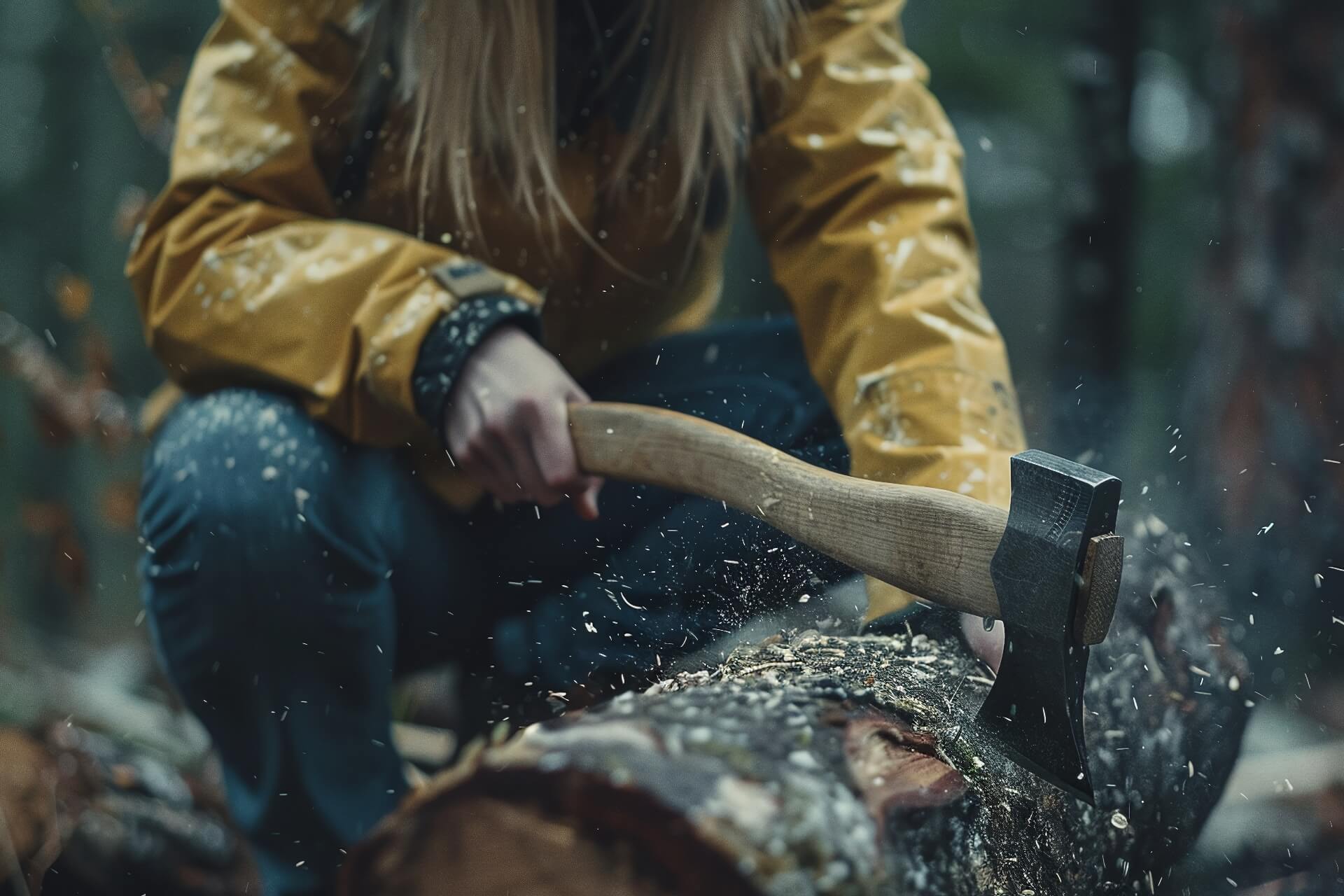
How to Make Primitive Hunting Tools in the Wild
Embark on a journey into the wild and discover the ancient art of crafting your own hunting tools from nature’s bounty. This guide will equip you with essential bushcraft skills for creating primitive gear, enhancing your survival lifestyle and outdoor adventures. Learning to craft your own tools is a fundamental aspect of bushcraft, connecting you deeper with the natural world and boosting your self-reliance.
Understanding Primitive Hunting Tool Principles
Before diving into construction, it’s crucial to grasp the core principles behind primitive hunting tools. These tools are designed to be effective using materials readily available in the wilderness. Key considerations include material selection, durability, weight, and the intended prey. The goal is to create implements that are functional, reliable, and can be made with minimal resources and effort.
Material Selection: Nature’s Toolkit
The foundation of any primitive tool lies in the materials you choose. Look for strong, dense woods like oak, hickory, or ash for spear shafts and handles. For cutting edges, consider sharp stones such as flint, chert, or obsidian. Natural bindings can be fashioned from plant fibers like yucca or inner bark of trees, or from animal sinew when available. Bone and antler are also excellent materials for crafting durable points and handles.
Crafting a Primitive Spear
The spear is one of the most basic yet effective primitive hunting tools. Its simplicity belies its power when used correctly.
Selecting and Preparing the Shaft
Find a straight, sturdy branch, roughly 1.5 to 2 meters long and about 2-3 cm in diameter. Remove any bark and smooth out any imperfections using a sharp stone or a makeshift scraper. Ensure the wood is dry or partially dried to prevent warping.
Fashioning the Spearhead
There are several methods for creating a spearhead.
- Stone Point: Carefully knap a piece of flint or chert to create a sharp, triangular point. This requires practice and patience.
- Hardened Wood Point: Sharpen one end of the shaft to a fine point and then harden it by carefully charring it over a fire. This makes the wood more durable and less prone to breaking.
- Bone or Antler Point: If you have access to bone or antler, shape it into a sharp point that can be securely attached to the shaft.
Attaching the Spearhead
Once your spearhead is ready, securely attach it to the prepared shaft.
- If using a stone or bone point with a pre-made socket, slide it onto the tip of the shaft.
- Use natural cordage (plant fibers or sinew) to lash the point firmly to the shaft. Wrap the cordage tightly and securely, ensuring there is no movement. A common technique is to split the end of the shaft slightly, insert the spearhead, and then bind it tightly.
Creating a Primitive Bow and Arrow
A bow and arrow system offers range and accuracy, making it a more sophisticated hunting tool.
The Bow Stave
Look for a flexible yet strong piece of wood, such as yew, osage orange, or ash. It should be roughly the length of your arm and have a natural curve. Remove the bark and tiller the wood by carefully removing material from the belly side until it bends evenly.
The Bowstring
A strong bowstring can be made from multiple strands of processed plant fibers (like nettle or dogbane) twisted together, or from animal sinew. It needs to be strong enough to withstand the tension of the bow.
The Arrows
Arrow shafts should be straight, lightweight, and made from woods like cedar, pine, or dogwood. Once straightened and smoothed, they need to be fletched with feathers for stability. Arrowheads can be made from stone, bone, or hardened wood, similar to spearheads.
Assembly and Testing
String the bow carefully. Test its draw weight and ensure it bends smoothly. Fashion arrows that fit the bow’s draw length and attach the fletching and arrowhead securely. Practice shooting to gauge accuracy and adjust as needed.
Other Useful Primitive Tools
Beyond spears and bows, several other primitive tools can be invaluable for survival and hunting.
Stone Knives and Scrapers
A sharp stone knife is essential for skinning, cutting cordage, and preparing food. Scrapers, made from flaked stones, are useful for preparing hides.
Snares and Traps
While not technically tools *for* hunting in the active sense, snares and traps are crucial passive hunting implements. They can be constructed from natural cordage and branches to catch small game.
Bushcraft Skills for Enhanced Survival
Mastering the art of making primitive hunting tools is a testament to your bushcraft skills. It requires patience, observation, and a deep understanding of the natural environment. These skills are not just about crafting; they are about living in harmony with nature and developing a profound sense of self-sufficiency. Practicing these techniques will undoubtedly enhance your outdoor adventures and your overall survival lifestyle.
By learning and applying these primitive tool-making techniques, you gain invaluable skills that connect you to ancient traditions and bolster your ability to thrive in the wild. These are not merely objects; they are extensions of your will and ingenuity.
What primitive hunting tools have you successfully crafted? Share your experiences and tips in the comments below!