
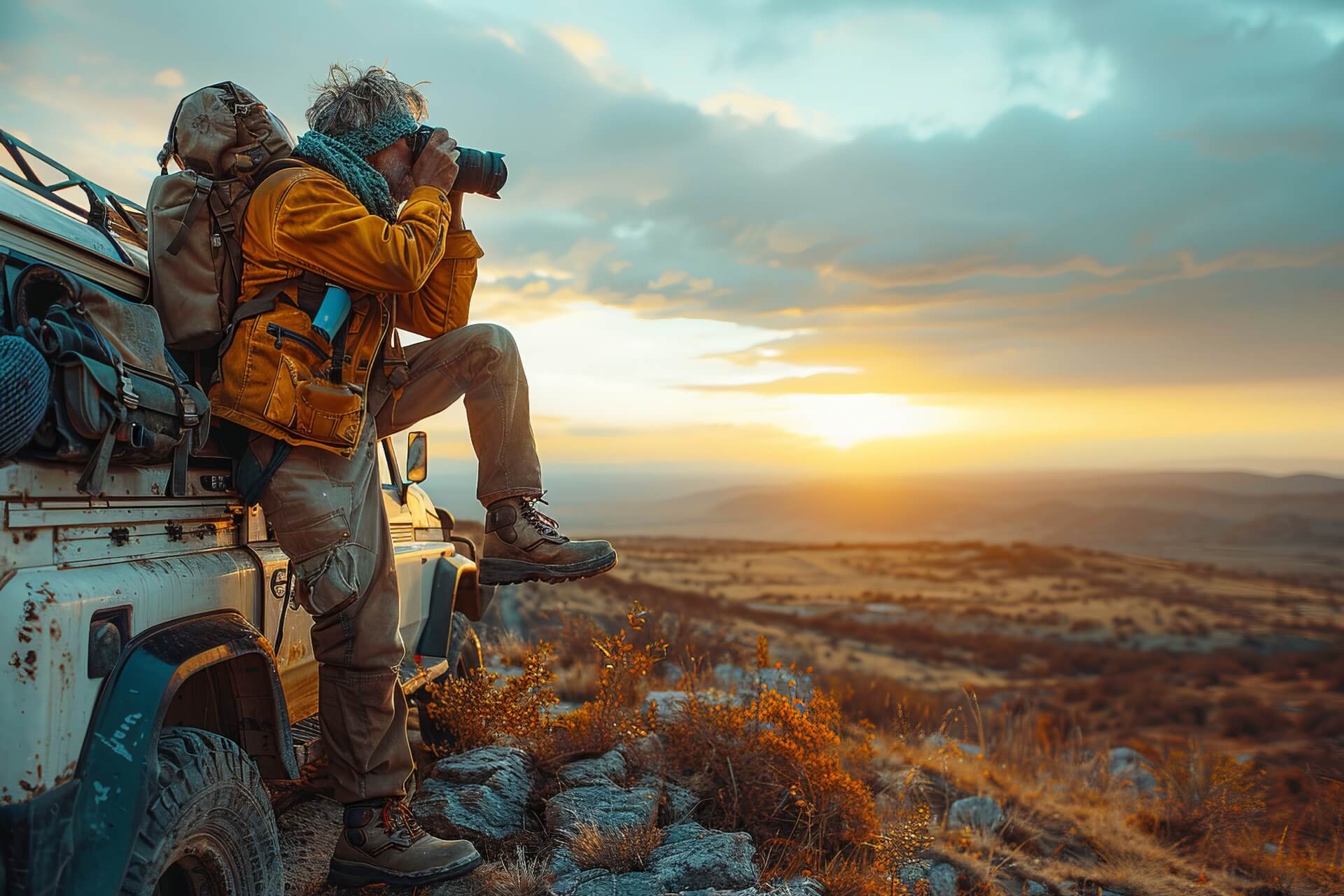
How to Plan the Perfect Remote Camping Trip
Discover the ultimate guide to planning a remote camping trip with armasadictos.com. From essential gear to navigating the wilderness, we’ll equip you with the knowledge for an unforgettable outdoor adventure. Embarking on a journey into the remote wilderness is an unparalleled way to reconnect with nature and challenge yourself. However, a successful backcountry camping experience hinges on meticulous planning. This guide will walk you through every crucial step, ensuring your remote camping adventure is safe, enjoyable, and truly unforgettable.
Understanding Remote Camping: What Sets It Apart?
Remote camping, often referred to as wilderness camping or backcountry camping, involves setting up camp in areas far from established campgrounds, roads, and civilization. This means you’ll be entirely self-sufficient, relying on your gear, skills, and preparation. The allure lies in the solitude, the pristine natural beauty, and the sense of accomplishment that comes from navigating and thriving in an untouched environment. Unlike car camping, where amenities are often close by, remote camping demands a higher level of preparedness and respect for the environment.
Key Differences from Frontcountry Camping
The most significant distinction is the lack of readily available facilities. You won’t find restrooms, running water, picnic tables, or designated fire pits. This necessitates carrying in all your supplies, including water or a reliable purification method, and packing out absolutely everything you bring in, including waste. Furthermore, remote areas often lack cell service, making communication and emergency access more challenging. This emphasizes the importance of robust camping planning and contingency strategies.
Essential Gear for Your Backcountry Adventure
Your gear is your lifeline when camping planning for a remote trip. Prioritize lightweight, durable, and multi-functional items. Every ounce counts when you’re carrying it for miles. Below is a breakdown of essential categories:
- Shelter: A lightweight, durable tent or tarp that can withstand various weather conditions. Consider the number of occupants and expected climate.
- Sleeping System: A warm sleeping bag rated for the lowest expected temperature and a comfortable sleeping pad for insulation and cushioning.
- Backpack: A properly fitted backpack with sufficient capacity (usually 50-75 liters for multi-day trips) to carry all your gear.
- Navigation Tools: A map, compass, and GPS device (with extra batteries). Crucially, know how to use them.
- Water Purification: A reliable water filter, purification tablets, or a method to boil water. Always carry more than you think you’ll need.
- Food: Non-perishable, high-energy food. Plan meals carefully to avoid overpacking or under-provisioning. Consider freeze-dried meals for weight savings.
- Cooking Gear: A lightweight stove, fuel, pot, utensils, and biodegradable soap for cleaning.
- First-Aid Kit: A comprehensive kit tailored to potential wilderness injuries, including personal medications.
- Clothing: Layered, moisture-wicking clothing. Avoid cotton. Include waterproof and windproof outer layers.
- Tools: A multi-tool or knife, headlamp or flashlight with extra batteries, and a repair kit for your gear.
- Hygiene: Biodegradable toilet paper, trowel for catholes, hand sanitizer, and personal toiletries (kept minimal).
Strategic Camping Planning: From Destination to Departure
Thorough camping planning is the cornerstone of a successful remote camping trip. It’s not just about packing; it’s about understanding your environment and preparing for it.
Choosing Your Remote Location
Research potential destinations thoroughly. Consider the terrain, potential hazards (wildlife, weather, water sources), accessibility, and regulations (permits may be required). Websites like armasadictos.com offer insights into various outdoor adventure opportunities. Ensure the location aligns with your skill level and fitness. Opting for a slightly less remote location for your first backcountry camping experience can be a wise choice.
Permits and Regulations
Always check local land management agencies (e.g., National Park Service, Forest Service) for permit requirements. Many wilderness areas have quotas to limit visitor impact. Familiarize yourself with Leave No Trace principles, which are paramount in remote camping. This includes proper waste disposal, minimizing campfire impacts, respecting wildlife, and leaving what you find.
Weather and Safety Considerations
Check the weather forecast extensively before you go and be prepared for rapid changes. Understand the signs of hypothermia and heatstroke. Inform someone of your itinerary, including your expected return date. A detailed trip plan left with a trusted contact is crucial.
Navigating the Wilderness: Skills and Awareness
While gear is essential, knowledge and skills are equally vital for remote camping and outdoor adventure. Basic wilderness navigation is non-negotiable.
Map and Compass Proficiency
Being able to read a topographic map and use a compass to orient yourself and take bearings is a fundamental skill. Practice these techniques in a familiar environment before your trip. Relying solely on GPS can be risky, as batteries can die or devices can fail.
Wildlife Encounters
Research the local wildlife and understand how to behave if you encounter animals. This may include storing food properly in bear canisters or using bear hangs, making noise while hiking to avoid surprising animals, and knowing what to do in specific encounter situations. Maintaining a safe distance is always key.
Emergency Preparedness
Even with the best planning, emergencies can happen. Know basic first aid, how to signal for help (whistle, mirror), and how to stay calm under pressure. Your trip plan left with your contact can be the first step in initiating a search if you don’t return on time.
Leave No Trace: Protecting the Wilderness
The essence of remote camping is to leave the natural environment as you found it, or even better. Adhering to Leave No Trace principles ensures that these pristine areas remain for future generations.
- Plan Ahead and Prepare
- Travel and Camp on Durable Surfaces
- Dispose of Waste Properly
- Leave What You Find
- Minimize Campfire Impacts
- Respect Wildlife
- Be Considerate of Other Visitors
By integrating these principles into your camping planning, you contribute to the preservation of the wild spaces you explore. Remote camping is a rewarding experience that offers a unique connection to the natural world. With diligent preparation, the right gear, and a commitment to safety and environmental stewardship, your backcountry camping adventure will undoubtedly be a profound and unforgettable outdoor adventure.
Ready to plan your next escape? Explore more tips and destination ideas on armasadictos.com!