
How to Start Learning Bushcraft From Scratch
Ready to embrace the wild? Discover the essential bushcraft skills, survival lifestyle, and outdoor adventures that await you. This guide will show you how to start learning bushcraft from scratch, equipping you with the knowledge for wilderness training and primitive technology.
What is Bushcraft? Understanding the Core Concepts
Bushcraft is more than just survival; it’s about living in harmony with nature, understanding its resources, and utilizing them responsibly to meet your needs. It encompasses a wide range of practical skills, from fire-making and shelter construction to foraging and tool crafting. At its heart, bushcraft is about self-reliance, resourcefulness, and a deep appreciation for the natural world. It’s a lifestyle that fosters independence and a connection to the environment, moving beyond mere temporary survival to a more sustainable way of living outdoors.
The Bushcraft Lifestyle: More Than Just Skills
Embracing a bushcraft lifestyle means adopting a mindset of preparedness and continuous learning. It involves a desire to spend more time outdoors, to understand the rhythms of nature, and to minimize one’s impact on the environment. This lifestyle encourages a slower pace, a focus on practical knowledge, and a rejection of over-reliance on modern conveniences. It’s about finding joy in simple, effective solutions and developing a profound respect for the natural world.
Essential Bushcraft Skills for Beginners
Embarking on your bushcraft journey requires mastering a foundational set of skills. These are the building blocks that will enable you to navigate and thrive in outdoor environments. Focusing on these core areas will provide a solid base for further exploration and development.
1. Fire Craft: The Cornerstone of Survival
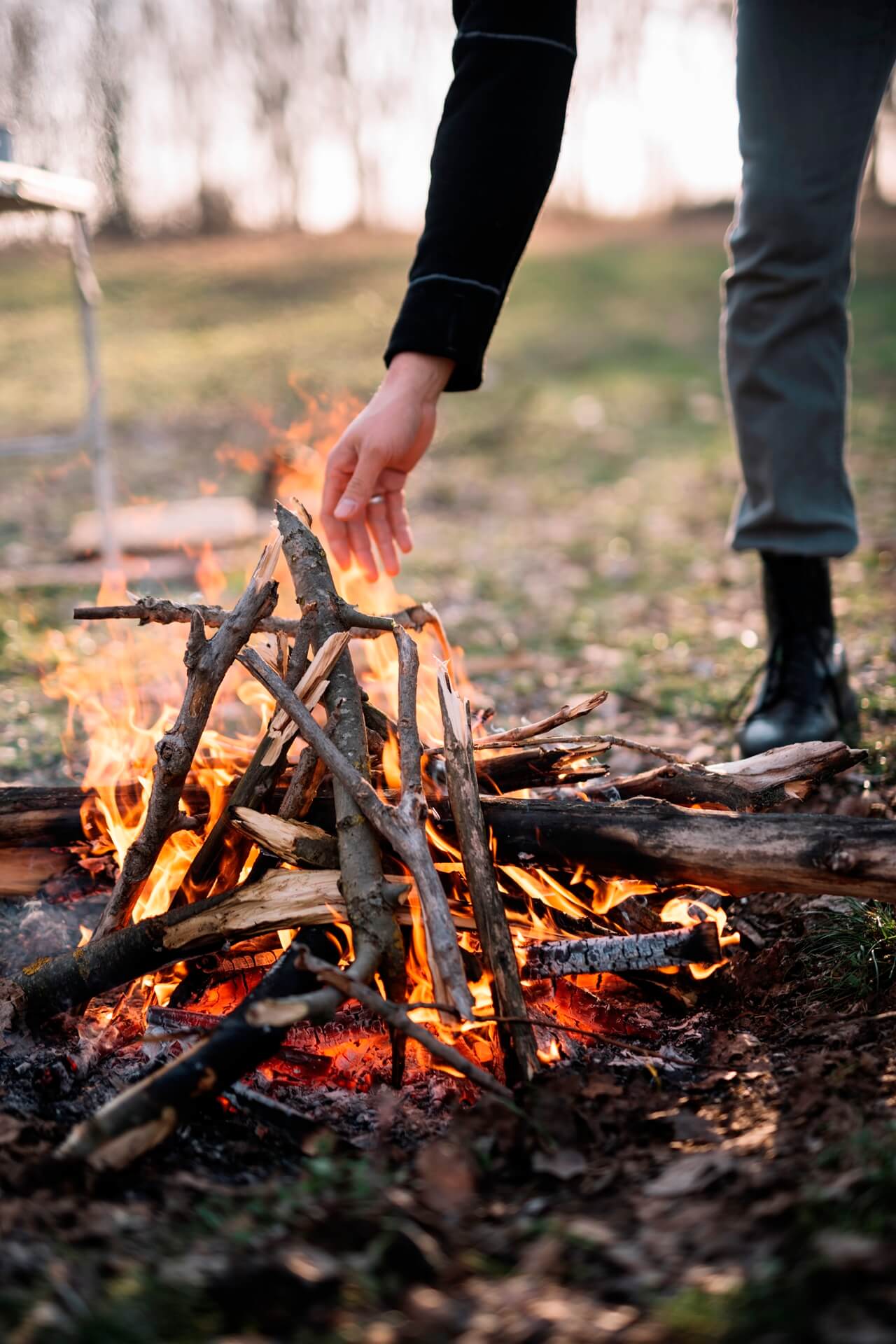
The ability to make fire is arguably the most critical bushcraft skill. Fire provides warmth, allows you to cook food, purify water, signal for help, and offers psychological comfort. Mastering various fire-starting methods, from using a ferro rod to primitive friction-based techniques, is essential. Understanding how to gather and prepare tinder, kindling, and fuel is equally important for ensuring a successful fire.
- Learn to identify and prepare natural tinder (e.g., birch bark, dry grass, cottonwood fluff).
- Practice with different ignition sources (ferro rod, matches, lighters).
- Understand the “fire triangle”: fuel, oxygen, and heat.
- Develop techniques for building various fire structures (e.g., teepee, log cabin).
2. Shelter Building: Protection from the Elements
A good shelter is crucial for protection against rain, wind, cold, and sun. Learning to construct natural shelters using materials found in the environment is a fundamental bushcraft skill. Whether it’s a lean-to, a debris hut, or an A-frame, understanding principles of insulation and waterproofing will keep you safe and comfortable.
- Assess your environment for suitable locations and natural building materials.
- Learn techniques for creating waterproof roofing and insulating walls.
- Prioritize safety and stability in shelter construction.
- Consider the duration of your stay when designing your shelter.
3. Water Procurement and Purification: Staying Hydrated
Access to clean drinking water is vital for survival. Bushcraft teaches you how to locate water sources like streams, springs, and dew, and how to make it safe to drink. This includes boiling water, using water filters, or employing natural purification methods.
- Identify potential water sources in different terrains.
- Learn the importance of boiling water for at least one minute.
- Explore natural filtration methods using sand, charcoal, and gravel.
- Understand the risks associated with untreated water.
4. Foraging and Food Identification: Sustenance from Nature
While not always immediately life-saving, the ability to identify and safely consume edible plants, berries, and fungi can significantly supplement your food supply. This skill requires careful study and practice, as misidentification can be dangerous. Focus on learning common, easily identifiable edible plants in your local area first.
- Begin with easily recognizable edible plants.
- Always practice the Universal Edibility Test if unsure (with extreme caution).
- Learn about poisonous look-alikes.
- Understand seasonal availability of wild edibles.
5. Knots and Cordage: Essential for Many Tasks
Proficiency in tying various knots is indispensable for shelter building, setting up camp, securing gear, and countless other tasks. Learning to make natural cordage from plant fibers can also be a valuable skill when modern rope is unavailable.
- Master essential knots like the bowline, clove hitch, and square knot.
- Practice making cordage from plant materials like nettles or inner bark.
- Understand the strengths and applications of different knots.
Getting Started with Bushcraft: Practical Steps
Starting your bushcraft journey doesn’t require immediate immersion in the wilderness. You can begin developing your skills in a safe and controlled environment, gradually increasing your challenges as you gain confidence.
1. Research and Education: Build Your Knowledge Base
Dive into books, reputable online resources, and documentaries about bushcraft, survival, and wilderness skills. Understanding the theory behind each skill is crucial before attempting practical application. Focus on understanding the “why” behind each technique.
2. Practice in a Safe Environment
Start practicing in your backyard, a local park, or a designated campsite. Focus on mastering one skill at a time, such as fire-making or building a simple shelter. This allows you to experiment and learn without the pressure of a survival situation.
3. Invest in Essential Gear (Wisely)
While bushcraft emphasizes using natural materials, certain tools can greatly aid your learning process. A good knife, a ferro rod, a small saw, and a pot for boiling water are excellent starting points. Avoid overspending on unnecessary gadgets; focus on quality, durable essentials.
4. Seek Mentorship or Join a Community
If possible, find experienced bushcrafters or survival instructors who can provide guidance and feedback. Joining local bushcraft clubs or online communities can offer valuable support, knowledge sharing, and opportunities for practical experience.
5. Go on Guided Expeditions and Courses
Consider enrolling in beginner bushcraft or wilderness survival courses. These structured learning experiences provide hands-on training under expert supervision, accelerating your learning curve and building confidence in a safe setting.
The Long-Term Benefits of Bushcraft
Learning bushcraft offers far more than just the ability to survive in the wild. It cultivates resilience, problem-solving abilities, and a deep connection to the natural world. It fosters self-reliance, enhances situational awareness, and promotes a greater appreciation for the environment. By understanding and practicing bushcraft, you gain not only practical skills but also a profound sense of accomplishment and a richer outdoor experience.
Are you ready to embark on your bushcraft adventure? Start small, stay consistent, and embrace the journey of learning and discovery in the great outdoors!