
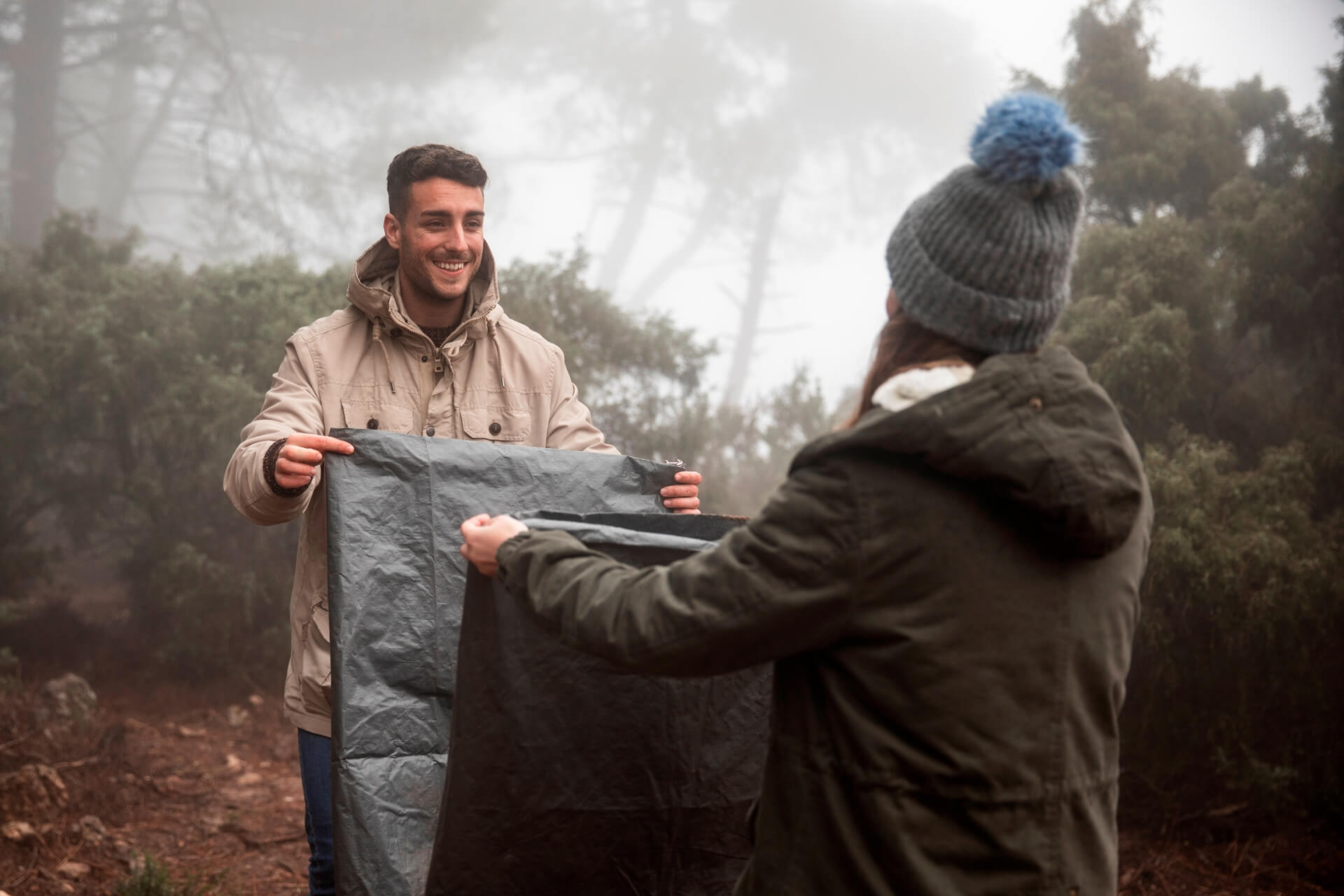
How to Survive Alone in the Forest for 72 Hours
Can you survive alone in the wilderness for 72 hours? This guide unlocks essential outdoor survival skills and an adventure lifestyle approach to confidently navigate the forest and overcome the challenges of solitary survival. Preparing for a 72-hour solo survival situation in the forest is a test of your knowledge, resilience, and resourcefulness. It’s more than just having the right gear; it’s about understanding the fundamental principles of wilderness survival and adopting an adventure lifestyle that embraces preparedness.
Essential Outdoor Survival Skills for 72 Hours
Surviving alone in the forest for three days requires a focused approach to immediate needs: shelter, water, fire, and signaling. Each element plays a critical role in your overall safety and well-being. Mastering these outdoor survival skills will significantly increase your chances of a successful and safe return.
1. Shelter: Your First Priority
Protection from the elements is paramount. Hypothermia and exposure can set in quickly, even in milder conditions. Your primary goal is to create a shelter that insulates you from the ground and shields you from wind and rain.
- **Location Selection:** Choose a site that is relatively flat, dry, and sheltered from prevailing winds. Avoid areas prone to flash floods or falling debris. Proximity to water and firewood is beneficial, but safety comes first.
- **Natural Shelters:** Utilize natural features like rock overhangs, dense thickets, or large fallen trees. These can provide a head start in shelter construction.
- **Building a Debris Hut:** A simple A-frame or lean-to structure using fallen branches, leaves, moss, and pine needles can be effective. The thicker the insulation, the warmer you will be. Aim for at least two feet of debris cover.
- **Ground Insulation:** Never sleep directly on the ground. Create a thick layer of dry leaves, pine needles, or grass to insulate yourself from the cold earth.
Securing Potable Water Sources
Dehydration can incapacitate you within a day. Finding and purifying water is a critical survival skill. While the human body can survive longer without food, water is essential for cognitive function and physical endurance.
- **Identifying Water Sources:** Look for streams, rivers, lakes, or even areas where water might collect after rain. In drier conditions, dew collection or digging in damp soil can yield small amounts of water.
- **Water Purification:** Never drink untreated water from natural sources. Boiling is the most effective purification method. If you cannot make a fire, using a water filter or purification tablets is essential. Even clear-looking water can contain harmful microorganisms.
- **Rainwater Collection:** Use any available containers or large leaves to collect rainwater. This is generally the safest water source if you can collect it directly.
Mastering Fire Starting Techniques
Fire provides warmth, allows you to boil water, cook food, signal for help, and offers psychological comfort. Knowing how to start a fire with limited resources is a fundamental wilderness survival skill.
- **Tinder, Kindling, and Fuel:** Gather dry, fine material for tinder (e.g., birch bark shavings, dry grass, cottonwood fuzz), small twigs for kindling, and larger branches for fuel. Ensure everything is as dry as possible.
- **Ignition Methods:** Practice with various methods: a reliable lighter, waterproof matches, a ferrocerium rod, or even friction-based methods if you are experienced. Always protect your ignition source from moisture.
- **Site Preparation:** Clear a safe area around your fire pit to prevent the spread of flames. Build a small, efficient fire that conserves fuel.
Signaling for Rescue
If you are in a genuine survival situation, being able to signal for help can be lifesaving. Having a plan for signaling is part of a comprehensive 72-hour survival plan.
- **Visual Signals:** Create large “SOS” or “X” symbols on the ground using rocks, logs, or contrasting vegetation. Use a signal mirror to reflect sunlight towards potential rescuers or aircraft. Three fires in a triangle or three whistle blasts are universal distress signals.
- **Auditory Signals:** A loud whistle can carry for long distances. Yelling at intervals can also attract attention, but conserve your energy.
- **Smoke Signals:** During the day, a smoky fire can be an effective visual signal. Add green vegetation to your fire to create more smoke.
Food Considerations for Short-Term Survival
While not as immediately critical as water or shelter for a 72-hour period, knowing how to forage or hunt for food can supplement your energy reserves. However, prioritizing safety and avoiding poisonous plants or risky hunting situations is crucial.
- **Edible Plants:** Learn to identify common edible plants in your region. If you are unsure, do not eat it. The universal edibility test can be used in dire situations, but it is time-consuming and carries risks.
- **Insects and Grubs:** Many insects are a good source of protein. Ensure they are cooked before consumption.
- **Fishing and Trapping:** If you have the knowledge and tools, small game trapping or fishing can provide sustenance. However, focus on core survival needs first.
Mental Fortitude and Adventure Lifestyle
The ability to remain calm under pressure is as vital as any physical skill. A positive mental attitude and an adventure lifestyle that embraces preparedness can make all the difference.
- **Stay Calm and Focused:** Panic is your enemy. Take deep breaths, assess your situation logically, and focus on one task at a time.
- **Maintain a Positive Outlook:** Believe in your ability to survive. Visualize your successful return.
- **Adaptability:** Be prepared to adjust your plans based on changing conditions and available resources.
- **Continuous Learning:** Embrace the adventure lifestyle by continuously learning and practicing survival skills. The more prepared you are, the more confident you will be.
Surviving alone in the forest for 72 hours is a challenging but achievable goal with the right knowledge and mindset. Prioritize shelter, water, fire, and signaling, and always maintain a calm, adaptable approach. This adventure lifestyle of preparedness ensures you can confidently face the wilderness.
Share your own forest survival tips in the comments below! What are your essential outdoor survival skills?