
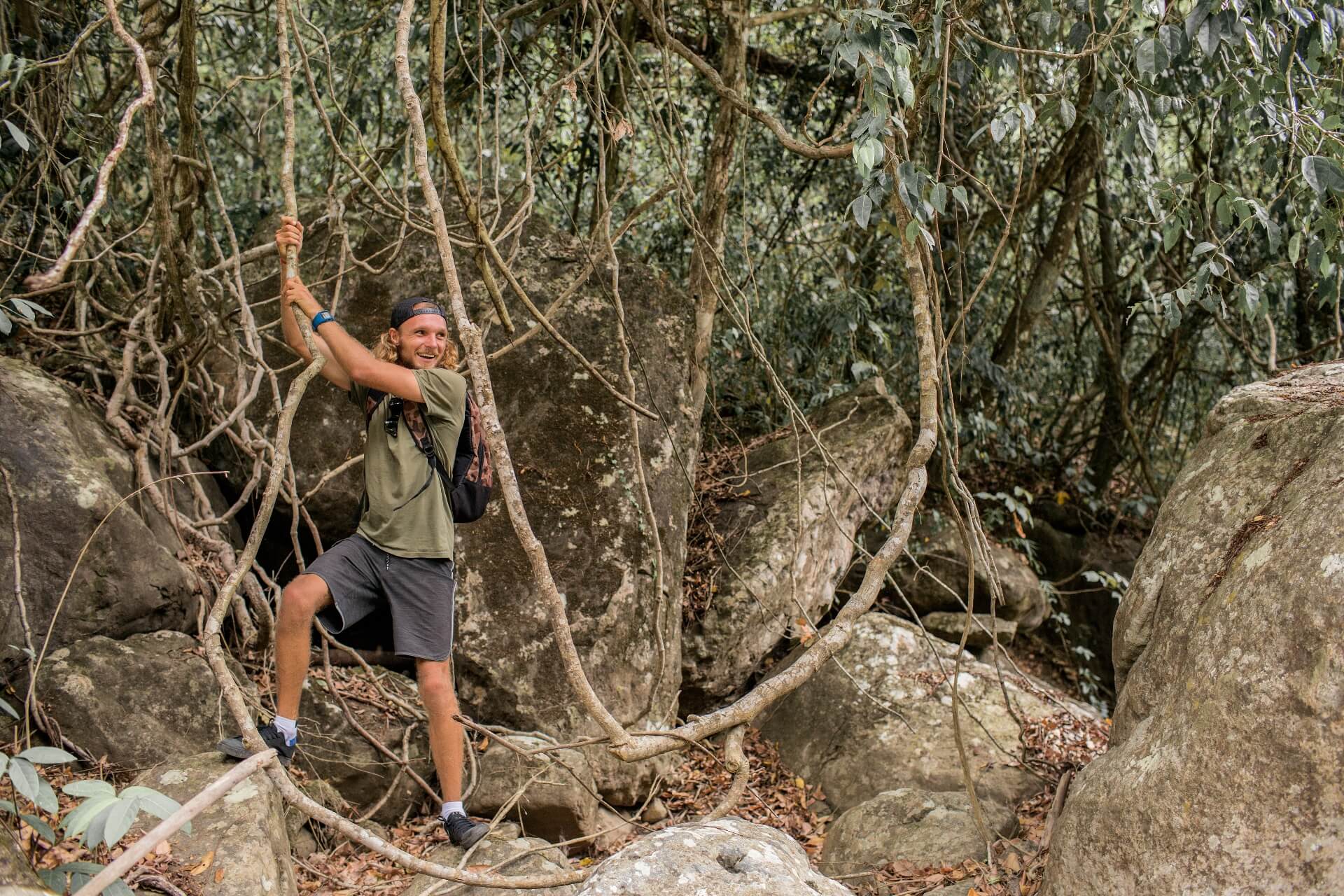
The Art of Staying Calm Under Pressure Outdoors
Ever wondered how to keep your cool when the wilderness throws its worst at you? Discover essential outdoor survival skills and master the art of staying calm under pressure, transforming your adventure lifestyle.
Understanding the Physiology of Stress in Outdoor Environments
When faced with unexpected challenges in the great outdoors, our bodies react instinctively. This is often referred to as the “fight or flight” response, a primal survival mechanism. Adrenaline and cortisol flood our system, increasing heart rate, sharpening senses, and preparing us for immediate action. While beneficial in acute danger, prolonged or uncontrolled stress can lead to poor decision-making, impaired cognitive function, and physical exhaustion. Recognizing the physiological signs of stress—such as rapid breathing, muscle tension, or a racing mind—is the first step in managing it effectively.
The Impact of Environmental Factors on Stress Levels
The wilderness is inherently unpredictable. Factors like extreme weather conditions (sudden storms, intense heat or cold), challenging terrain, disorientation, or the unexpected presence of wildlife can significantly amplify stress. Furthermore, isolation, darkness, and the sheer scale of natural environments can trigger feelings of vulnerability and anxiety. Understanding how these external elements contribute to your internal stress response is crucial for developing coping strategies.
Essential Outdoor Survival Techniques for Stress Management
Effective stress management in outdoor survival situations is not about eliminating fear, but about controlling your reaction to it. This involves a combination of mental preparedness, practical skills, and mindful practices.
Mindfulness and Grounding Techniques
When your mind races with worst-case scenarios, grounding yourself in the present moment can be incredibly powerful. Simple mindfulness exercises can help. Focus on your senses: what do you see, hear, smell, feel? Deep, controlled breathing is a cornerstone of stress reduction. Inhale deeply through your nose, hold for a few seconds, and exhale slowly through your mouth. This deliberate act can signal your nervous system to calm down. Repeating a calming mantra or focusing on a single, achievable task can also help to anchor your thoughts and reduce overwhelming feelings.
Problem-Solving and Decision-Making Under Duress
Panic breeds poor decisions. Developing a systematic approach to problem-solving is key. Break down complex situations into smaller, manageable steps. Prioritize immediate needs: shelter, water, safety. Avoid impulsive actions. If possible, take a moment to assess the situation calmly before acting. Practice this mental discipline even in low-stakes situations during your adventures. This builds mental resilience that will serve you well in emergencies.
Practical Strategies for Maintaining Composure
Beyond mental techniques, certain practical skills and preparations directly contribute to a sense of control and reduce stress.
The Importance of Preparation and Planning
Thorough preparation is arguably the most effective stress reducer in outdoor adventure. This includes:
- Thorough research of the area and potential hazards.
- Having appropriate gear for the expected conditions and potential emergencies.
- Developing a clear itinerary and informing someone of your plans.
- Acquiring essential survival skills like navigation, first aid, and shelter building.
When you feel prepared, you inherently feel more confident and less susceptible to panic when unexpected events occur.
Building Physical and Mental Resilience
Regular engagement with outdoor activities, gradually increasing the difficulty and duration of your excursions, builds both physical stamina and mental toughness. Overcoming smaller challenges in a controlled environment trains your mind and body to handle adversity. Physical fitness also plays a significant role; being physically capable reduces the likelihood of becoming exhausted or injured, which are major stress triggers.
Conclusion: Embracing the Challenge with a Calm Mind
Mastering the art of staying calm under pressure outdoors is an ongoing journey, not a destination. It requires consistent practice, a commitment to preparation, and a willingness to learn from every experience, both positive and negative. By understanding the nature of stress and employing practical techniques and survival skills, you can transform potentially overwhelming situations into opportunities for growth and deeper connection with the wilderness. This heightened resilience not only enhances your safety but also enriches your entire outdoor adventure lifestyle, allowing you to embrace challenges with confidence and a clear mind.
What are your go-to strategies for staying calm in the wild? Share your experiences and tips in the comments below!