
The Difference Between Bushcraft and Survival Skills
Embark on a journey into the wild and discover the profound differences between bushcraft and survival skills. Uncover the essence of self-reliance and embrace the spirit of outdoor adventure as you explore the wilderness. While often used interchangeably, these two disciplines offer distinct approaches to engaging with the natural world.
Understanding Bushcraft Skills
Bushcraft is fundamentally about living in harmony with nature, utilizing the resources the environment provides to create tools, shelter, and comfort. It’s a proactive approach, focusing on developing skills that enhance outdoor living, making it more enjoyable and sustainable. Bushcraft emphasizes craftsmanship, ingenuity, and a deep understanding of natural materials. Think of it as the art of living comfortably and resourcefully in a natural setting, long-term.
Key Components of Bushcraft
- Shelter Building: Constructing durable and comfortable shelters using natural materials like branches, leaves, and earth.
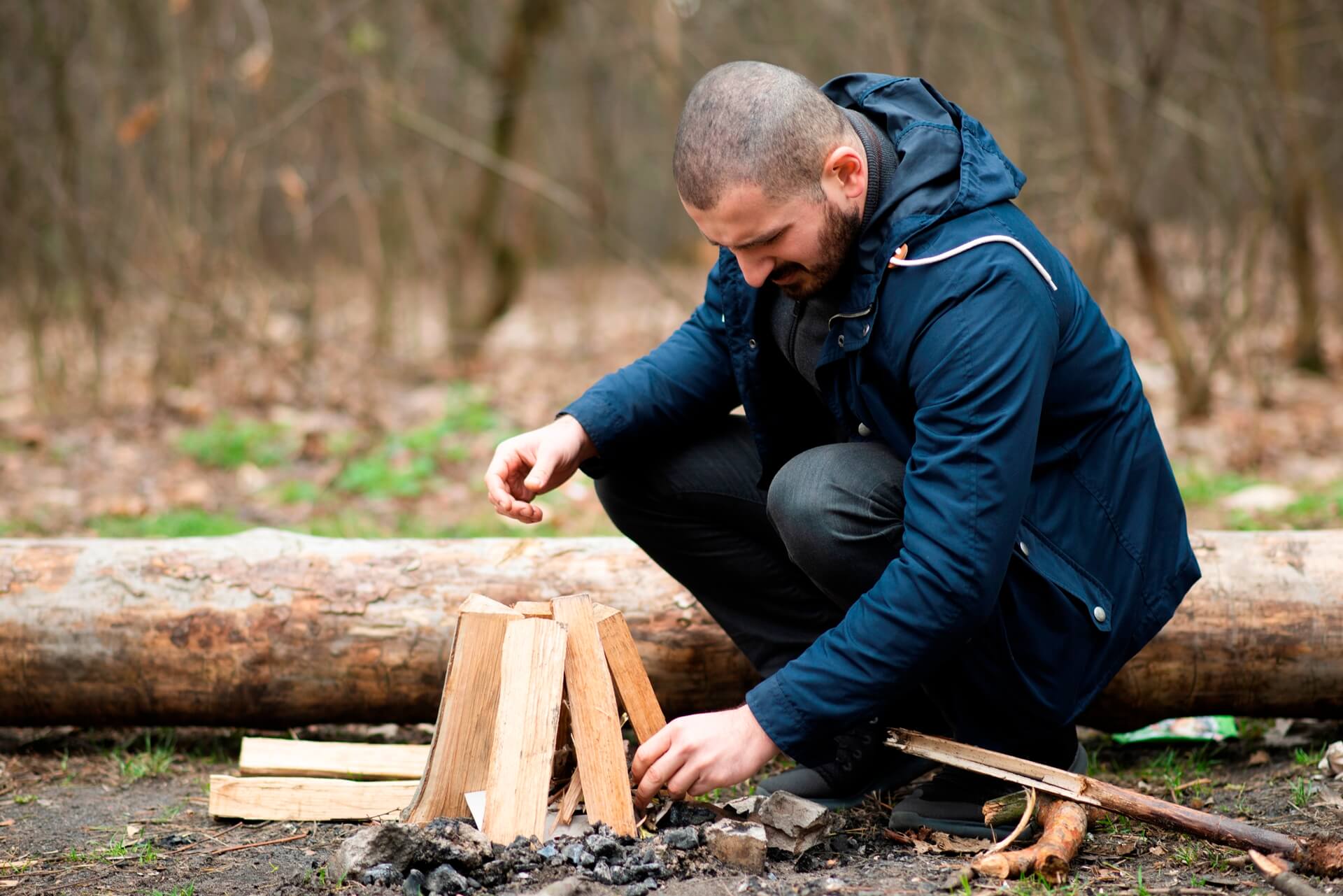
- Fire Making: Mastering various techniques to start and maintain fires using natural tinder and different ignition methods.
- Tool Crafting: Creating essential tools from wood, stone, bone, and other found materials – knives, containers, cordage, etc.
- Foraging and Food Procurement: Identifying and utilizing edible plants, as well as understanding natural hunting and fishing techniques.
- Navigation: Developing skills to navigate using natural landmarks, the sun, stars, and other environmental cues.
- Knot Tying and Cordage Making: Creating strong and versatile ropes and mastering essential knots for various applications.
Defining Survival Skills
Survival skills, on the other hand, are primarily focused on immediate needs during an unexpected emergency or crisis situation. The goal is to stay alive and safe until rescue arrives or the situation is resolved. Survival skills are reactive and prioritize immediate threats and critical necessities. This is about enduring, not necessarily thriving, in a hostile environment.
Essential Survival Priorities
- Immediate Safety: Assessing and mitigating immediate dangers such as environmental hazards, aggressive wildlife, or injuries.
- Shelter (Temporary): Creating a basic, quick shelter to protect against the elements, focused on conserving body heat.
- Water Procurement: Finding and purifying safe drinking water sources as dehydration is a critical and rapid threat.
- Fire (for Warmth/Signaling): Starting a fire quickly for warmth, signaling, and potentially cooking if safe.
- Signaling for Help: Employing methods to attract attention and communicate distress to potential rescuers.
- First Aid: Managing injuries and medical emergencies with limited resources.
Bushcraft vs. Survival: The Core Differences
The fundamental distinction lies in their purpose and mindset. Bushcraft is about voluntary engagement with the outdoors, aiming to enhance the experience and live sustainably. Survival is about involuntary circumstances, where the primary objective is to overcome a life-threatening situation.
A bushcrafter might spend days building an elaborate, comfortable shelter as a project and a way to practice skills. A survivor in the same situation would build the quickest, most basic shelter possible to survive the night. Similarly, a bushcrafter might spend hours crafting a beautiful wooden bowl, while a survivor would use any available container, even a cupped hand, for water.
The Interplay Between Bushcraft and Survival
While distinct, bushcraft and survival skills are deeply interconnected. The practice and mastery of bushcraft skills provide a significant advantage in a survival situation. Someone proficient in bushcraft will likely possess a better understanding of natural resources, fire-making, shelter construction, and tool improvisation, all of which are crucial for survival. Essentially, bushcraft builds a strong foundation of knowledge and ability that can be readily applied when the unexpected happens.
Embracing the Outdoor Adventures Lifestyle
For many, the appeal of the wilderness lies in the opportunity for outdoor adventures and to reconnect with nature. Whether through the mindful practice of bushcraft or the preparedness demanded by survival, engaging with the wild fosters self-reliance, resilience, and a deeper appreciation for the environment. Understanding the nuances between bushcraft and survival skills allows individuals to approach their chosen outdoor pursuits with clarity and purpose.
In conclusion, bushcraft is the art of living with nature, focusing on skill development and sustainable practices for a richer outdoor experience. Survival skills are the critical tools needed to overcome immediate life-threatening emergencies. Both are valuable, and the robust skillset developed through bushcraft can be a life-saving asset in a survival scenario, enhancing the overall outdoor adventures and wilderness survival lifestyle.
Share your experiences with bushcraft and survival in the comments below!