Top Emergency Cooking Methods Without Electricity
When the unexpected happens and the power grid fails, staying nourished is paramount. This guide delves into the most effective emergency cooking methods, ensuring you can prepare safe and satisfying meals even when electricity is off the table. It’s about more than just survival; it’s about maintaining comfort and morale during challenging times, integrating essential outdoor survival skills with the adventurous spirit of an off-grid lifestyle.
1. The Classic Campfire Cookout
The most primal and often the most accessible method, cooking over a campfire harnesses the raw power of open flames. It’s a cornerstone of outdoor survival cooking and offers a unique flavor profile to your meals.
Campfire Preparation and Safety
Before you even think about cooking, safety is key. Clear a 10-foot radius around your fire pit of any flammable materials. Dig a shallow pit or use a designated fire ring. Gather plenty of dry firewood, ranging from small tinder and kindling to larger logs that will sustain the fire. Learn to control the heat by managing the amount of wood and airflow. For cooking, you’ll want coals rather than active flames for more consistent heat.
Cooking Techniques
- Direct Grilling: Place food directly over hot coals using skewers or a grill grate. This is excellent for meats, vegetables, and even some fruits.
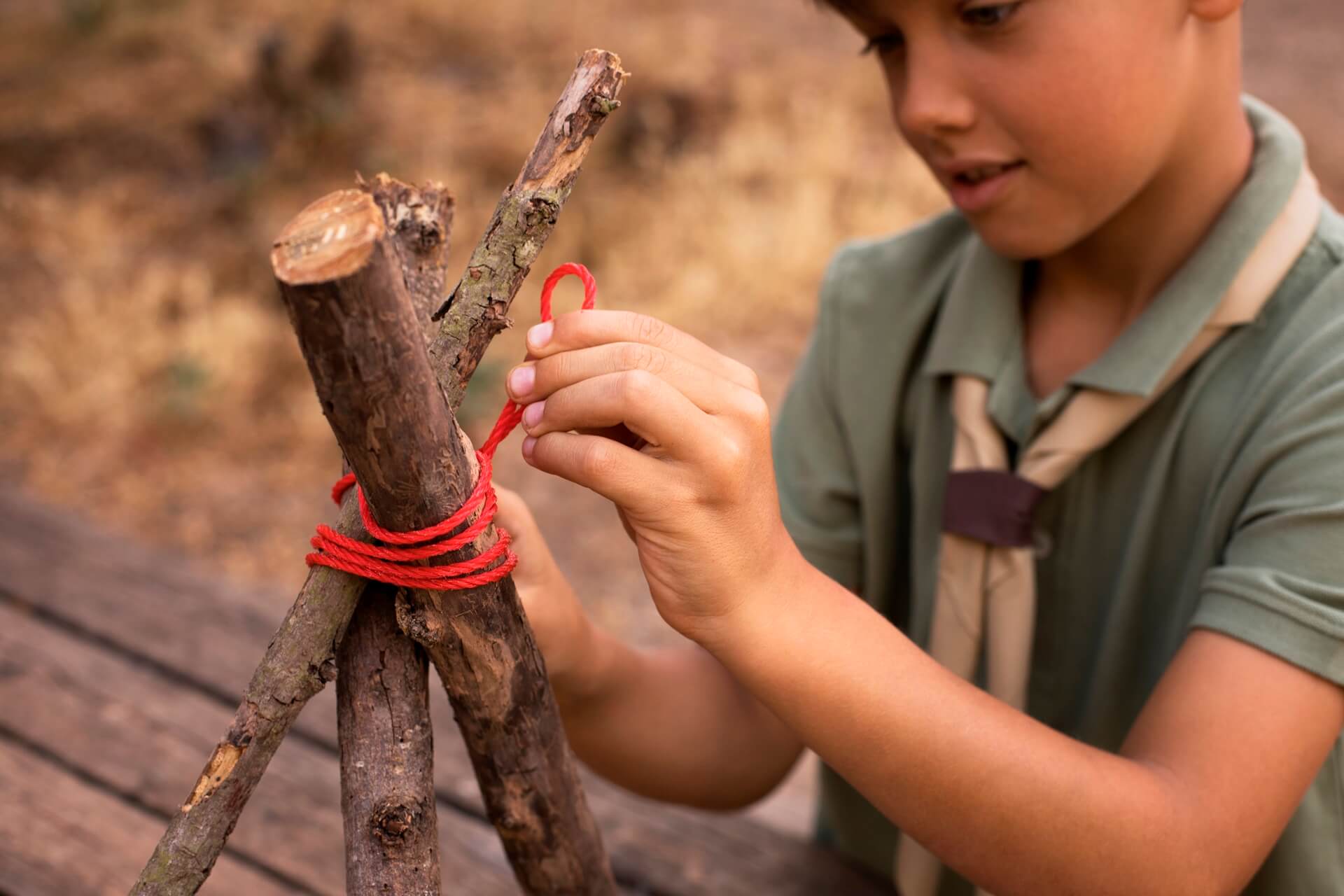
- Pot Cooking: Suspend a pot or Dutch oven over the fire using a tripod or place it directly on stable coals. Ideal for stews, soups, boiling water, and baking.
- Foil Packet Meals: Wrap ingredients like vegetables, fish, or seasoned meats in heavy-duty aluminum foil and place them directly in the coals. This method steams the food, retaining moisture and flavor.
2. Portable Propane or Butane Stoves
These compact and efficient stoves are a staple for campers and preppers alike. They offer controlled heat and are relatively easy to use, making them ideal for emergency food preparation.
Choosing the Right Stove
There are various types, including single-burner stoves, two-burner propane stoves (similar to what you’d use for camping), and smaller canister stoves that connect directly to a fuel source. Consider fuel availability, portability, and cooking capacity when making your choice. Stocking up on spare fuel canisters is crucial for long-term off-grid cooking.
Tips for Efficient Use
Use a windscreen to protect the flame from gusts of wind, which significantly improves efficiency. Pair your stove with appropriate cookware, such as lightweight pots and pans. Practice using your stove before an emergency to become familiar with its operation and heat regulation.
3. Rocket Stoves: Efficiency in a Small Package
Rocket stoves are highly efficient wood-burning stoves that use a simple design to create a strong, concentrated flame with minimal fuel. They are excellent for boiling water and cooking small meals.
How Rocket Stoves Work
A well-designed rocket stove features an insulated combustion chamber and a vertical “chimney” that creates a strong draft. This draft pulls air into the fire, allowing for complete combustion and a very hot, clean-burning flame. They are remarkably fuel-efficient, requiring only small amounts of twigs and small branches.
DIY and Commercial Options
You can build a functional rocket stove yourself using readily available materials like tin cans, bricks, or even clay. Alternatively, many durable and portable commercial rocket stoves are available, offering a convenient solution for emergency cooking. Their small size makes them easy to store and deploy.
4. Solar Cooking: Harnessing the Sun’s Power
Solar ovens utilize the sun’s energy to cook food. While they require sunlight and can take longer to cook, they are silent, produce no emissions, and require no fuel, making them an excellent sustainable option for off-grid cooking.
Types of Solar Cookers
- Box Cookers: These are insulated boxes with a transparent lid and reflective panels to direct sunlight into the box. They can reach temperatures high enough to bake and roast.
- Parabolic Cookers: These use a parabolic reflector to concentrate sunlight onto a small focal point, achieving very high temperatures quickly, suitable for frying and boiling.
Maximizing Solar Cooking Performance
Position your solar cooker to face the sun directly and adjust its orientation throughout the day as the sun moves. Use dark, lidded pots to absorb heat efficiently. While dependent on weather, solar cooking is a valuable addition to your emergency food preparation arsenal, especially in sunny climates.
5. Alternative Fuel Sources and Methods
In a true emergency, creativity with fuel can be essential. Beyond traditional methods, consider these less common but viable options.
Paraffin Heaters and Sterno Cans
Small, portable paraffin heaters or Sterno (chafing fuel) cans can be used to heat small amounts of food or boil water. They are compact and easy to store, but their cooking capacity is limited. Ensure good ventilation when using these fuels indoors.
Dutch Ovens on Coals or Hot Rocks
A cast-iron Dutch oven is incredibly versatile. It can be placed on a bed of hot coals, have coals placed on its lid for “oven-style” baking, or even be heated by surrounding it with hot rocks that have been heated in a fire. This makes it a robust tool for various emergency cooking scenarios.
Conclusion: Preparedness is Key
Mastering emergency cooking methods is a critical component of any survival skill set. Whether it’s the primal warmth of a campfire, the convenience of a propane stove, the efficiency of a rocket stove, or the sustainability of solar cooking, having multiple options ensures you can adapt and thrive. These techniques are not just for dire situations; they enhance your outdoor adventures and build self-reliance. Practice these skills regularly, store necessary fuel and equipment, and you’ll be well-prepared to face any power outage or off-grid challenge, ensuring nourishment and comfort are always within reach.
What are your favorite emergency cooking methods? Share your experiences and tips in the comments below!