
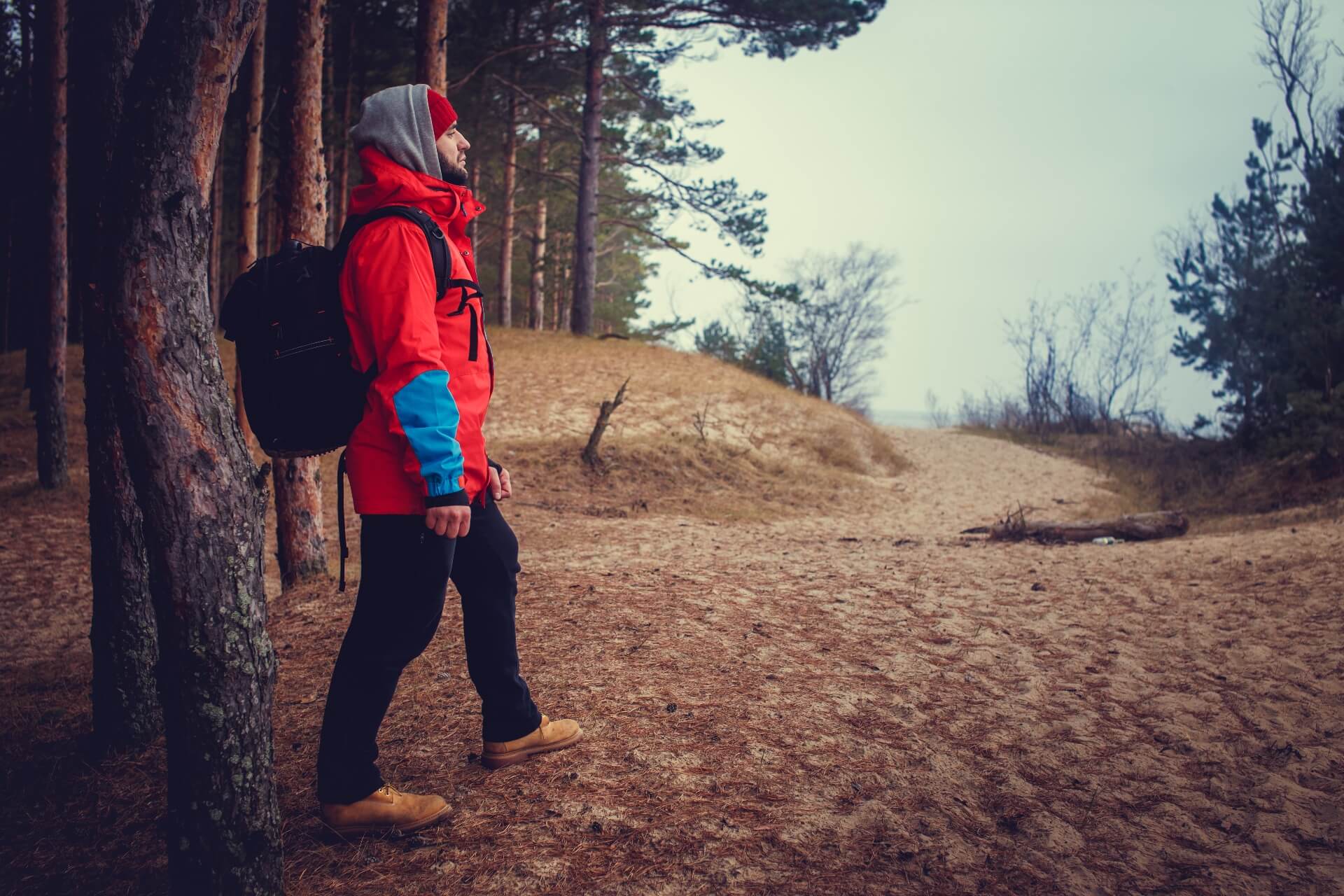
What to Pack in a Reliable Survival Backpack: Essential Outdoor Gear
Embarking on an outdoor adventure or preparing for unexpected emergencies requires careful planning, and a well-packed survival backpack is your most crucial companion. This guide delves into the essential survival gear and bug out bag checklists, ensuring your emergency preparedness pack is equipped for any scenario, from wilderness survival to unexpected disruptions. Mastering the wilderness starts with understanding what to pack for your survival backpack.
The Core Philosophy of a Survival Backpack
A survival backpack, often referred to as a “bug out bag” or “get-home bag,” is designed to provide you with the necessary tools and supplies to sustain yourself for a defined period, typically 72 hours, in an emergency situation. The core philosophy revolves around self-sufficiency, mobility, and adaptability. It’s not just about carrying items; it’s about having the right items that serve multiple purposes and are organized for quick access. When considering outdoor survival essentials, think about the “10 Cs of Survivability”: Cutting tool, Combustion device, Cover, Container, Cordage, Candle, Cotton bandanas, Compass, Camera, and Crutches. While this list is a starting point, modern survival gear expands upon these foundational principles.
Essential Survival Gear for Your Backpack
Building a reliable survival backpack involves a systematic approach to covering fundamental needs. These include shelter, water, fire, food, first aid, navigation, and signaling. Each category requires specific items that are lightweight, durable, and effective.
Shelter and Warmth
Protection from the elements is paramount. Hypothermia is a significant threat in outdoor environments. Your survival gear should include solutions for maintaining body temperature and creating a safe haven.
- Tarp or Bivvy Sack: A lightweight, waterproof tarp can be configured in numerous ways to provide shelter. A bivvy sack offers a more enclosed, insulated option.
- Emergency Blanket (Mylar): These compact blankets reflect body heat and are crucial for preventing heat loss.
- Warm Clothing Layers: Pack synthetic or wool base layers, an insulating mid-layer (fleece or down), and a waterproof/windproof outer shell. Avoid cotton, as it loses its insulating properties when wet.
- Hat and Gloves: Essential for retaining body heat.
Water Purification and Hydration
Access to clean drinking water is non-negotiable for survival. You need methods to both carry and purify water.
- Water Bottles or Hydration Reservoir: Carry at least 2-3 liters of water initially.
- Water Filter or Purifier: A portable water filter can remove bacteria and protozoa. Chemical purification tablets (iodine or chlorine dioxide) are a lightweight backup.
- Metal Container (Pot or Canteen): This can be used to boil water for purification, which is the most reliable method.
Fire Starting Capabilities
Fire provides warmth, a means to purify water, cook food, signal for help, and offers psychological comfort. Redundancy is key here.
- Lighter: A reliable butane lighter is a primary tool.
- Waterproof Matches: Store them in a waterproof container.
- Ferrocerium Rod (Ferro Rod) with Striker: This works even when wet and is a long-lasting ignition source.
- Tinder: Cotton balls soaked in petroleum jelly, commercial fire starters, or dry natural materials like birch bark are excellent.
Food and Nutrition
While you can survive for a few weeks without food, having high-energy, non-perishable food items is important for maintaining strength and morale.
- High-Calorie Energy Bars: Choose bars with a good balance of carbohydrates, protein, and fats.
- Dehydrated Meals: Lightweight and require only hot water.
- Nuts and Dried Fruit: Excellent sources of energy and nutrients.
- Jerky: Provides protein and is shelf-stable.
Navigation and Signaling for Outdoor Survival
Knowing where you are and being able to signal for rescue are vital skills and tools for your survival backpack.
- Map of the Area: A physical map is essential, as electronic devices can fail.
- Compass: Learn how to use it in conjunction with your map. A baseplate compass is recommended.
- GPS Device or Smartphone with Offline Maps: While not a replacement for a map and compass, a GPS can be a valuable tool. Ensure it has extra batteries or a power bank.
- Whistle: Three short blasts are a universal distress signal.
- Signal Mirror: Can be seen from miles away on a sunny day.
- Headlamp or Flashlight with Extra Batteries: Crucial for visibility and signaling at night.
First Aid and Hygiene
A comprehensive first-aid kit can mean the difference between a minor inconvenience and a life-threatening situation. Good hygiene also plays a role in preventing illness.
- Comprehensive First-Aid Kit: Include bandages, gauze, medical tape, antiseptic wipes, pain relievers, antihistamines, any personal medications, trauma shears, tweezers, and a tourniquet.
- Hand Sanitizer: For maintaining hygiene when water is scarce.
- Biodegradable Soap: For personal cleaning.
- Toothbrush and Toothpaste: For maintaining oral hygiene.
Tools and Miscellaneous Items
These items enhance your capabilities and provide solutions for various challenges encountered during outdoor survival.
- Multi-tool or Knife: A robust knife or multi-tool is indispensable for countless tasks.
- Duct Tape: Incredibly versatile for repairs.
- Cordage (Paracord): Strong and useful for building shelters, repairs, and countless other applications.
- Work Gloves: Protect your hands during manual labor.
- Sewing Kit: For repairing gear.
- Cash and Identification: Keep copies in a waterproof bag.
- Firearm and Ammunition (if applicable and legal): For defense or hunting, depending on your location and training.
Packing Your Survival Backpack: Organization and Accessibility
The effectiveness of your survival backpack hinges on how well it’s packed. Items should be organized for easy access, with frequently needed items on top or in easily accessible pockets. Use dry bags or waterproof stuff sacks to protect critical gear like your sleeping bag, extra clothing, and fire-starting materials from moisture.
Prioritize items based on immediate need. Water, fire, and a basic shelter solution should be readily available. Consider the weight – you’ll be carrying this pack, so aim for a balance between preparedness and portability. Regularly inspect your backpack’s contents, replacing expired items (like food and medications) and checking batteries.
Conclusion: Your Preparedness is Key
A well-assembled survival backpack is a cornerstone of emergency preparedness and outdoor adventure readiness. By carefully selecting and packing essential survival gear, you equip yourself with the means to overcome challenges and ensure your safety in the wilderness. Remember that skills are just as important as gear; practice using your equipment and understanding basic survival techniques. Your bug out bag checklist is a living document, ready to be refined as you gain experience and your needs evolve. Being prepared for your next outdoor adventure or unexpected event is not just smart; it’s essential.
What are your must-have items in a survival backpack? Share your thoughts and tips in the comments below!