The campaign ends, but uncertainty remains
A battle might settle control of a road, town or province without settling what happened next. Once an army held territory, its leaders had to govern people as well as command troops. Residents had more immediate concerns: whether they could reach their fields, keep their homes, trade at a market or obtain help from familiar officials. The shift from campaign to occupation was therefore not a clean break. Military needs continued while an altered civil order took shape.
Occupations differed widely in purpose and duration. Some forces intended to hold territory permanently; others sought a temporary advantage or expected a later political settlement. The experience also varied within the same occupied area. A town hosting a garrison might face different demands from an outlying village. Asking who held authority, for how long and over which places is more useful than assuming a single pattern of occupation.
Governing through existing institutions
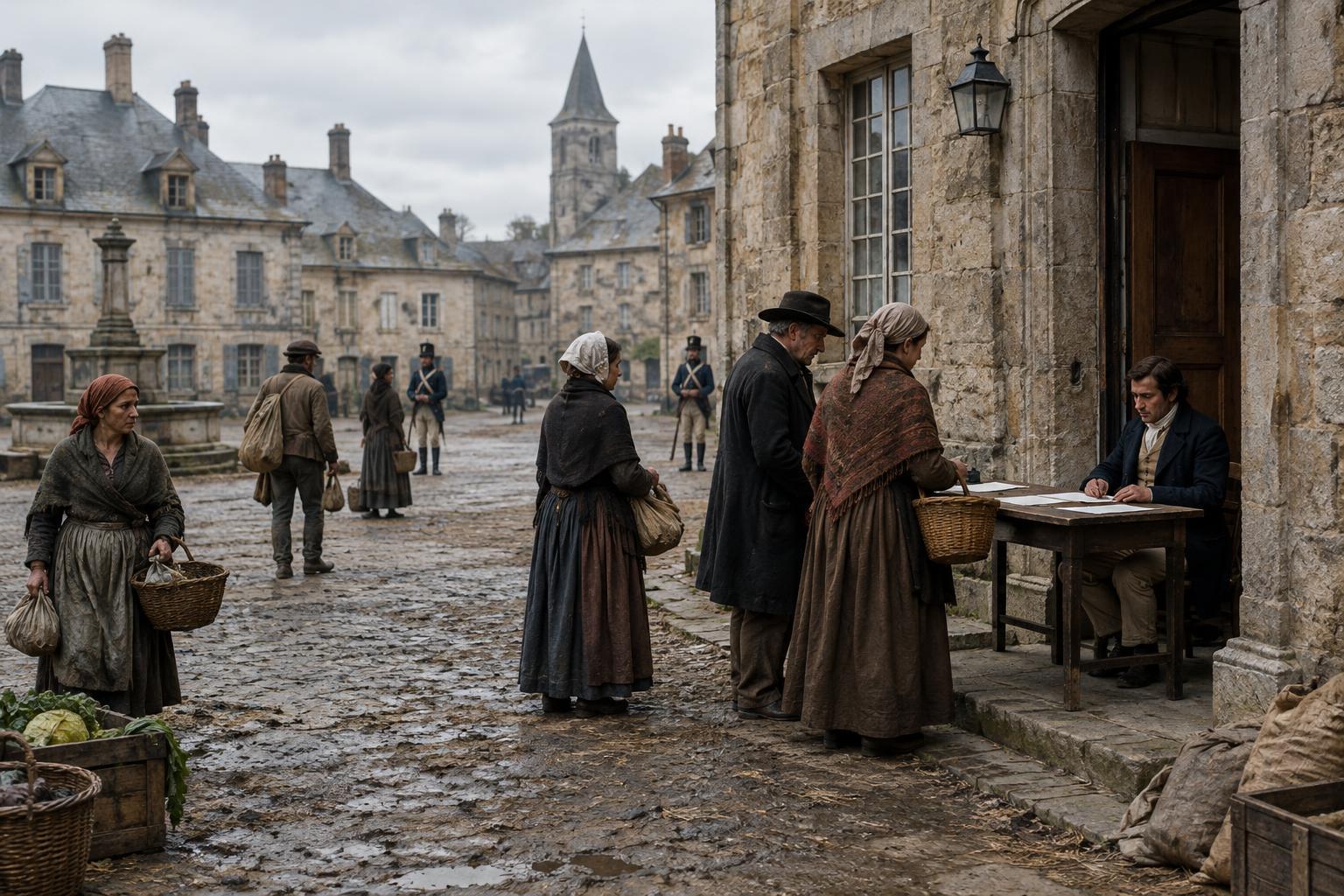
An occupying force could issue orders through military officers, appoint new administrators or rely on officials already in place. Existing councils, clerks and courts often possessed knowledge that newcomers lacked: who owned property, how taxes were collected and which disputes were already under way. Keeping these institutions working could make rule easier, but continuity on paper did not necessarily mean continuity in practice. An official who retained a familiar title might now answer to a different authority.
For civilians, administration appeared in routine encounters as much as in proclamations. A permit, a tax demand or a decision about a property dispute could make a change of power tangible. Records of these acts can show what rulers tried to enforce, though they may say less about what happened beyond an office or checkpoint. Reading administrative documents alongside petitions and local records helps distinguish an order from its effect.
Resources and the pressures of daily life
Armies needed food, transport, shelter and labour. How these needs were met shaped relations with residents. Supplies might be purchased, requisitioned or taken without meaningful payment; the terms could change as resources became scarce or commanders changed. A receipt might represent a genuine transaction, a promise of later compensation or merely a way to record what had been removed. Its existence alone does not show whether a household considered the exchange fair.
Disruption could extend well beyond direct demands from soldiers. Restricted movement might interrupt farming or trade, while damaged roads and uncertainty could make familiar journeys difficult. Some people found new work or opportunities under the changed administration; others lost income, property or access to support. Civilian experience was not uniform, even within one community. Wealth, occupation, location and family connections could affect a person's options, without making anyone immune to the wider uncertainty.
Negotiation, resistance and survival
People responded to occupation in many ways. They petitioned authorities, concealed resources, maintained relationships across shifting lines of control or sought to avoid attention. Some cooperated openly; others opposed the new rulers. Such actions cannot always be sorted neatly into loyalty and disloyalty. A local official might continue working to protect a community, preserve a position or both. A household might comply with a demand because refusal seemed dangerous, not because it supported the occupier.
The language used to describe these choices deserves care. Military and government records may portray residents as obedient, troublesome or suspect according to the needs of the writer. Later accounts may be shaped by memories of victory, defeat or suffering. Comparing viewpoints does not erase responsibility for abuses. It helps explain what choices people believed they had, and why the same action could be understood differently by those who lived through it.
What objects and records can reveal
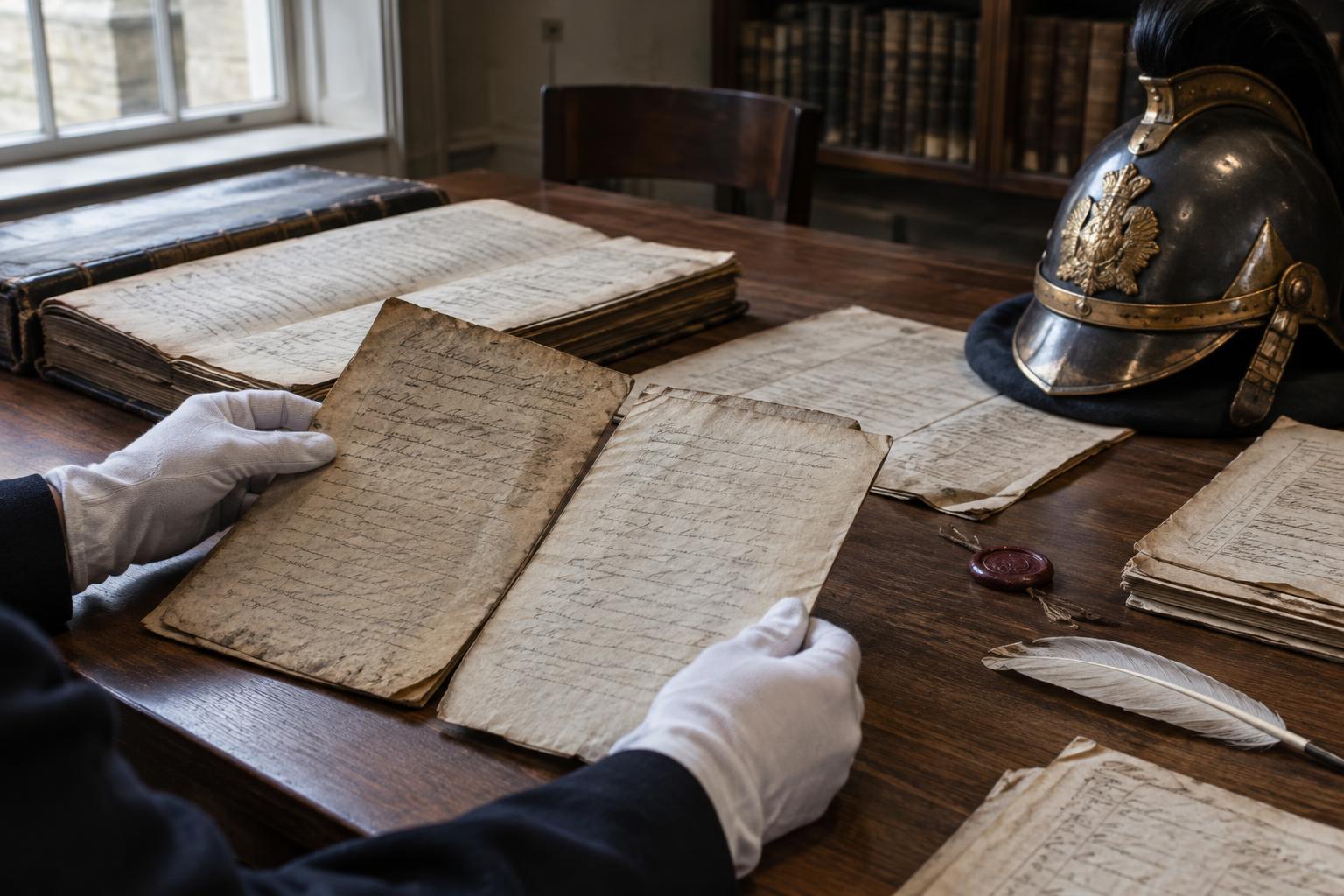
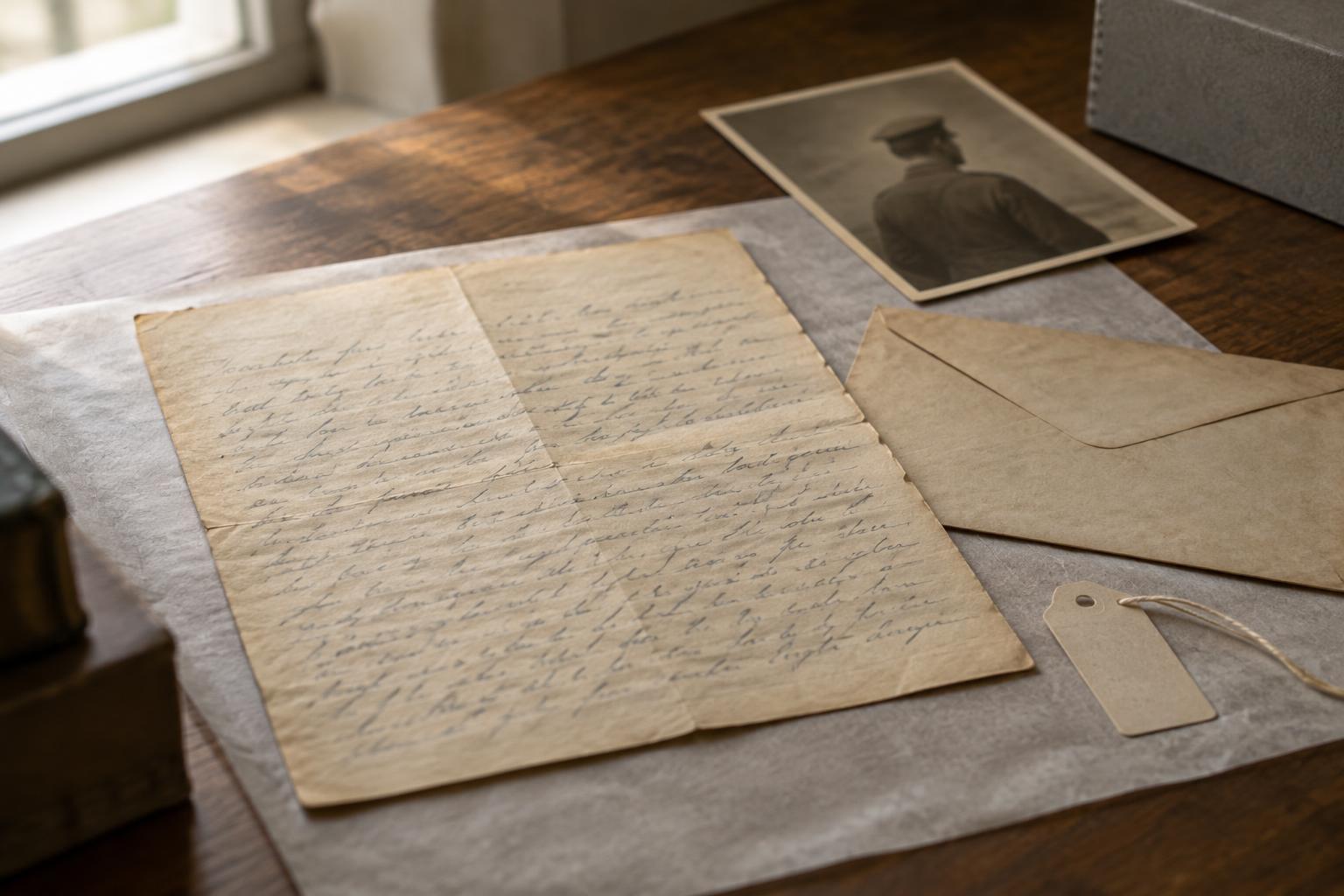
Occupation leaves traces in paperwork and material culture: orders, petitions, account books, altered buildings and objects kept or lost during upheaval. In a museum, a uniform or weapon may draw the eye, but an accompanying receipt or household inventory can shift attention toward the people who supported, encountered or endured the occupying force. The value of an object lies not only in its design. Its documented use, ownership and path into a collection can connect military history with civilian lives.
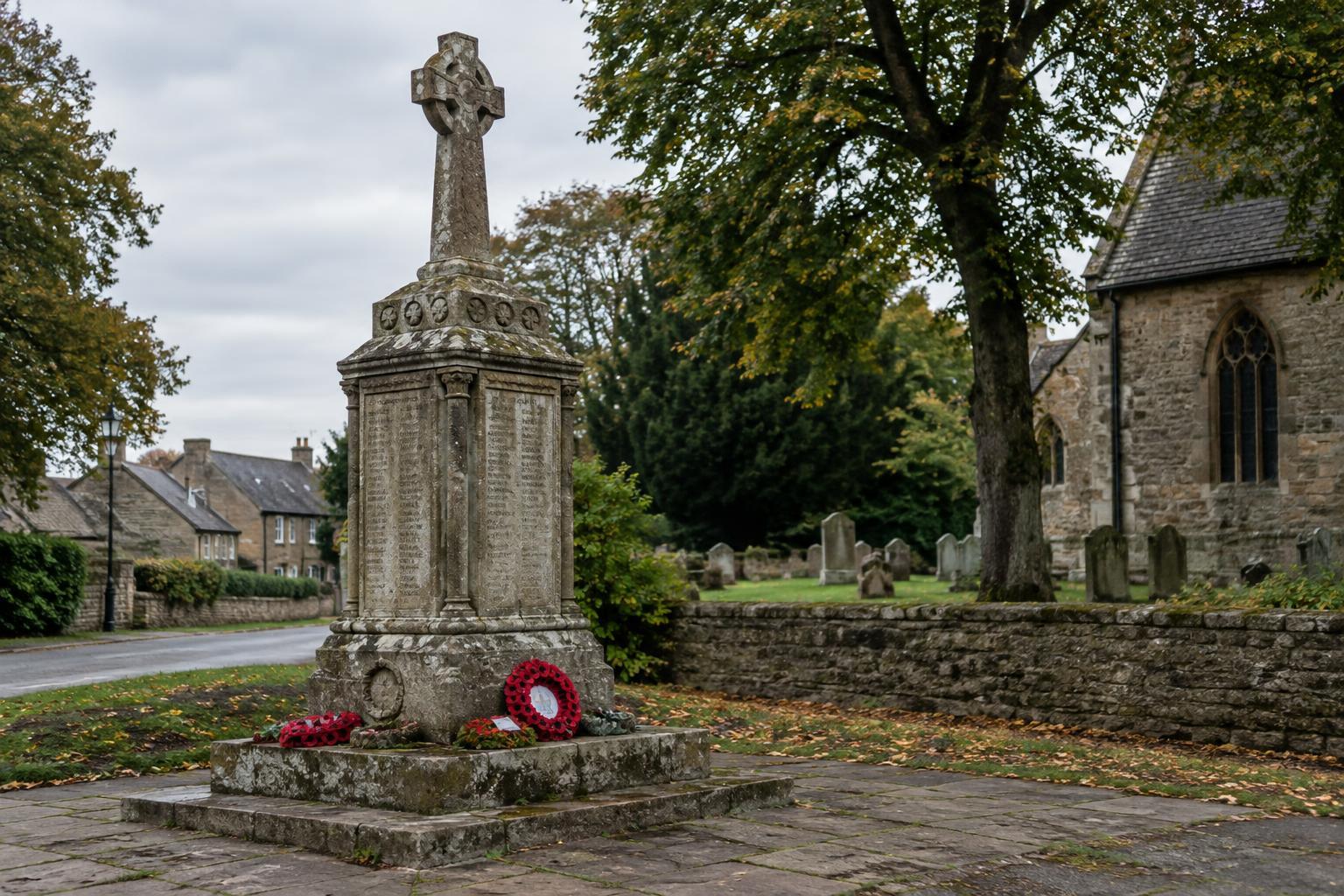
Evidence also has limits. Surviving records may favour institutions and people with the means to write, preserve and deposit documents. An exhibition or article can make that imbalance visible by explaining what is known, what is inferred and whose perspective is missing. Studying occupation in this way places a campaign within a longer human story: the uncertain process by which armed control became administration, and the varied ways communities lived with its consequences.