A reform is a proposal before it is a result
Military reform is often described as a turning point: a ruler orders a new system, and an army becomes more disciplined, better equipped or less expensive. That account can be useful, but it compresses several stages into one. A reform might begin as a proposal, become a written order, reach some units and never reach others. Even where it was implemented, its effects might differ from what its sponsors expected.
Official statements are therefore best read as evidence of intention, not proof of achievement. A decree calling for uniform equipment may reveal a concern about inconsistent supplies. An order for regular inspections may suggest that existing checks were considered inadequate. Such documents tell us what authorities wanted to change and how they described the problem. They do not, on their own, tell us what every soldier carried or how every local commander responded.
Follow the paperwork beyond the proclamation
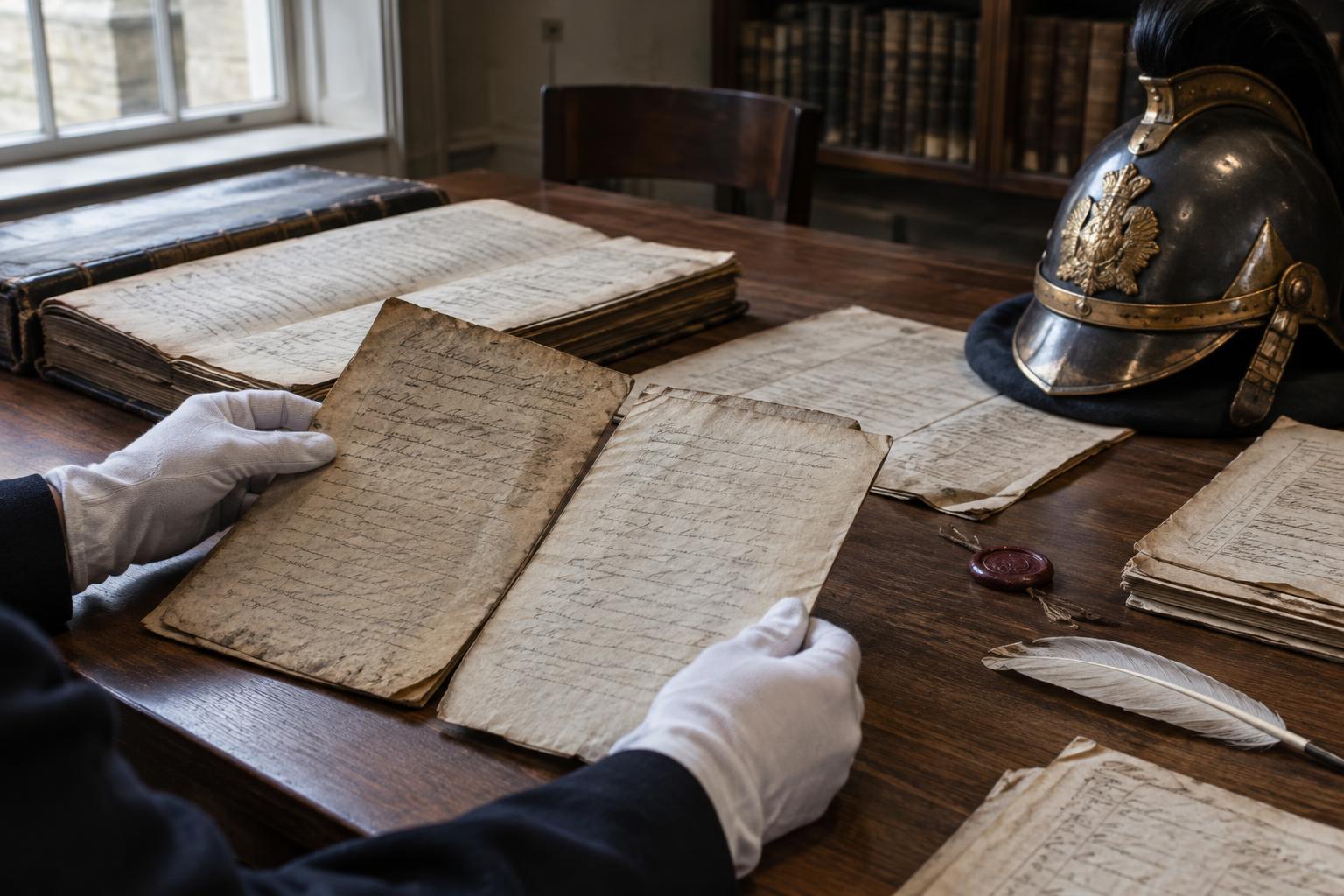
Surviving administrative records can bring a reform closer to daily practice. Muster rolls may show how personnel were counted or classified. Pay accounts can reveal whether new posts appeared on the books, while procurement records may show orders for clothing, weapons or armour. Inspection reports might describe missing items or departures from a prescribed standard. Comparing records made before and after an order can help establish whether a change appeared in routine administration.
Each record also has a purpose that limits what it can tell us. A purchase order does not prove delivery; a delivery receipt does not prove long-term use. A muster roll records people according to its own categories, which may obscure differences in duties or equipment. An inspection report may emphasize faults because finding them was part of the inspector’s job. Reading these documents together is more reliable than treating any single entry as a complete picture.
Account for distance, timing and local needs
Reforms rarely moved through an entire force at the same pace. A central authority could issue instructions quickly, while local officials needed time, funds, materials and skilled labour to carry them out. Existing equipment might remain in service until it wore out. Units facing different conditions could adapt a general rule to local needs, with or without formal permission. A mixed set of records, showing both old and new practices, need not mean that the reform simply failed.
The dates on documents deserve careful attention. An order, a budget allocation, a contract and a later inspection may mark separate steps rather than a single event. Place matters too: records from a well-documented headquarters cannot automatically stand for distant garrisons. A useful comparison asks not only whether the promised change appears, but where it appears, how soon, and whether it lasts across successive records.
Let objects and images add context, not certainty
Surviving objects can make a proposed change tangible. A piece of armour, a uniform element or an item marked with a unit designation may suggest how a standard was interpreted in material form. Construction details can point to skilled choices that a regulation leaves unstated. Museum collections can also preserve signs of repair and alteration, reminding us that equipment had a working life beyond its initial issue.
Objects are not a random sample of what once existed. Expensive, unusual or carefully preserved pieces may be more likely to survive than ordinary items used until they wore out. Later alterations and uncertain provenance can further complicate interpretation. Images require similar care: an artist might depict an ideal appearance, a ceremonial setting or a recognizable symbol rather than everyday conditions. The strongest reading places objects and images alongside dated documents, while keeping their different limitations in view.
Judge the claim at the right scale
The most productive question is often narrower than “Did the reform succeed?” A historian might ask whether a new rank appears consistently in pay lists, whether ordered equipment reached a particular garrison, or whether inspection language changed over time. These questions distinguish an administrative change from a material one and leave room for partial or uneven outcomes.
A clear account should separate what was promised, what was recorded and what remains unknown. It should also note whose voices are missing: routine paperwork often reflects officials more readily than the people expected to live under new rules. Military reforms are valuable subjects precisely because the gap between intention and practice can reveal how authority, resources and local experience interacted. Surviving records seldom deliver a simple verdict, but careful comparison can show what changed, for whom and within the limits of the evidence.