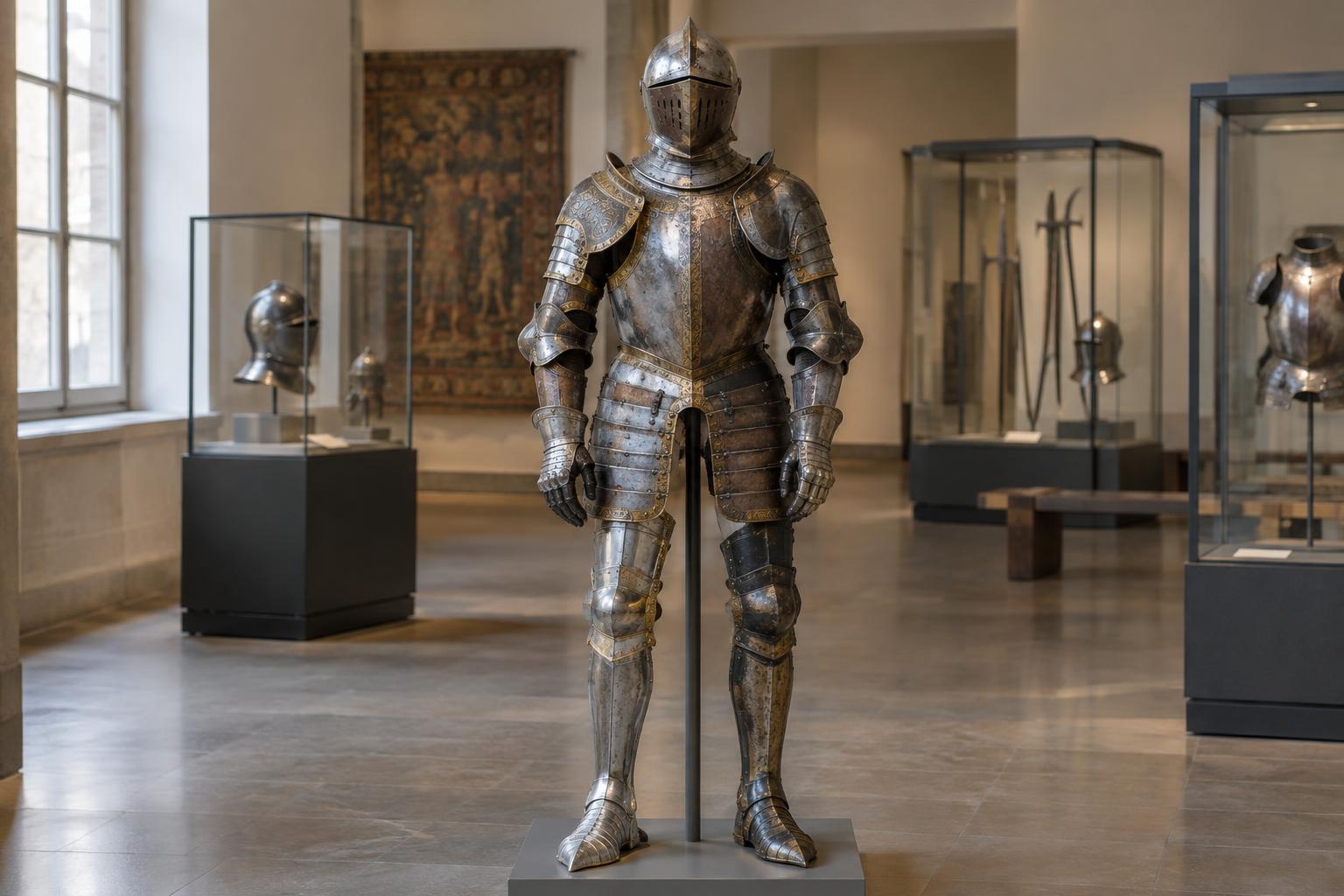
Armour and CraftsmanshipA suit of armour can look complete without having been made or worn as a single set. Repairs, changing fashions, later collecting and museum display all help explain why surviving pieces do not always match.
Read article · 4 min↗
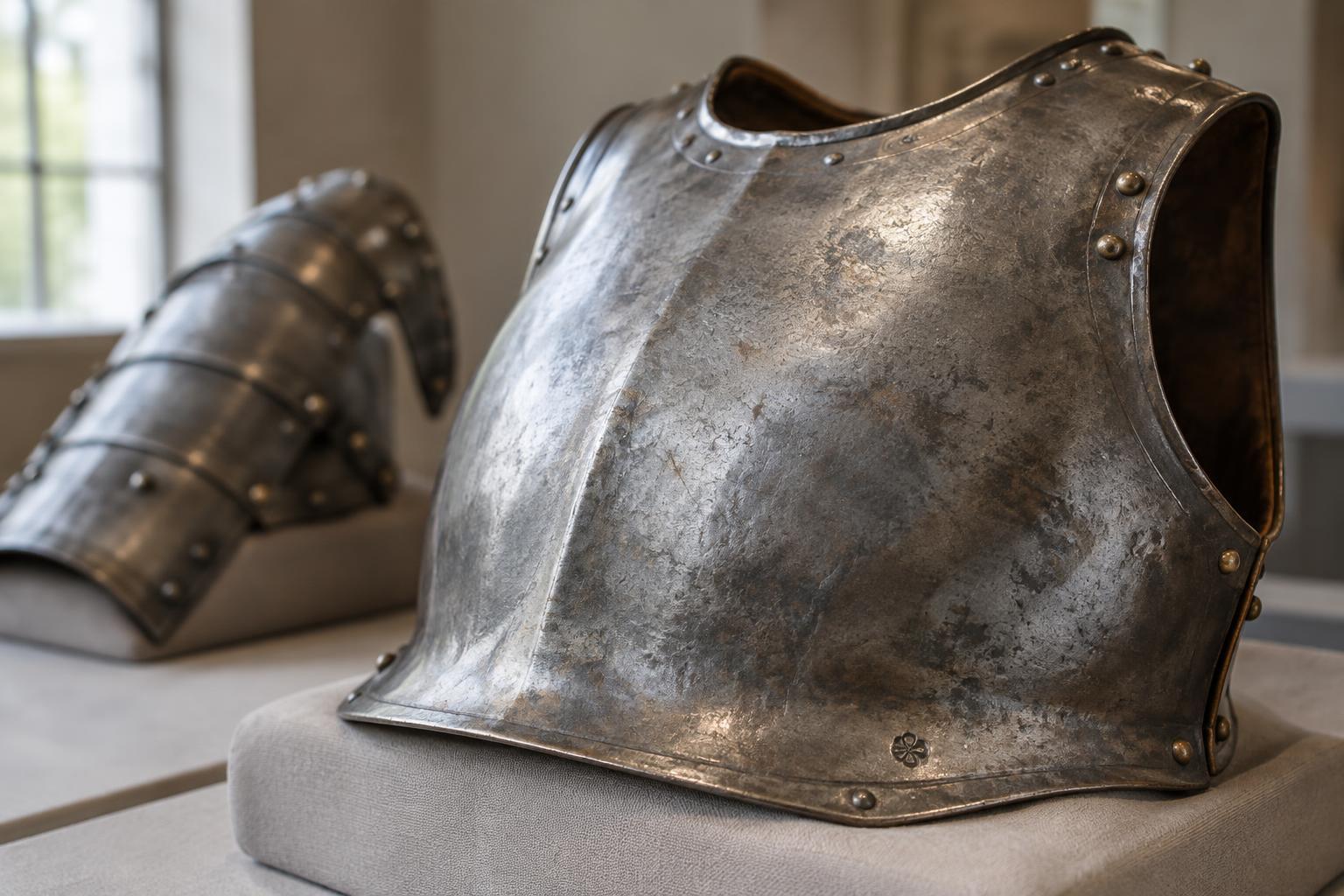
Armour and CraftsmanshipA stamped symbol on a helmet or breastplate can offer a clue to an armour’s history, but it is rarely a complete signature. Learn how to distinguish workshop marks from other markings and why construction, documentation and later alterations matter just as much.
Read article · 4 min↗
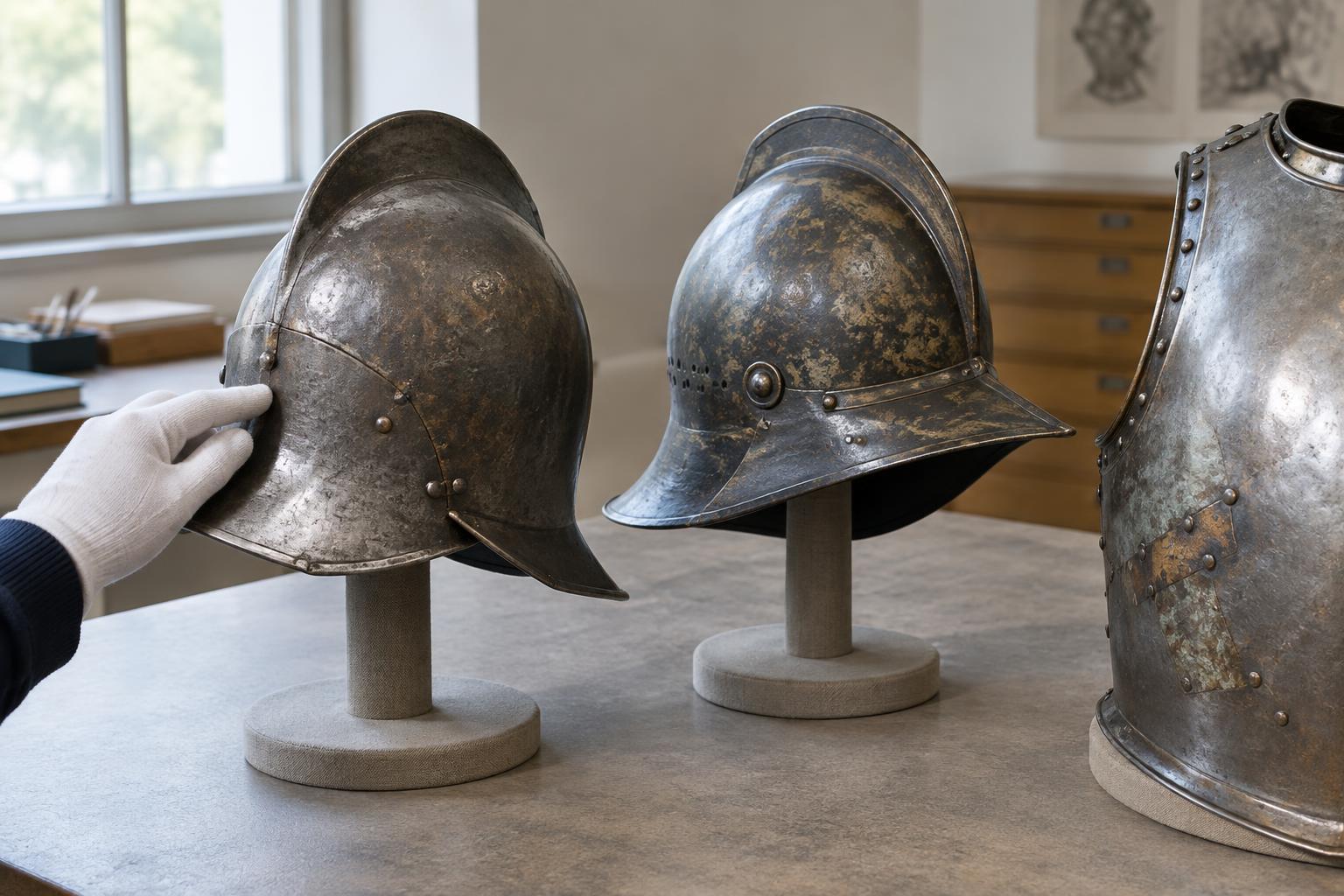
Armour and CraftsmanshipA helmet’s outline or a breastplate’s profile can suggest a period, but shape is rarely a date stamp. Regional traditions, later alterations and assembled suits can all complicate identification. Here is a practical way to read armour without asking its silhouette to prove too much.
Read article · 4 min↗
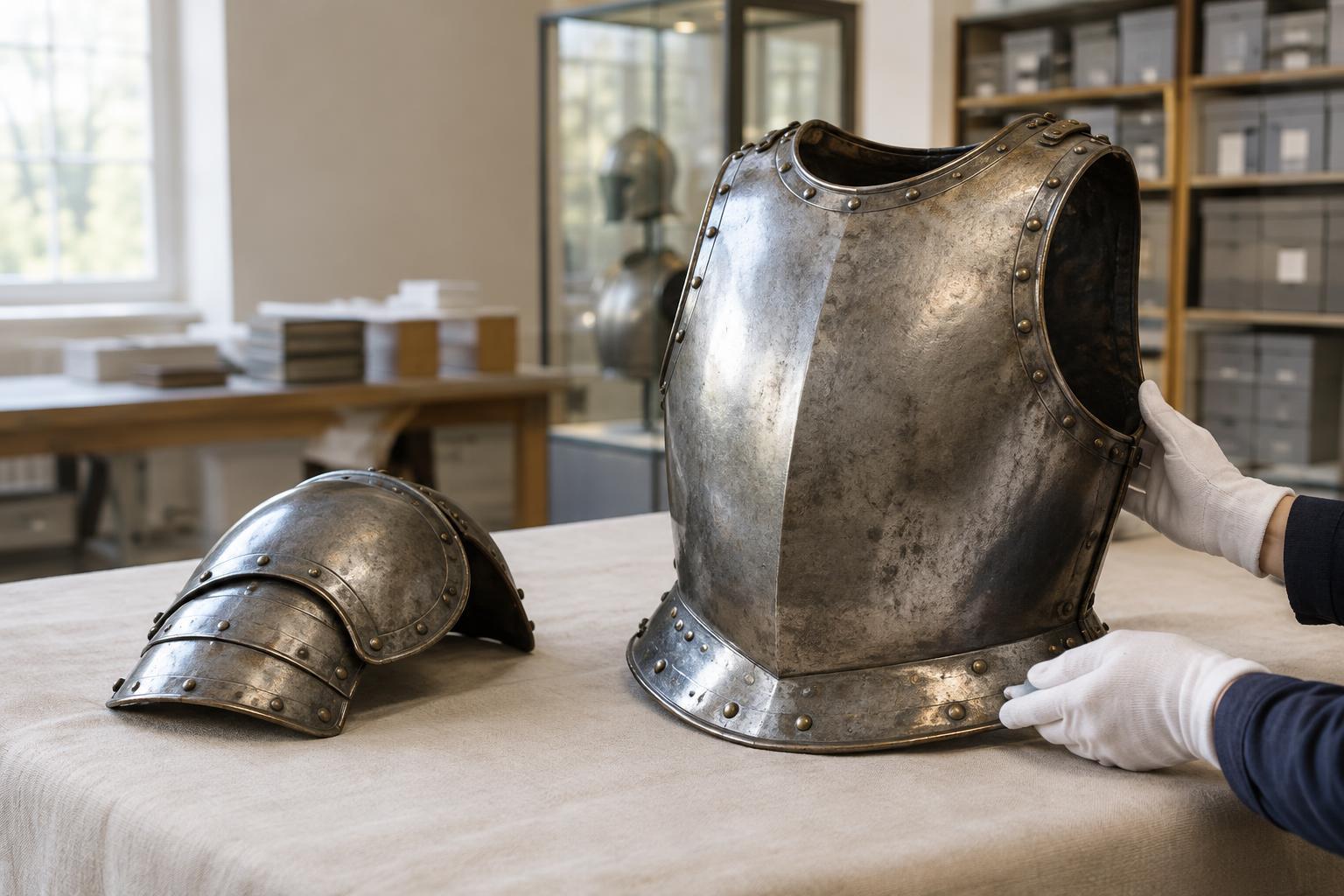
Armour and CraftsmanshipA bright finish, an unusual rivet or a maker’s mark cannot establish when a piece of armour was made. A more reliable assessment considers its form, construction, surface, condition and documented history together.
Read article · 4 min↗
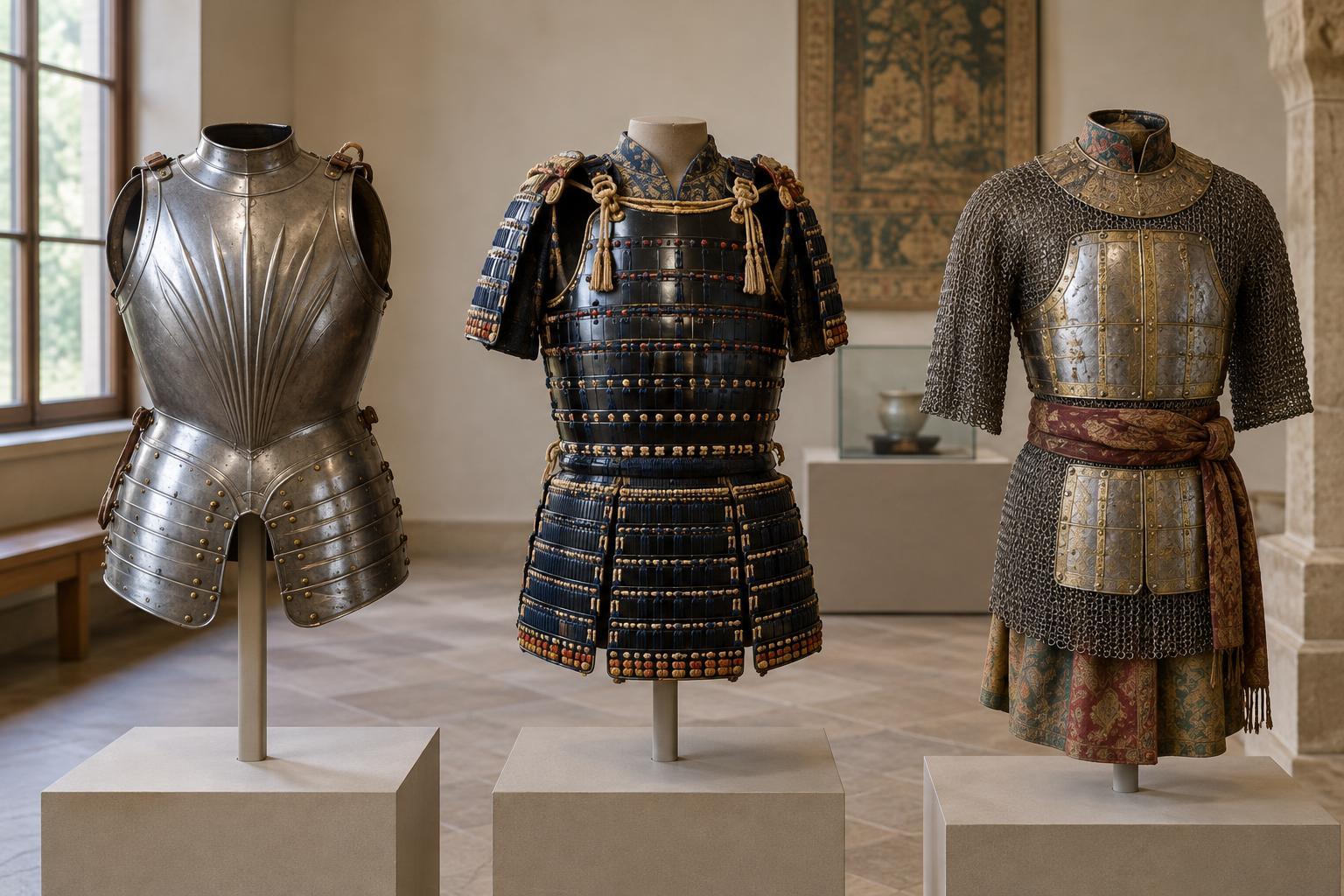
Armour and CraftsmanshipArmour reflects more than a response to danger. The materials available to makers, the skills of local workshops, and the tastes of patrons all shaped its appearance. Looking closely at construction and decoration can reveal connections between regions as well as distinctive traditions.
Read article · 4 min↗
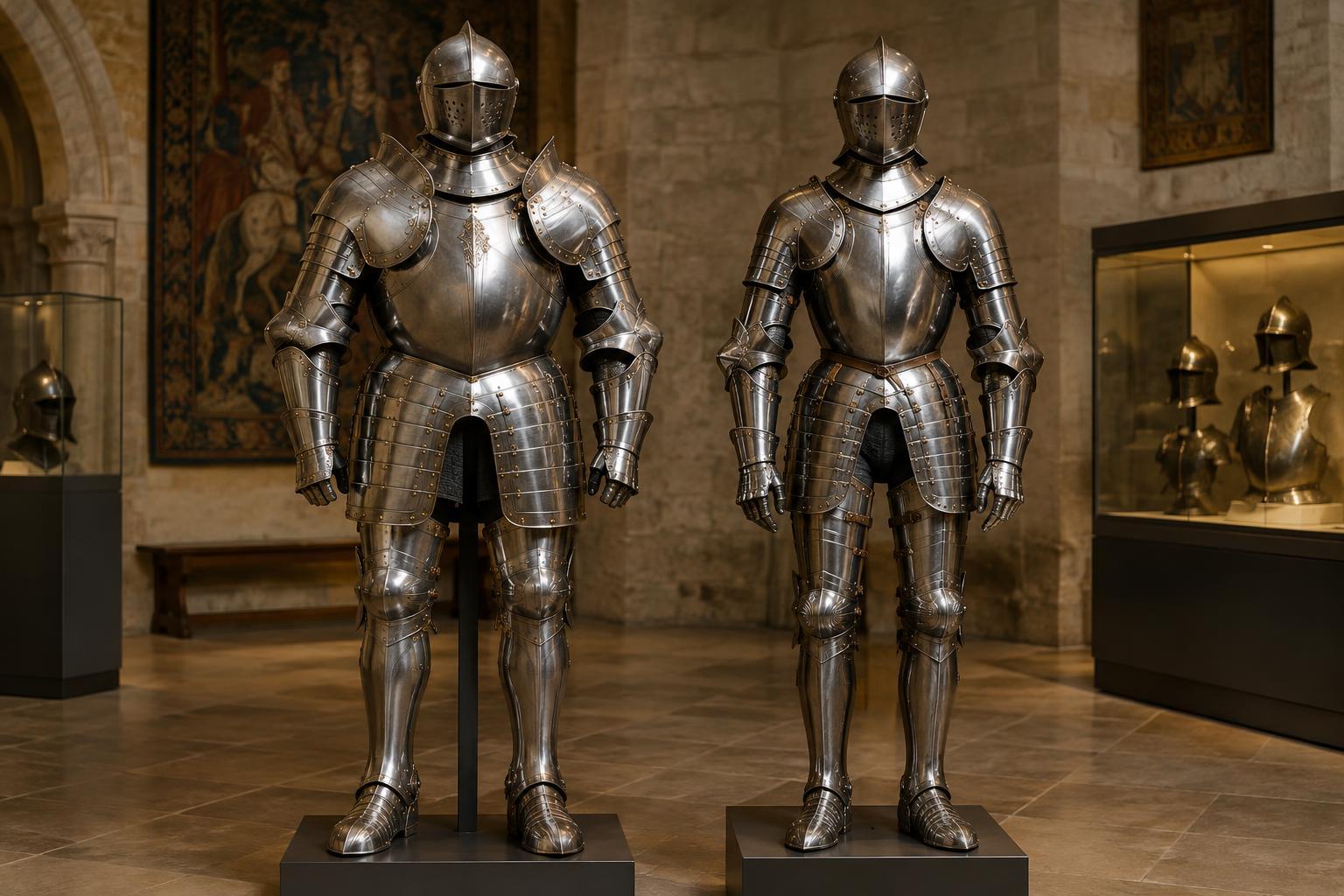
Armour and CraftsmanshipEuropean tournament and field armour could look remarkably alike, but they were shaped by different expectations. Comparing their coverage, movement, fittings and finish reveals why the distinction is useful—and why it is not always clear-cut.
Read article · 4 min↗
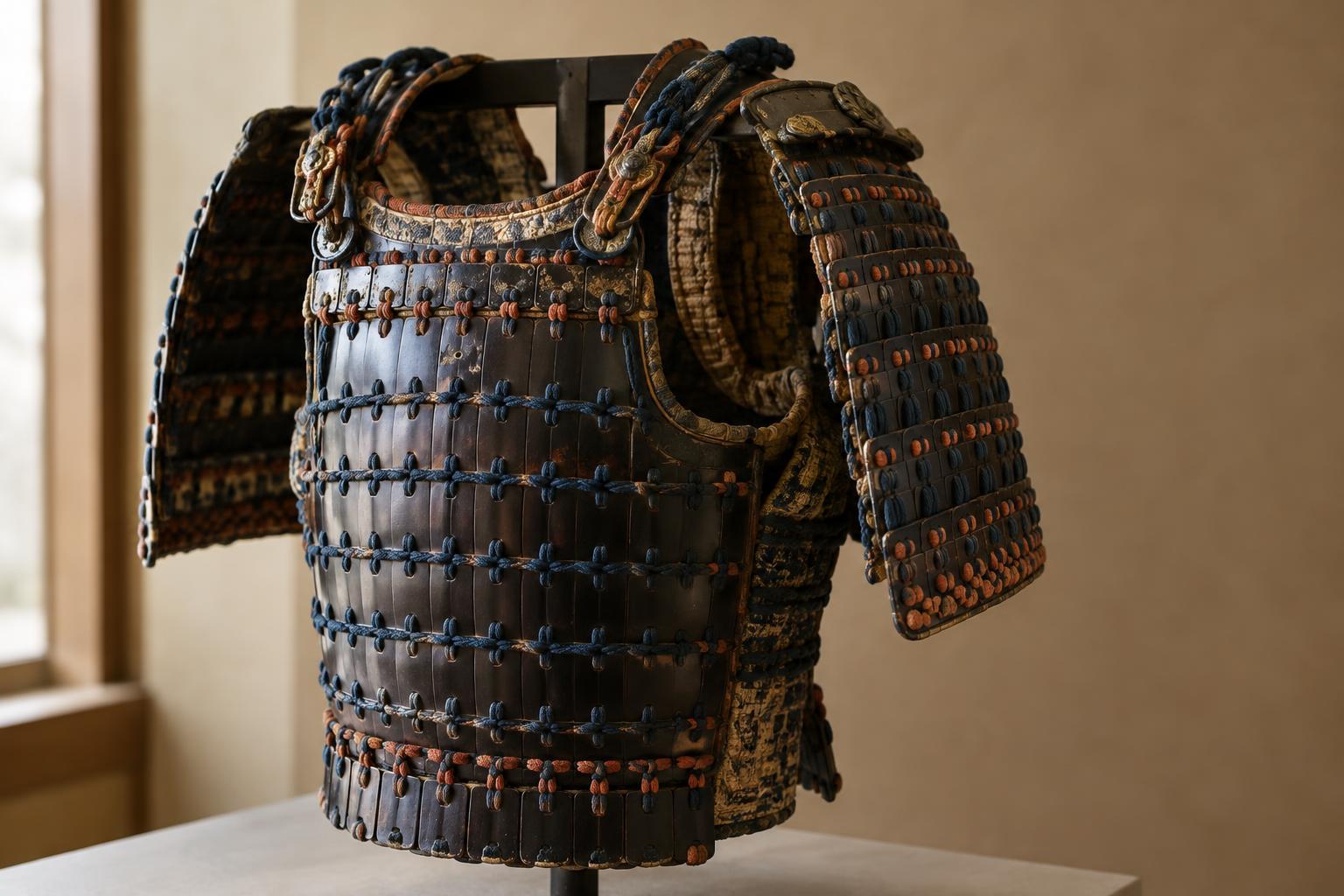
Armour and CraftsmanshipJapanese armour is often remembered for its patterned cords and striking silhouette, but its construction brings together many materials. A close look at plates, lacing, and textiles reveals how armourers balanced structure, appearance, and the needs of the wearer—and why these objects require careful interpretation and conservation today.
Read article · 4 min↗
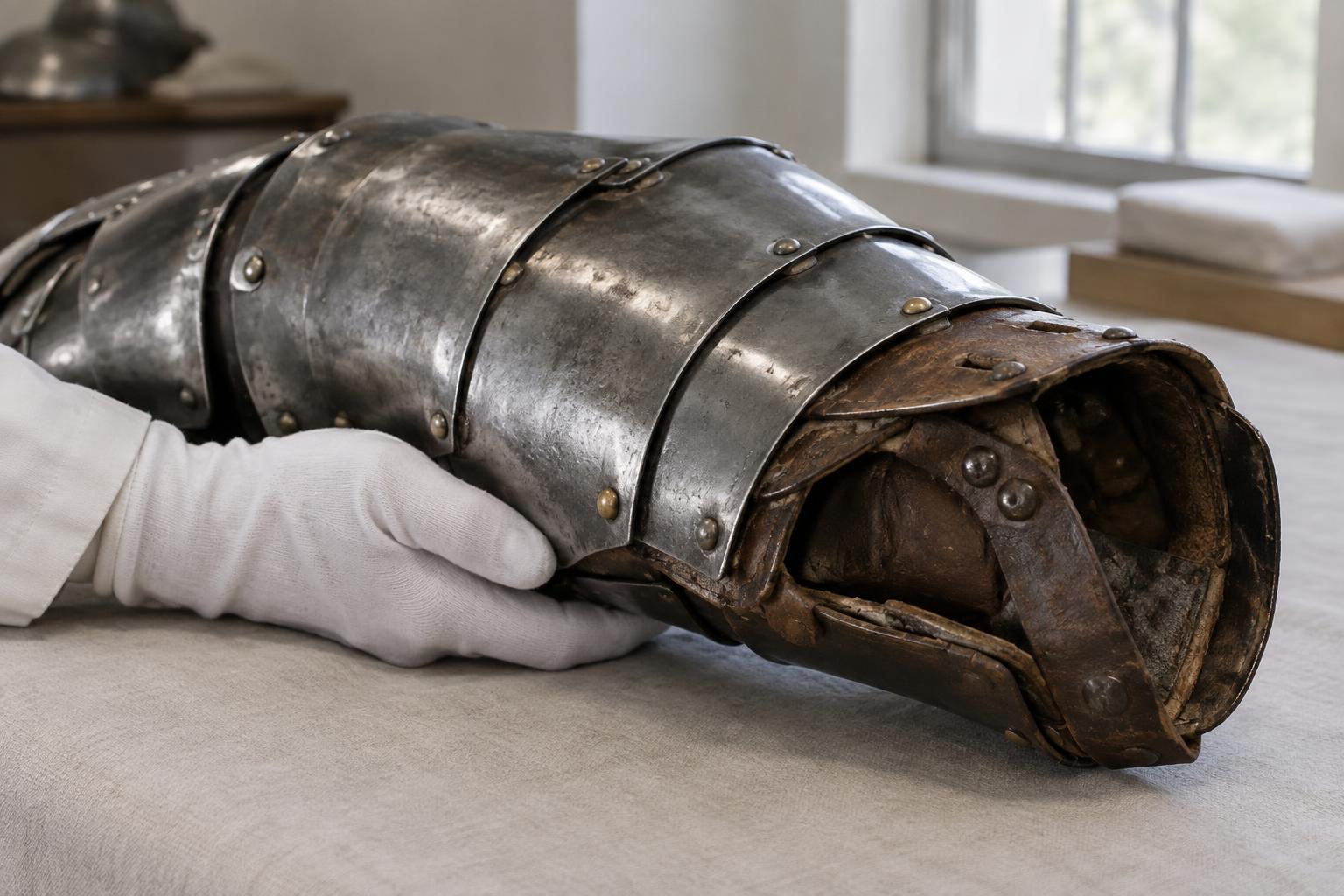
Armour and CraftsmanshipLeather could form a visible part of historic armour, but it also served quieter roles beneath, between and behind more conspicuous materials. Understanding those roles helps explain how armour was made, worn and preserved—and why surviving objects do not always match popular images.
Read article · 4 min↗
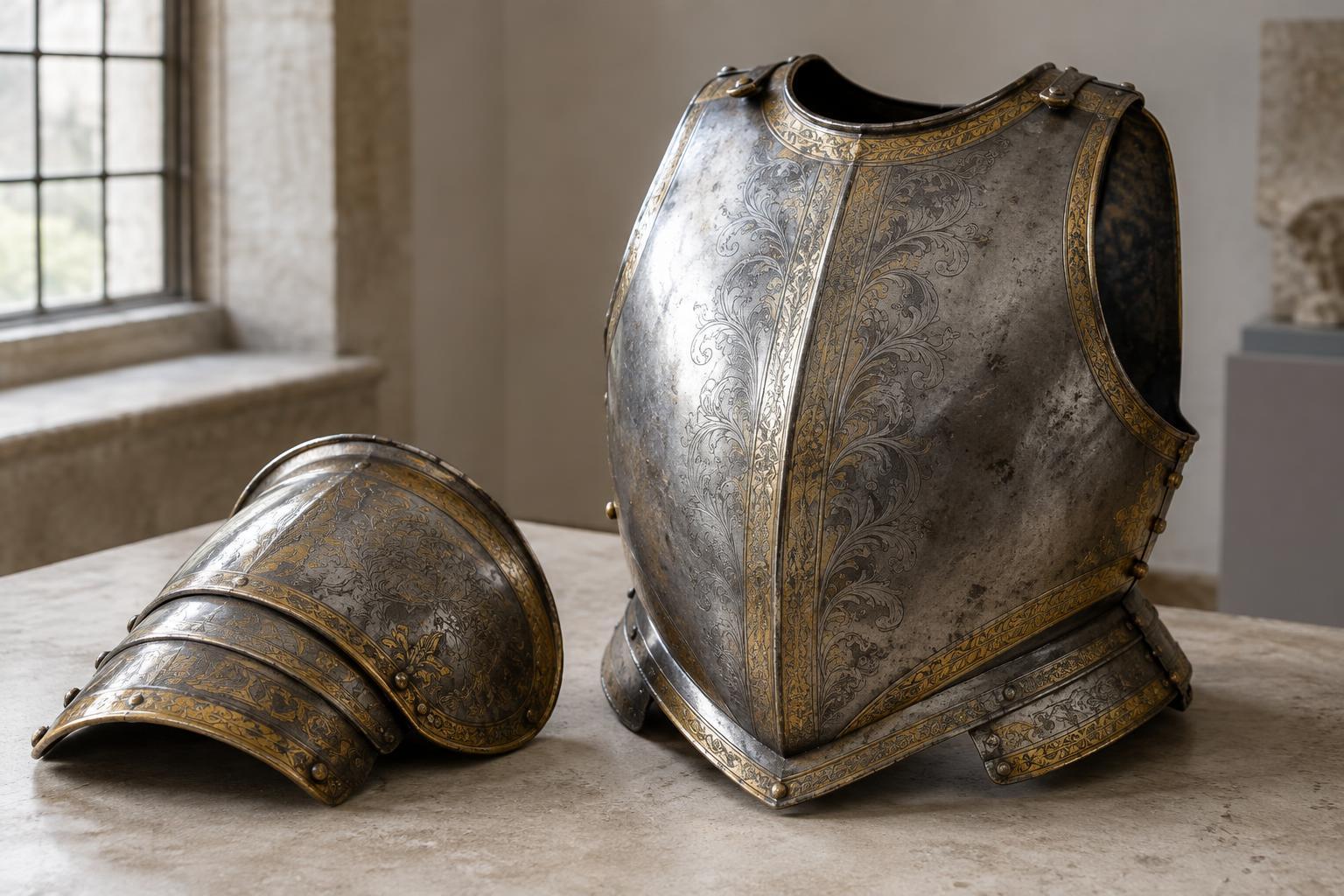
Armour and CraftsmanshipDecorated armour can look richly detailed, but similar designs may have been made in very different ways. Learn how etching, engraving, and gilding shaped the appearance of historic armour, why makers combined them, and what careful observation can—and cannot—reveal.
Read article · 4 min↗
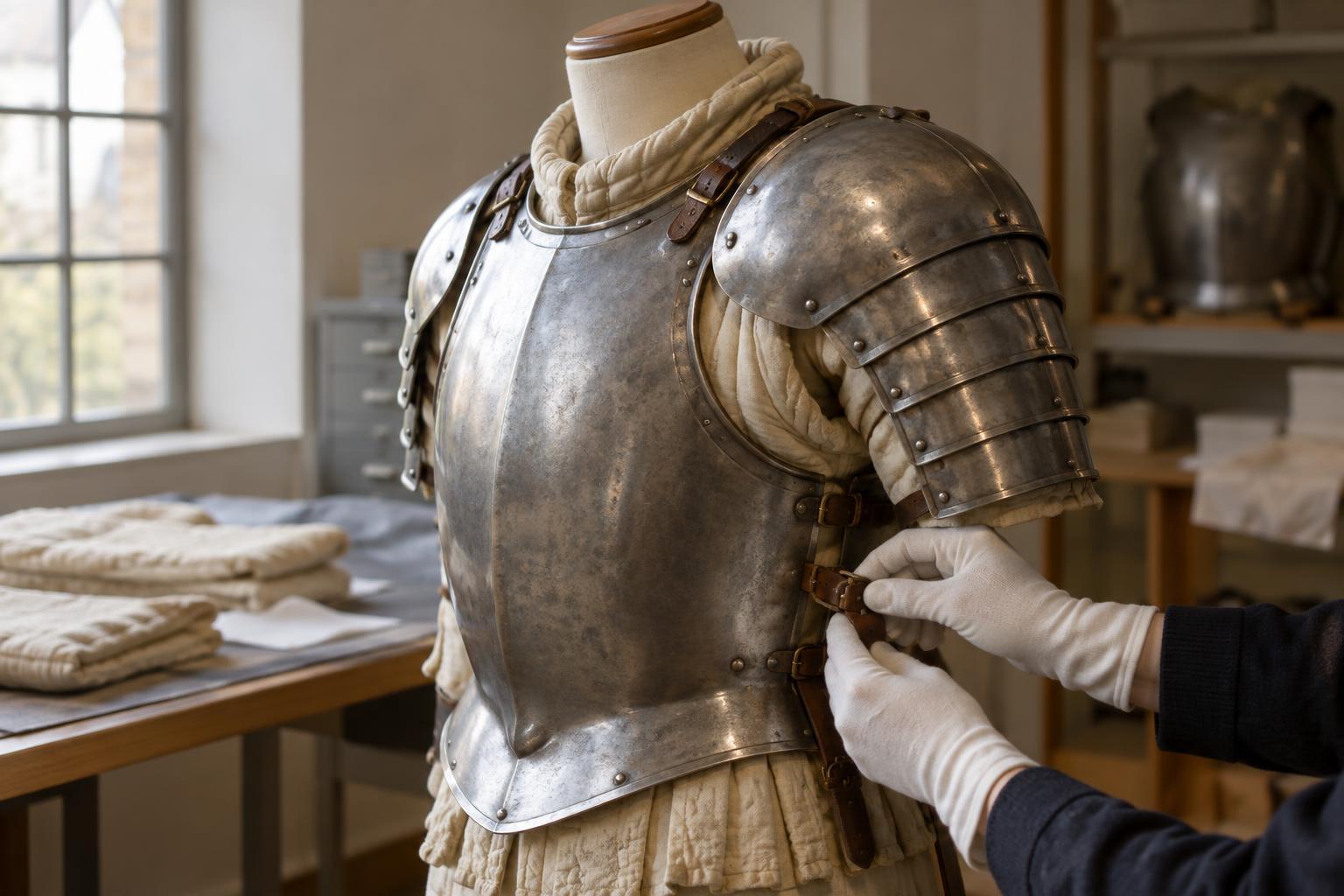
Armour and CraftsmanshipHistoric armour was not simply a set of metal plates. Its fit depended on the wearer’s clothing, the shape of each piece, and the straps and fastenings that held the ensemble together. Looking at these layers helps explain both how armour was worn and why surviving pieces can be difficult to interpret.
Read article · 3 min↗
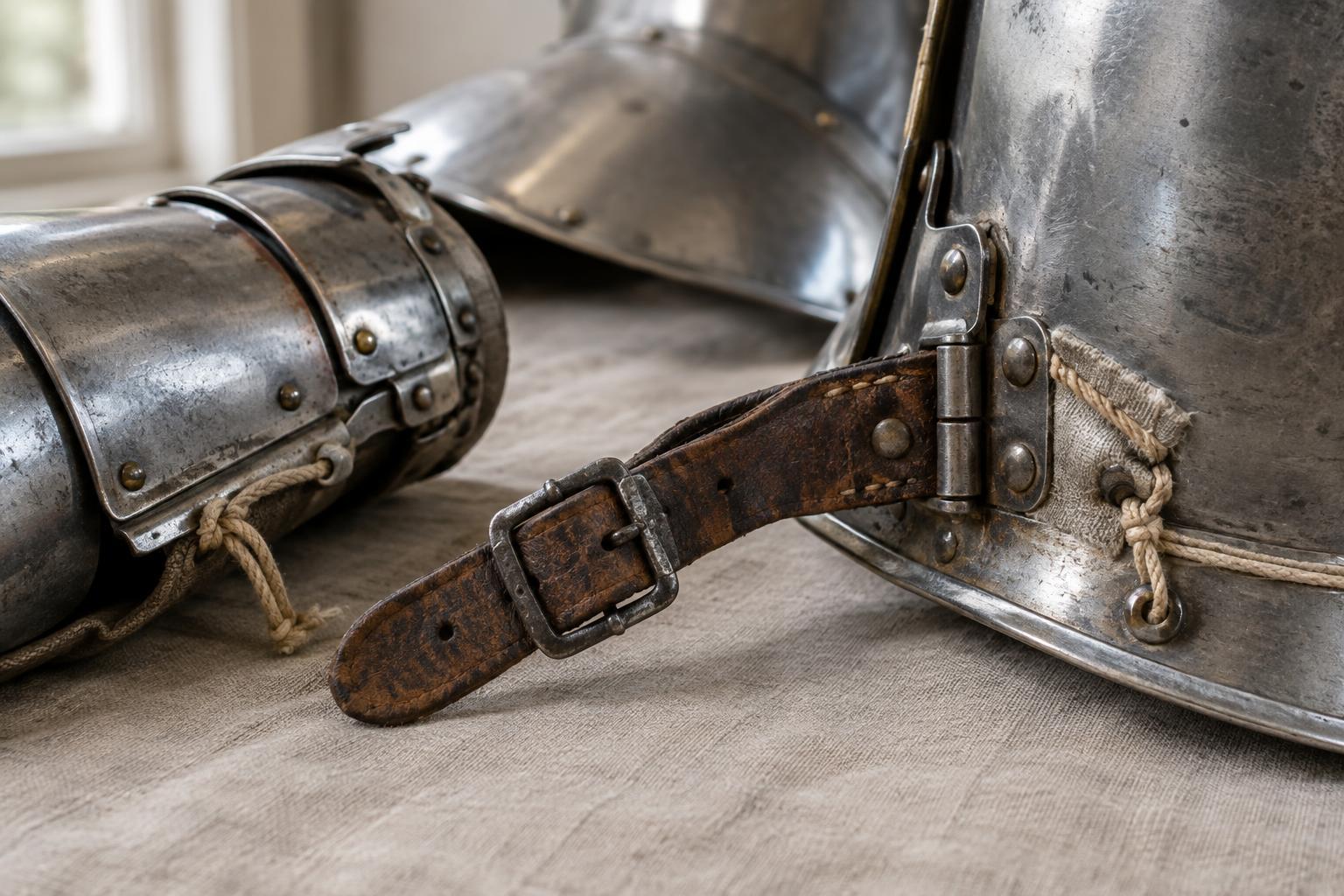
Armour and CraftsmanshipStraps, buckles, points and hinges can be easy to overlook beside polished plates or decorated helmets. Yet these fastenings reveal how armour was made, maintained, altered and worn. Looking closely at them also helps explain why an armoured object in a museum may differ from the equipment its original owner knew.
Read article · 4 min↗
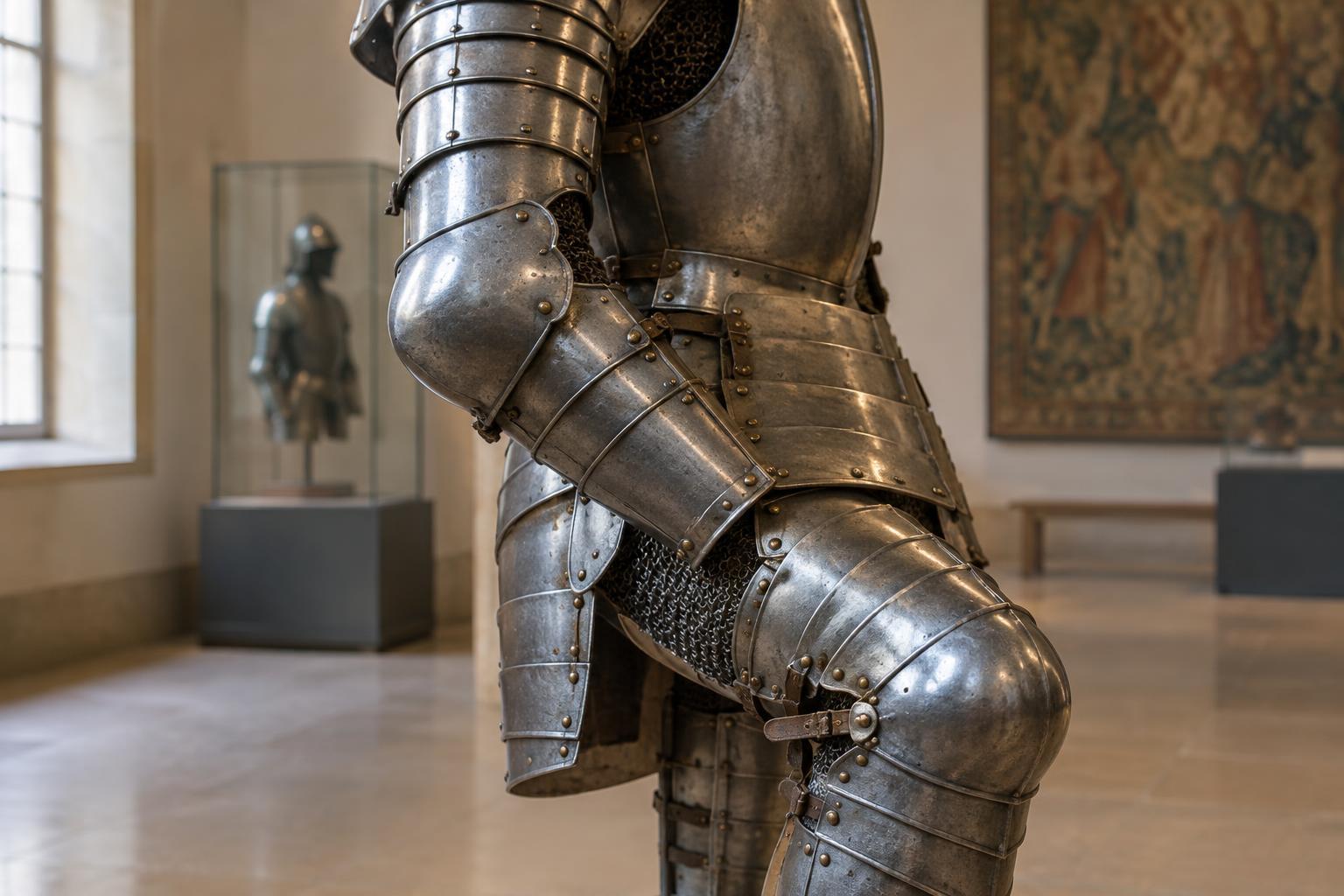
Armour and CraftsmanshipPlate armour did not have to be rigid from head to foot. Overlapping plates, shaped guards and flexible materials helped historical armourers protect moving joints while allowing a wearer to bend, turn and work.
Read article · 4 min↗
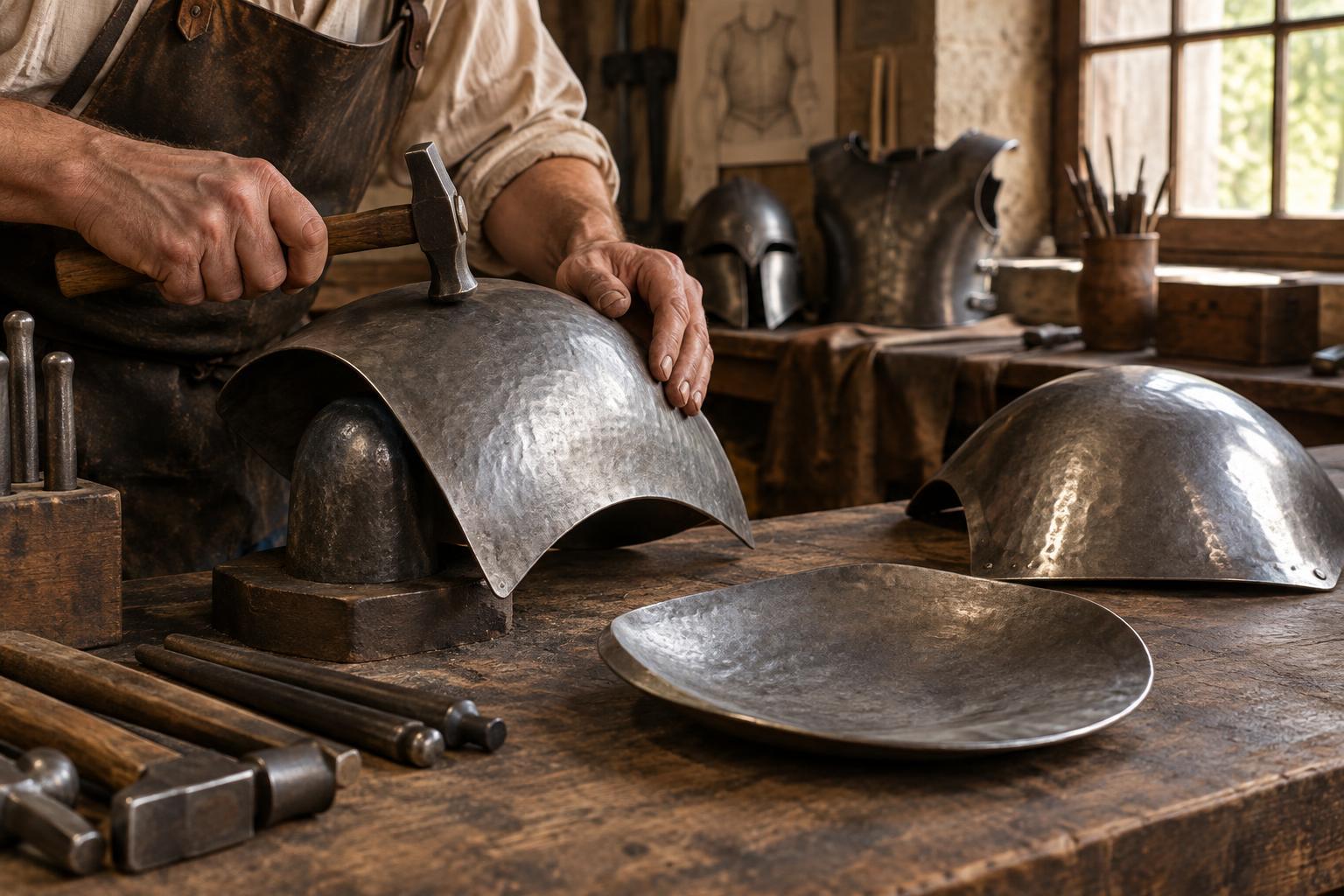
Armour and CraftsmanshipHistoric plate armour was shaped through skilled metalworking, not simply cut from flat sheets. Raising, dishing, and planishing helped armourers create curves, refine surfaces, and give each piece its distinctive form. Understanding these techniques offers a closer look at the craft behind museum objects.
Read article · 4 min↗
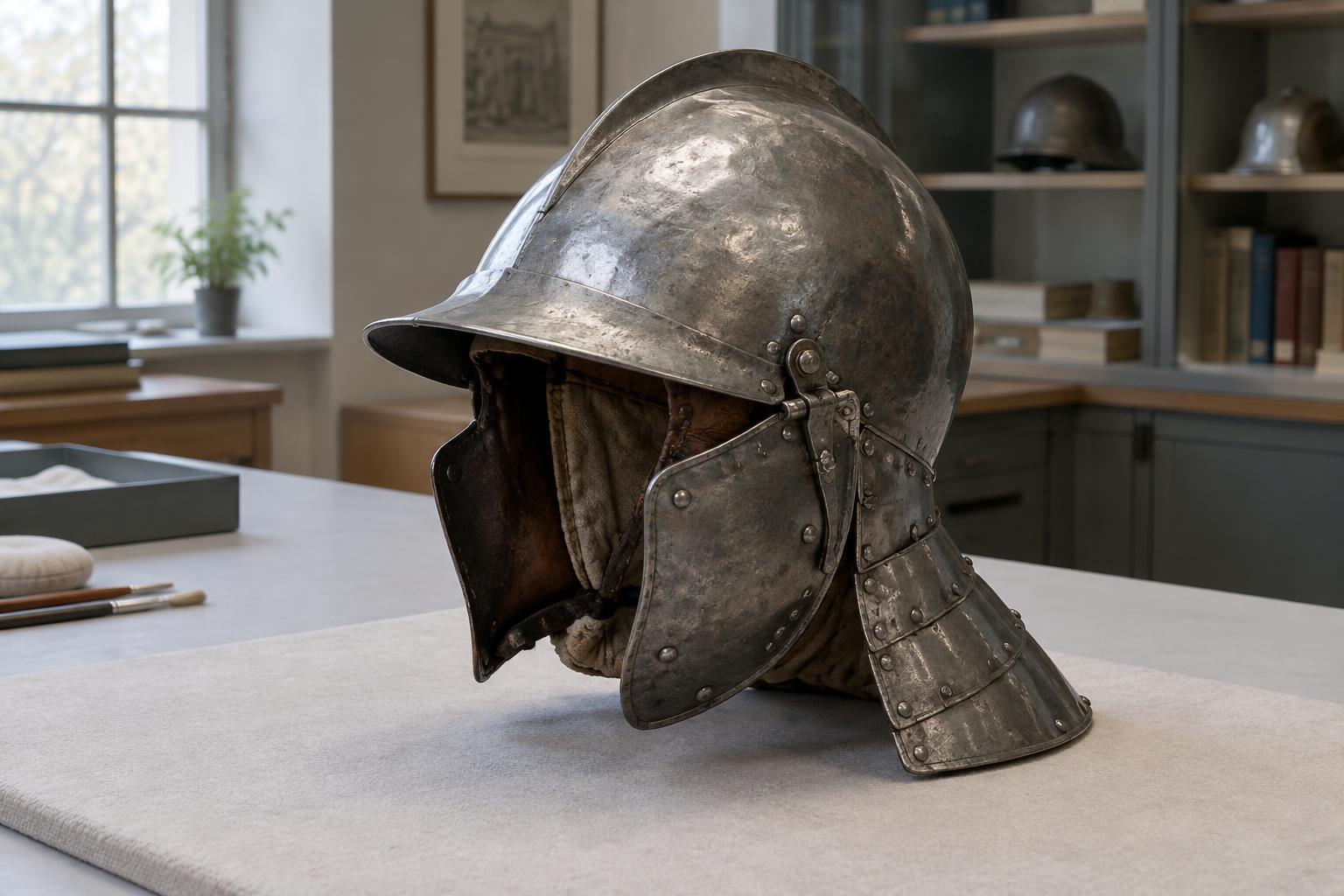
Armour and CraftsmanshipA historic helmet is more than its visible shell. Linings, cheekpieces, and neck protection shaped how it fitted, looked, and served its wearer. Examining these parts together reveals choices of craft, status, and design—and helps explain what a museum object may no longer show.
Read article · 4 min↗
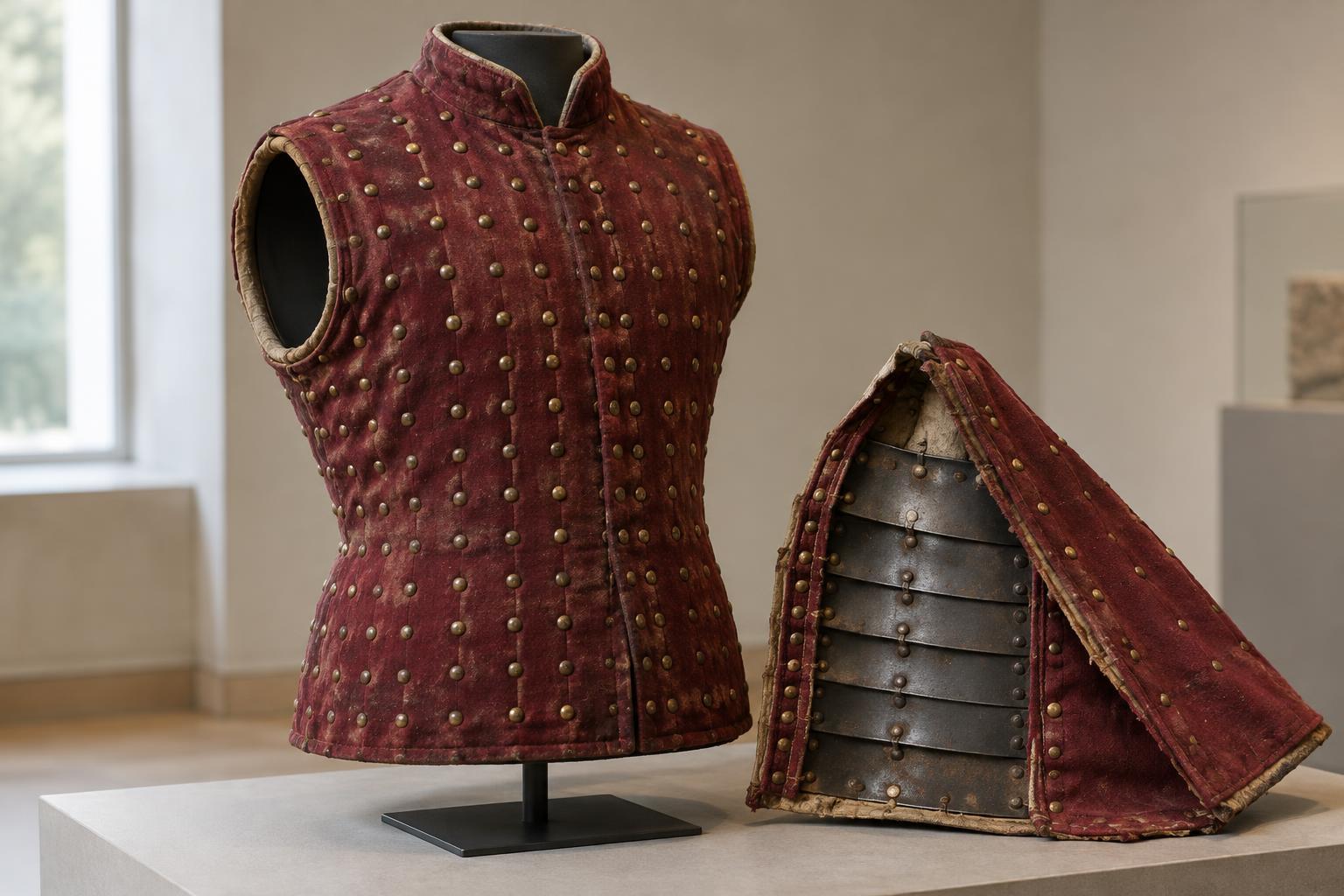
Armour and CraftsmanshipBrigandines and coats of plates can look like sturdy garments from the outside, yet their protection lies in metal plates fastened beneath a covering. Understanding their construction, changing terminology and surviving traces makes these objects easier to read in a museum.
Read article · 4 min↗
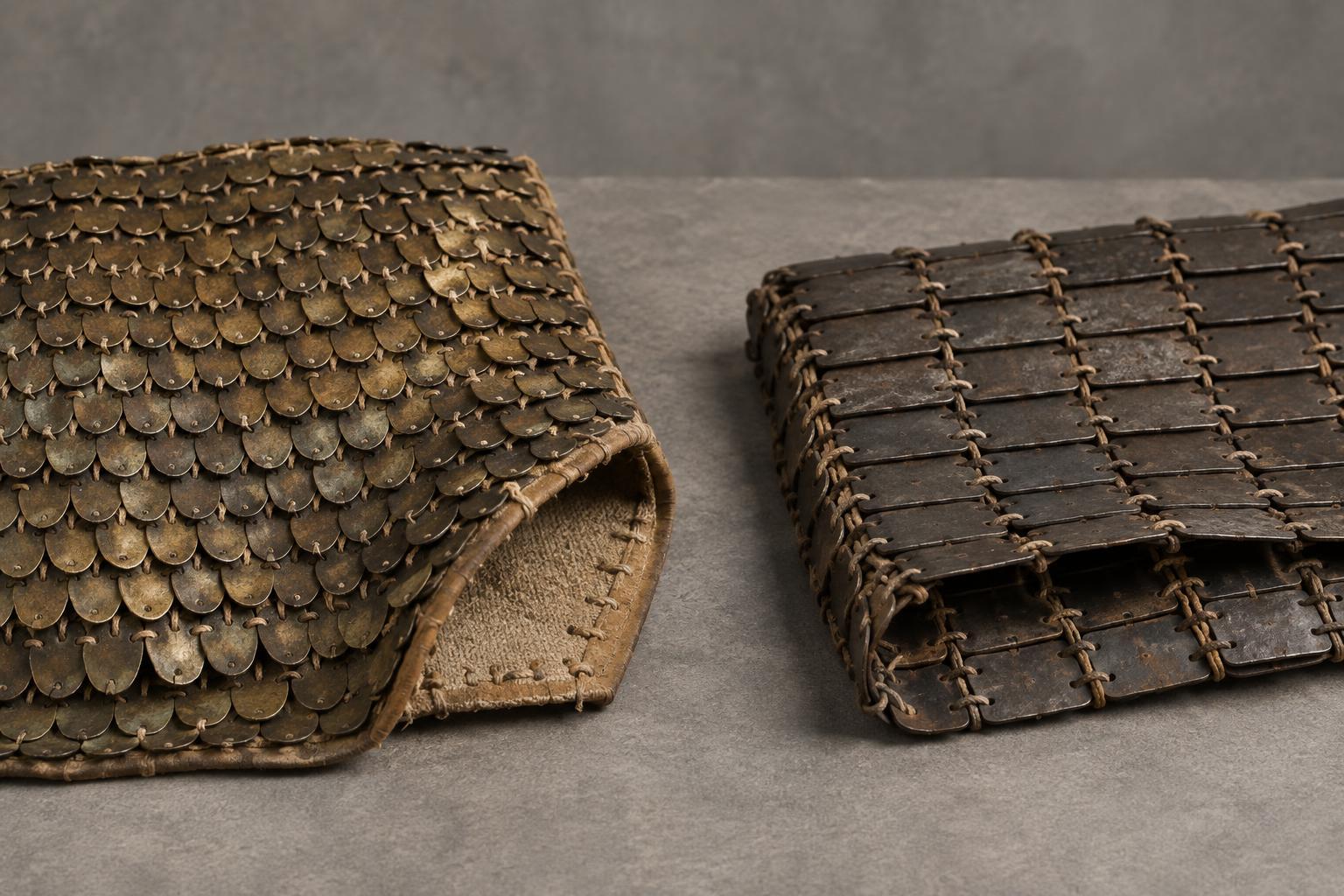
Armour and CraftsmanshipScale and lamellar armour can look similar at first glance: both create a protective surface from many small plates. The distinction lies chiefly in what holds those plates together. Understanding the underlying structure helps visitors and collectors look beyond a garment’s surface pattern.
Read article · 4 min↗
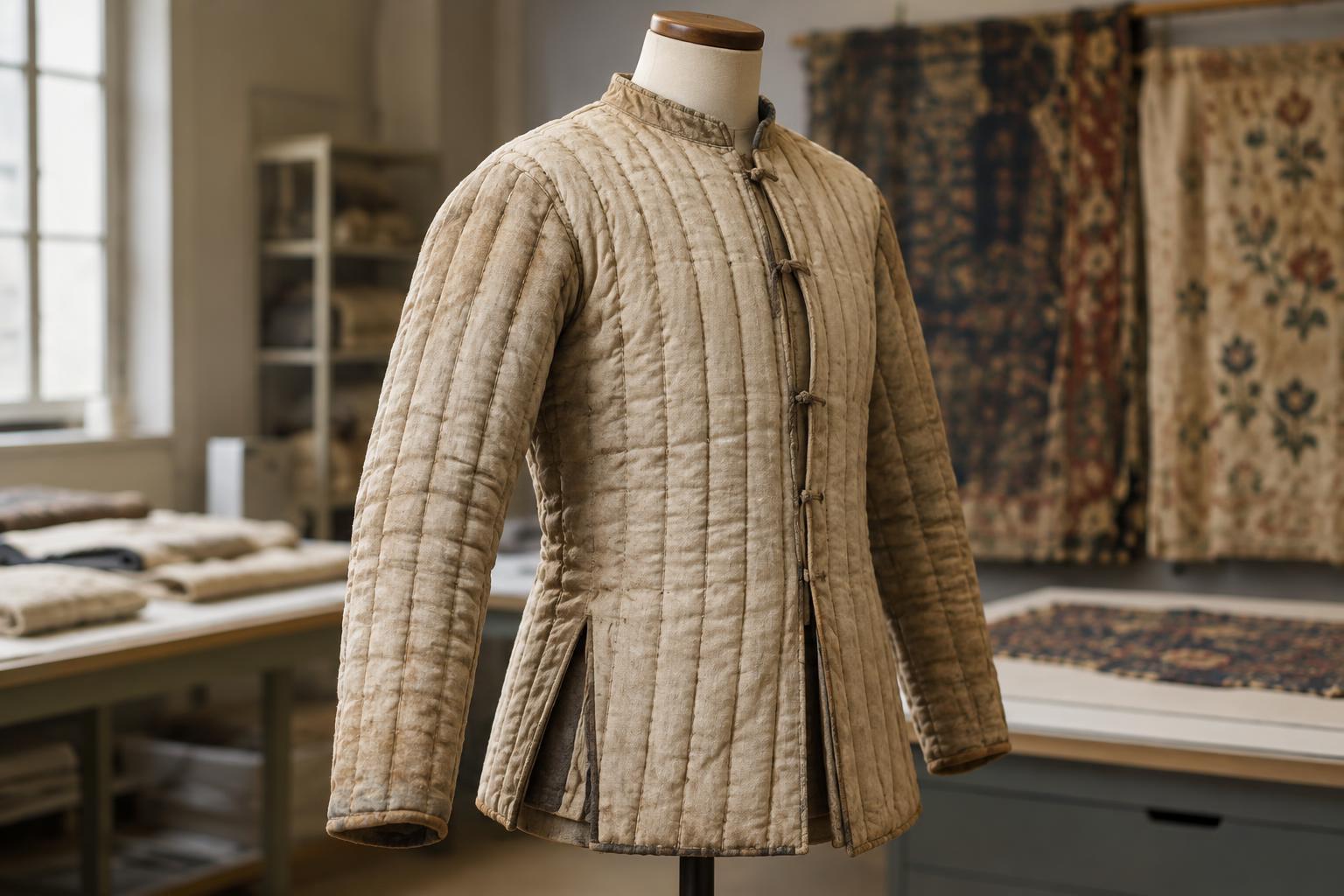
Armour and CraftsmanshipQuilted armour could be worn on its own or with other protective equipment. Its construction varied widely, from layered cloth to padded garments held together by stitching. Understanding how it was made and worn reveals both the practical skill of textile workers and the difficulty of interpreting surviving examples.
Read article · 4 min↗
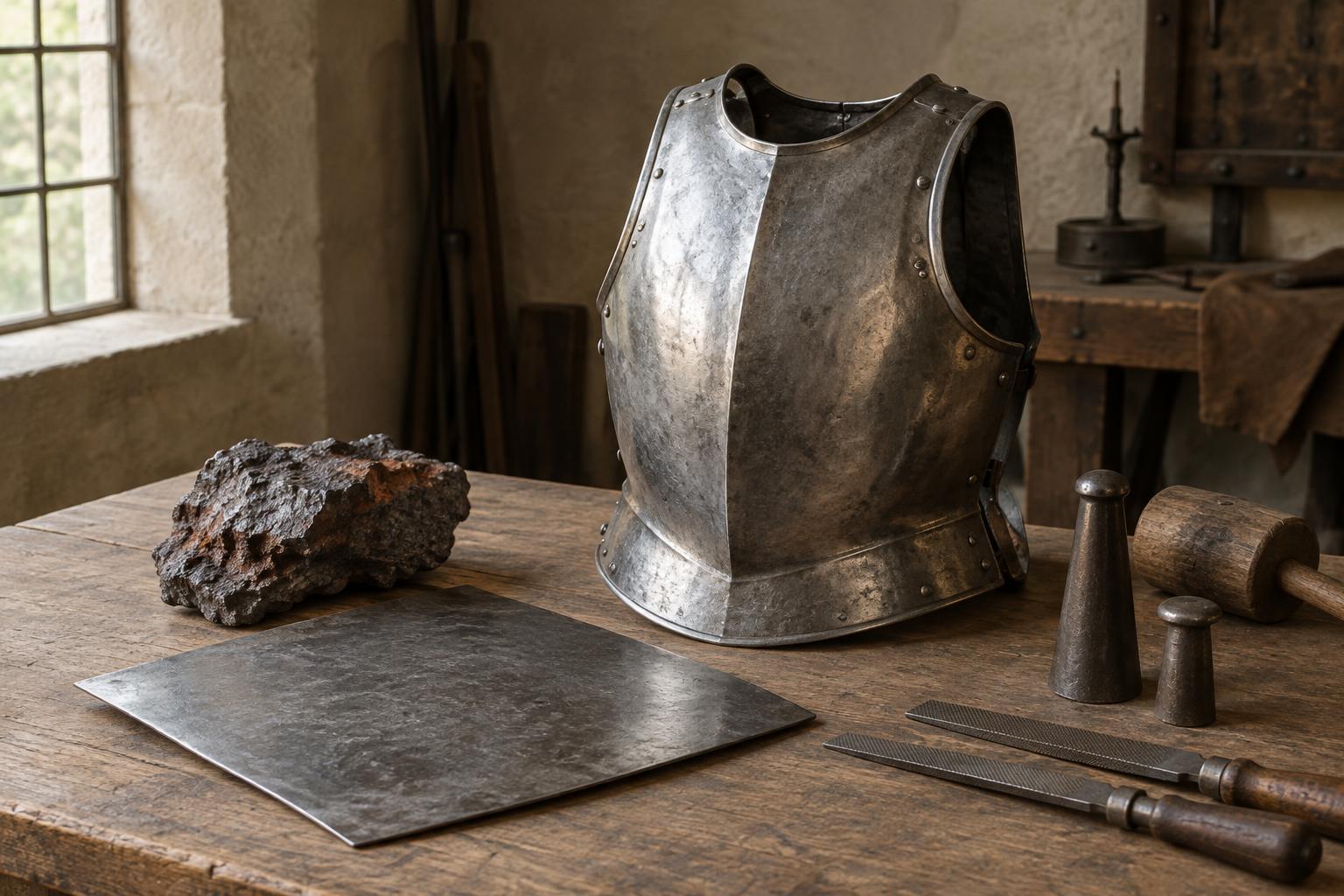
Armour and CraftsmanshipA breastplate began long before an armorer shaped it. Follow the iron, skilled labor and finishing work behind historic plate armour, and learn what surviving objects can reveal about the people who made them.
Read article · 4 min↗
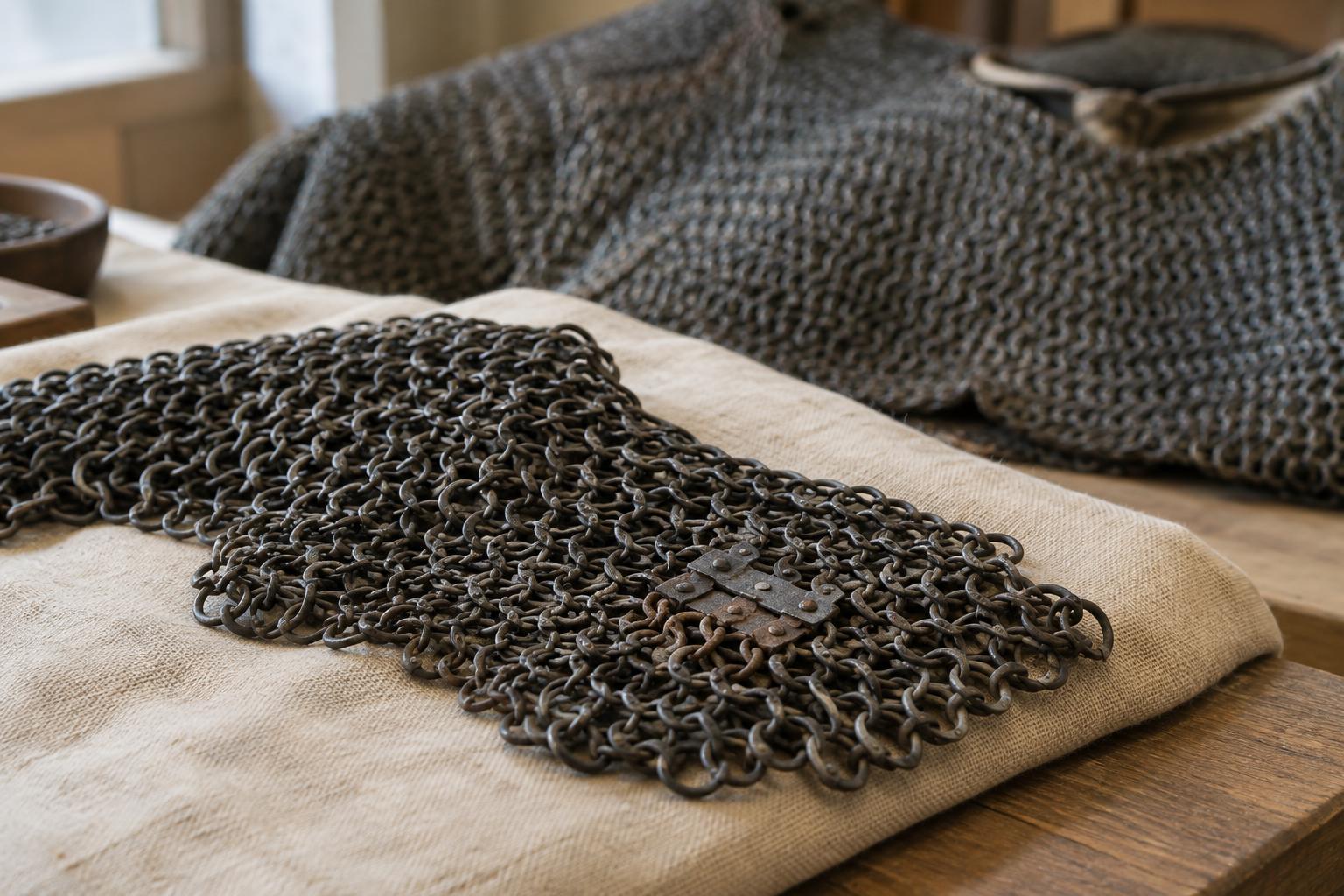
Armour and CraftsmanshipMail armour is easy to recognize but harder to interpret. A closer look at its rings, fastenings, and patterns reveals choices made by craftspeople, traces of repair, and the limits of what a surviving fragment can tell us.
Read article · 3 min↗
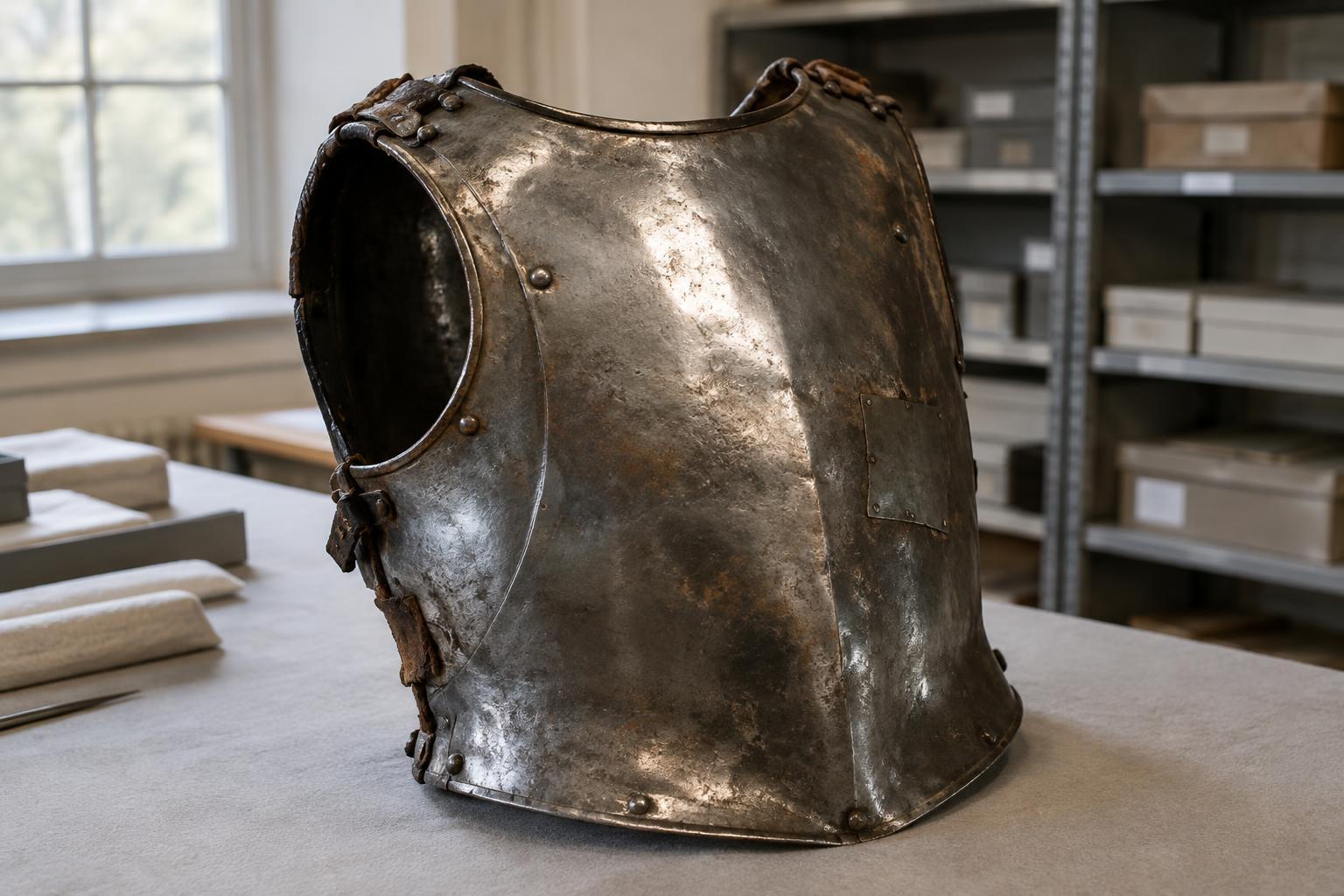
Armour and CraftsmanshipAn armoured object can preserve evidence of its original making, later use, repair, display, and restoration. Reading that evidence means looking closely at materials and construction while remaining open to more than one interpretation.
Read article · 4 min↗