Armour as a product of place
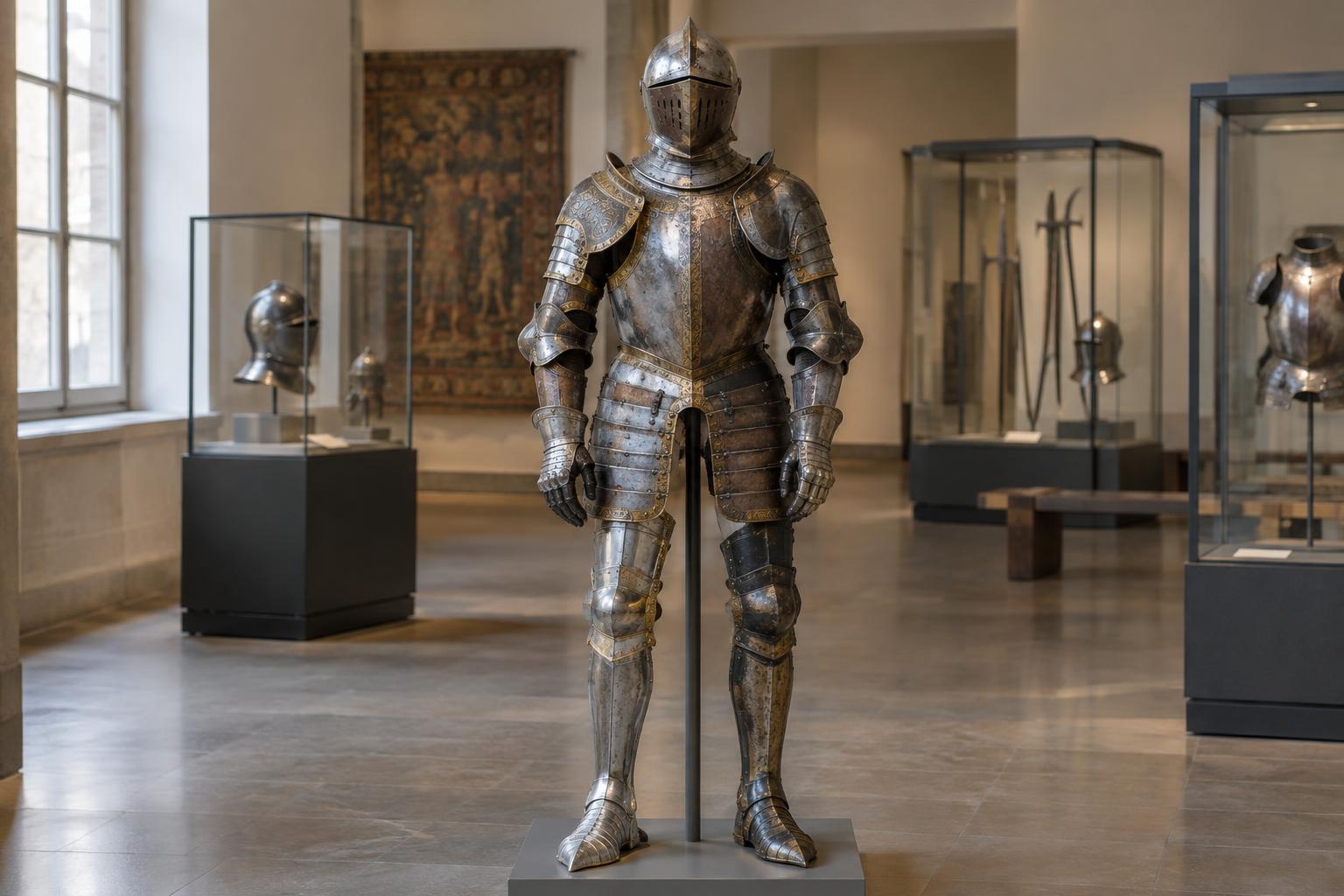
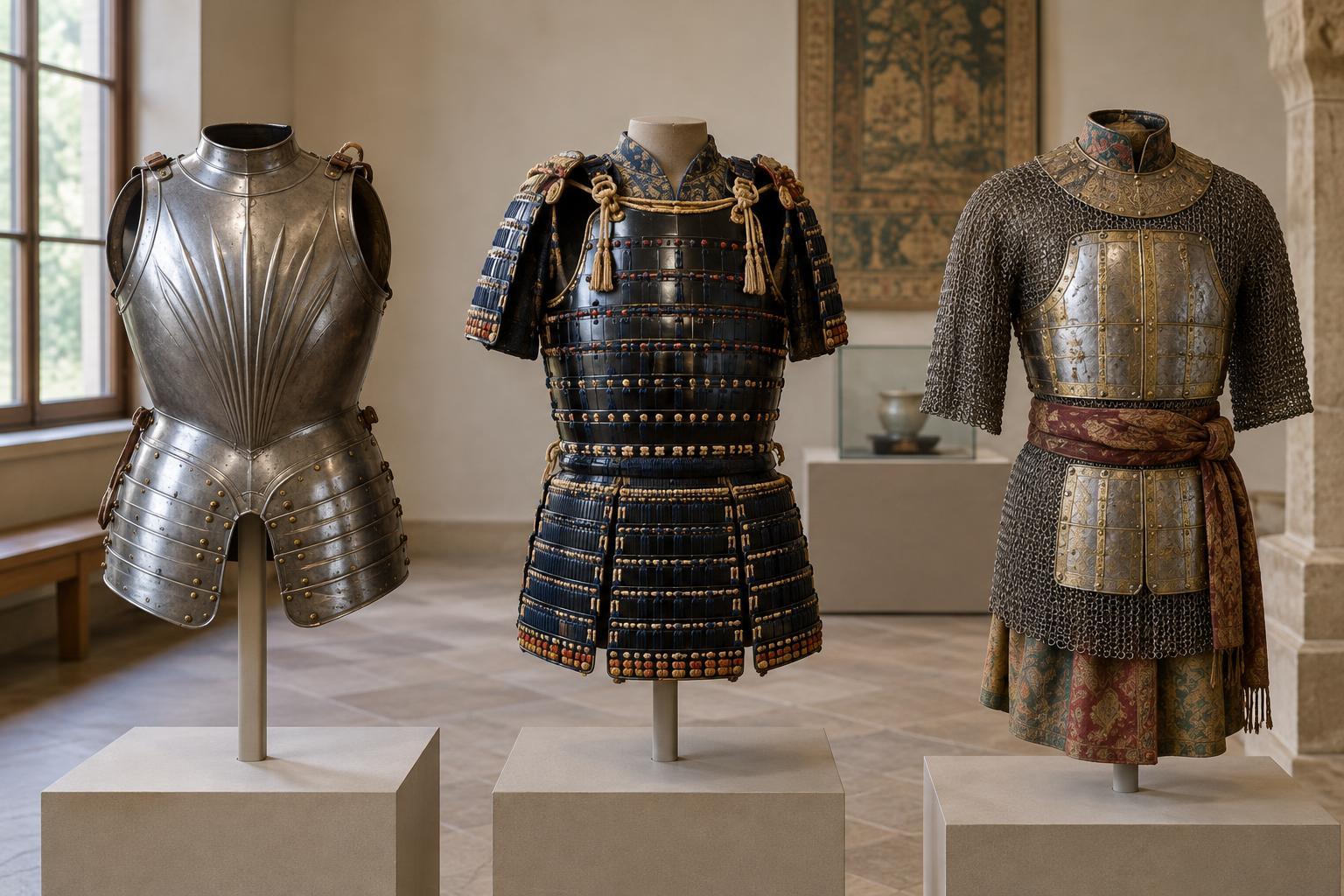
A gallery of historic armour can seem to present a series of regional styles: shaped steel plates here, rows of small laced plates there, and coats combining metal with cloth elsewhere. Those differences are real, but a map alone cannot explain them. Armour took form through choices made by craftspeople and patrons within particular networks of materials, skills, trade and taste.
It is tempting to treat each type as the inevitable answer to a local climate or a particular weapon. Such explanations are rarely complete. The same region could support several forms of armour at once, while a familiar construction might appear far from the place with which it is most often associated. An object’s appearance may also reflect its owner’s status or its ceremonial purpose, not just the demands of wear.
Materials set possibilities, not fixed rules
Makers worked with materials they could obtain, prepare and maintain. Metal might be shaped into larger plates, joined as smaller elements or incorporated into a textile garment. Cloth, leather and cord could provide structure as well as visible surfaces for colour and ornament. Access depended not only on local resources but also on trade, cost and the people who commissioned the work.
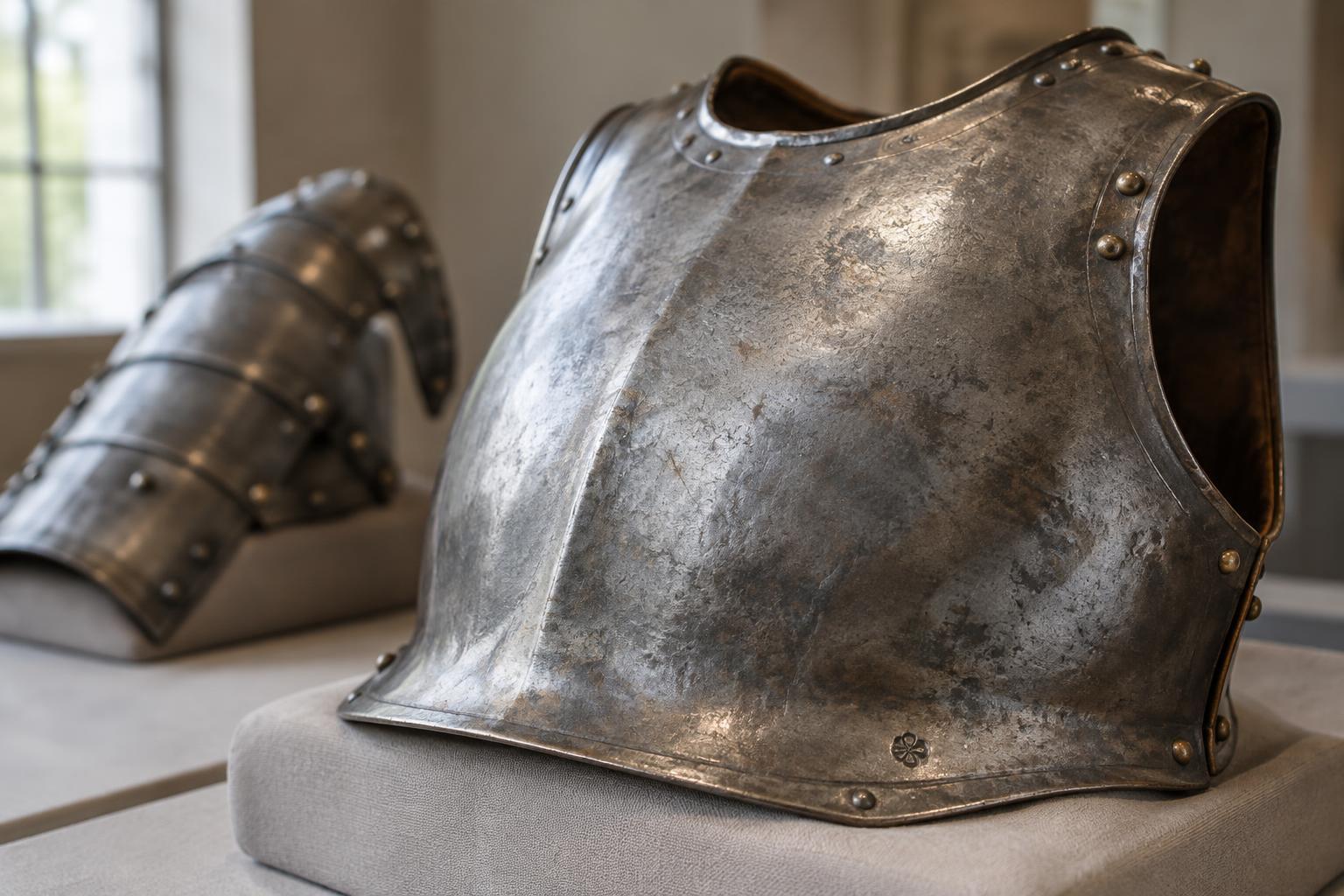
Materials helped determine an object’s look. A broad metal surface offers room for shaping, polishing or engraving; many small components create a repeated pattern of edges and fastenings. Layers of fabric can give a garment a very different outline from a fitted metal breastplate. Yet materials do not dictate a single design. Workshops working with comparable supplies could produce strikingly different results because they followed different practices and answered different requests.
Workshop knowledge leaves visible traces
Armour was made through learned routines: measuring, cutting, shaping, joining and finishing. A workshop’s tools and accumulated experience affected what it could make consistently. Some armour traditions favoured assemblies of numerous small parts; others developed closely fitted plates or garments that integrated metal and textile elements. These were not simply technical alternatives. Each demanded particular skills in fitting, fastening and finishing.
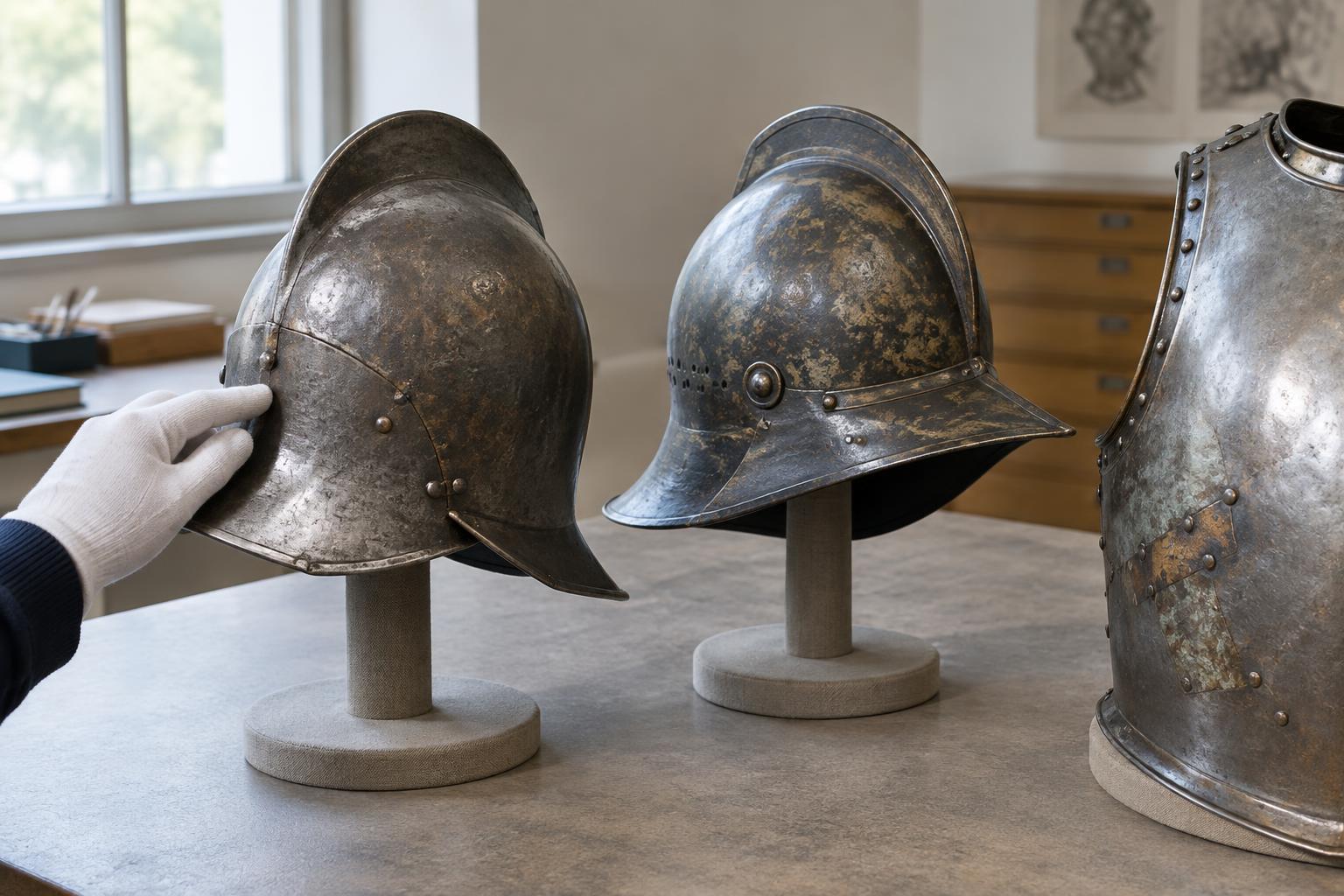
Details worth noticing in a museum include the regularity of rivets, the treatment of edges, the placement of hinges and the way separate pieces meet. Such features can suggest how makers expected an object to be worn and cared for. They can also reveal repair or alteration. Armour might pass between owners, be adjusted to a new body, or acquire replacement parts, so the object on display need not represent one workshop’s work at a single moment.
Fashion and identity shape the silhouette
Armour was seen as well as worn. Patrons could ask for forms that suited prevailing dress, displayed rank or signalled an affiliation. The outline of a helmet, the length of a skirt of plates, or the colours of lacing could make a piece recognizable within its social setting. Decoration might draw on local artistic traditions, but imported motifs could be adopted and transformed too.
Comparing objects makes these choices clearer. European plate armour, Japanese armour with prominently laced components, and South Asian garments combining mail and plates can look distinct at a glance. None of those broad labels describes every example from its region. Individual pieces vary with patronage, occasion, workshop practice and changing fashion. A richly ornamented object may have been intended to communicate prestige, while a plainer one can still show considerable skill in its construction.
Reading regional differences carefully
Regional names are useful starting points, not complete explanations. To understand a piece, look for evidence at several scales: what it is made from, how its parts are joined, which surfaces receive decoration and whether signs of alteration interrupt the original pattern. A museum label may identify a place of manufacture, a place of use or a style associated with a region; these are related but not always the same thing.
Armour’s variety comes from overlapping decisions rather than isolated traditions. Materials opened some possibilities, workshop skills developed others, and patrons selected forms that made sense in their own social worlds. Looking beyond the most obvious silhouette allows an object to tell a fuller story: one of craftsmanship, movement and changing ideas about how a person should appear.