An object that made the past visible
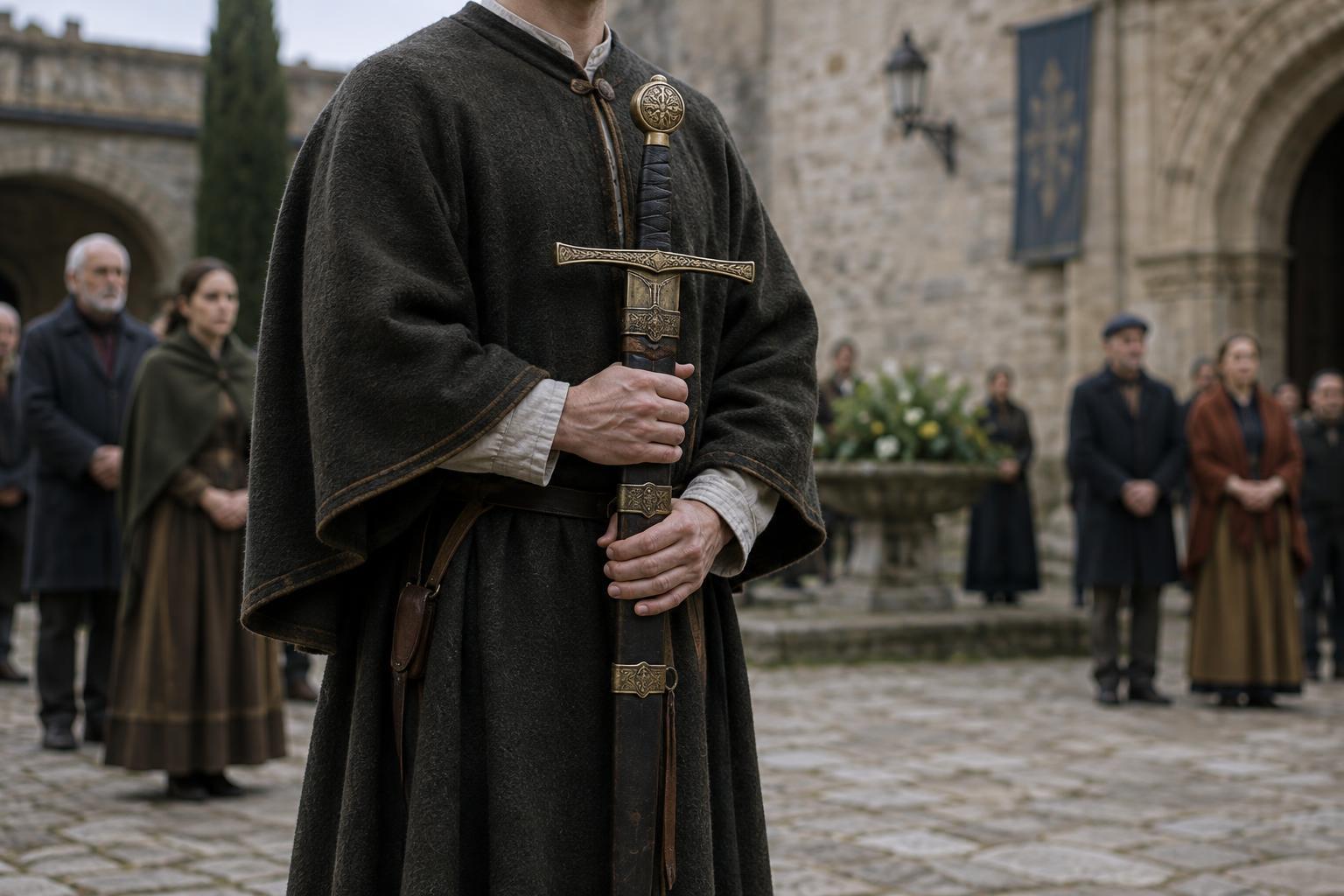
In a public ceremony, an old sword or spear could do something a spoken account could not: give a crowd a tangible point of contact with the past. Carried before an official, displayed beside a seat of authority or brought out for a yearly observance, the object suggested that the occasion belonged to a longer story. Its importance in that setting was not primarily its original function. It was the history people believed it held.
Calling a weapon “ancestral” might connect it to a family founder, a former ruler, a local defender or an earlier community. Such claims did not always arise from a reliable record of ownership. Names, stories and ceremonial roles could accumulate over generations. Yet the claim itself had consequences. It shaped how people handled the object, who was entitled to present it and what the gathering was understood to commemorate.
Antiquity as a claim to continuity
Claimed age could lend weight to an institution whose members changed but whose identity was meant to endure. A ceremonial weapon presented as a predecessor’s possession implied an unbroken connection between past and present officeholders. For a family, it could make inheritance visible. For a town or association, it could place a current celebration within a shared account of earlier generations. The object served as a witness to continuity, even when no one could establish every stage of its journey.
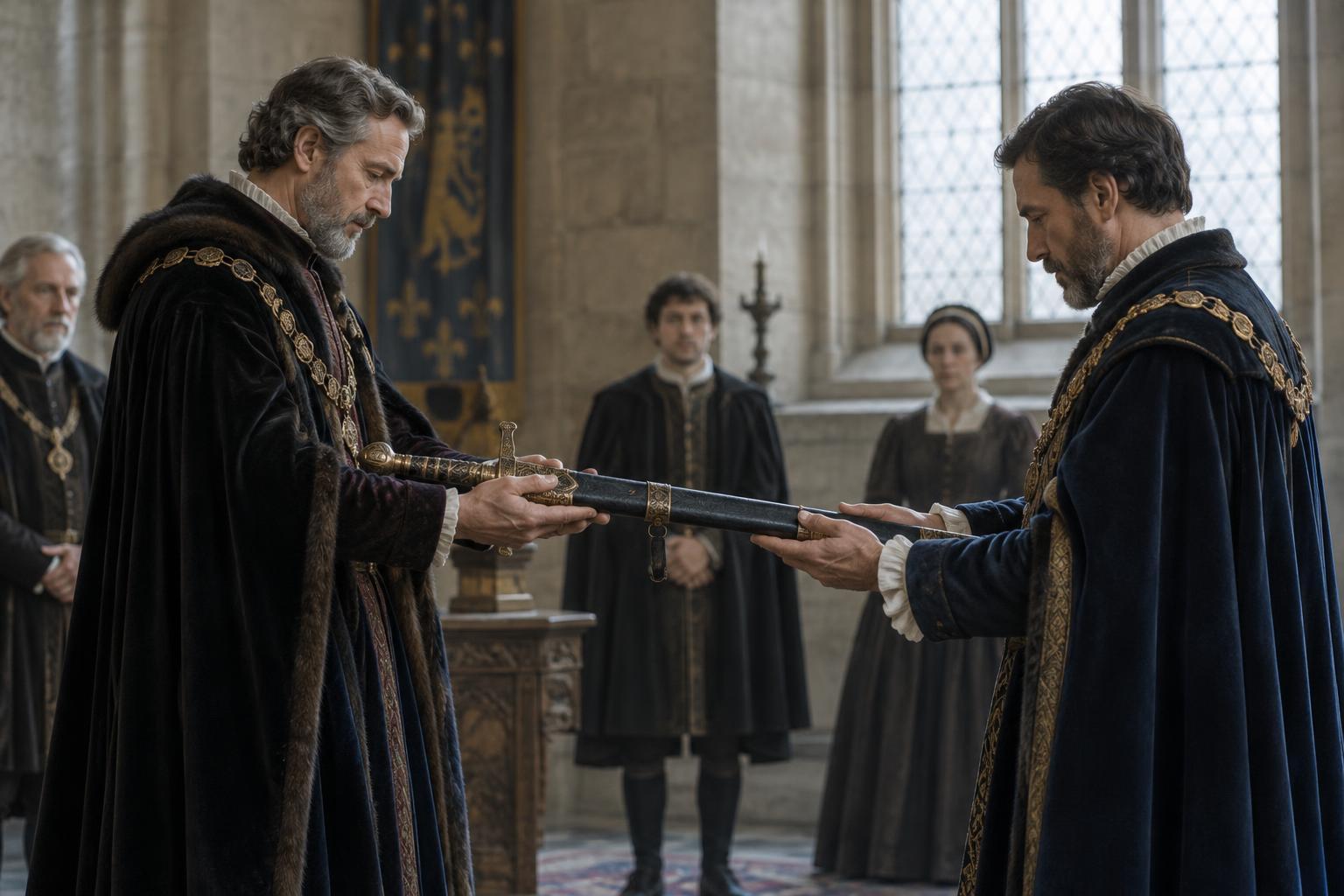
That message depended on more than the object’s appearance. Processional order, prescribed custodians and repeated gestures all helped identify it as something set apart. An ordinary-looking blade might carry great local significance because generations had brought it out on the same occasion. Conversely, an elaborate object might have little ancestral history before a later owner attached a story to it. Ritual gave a claim of antiquity a public audience and, through repetition, helped keep that claim alive.
Why an uncertain origin did not make the tradition meaningless
An object’s documented age and the age assigned to it by tradition are different questions. A weapon may have been repaired, fitted with a newer hilt, combined with parts from other objects or replaced while retaining an older ceremonial name. Such changes complicate a simple statement that it “belonged to” a particular ancestor. They do not erase the later history of the community that cared for it.
This distinction helps explain why accounts of ancestral weapons can be historically valuable even when their earliest claims are difficult to verify. A story about a remote founder may reveal little about the weapon’s manufacture, but much about what later generations wished to remember. It may express loyalty, civic pride, grief or a sense of shared responsibility. The useful question is not only “How old is it?” but also “When did people begin treating it as old, and what did that belief allow them to say?”
The work of keepers and witnesses
Public ritual rarely belonged to the object alone. Custodians stored it, carried it, recorded its appearances and sometimes decided when it could be seen. Their roles could reinforce distinctions within a group: who represented the community, who inherited an office and who was trusted to care for a treasured possession. Spectators mattered too. Recognition from an audience turned a private heirloom into a public symbol.
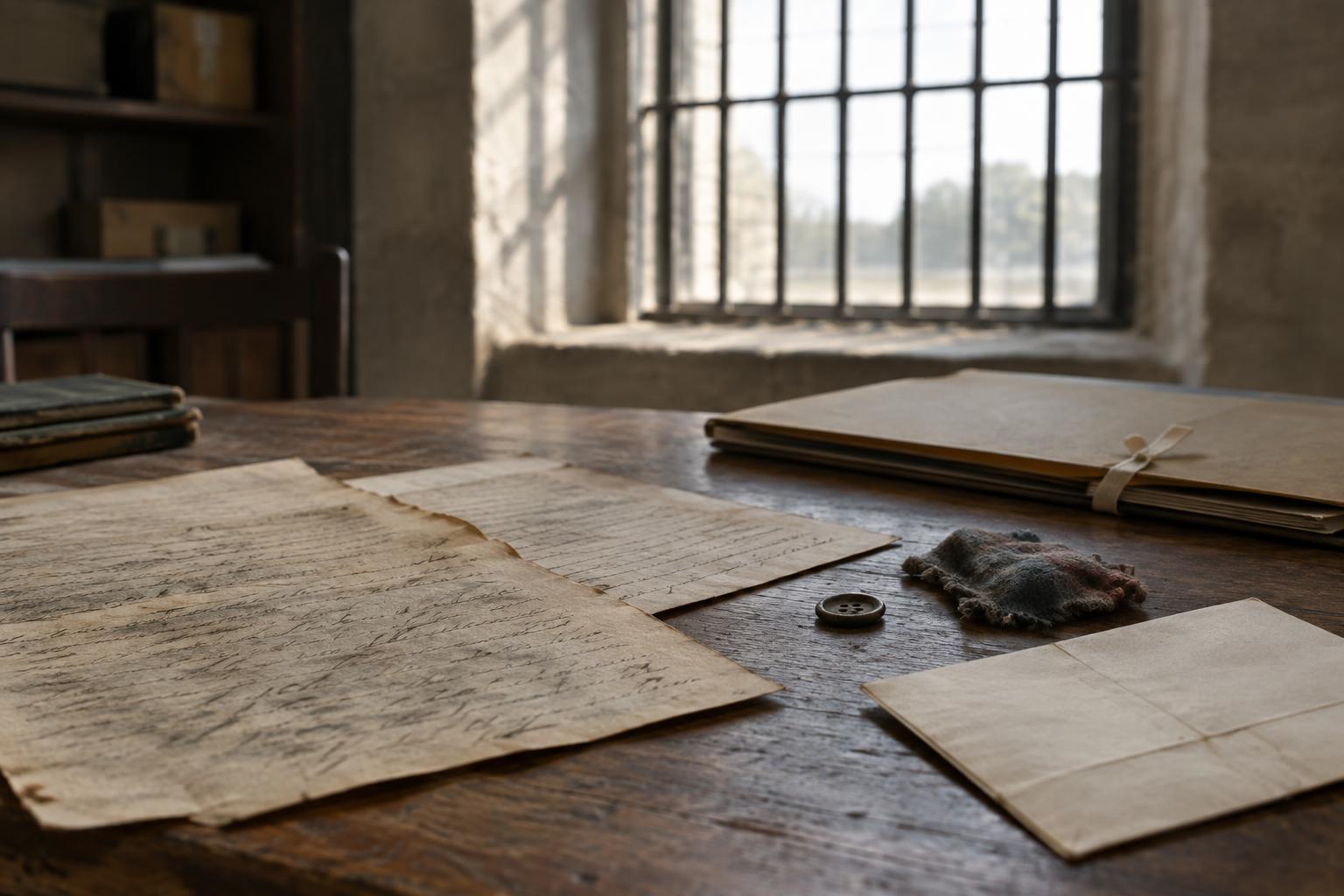
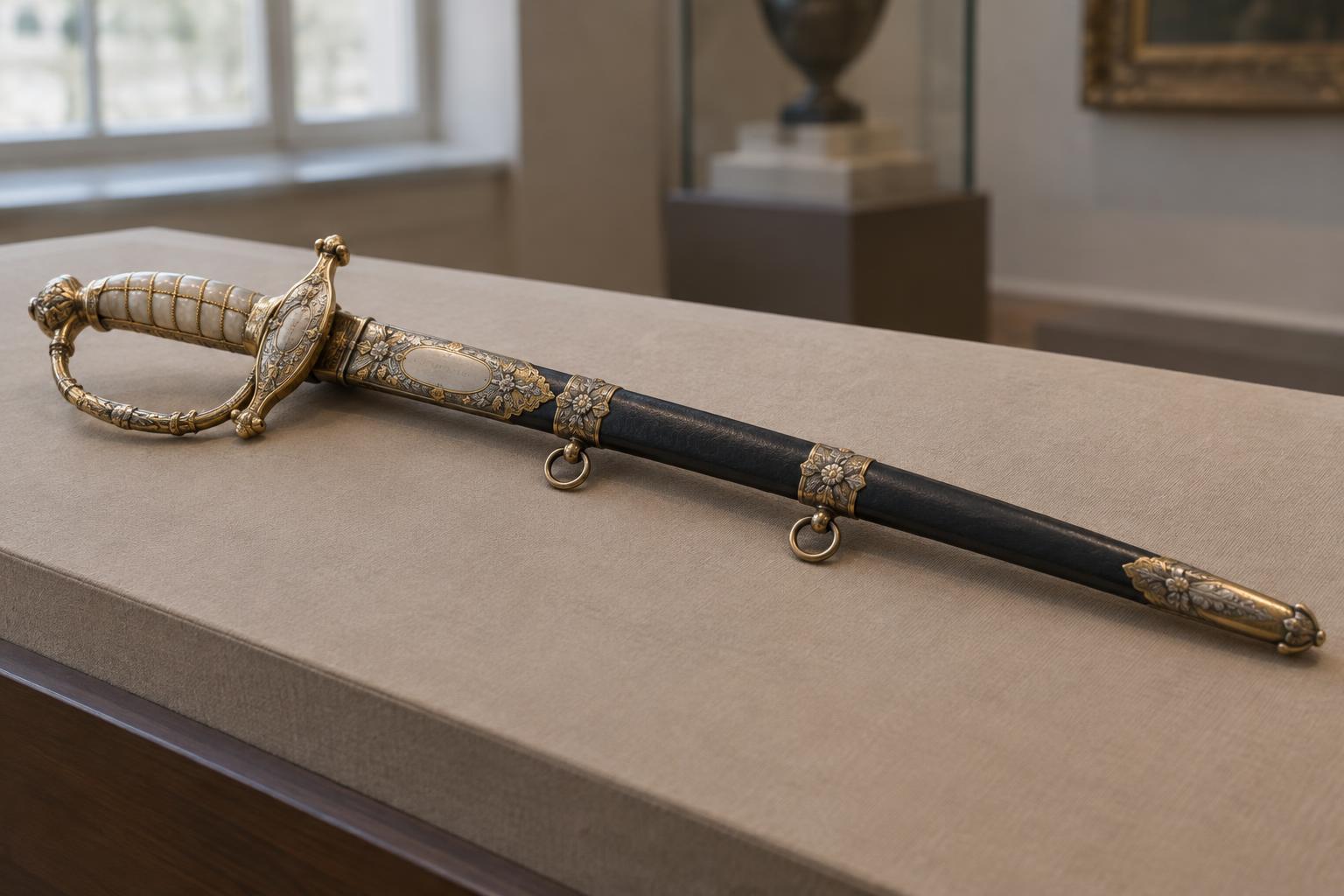
The weapon’s material condition also affected its ceremonial life. Wear could be read as a sign of age, while bright fittings might make an object more suitable for display. Repairs might preserve a valued tradition but obscure evidence of how the object first looked. For that reason, modern interpretation benefits from separating visible features, surviving records and inherited accounts rather than treating them as a single, certain history.
Reading the object and the tradition together
A museum label can convey both the attraction and the uncertainty of an ancestral weapon. It might identify the materials and features that can be observed, explain the ceremony in which the object appeared and describe an attribution as a tradition rather than a proven fact. This approach neither dismisses the people who valued the object nor asks visitors to accept every inherited claim literally.
The richest interpretation follows two histories at once: the history of the physical object and the history of its meaning. Who made or altered it? Who preserved it? On what occasions was it displayed, and which memories did those occasions bring forward? An ancestral weapon may not provide a direct link to the distant person named in its story. It can still show how later generations used a tangible object to make belonging, authority and remembrance visible in public.