Captivity was not one experience
A person’s capture did not begin a predictable journey. Treatment could depend on the conflict, the prisoner’s rank or status, local resources, and the decisions of those holding them. Some captives remained near a place of fighting; others were moved far from home. Conditions could also change as a conflict continued. Rather than asking what prisoners of war generally experienced, it is more useful to ask what happened to a particular group, in a particular place, at a particular time.
Historical records may distinguish officers, enlisted personnel and civilians, but those categories do not always describe everyone neatly. People serving armies as labourers, interpreters or camp followers might appear under inconsistent labels or not appear at all. An account focused only on formally listed prisoners can therefore miss others whose freedom was restricted by the same conflict.
Why prisoners appear in the records
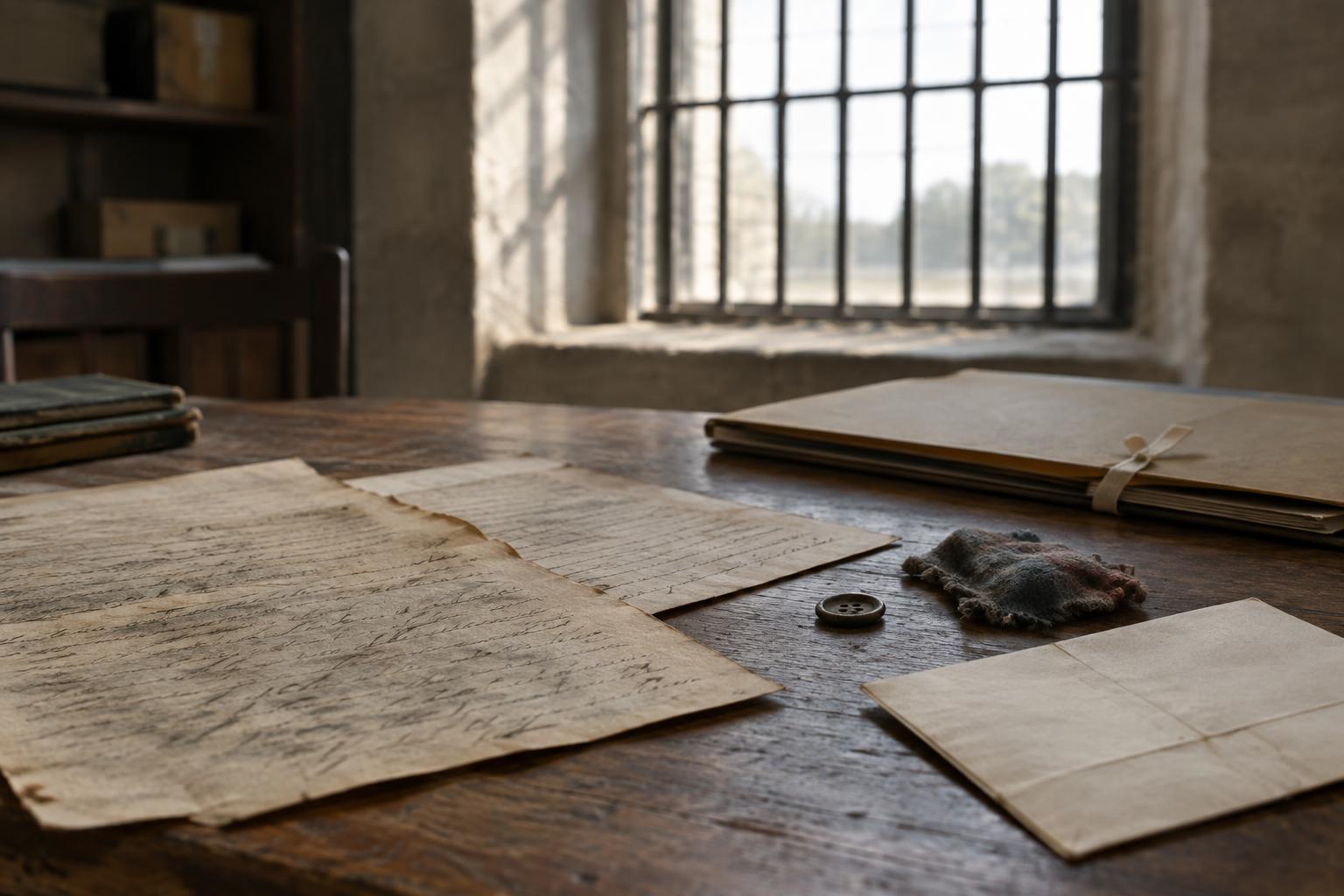
Captors and governments had practical reasons to document prisoners. Lists could record names, places of origin, dates of capture, movements between sites or deaths in custody. Correspondence might discuss provisions, accommodation or proposed exchanges. Such records can help establish a sequence of events, but they were usually made for administrative purposes, not to preserve a complete account of each person’s life.
A name on a register is best treated as a starting point. Spelling may vary, details may have been copied incorrectly, and a person might appear in several records under different descriptions. Likewise, an absence from a surviving list does not prove that someone was never held. Records could have been incomplete when created, or lost later. Comparing entries across documents, when possible, is more reliable than building a whole story from one line.
Personal testimony can add what an official list leaves out: uncertainty, relationships, daily routines and the meaning a prisoner gave to events. Yet memoirs and letters have their own limits. Their authors wrote for particular readers and may have had reasons to emphasize some experiences over others. Reading personal and administrative accounts together can reveal both points of agreement and questions that remain open.
Exchange, release and the uncertain journey home
Captivity did not always end with the end of a battle or even the end of a war. Prisoners might be exchanged, released, transferred or remain confined while authorities settled arrangements. The word “released” in a document may mark an administrative decision rather than the moment a person reached home. To understand what happened next, a historian may need to look for travel records, family correspondence or later references to service.
Return also changed how captivity was remembered. Some former prisoners had opportunities to describe their experiences publicly; others left little testimony. Families might remember a long absence, illness or a disrupted livelihood, while an official record noted only a date of release. These differences do not necessarily mean that one account is false. They show that institutions and individuals were recording different parts of the same event.
It is worth resisting a tidy ending. A surviving document may establish that a prisoner was transferred or released without showing whether they reunited with family. Where the trail stops, an honest account should say so rather than fill the gap with an assumed homecoming.
How to interpret captivity without reducing people to numbers
Counting prisoners can help describe the scale of an event, but totals depend on who was counted and when. A figure drawn from a capture report may differ from one drawn from a later register because people moved, died or were recorded under other categories. Before comparing numbers, ask what each document measures. A precise-looking total is not necessarily a complete one.
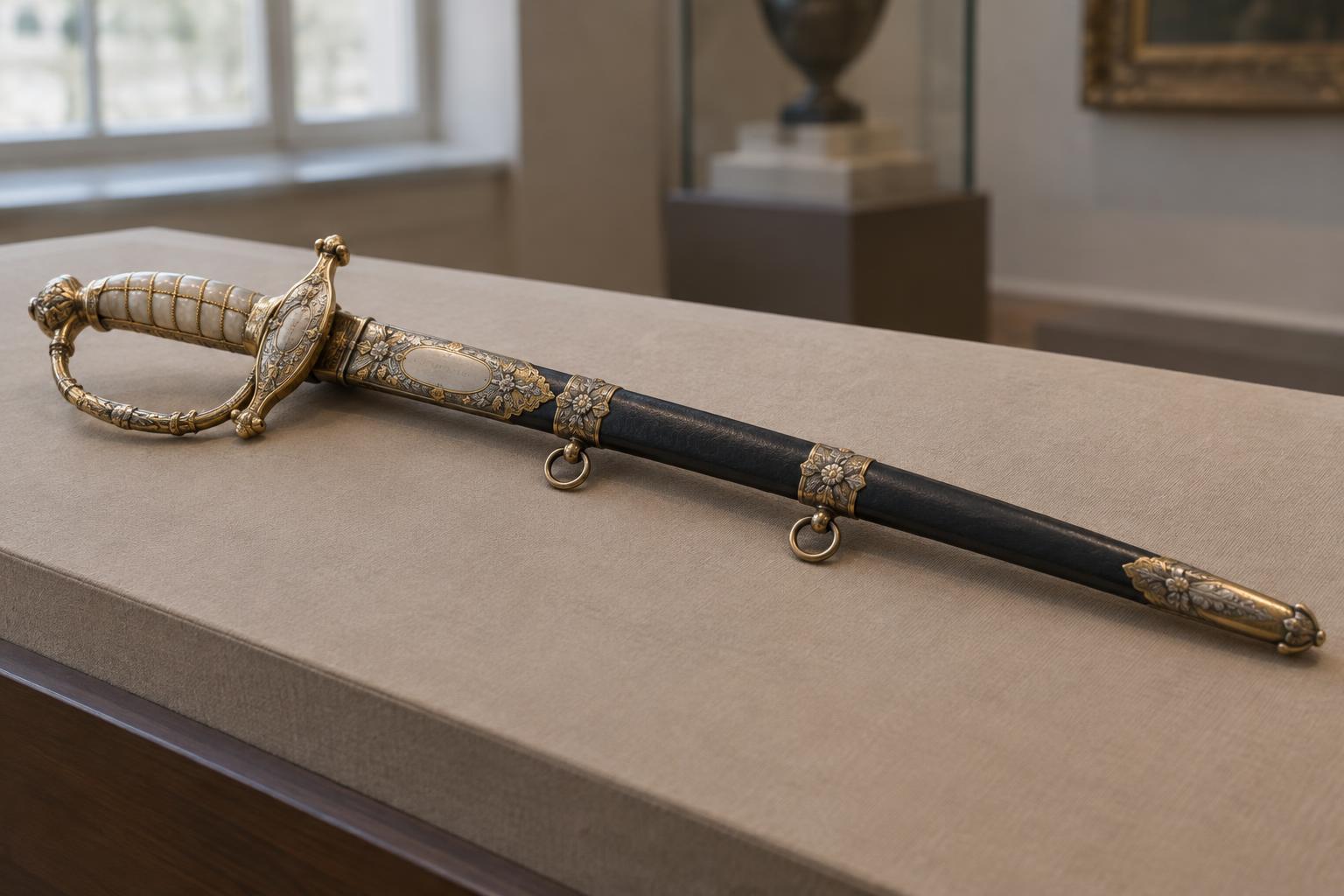
Objects associated with captivity require similar care. A handmade keepsake, marked container or piece of correspondence may suggest how someone used time or maintained a connection with home. It cannot, by itself, represent every person held in the same place. In a museum, a useful label connects the object to a documented owner or setting where possible, while making clear what is inferred rather than known.
The most responsible history of prisoners of war combines close attention to individual lives with an awareness of the systems that recorded them. It asks who created each piece of evidence, why it survived and whose experience it leaves out. That approach makes room for both the detail a document preserves and the people its categories cannot fully describe.