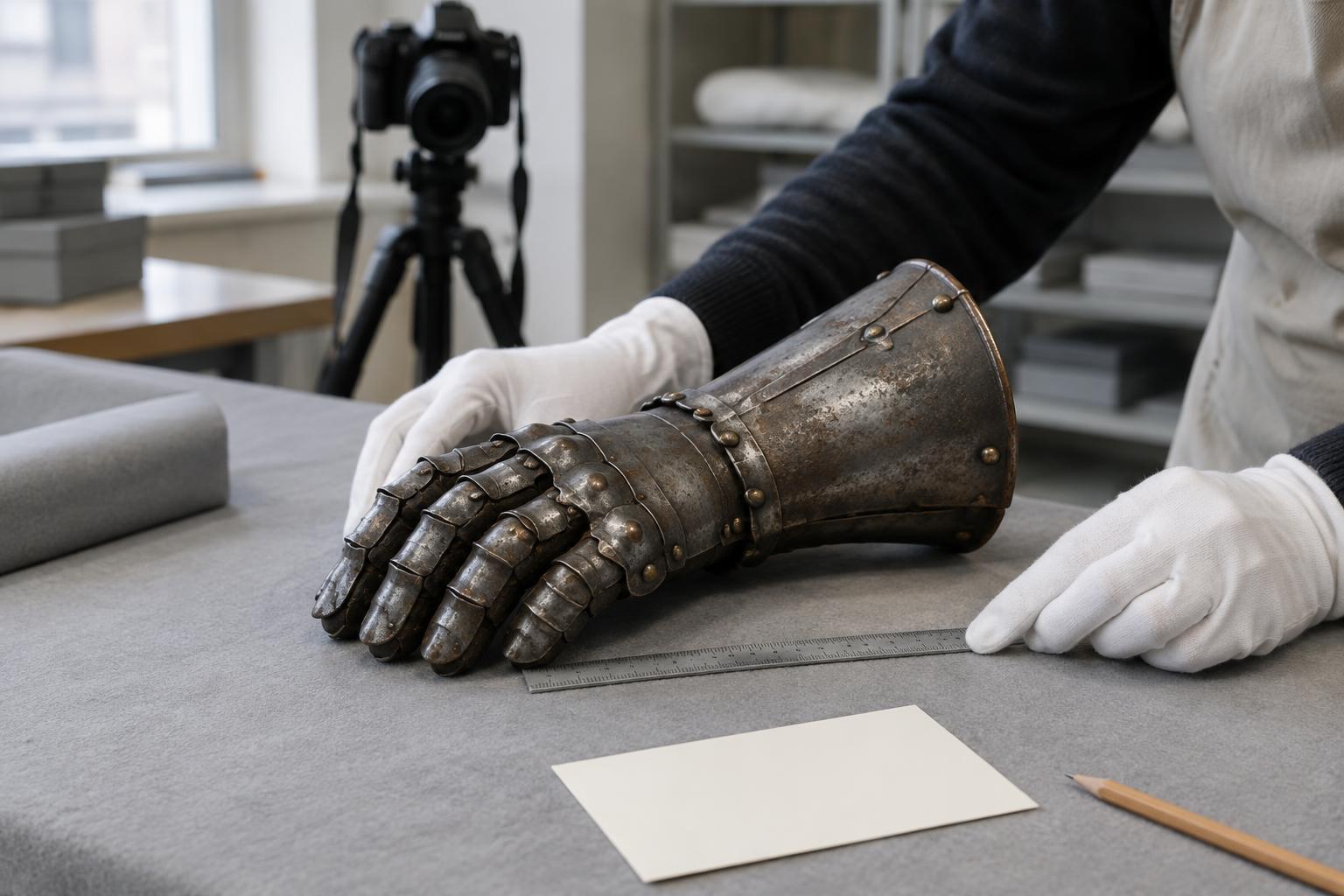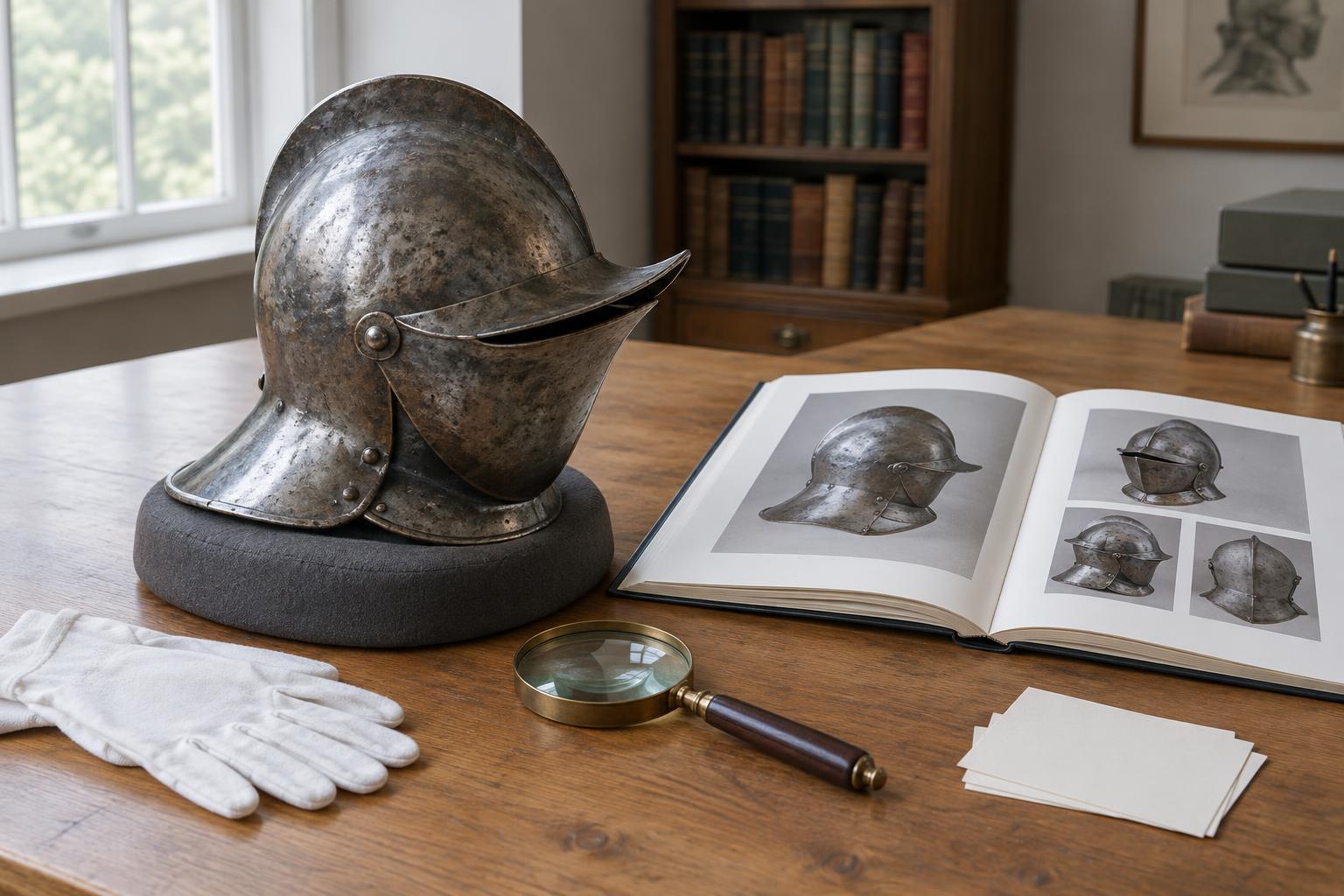
What exactly is the object?
The first question is more difficult than it sounds. “Historic arm” may describe a weapon, a component, a later replica, or an object altered long after its original manufacture. Age, materials, alterations and completeness can all affect how an item is classified. An antique label in a sales description is not, by itself, a reliable answer to a legal question. Ask the seller to describe the object precisely, including any replaced parts, restoration and uncertainty about its identification.
Classification matters because rules may differ by location and by type of object. Requirements concerning possession, transfer, transport, display and export are not necessarily the same. Before committing to an acquisition, check the rules that apply where the object is located, where it will go and anywhere it must pass through. A relevant authority or qualified local adviser can help resolve questions that a general collecting guide cannot.
Can its path into the market be explained?
Provenance is the documented history of an object’s ownership and movement. Useful records may include earlier collection inventories, auction descriptions, photographs, correspondence and transfer paperwork. These records should be read as evidence, not as a decorative story: do names, descriptions and physical details agree? Are there unexplained gaps, especially around a recent appearance on the market? A missing record does not automatically make an object improper to collect, but it does limit what can responsibly be claimed about it.
Ask whether the seller has the right to transfer the object and whether any permissions are needed. For an item that has crossed borders, consider whether export and import requirements were met at the relevant stages. Where the documentation is incomplete or contradictory, pausing an acquisition may be wiser than treating an appealing attribution as proof. Keep copies of the information on which you relied, including descriptions that clearly state what remains unknown.
Who else may have a stake in its history?
Legal ownership and ethical stewardship are related but not identical questions. A piece may be associated with a burial, a sacred practice, a community tradition or a period of conflict and displacement. Its availability for sale does not settle whether it was removed with consent or whether collecting it would cause harm. These concerns deserve particular care when an object’s original context has been lost or its account comes solely from a seller’s description.
Consider who made, used and preserved the object, and whose perspective is absent from the available records. If there is reason to suspect theft, coercive removal or an unresolved claim, seek informed guidance rather than relying on a reassuring but unsupported story. Ethical collecting can also mean declining an acquisition. When ownership is appropriate, accurate descriptions and openness about uncertainty help prevent later collectors from mistaking speculation for established history.
Can you care for it without erasing evidence?
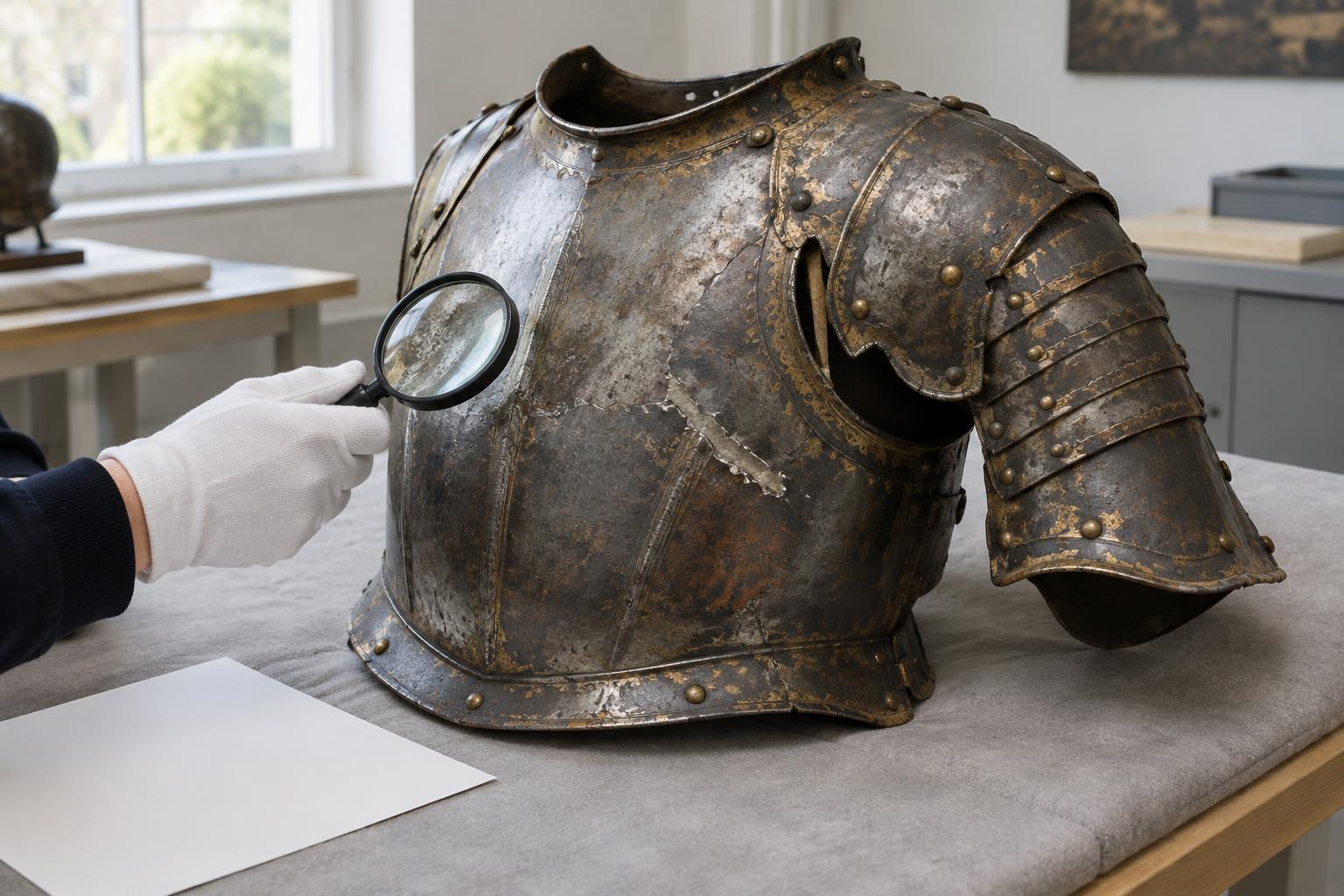
Historic arms are material records. Wear, repairs, surface finishes and old labels may reveal how an object was made, used, collected or displayed. Before cleaning or restoring a piece, ask what information an intervention could remove. An appearance of completeness is not always the best conservation outcome: a visible historic repair, for example, may be part of the object’s story.
Plan for secure storage, stable conditions appropriate to the materials and a record of the object’s condition when acquired. Mixed materials such as metal, wood, leather and textile can have different preservation needs. If an item is fragile or its condition is uncertain, consult a qualified conservator before treatment. Documenting what has changed—and what has deliberately been left alone—will help future custodians understand the piece.
What will your collection communicate?
A collection does more than hold objects; it shapes the stories others can tell about them. Record what is known separately from what is believed or traditionally attributed. Note the basis for a date or identification, retain earlier descriptions even when they prove mistaken, and avoid presenting a weapon only as a technical curiosity. Its craftsmanship may be inseparable from histories of authority, ceremony, conflict or personal memory.
Finally, think beyond the purchase. Would another custodian be able to understand the paperwork, condition history and unanswered questions you leave behind? Organised records make responsible transfer, lending or eventual donation easier to consider. The strongest collecting decision is not simply whether an object can be acquired, but whether you can account for its past and care for its future.