Start with a record that can grow
Documentation helps a collection remain understandable as objects change hands, move into storage, or develop new conservation needs. For historic arms and armour, a record can preserve details that are easy to forget: an old label, an unusual repair, or the exact location of a maker’s mark. It also lets a future reader distinguish what was observed directly from what was inferred.
Give each object a unique identifier and use it consistently in filenames, notes, and storage records. A simple entry should include the object name, its current location, materials visible to the eye, a brief physical description, dimensions, photographs, and the date the record was made. Record any known ownership or exhibition history separately from the physical description. If an attribution or date is uncertain, say so rather than turning a possibility into a fact.
A spreadsheet, database, or paper form can all work. Consistency matters more than software: use the same field names and measurement units throughout, and leave space to add later findings without overwriting earlier observations.
Make photographs useful as evidence
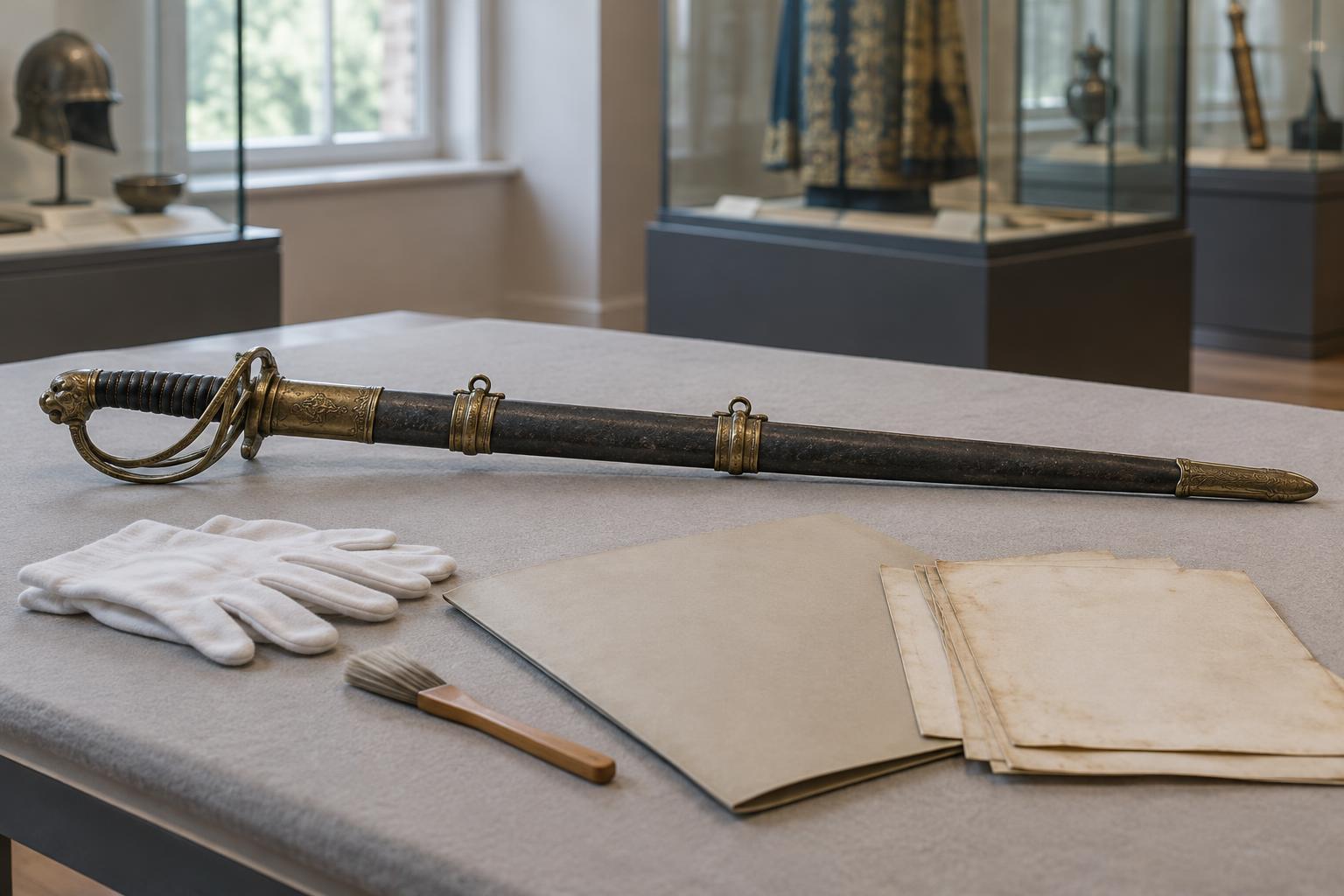
Photograph the whole object first, then its significant details. For a piece of armour, this might mean front, back, sides, interior, and close views of joins, decoration, marks, and repairs. For a historic arm, include overall views and details of inscriptions, fittings, surfaces, and any associated sheath or case. Take a separate image of labels and packaging that may hold clues to the object’s history.
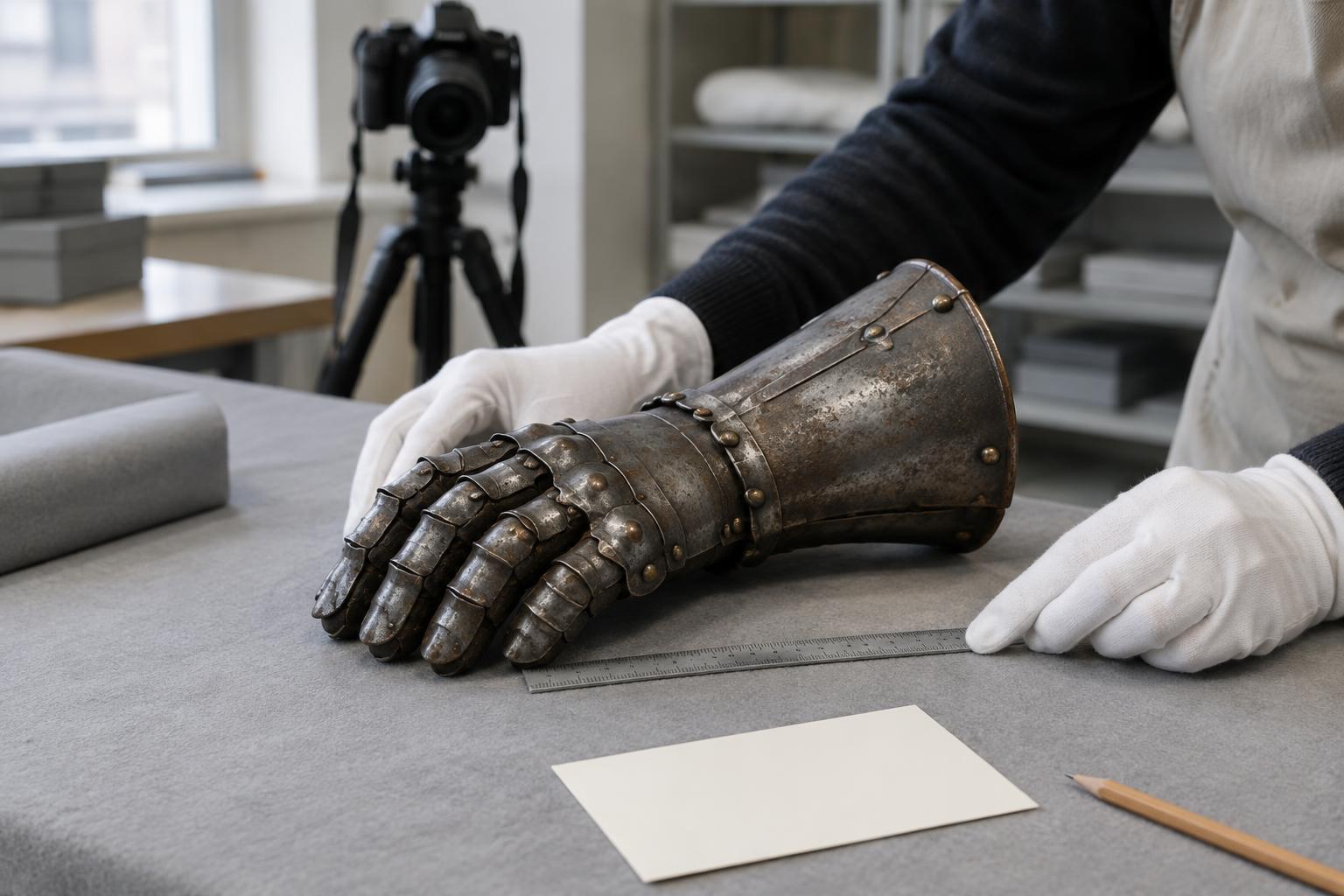
Use even light and a plain background so contours and surface details remain legible. A scale or ruler in at least one view helps later readers judge size; place it beside the object without obscuring it. Keep the camera as square to a flat feature as practical, and add angled views when they better show form or texture. Avoid filters or edits that alter colour or conceal blemishes. If you make a cropped or adjusted copy for publication, retain the original file.
Name files with the object identifier and a short view description, such as “front” or “mark-detail.” Keep a note of the photography date. These small habits prevent attractive images from becoming disconnected from the objects they document.
Measure consistently and describe what you see
Measurements are most useful when another person can repeat them. Record the units, the points measured, and whether a figure is approximate. Overall height, width, depth, and weight may be enough for a simple object; a complex object may need additional dimensions for its components. If an object cannot be measured safely or accurately, record the limitation rather than guessing.
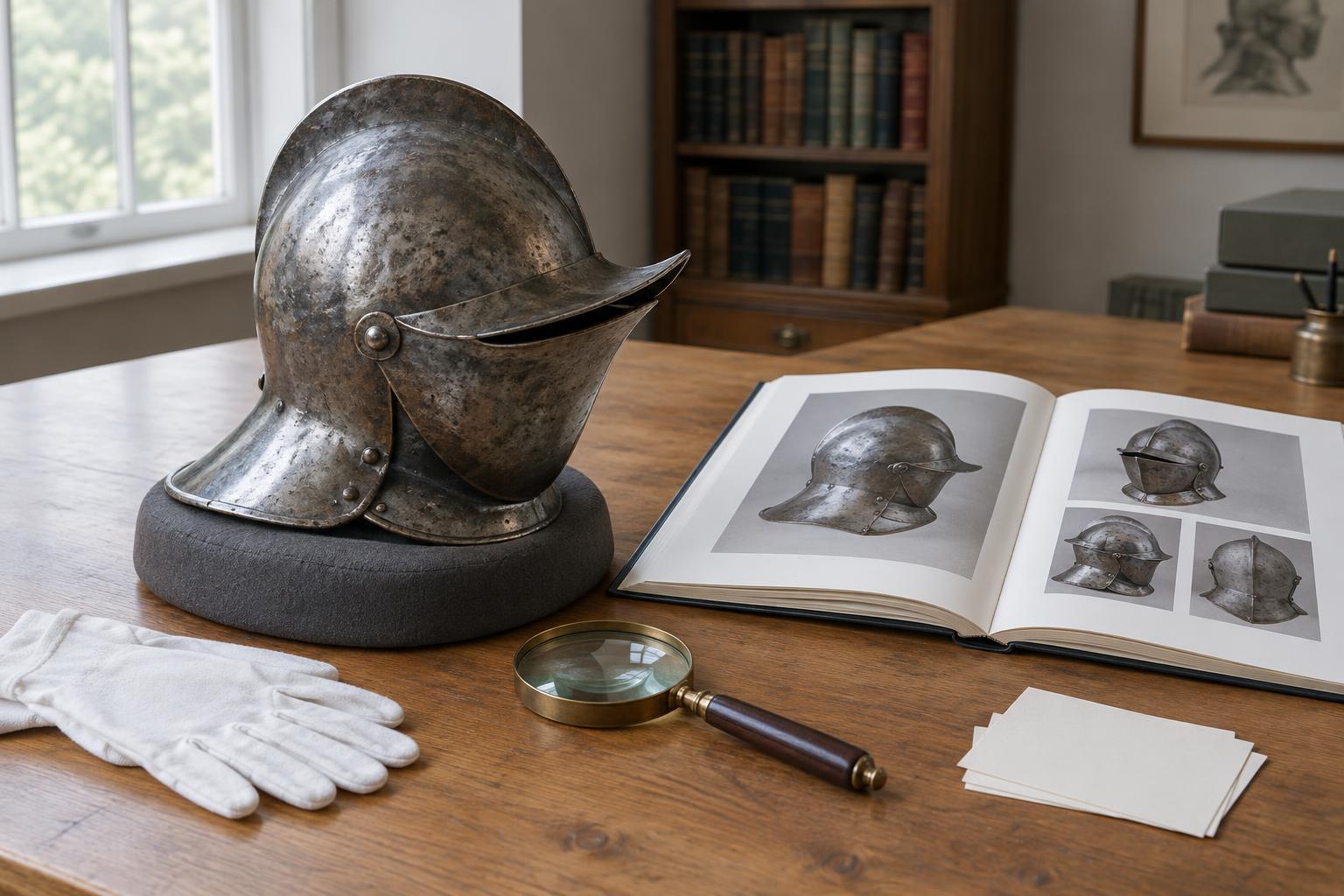
Description should be specific but restrained. Note visible materials, construction features, ornament, inscriptions, and signs of wear, without assuming why every mark exists. “Darkened area near the lower edge” is an observation; identifying it as a particular treatment may require closer examination. Transcribe an inscription as carefully as possible, preserving uncertain letters with a clear note. Keep proposed readings or translations in a separate field.
Before moving anything, consider its condition and weight. Support fragile components, avoid forcing fitted parts, and do not dismantle an object merely to complete a record. If handling could cause damage, photographs and measurements made while it remains in place are better than an exhaustive record obtained at its expense.
Separate condition from interpretation
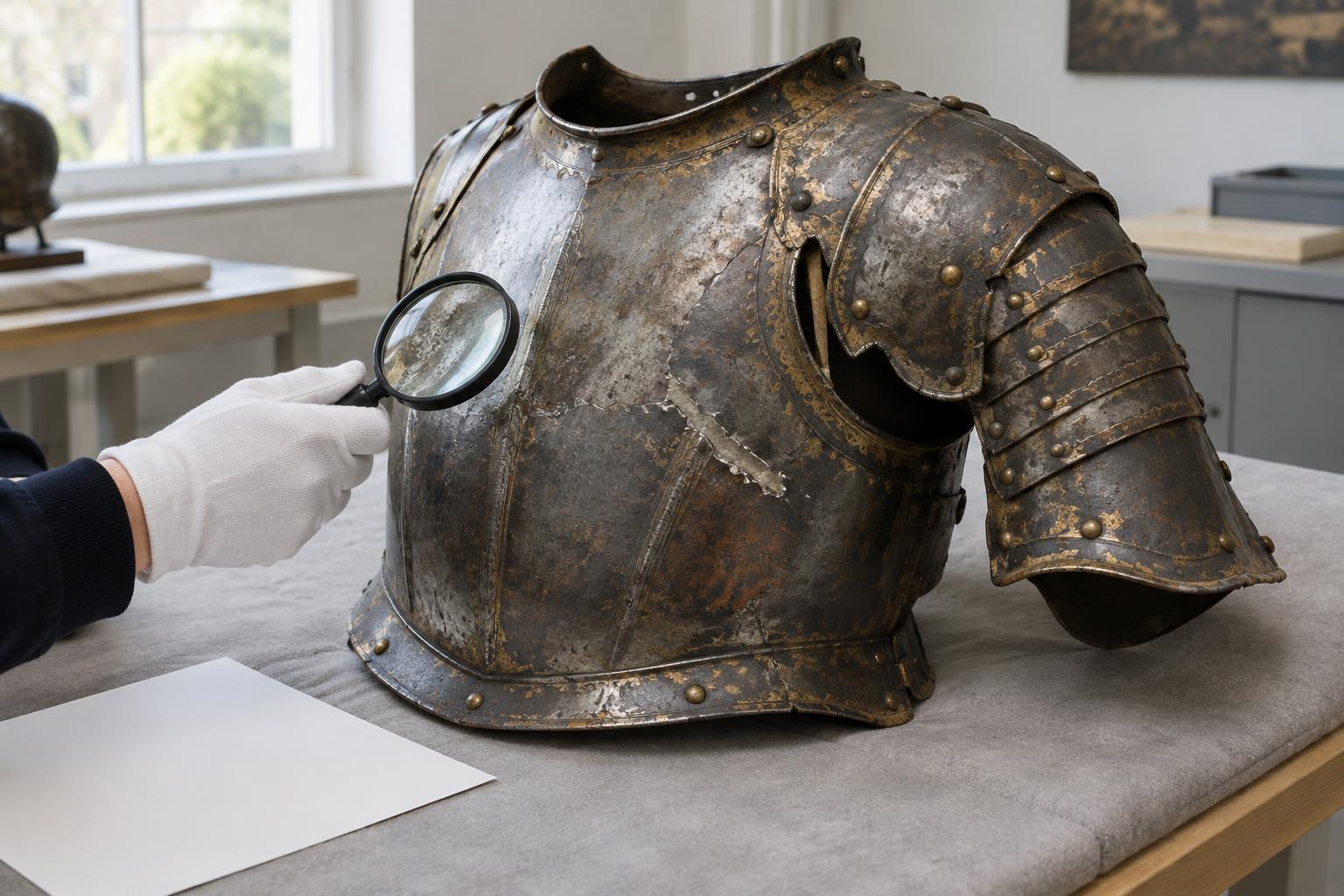
A condition note provides a dated snapshot, not a diagnosis. Describe visible cracks, losses, corrosion, loose elements, old repairs, or areas of surface change, and link the note to photographs showing their locations. Terms such as “stable” can imply more certainty than a brief inspection warrants; describe what you can see and note where access was limited.
Interpretive information deserves its own space. An object’s traditional name, suggested date, or association with a person may be valuable, but each has a different evidential basis. Record where the information came from, whether it appears on a label, in an acquisition note, or in a previous catalogue entry. This makes it possible to preserve an older attribution without presenting it as settled.
If you notice an active-looking change or a vulnerable component, limit handling and seek appropriate conservation guidance. Documentation is a way to communicate concerns and monitor change, not a substitute for treatment.
Keep the record connected to the object
A well-made record needs maintenance. Update an object’s location when it moves, add new photographs when its appearance changes, and date each revision. Preserve earlier entries so that later readers can see how descriptions and interpretations developed. If the object includes separate components, give their relationship to the main object in the record and photograph them together as well as individually.
Store copies of digital records and images in more than one place, using filenames that remain meaningful outside a particular app. Keep documentation of purchases, gifts, or past displays with the object record where appropriate, while taking care with private information. Periodically check that files open and that identifiers on records still match those used in storage.
The goal is not a perfect catalogue completed in one sitting. A modest record with clear photographs, repeatable measurements, and honest notes creates a foundation that can be improved. It preserves not only an object’s appearance, but also the distinction between what is known, what is visible, and what remains to be explored.