The object is only the beginning
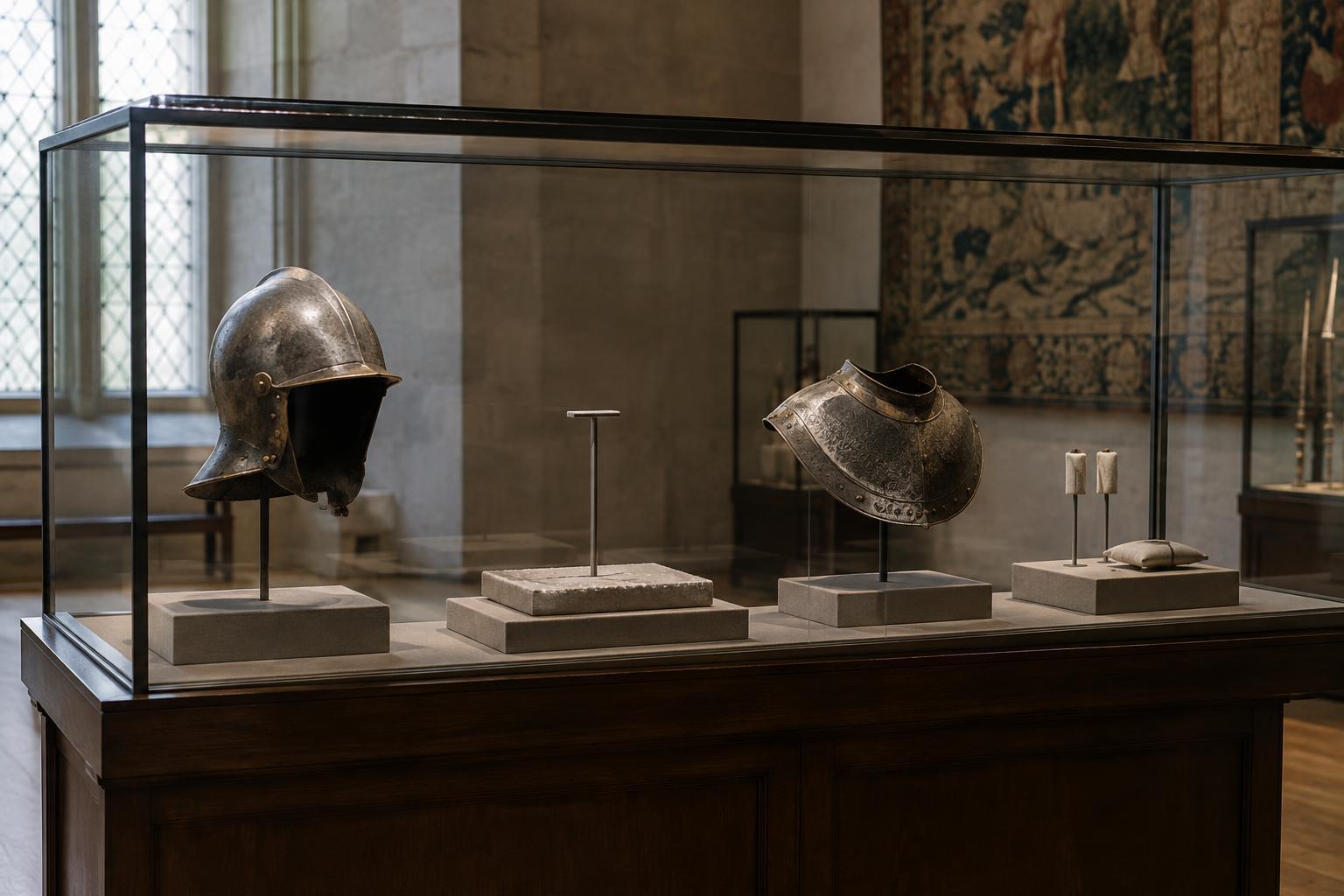
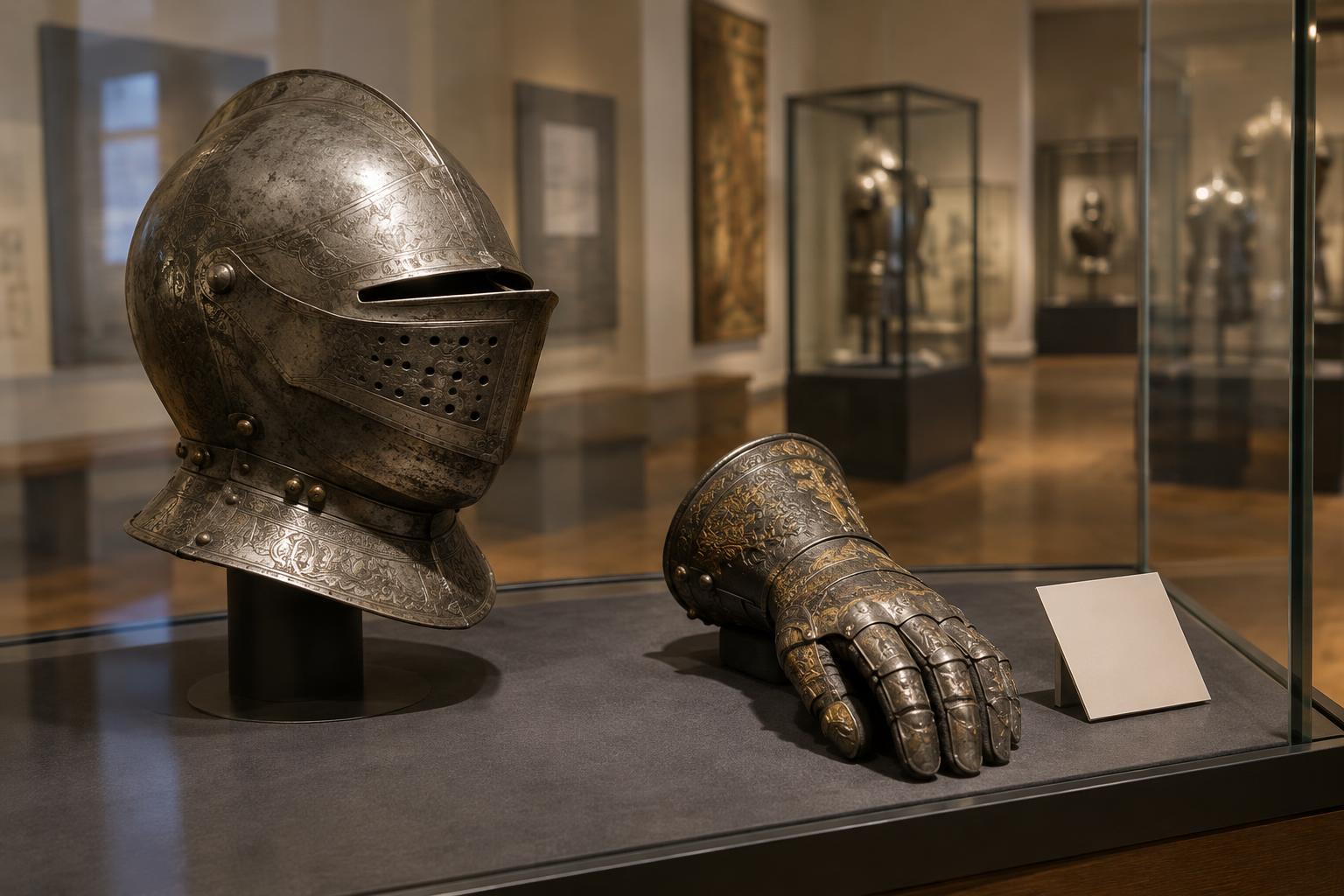
An armoured figure in a museum gallery can seem distant from ordinary life. Behind the glass, a helmet may appear to belong exclusively to a battlefield, while a decorated sword may seem inseparable from its owner’s rank. Yet each object passed through many hands and settings before becoming part of a collection. It was made from materials obtained by others, paid for or inherited, cared for between uses, and perhaps later displayed in a home or kept in storage. Telling those stories helps visitors see arms and armour as part of a broader social world.
A useful museum label does more than identify an object’s type and approximate period. It can ask who commissioned it, who made it, and what happened to it after its original purpose changed. The answers are not always known. Where records are missing, museums can distinguish documented facts from plausible context rather than presenting a single owner’s imagined story as certainty.
Craft connects the gallery to work and trade
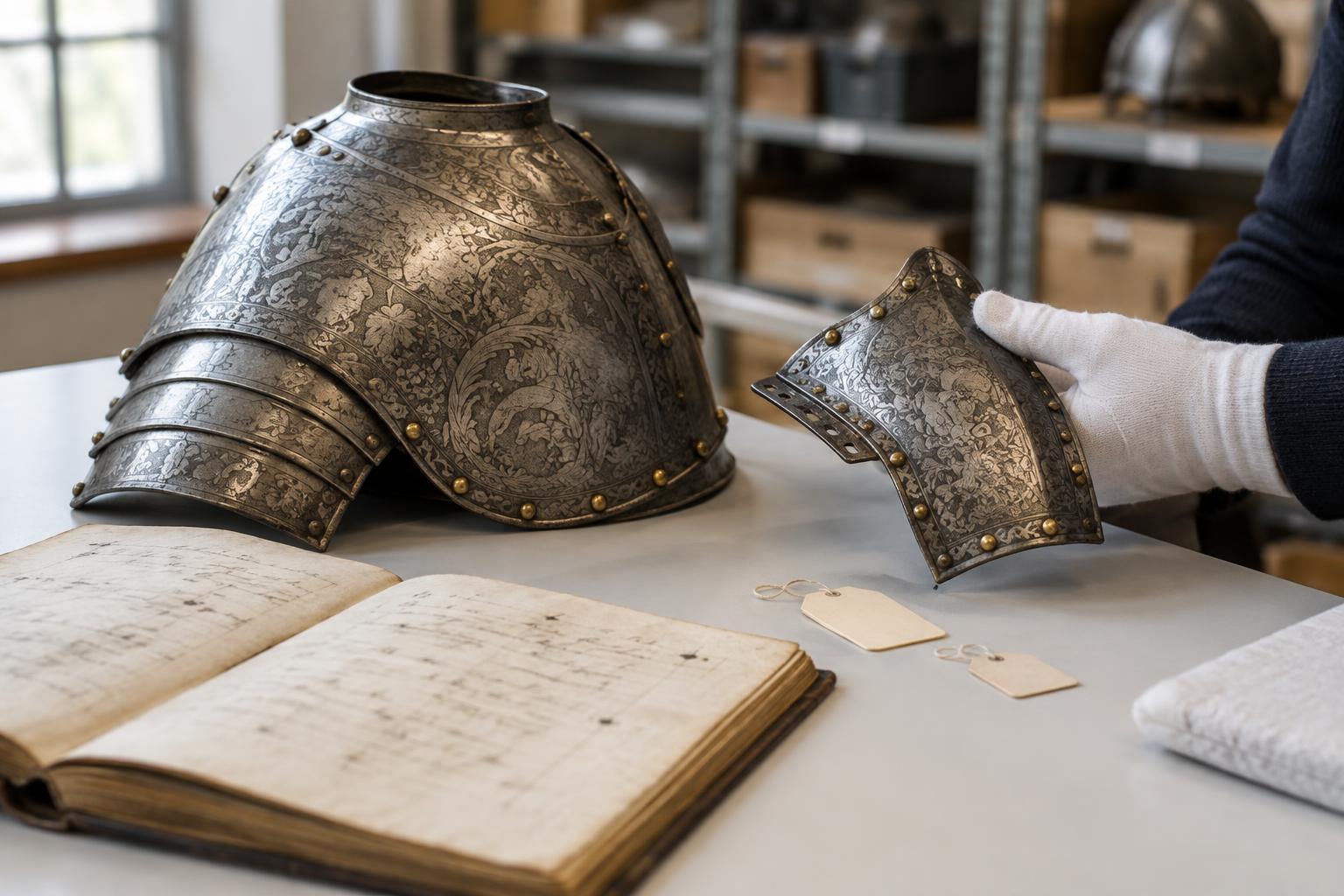
Armour is evidence of skilled labour. A finished breastplate might draw attention to its shape and polish, but its story also includes the people who formed metal, fitted components, attached straps and maintained its surface. A sword could bring together work in metal, wood, leather and other materials. Looking closely at joins, repairs and decorative details can reveal that these objects were made, adjusted and preserved through repeated acts of care.
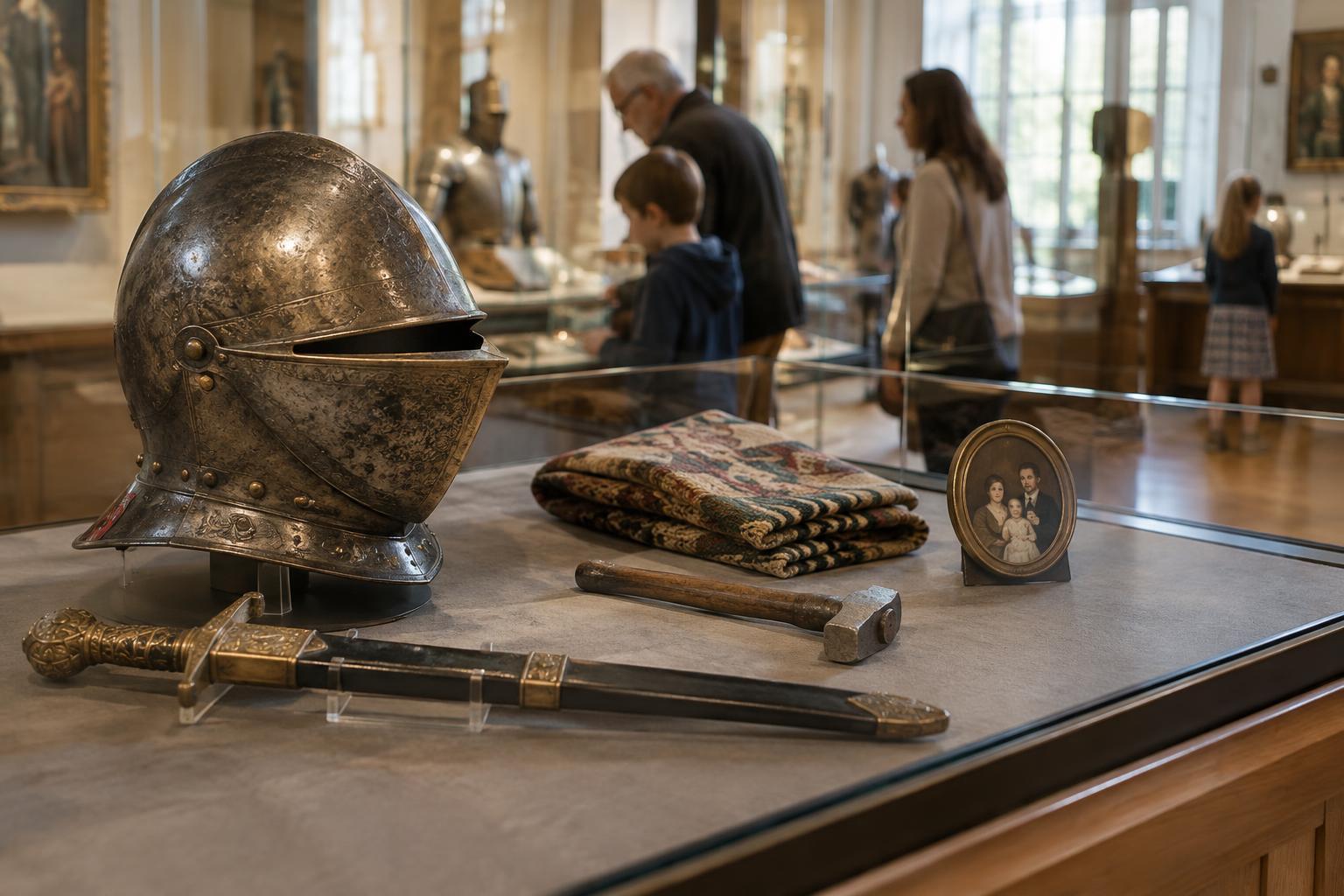
Materials widen the story further. Metals, textiles and fittings could move through networks of suppliers and craftspeople before an object reached its user. A museum may not be able to trace every component, but it can explain which materials are visible and what their presence suggests about production. Displaying a tool, workshop image or related household object alongside armour can help visitors picture the civilian work behind a military-looking object.
Families, households and public identity
Not every historic arm or piece of armour was valued only for practical use. Some objects marked status, family identity or participation in ceremony. Decoration might draw on heraldry, religious imagery or regional traditions. A costly object could communicate how its owner wished to be seen, while a simpler surviving example might speak to a different set of resources and expectations. Museums can explain these meanings without assuming that decoration had the same significance for everyone who encountered it.
Objects also changed roles over time. An item once worn or carried might later be inherited, altered, given away or displayed as a reminder of an ancestor. Those later choices are part of its history. A gallery that places an object beside a portrait, inventory or family record can connect it to a household rather than treating it as an isolated emblem of conflict. Even when no such records survive, explaining their absence gives visitors a more honest picture of what collections can tell us.
Remembering the people beyond the owner
A named owner often dominates an exhibition because a name is easy to attach to an object. Civilian lives are harder to recover. Makers may be unrecorded; so may the people who cleaned, stored, transported or eventually sold an item. Museums can make that imbalance visible. A label might identify an owner while noting that the craftspeople responsible for the work remain unknown. This does not fill the gap, but it prevents the surviving record from being mistaken for the whole story.
Collections can also show how communities remembered difficult histories. An object preserved as a family heirloom might later enter a public collection, where people with different experiences view it. Careful interpretation leaves room for those perspectives without claiming that one object represents an entire society. It asks visitors to consider what has been preserved, what has been lost, and whose experiences are easiest to find in the evidence.
What visitors can look for
The next time you encounter arms or armour in a museum, start with the small details: a repaired edge, a changed fitting, a maker’s mark or a worn area. Then read the label for the object’s journey. Does the museum know where it was made, how it entered the collection or whether it was changed after its first use? Nearby objects and images may offer context that the display case alone cannot provide.
The most revealing question may be simple: who else was involved? It leads from a single object to workshops, households, trade, memory and collecting. Museums cannot always supply a complete answer, but they can show visitors how to ask—and how much civilian life remains visible in objects often described only through war.