A collection is not a complete record
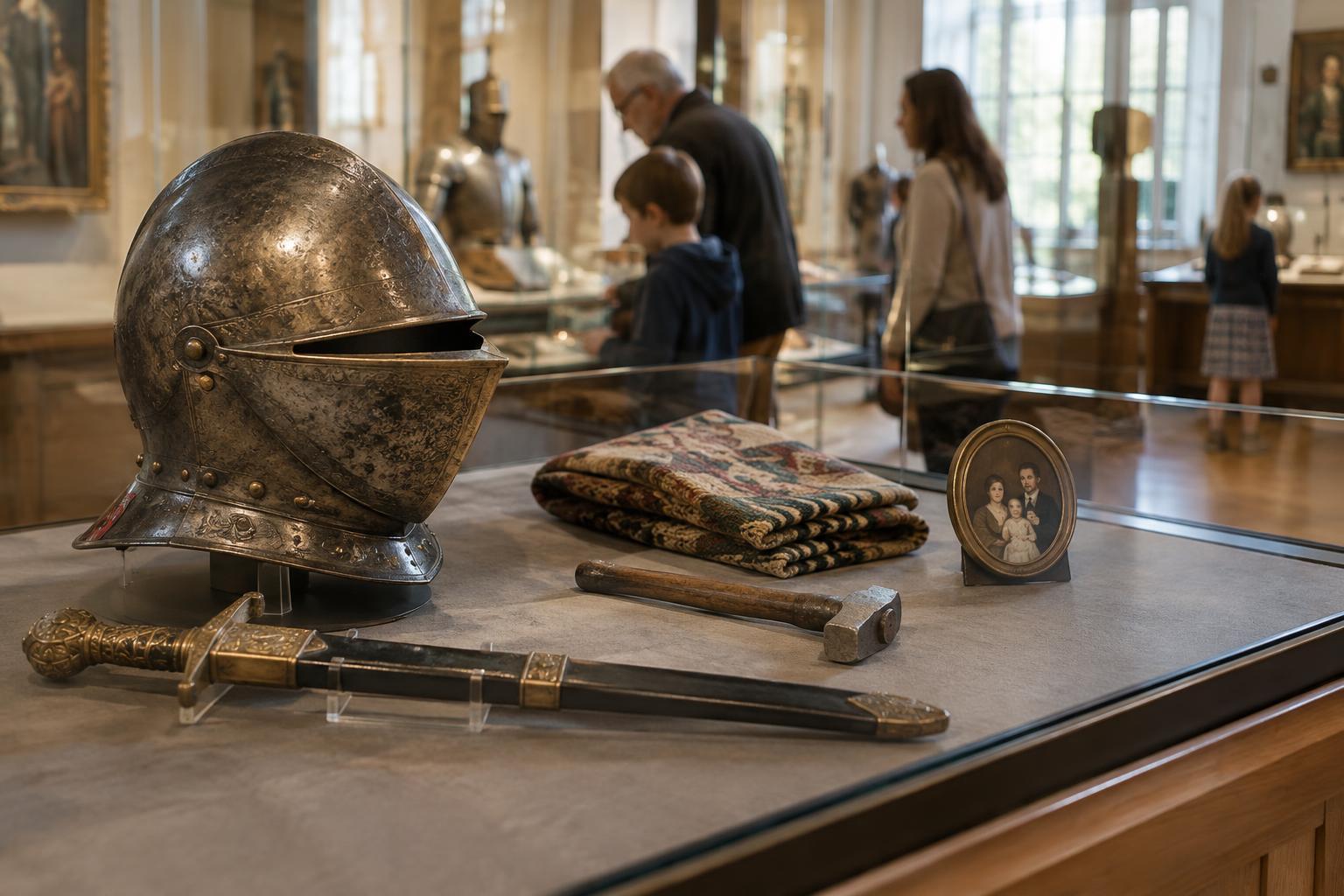
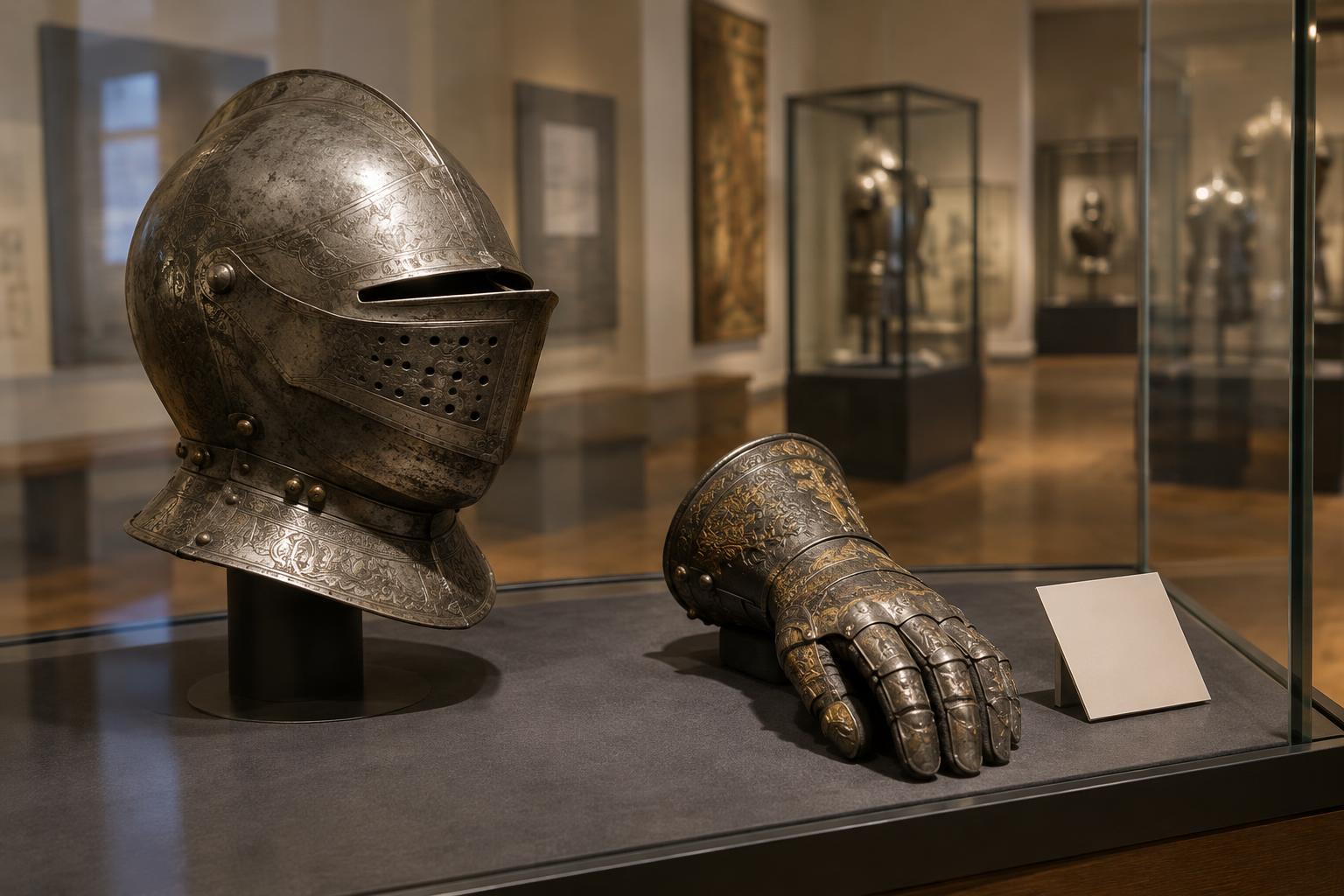
A museum gallery can make the past feel unusually tangible. A decorated helmet, a ceremonial sword or a suit of armour stands before us, apparently ready to speak for its time. Yet the objects on display are a selection from those that survived, entered a collection and could be identified and exhibited. They are not a representative inventory of everything people made, owned or used.
That distinction matters when interpreting historic arms and armour. A display rich in elite pieces may say much about status, patronage and exceptional craftsmanship, while offering a narrower view of ordinary equipment. The absence of a modest object does not prove that it was rare in its own period. It may simply have been less likely to survive or to attract a collector’s attention.
Why some things leave fewer traces
Survival depends partly on materials and treatment over time. Metal can corrode; leather, textiles and wood can deteriorate; damaged objects may be repaired, altered or discarded. Pieces valued for their decoration or association with a prominent person may receive care that more familiar items do not. What remains can therefore reflect generations of choices as well as the practices of the people who first made and used the objects.
Consider an armour display in which polished metal dominates but padding, straps and linings are scarce. The missing components may once have been essential to the object as worn, even if they are difficult to preserve or no longer attached. Noticing their absence encourages a fuller question: are visitors seeing a complete historical ensemble, a surviving fragment or an object changed by later restoration?
Collecting choices shape the story
Museums inherit the interests and circumstances of earlier collectors. An institution might have acquired finely ornamented weapons because donors prized artistry, or assembled objects from one region because those were available through established networks. Its holdings may be strong in particular periods and thin in others. These patterns can be historically revealing, but they should not be mistaken for a map of what mattered most to people in the past.
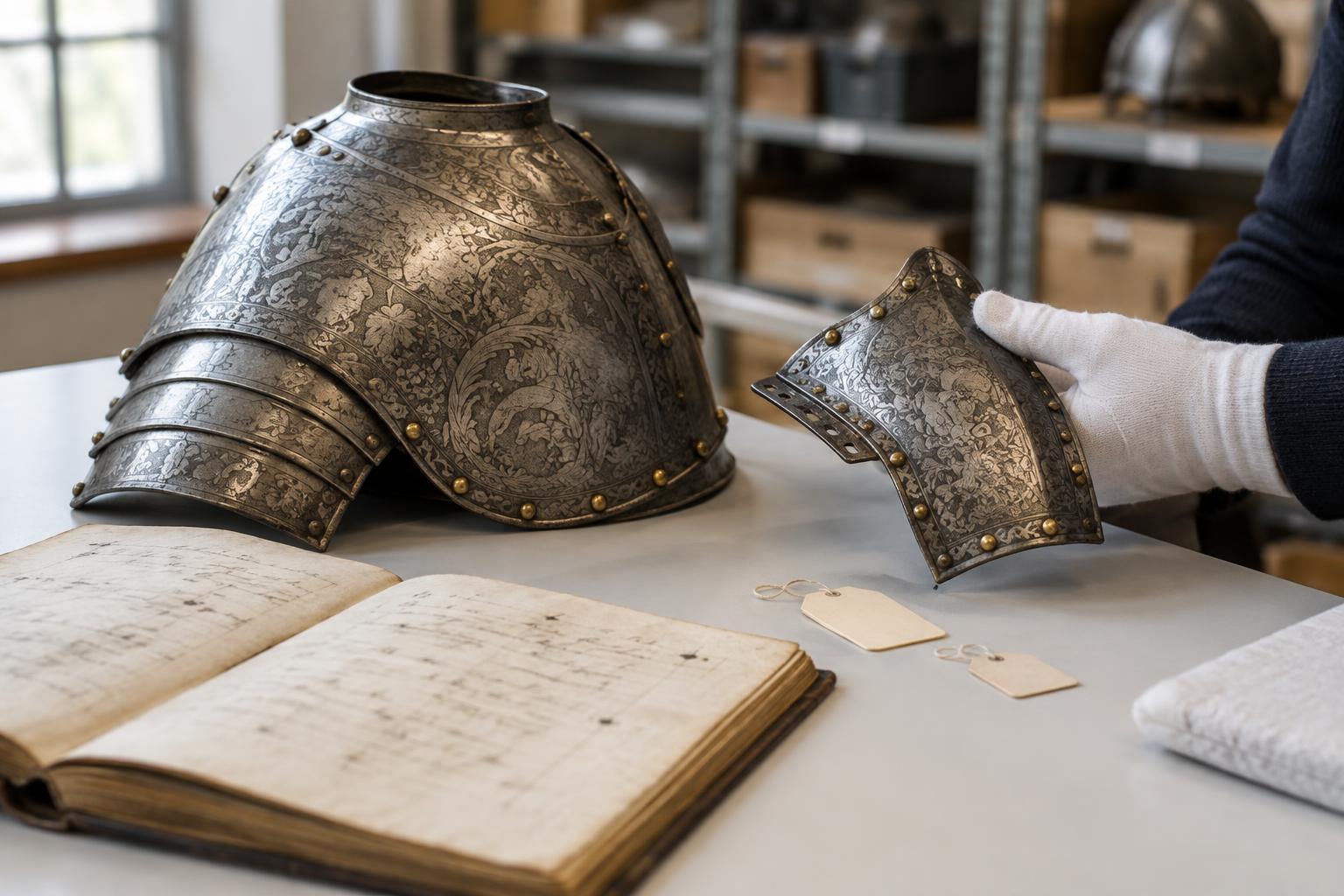
An absence can also reflect the path by which an object might have entered a museum. Some objects remain with families, communities or other institutions; others have uncertain documentation that makes interpretation difficult. A museum may choose not to acquire an item, or may have no reason to expect one in its collection. Each possibility suggests a different story, so it is better to ask how a gap arose than to assign it a single meaning.
Distinguishing a gap from a conclusion
The phrase “not in the collection” is more precise than “did not exist.” An object might be held in storage rather than displayed, recorded under an unexpected name or known only through a drawing, written description or surviving component. Even a well-documented absence has limits: a museum catalogue describes that museum’s holdings, not an entire historical society.
This is especially important when considering who is represented. If a gallery features commanders and courtly owners but few makers, maintainers or less affluent users, visitors may reasonably ask whose experiences the selected objects bring into view. The question need not imply deliberate exclusion. It can open a discussion about the kinds of material evidence that survive, whose names were recorded and which histories are hardest to tell through objects alone.
Making absence visible in an exhibition
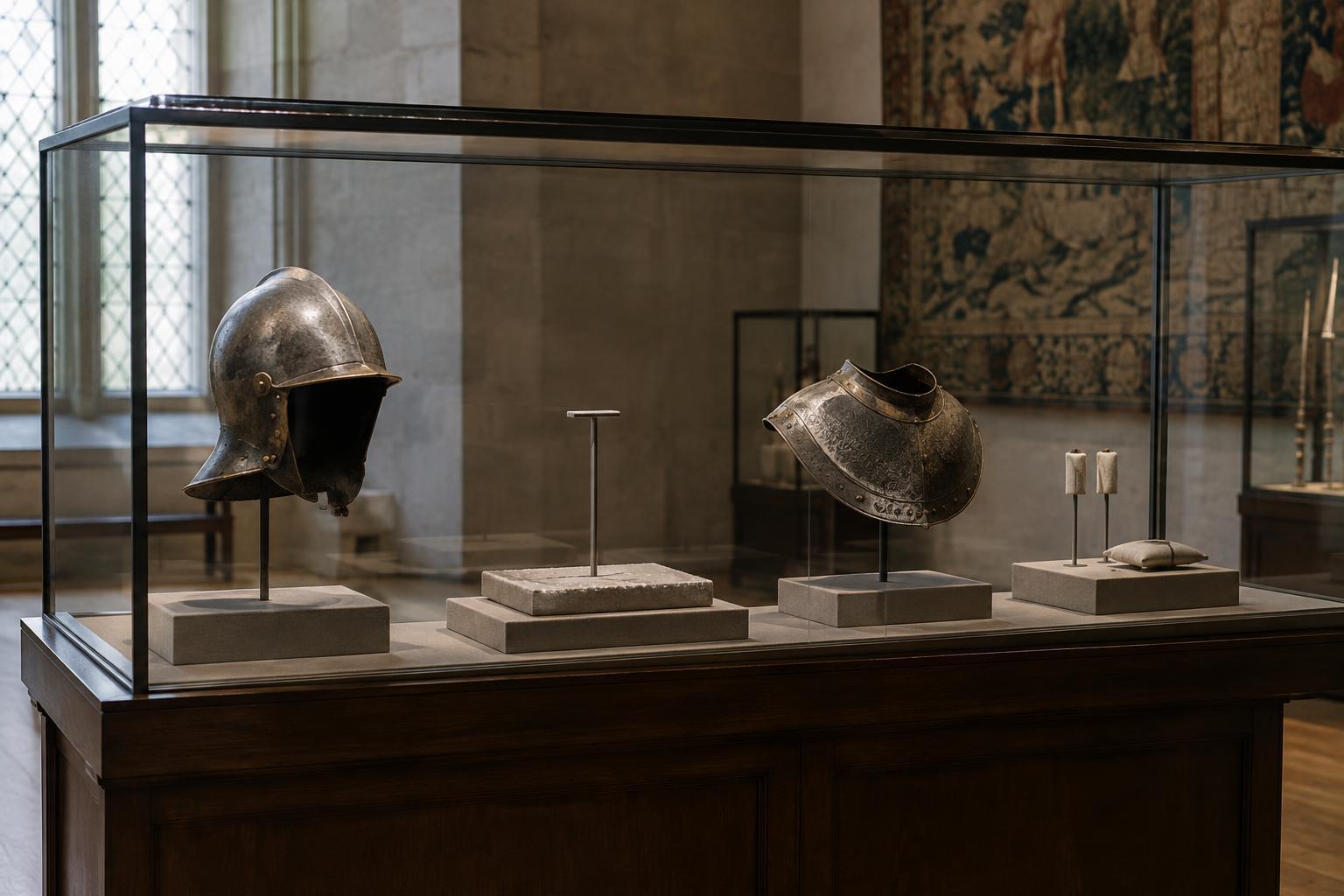
Curators can interpret a gap without pretending to fill it. A label might explain that a displayed helmet has lost its original lining, or that a group of ceremonial pieces does not represent the full range of equipment used in its period. Images, documents and carefully identified comparisons can supply context, provided visitors can tell which evidence belongs to the displayed object and which offers a broader point of reference.
For visitors, a useful habit is to ask three questions: what has survived, how did it reach this collection and what cannot this display show? Those questions do not diminish the objects on view. They make room for both their remarkable detail and their limits as evidence. Sometimes an empty space in the narrative is not a failure to tell history; it is part of the history that needs telling.