A fortified place was also a political place
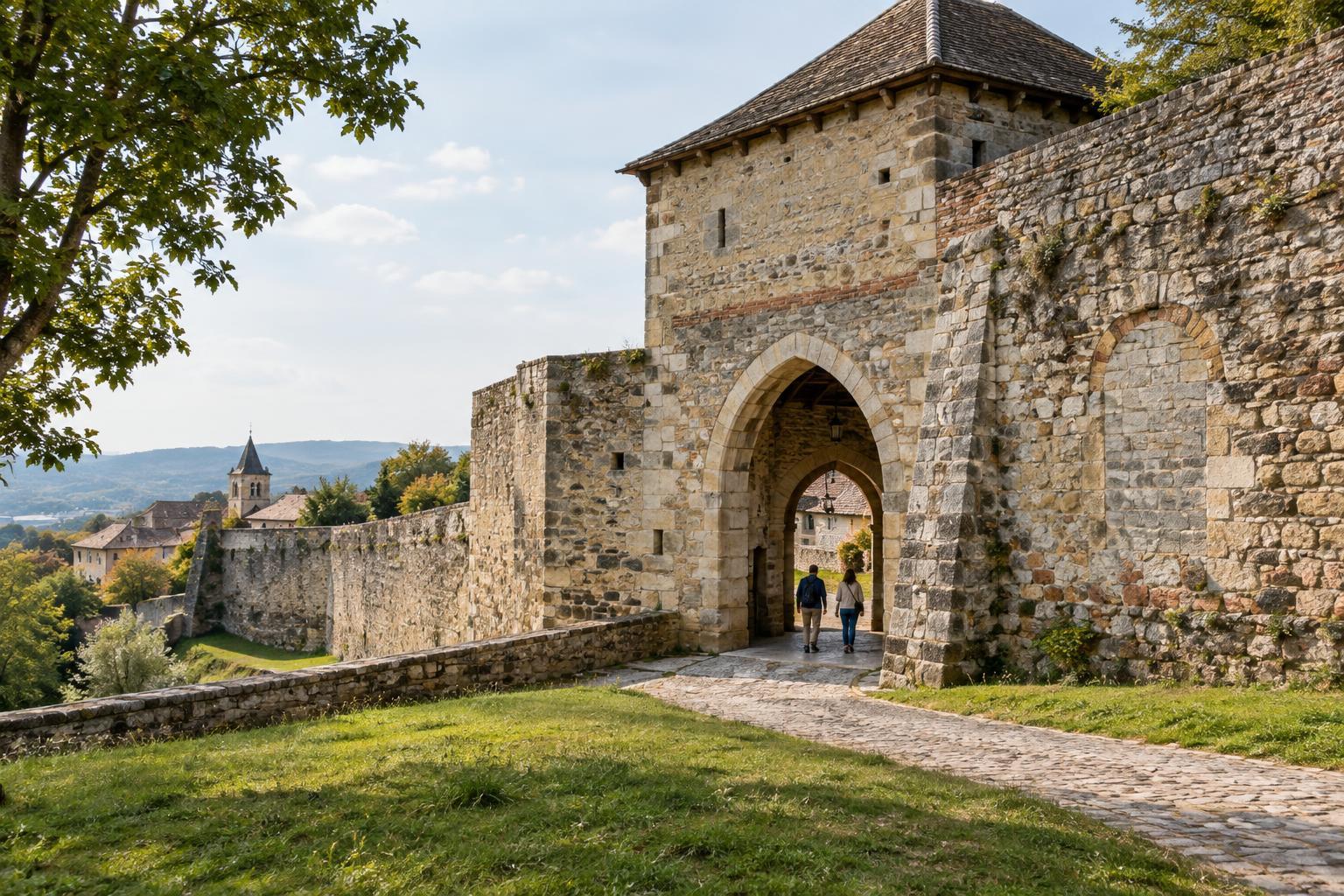
In military history, a siege is often told through its walls, gates and eventual outcome. Yet a fortified town or castle was rarely just a defensive structure. It might house a ruler’s officials, safeguard records, collect revenue or anchor control of a surrounding region. Holding it could make a claim to authority visible; losing it could weaken that claim even when a ruler still possessed other territory.
The political meaning of a siege depended on its setting. In one conflict, a town’s surrender might secure a border. In another, it might prompt local leaders to reconsider their allegiance. The fate of a garrison, the terms offered to residents and the treatment of civic institutions could all influence how a victory was understood. A siege therefore tested not only the strength of fortifications but also the relationships between rulers, soldiers and communities.
Civilian life under pressure
For people inside a besieged place, the consequences extended well beyond fear of fighting. A prolonged interruption of ordinary movement could make food, fuel and other necessities harder to obtain. Work might stop or change as residents helped maintain essential services, cared for displaced neighbours or sought shelter. Conditions varied greatly: the size of the population, available supplies, season and possibility of relief all mattered.
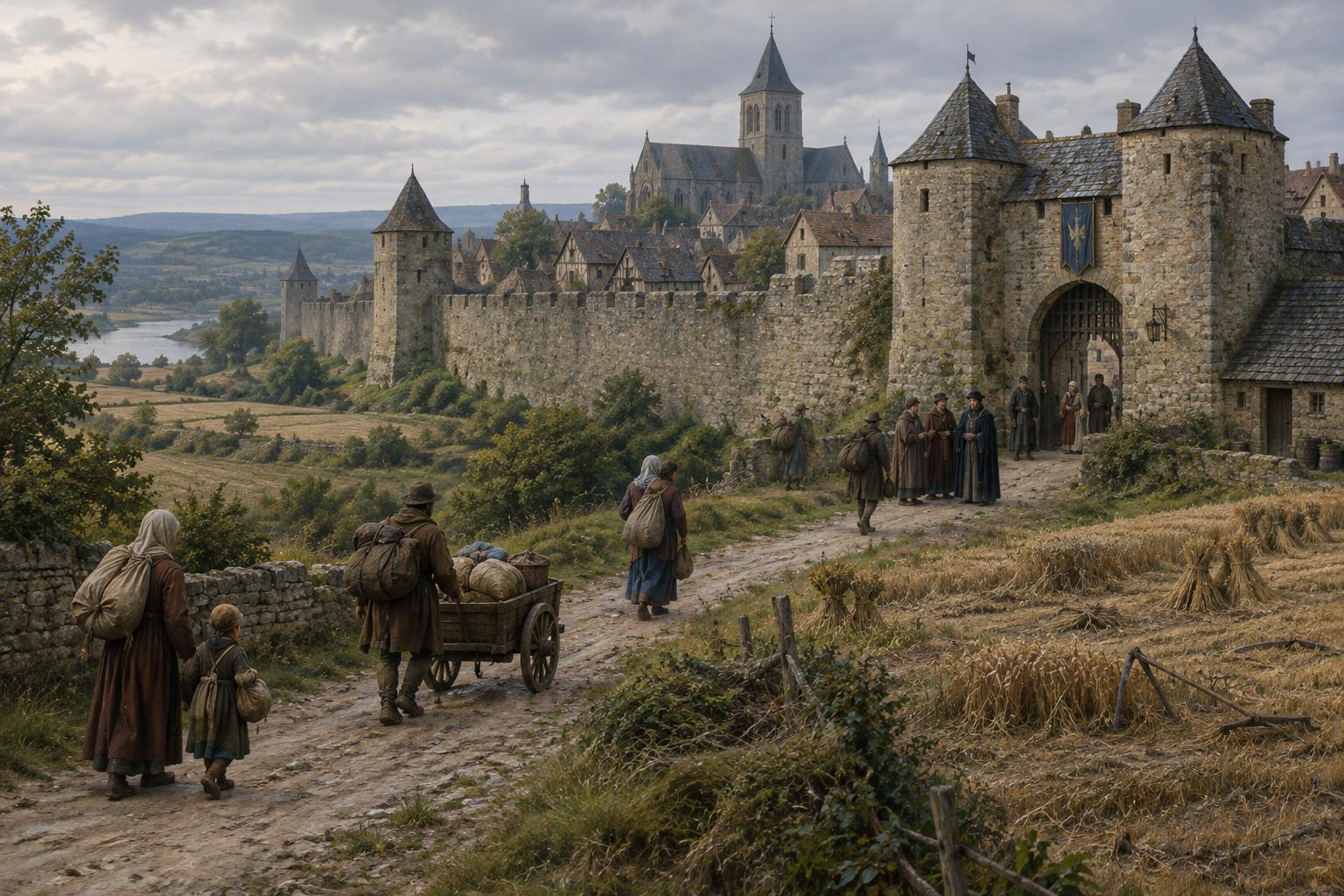
People outside the walls were affected too. Nearby fields, roads and markets might become difficult to use, disrupting livelihoods across a wider area. Families could be separated, and those who left home might face uncertainty about where they could stay or when they could return. These experiences are not always as visible in military accounts as the decisions of commanders, but they are central to understanding what a siege cost.
Surrender, negotiation and authority
A siege did not have to end with a storming of the walls. Negotiation could determine whether defenders departed, whether residents retained property and which officials would govern afterward. Such arrangements were not merely formalities. They shaped the immediate safety of inhabitants and helped establish the new balance of power. Promises made during a surrender could also affect whether other communities expected mercy or feared punishment.
A change of control did not settle every political question. A new authority might need to restore trade, collect taxes, resolve property disputes and persuade residents to cooperate. Former defenders and their families could face uncertain futures. Even where buildings survived, confidence in institutions might take longer to recover. Looking at what followed a siege helps explain why a military outcome and a stable political settlement were not always the same thing.
The long life of a siege in public memory
Later generations often remembered sieges through stories of courage, endurance, betrayal or suffering. Rulers and civic leaders could use those stories to support competing claims about loyalty and legitimacy. Commemorations might honour defenders while giving less attention to residents who fled, negotiated or simply tried to survive. The same event could therefore carry different meanings for people on opposite sides of a conflict.
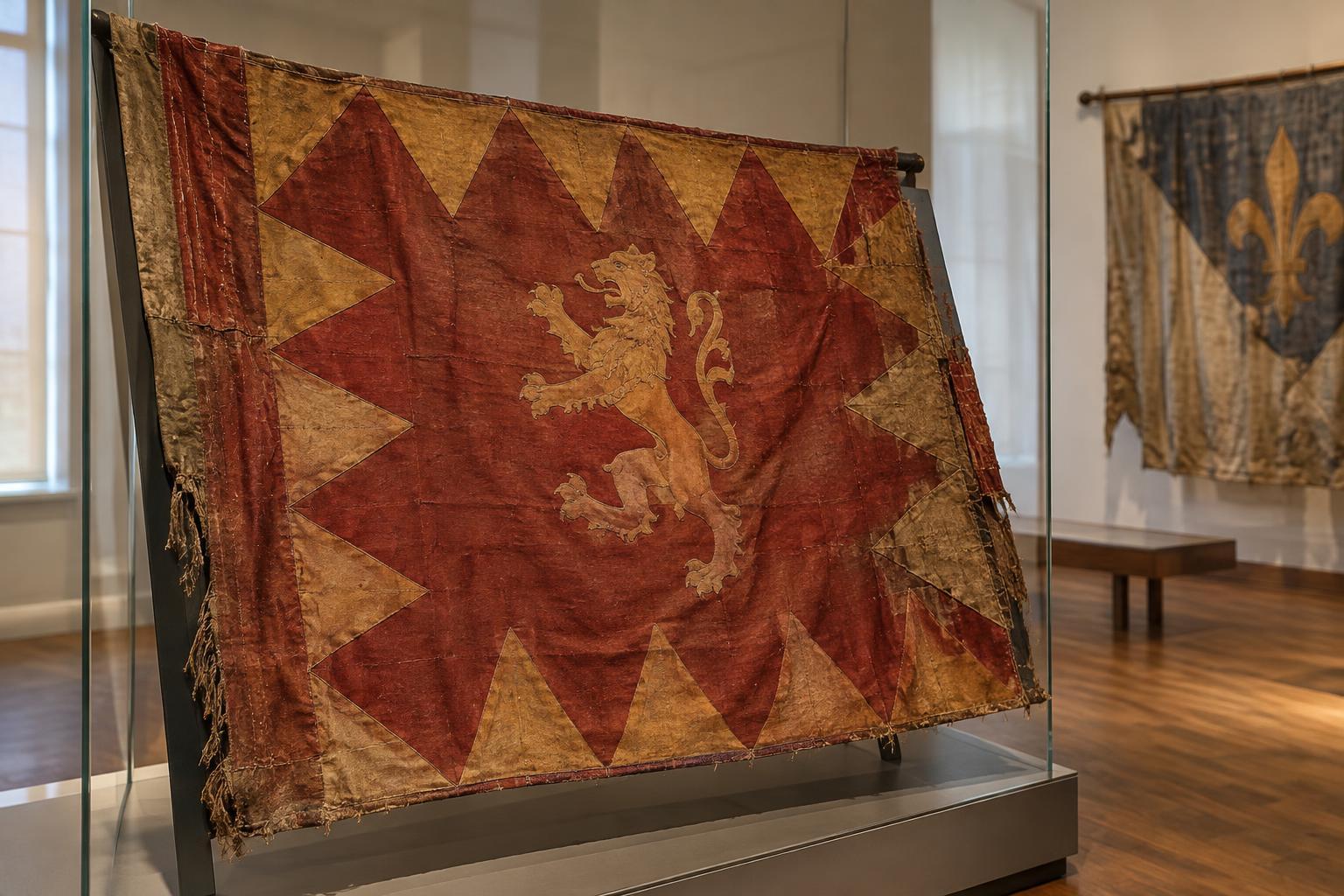
Material objects can complicate these familiar narratives. A damaged building, a household item or a civic record may draw attention to everyday consequences that a heroic account overlooks. Arms and armour displayed in a museum can reveal craftsmanship and status, but their presence should not make civilian experiences seem secondary. Labels that explain who used an object, where it came from and what remains unknown can help visitors see a siege as a shared historical crisis rather than a single moment of victory.
Reading the evidence with care
No single surviving account can represent everyone caught in a siege. Official reports may emphasize success or justify a decision; personal testimony may capture a vivid experience without describing the whole community. Records of payments, property and repairs can reveal practical burdens, though they may leave poorer residents less visible. Comparing different kinds of evidence helps distinguish a well-supported conclusion from a memorable story.
A useful starting point is to ask three questions: whose authority was at stake, how did daily life change and what happened after control passed from one side to another? Those questions keep the walls in view without letting them define the entire history. They also make room for the people whose choices were constrained by a conflict they did not direct.