The shore was part of the story
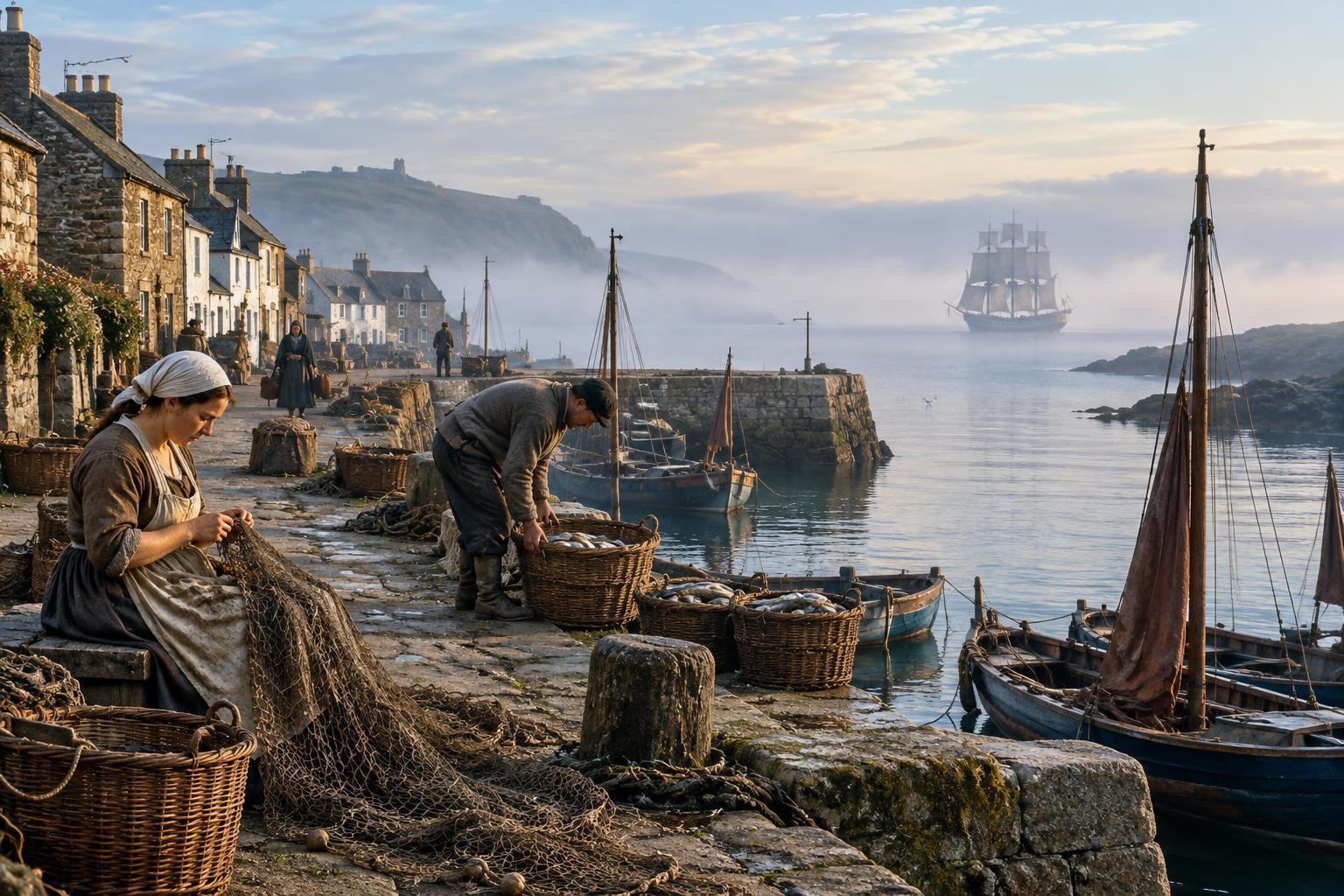
A naval battle might take place out of sight of land, but its effects could be felt in a harbor long afterward. Coastal settlements depended on vessels for food, goods, employment and contact with other places. When conflict disrupted those connections, people on shore had to adjust. A fisherman might lose access to familiar waters; a merchant might wait for a cargo that never arrived; a family might face a long silence from a relative at sea. Naval warfare was therefore more than a contest between fleets. It was also an interruption of everyday relationships between communities and the water.
The effects varied greatly by place and period. A major port, a small fishing village and an island settlement did not have the same resources or obligations. Some residents found paid work connected to wartime demands, while others lost income or faced shortages. Keeping those differences in view makes coastal history more than a story of hardship alone.
Work, supplies and changing routines
Coastal labor linked households to events at sea. Shipbuilders, rope makers, sail makers, dockworkers and traders all relied on maritime activity, but conflict could change what they made, who employed them and when work was available. In some circumstances, demand for repairs or supplies brought wages into a town. At the same time, risks to shipping could make ordinary materials harder to obtain and raise the cost of moving goods. A busy waterfront was not necessarily a secure or prosperous one for everyone who lived beside it.
Household routines changed as well. Families with members at sea might need to redistribute work, manage uncertain earnings or depend more heavily on neighbors. Women’s labor, including the management of shops, accounts and homes, was often essential to keeping coastal economies functioning, although surviving accounts do not always give it equal attention. Even mundane objects can make these pressures visible: a repaired tool, a reused container or a carefully preserved letter may speak to adaptation as much as a naval weapon speaks to conflict.
Living with uncertainty
For many coastal residents, the most immediate experience of war was uncertainty rather than combat. News could arrive through returning ships, travelers, officials or rumor, and it was not always complete or reliable. People had to make decisions about voyages, purchases and family responsibilities without knowing when conditions might change. A harbor could be both a route to opportunity and a reminder of danger.
Communities also had obligations that extended beyond their usual trades. Depending on the time and place, residents might be asked to provide labor, lodging, supplies or space for maritime authorities. Such demands could create tensions over who bore the burden and who benefited. Yet neighbors also organized care for people affected by loss or displacement. Describing both strain and cooperation helps avoid treating a coastal community as if every resident experienced war in the same way.
Objects that carry more than one history
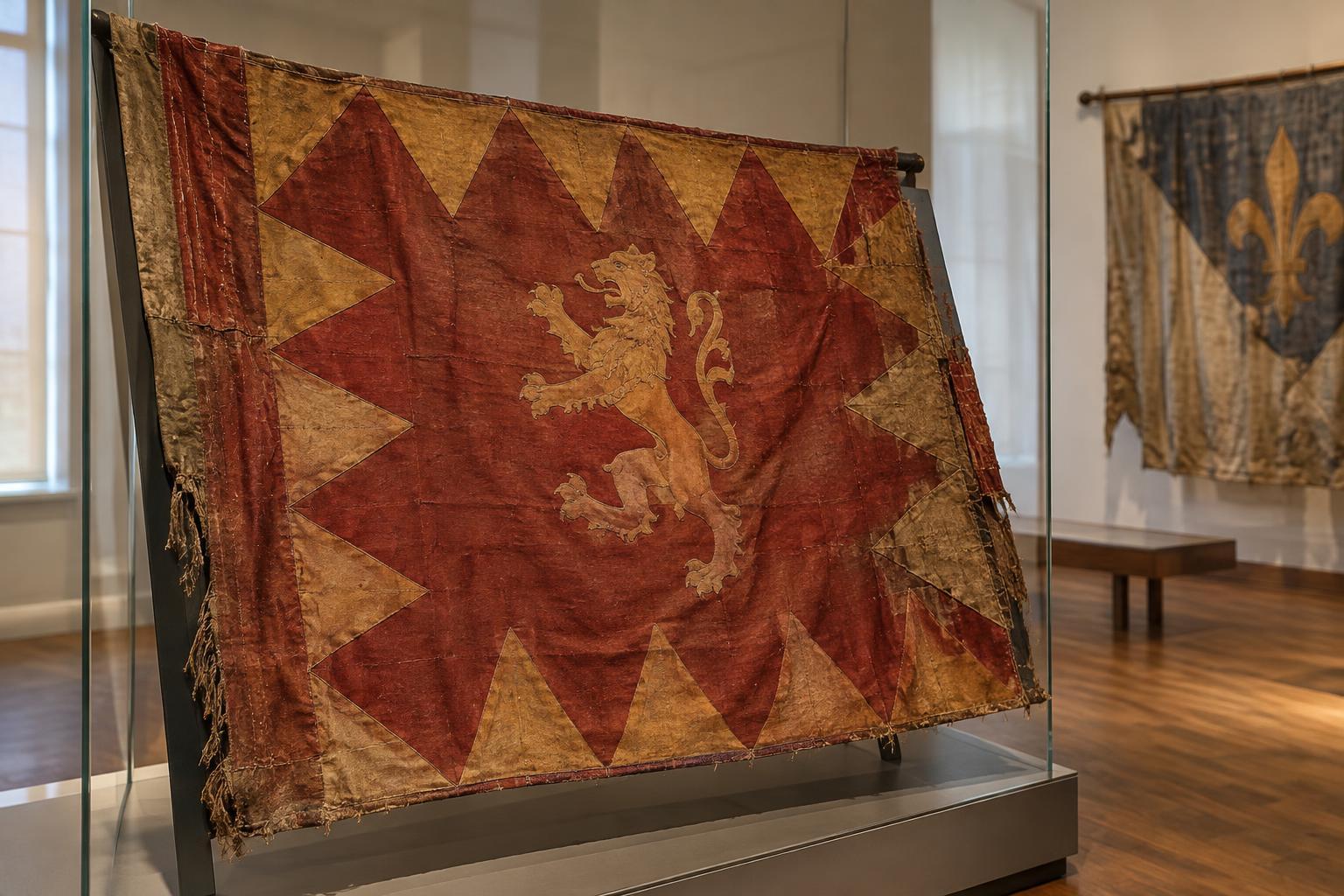
Museums often display naval arms, uniforms, ship fittings and models because these objects survive and attract attention. They can reveal craftsmanship, status and the symbolism of service. But an object from a vessel also has a shore-side history. Someone obtained its materials, made or maintained it, paid for it, transported it or kept it after a voyage. Following those connections can bring craftspeople, families and port workers into an exhibition that might otherwise focus only on commanders and ships.
Interpretation becomes richer when a dramatic object is placed beside quieter evidence, such as trade records, household possessions, harbor maps or correspondence. Each source has limits: an official record may document a transaction without describing its human cost, while a personal keepsake may preserve one person’s perspective rather than a whole community’s experience. Asking who made an object, who used it and who saved it can open a more careful conversation about naval conflict.
Memory along the waterfront
After a conflict, communities might remember it through monuments, place names, family stories and objects kept at home. These forms of memory could celebrate service or survival, mourn loss, or leave uncomfortable experiences unspoken. Harbors also continued to change, so a waterfront familiar to one generation might later be rebuilt for different work. The physical setting of a story is not always preserved alongside the objects that came from it.
A useful way to explore coastal military history is to begin with an ordinary question: how did people continue to live while events at sea altered their choices? From there, ships and armaments remain important, but they become part of a wider account. Naval warfare shaped everyday life through work, waiting, material needs and memory. Coastal communities, in turn, helped make the maritime world possible.