A battle is an event; a campaign is a process
A battle gives a historian a relatively clear place and sequence of events. A campaign is harder to contain. It may include marches, sieges, negotiations, withdrawals and long periods in which opposing forces never meet. Yet those less dramatic intervals help explain why a battle took place, who participated and what its result meant.
Starting with the battle alone can make an outcome seem inevitable. A wider timeline restores uncertainty. Commanders made choices with incomplete information; communities faced demands for food, transport and shelter; political leaders reconsidered their aims as circumstances changed. The fighting was consequential, but it was also shaped by decisions and pressures that had accumulated over time.
What happens between engagements
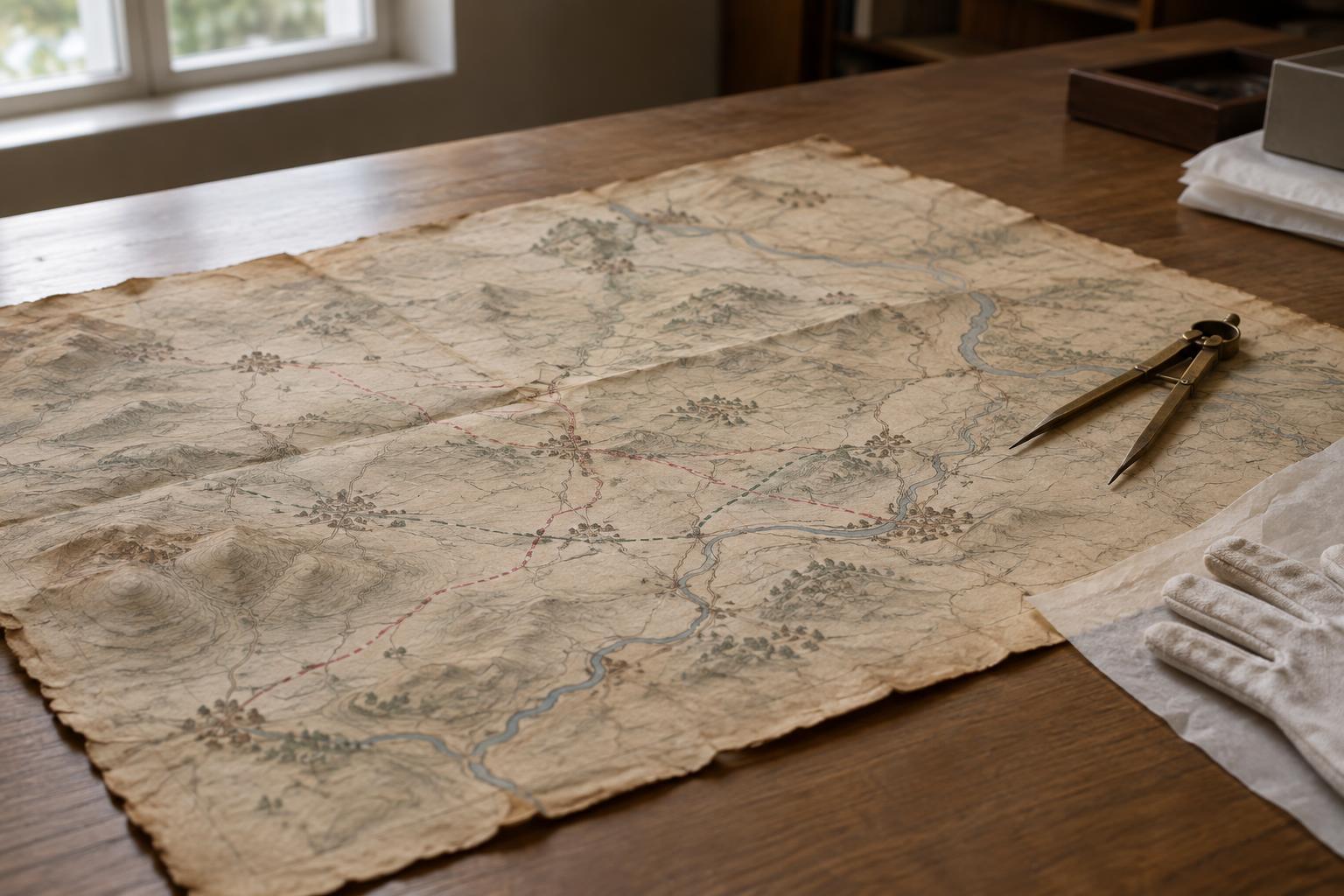
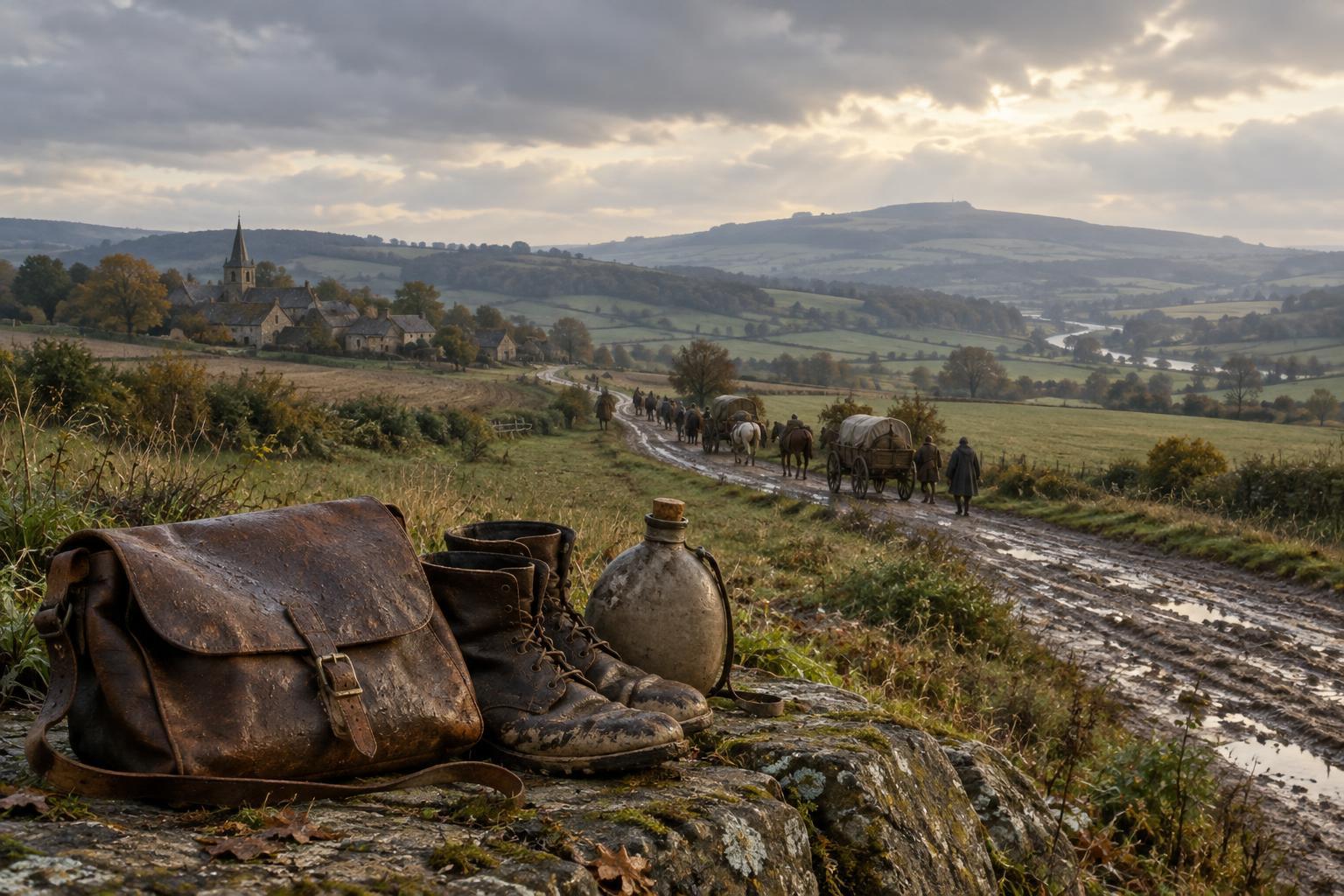
Campaign histories pay attention to movement and delay. Distance, roads, rivers and seasonal conditions affected how quickly people and material could travel. Provisioning mattered not only to armies but also to the places through which they passed. These factors did not determine every outcome, but they could narrow the choices available long before an engagement began.
Periods between battles also reveal the work of maintaining a force. Clothing wore out, equipment needed repair, and people became tired or ill. A surviving helmet or sword may appear complete and self-contained in a display case, while a campaign timeline reminds us that objects were carried, stored, altered, lost and sometimes reused. Their histories did not stop when a particular battle ended.
The wider view makes room for people who seldom appear in accounts of combat: artisans, carriers, medical attendants, local officials and families. Their experiences differed greatly, and the surviving record may describe some more fully than others. Asking what happened between engagements helps expose those gaps rather than treating a battle narrative as a complete account of the past.
Victory, defeat and the question of consequences
A battlefield result and a campaign result are not always the same thing. An army might hold a position yet lose the ability to continue its original plan. Another might withdraw but preserve enough people and resources to pursue its aims later. To understand a claimed victory, it helps to ask what each side intended at the outset and what it could do afterward.
Consequences also unfold at different speeds. A captured place might change immediate access to supplies or routes, while its political meaning could take longer to become clear. Alliances, public confidence and local authority could all be affected without changing neatly on the day of battle. Following events beyond the familiar climax guards against a story that ends just when its effects begin.
Campaign timelines are useful for comparing perspectives. An official account may celebrate a decisive engagement; a resident’s account, if one survives, may focus on disruption that continued for months. Neither perspective should automatically stand for every experience. Read together, they can show why the significance of a battle was contested or changed over time.
Reading objects within the wider story
Museum objects often reach visitors through a label linking them to a named battle. That association can be valuable, but it is only one part of the object’s history. Questions about where an item was made, how it was maintained, who owned it and how it entered a collection can connect it to the broader campaign. Decoration or a maker’s mark may speak to identity and craftsmanship rather than to a single moment of fighting.
Care is needed when an object’s precise use is uncertain. A style of armour may fit the period of a campaign without proving that its wearer was present at a particular engagement. Distinguishing documented associations from plausible interpretations makes an exhibition more informative, not less. It allows visitors to see both what an object tells us and where the evidence runs out.
A practical way to follow a campaign
When reading about a battle, begin a little earlier and continue a little later. Identify the aims of the participants, the places that mattered to them and the circumstances that brought them together. Then ask what changed after the engagement: territory, resources, relationships or plans. A simple sequence of events can reveal questions that a battle summary leaves unanswered.
The goal is not to diminish battles. It is to understand their place in a longer human story. A campaign perspective connects dramatic events with everyday labour, material culture and lasting consequences. It also makes room for uncertainty, showing that history was lived forward rather than arranged in advance around its best-known turning points.