An army recorded for a purpose
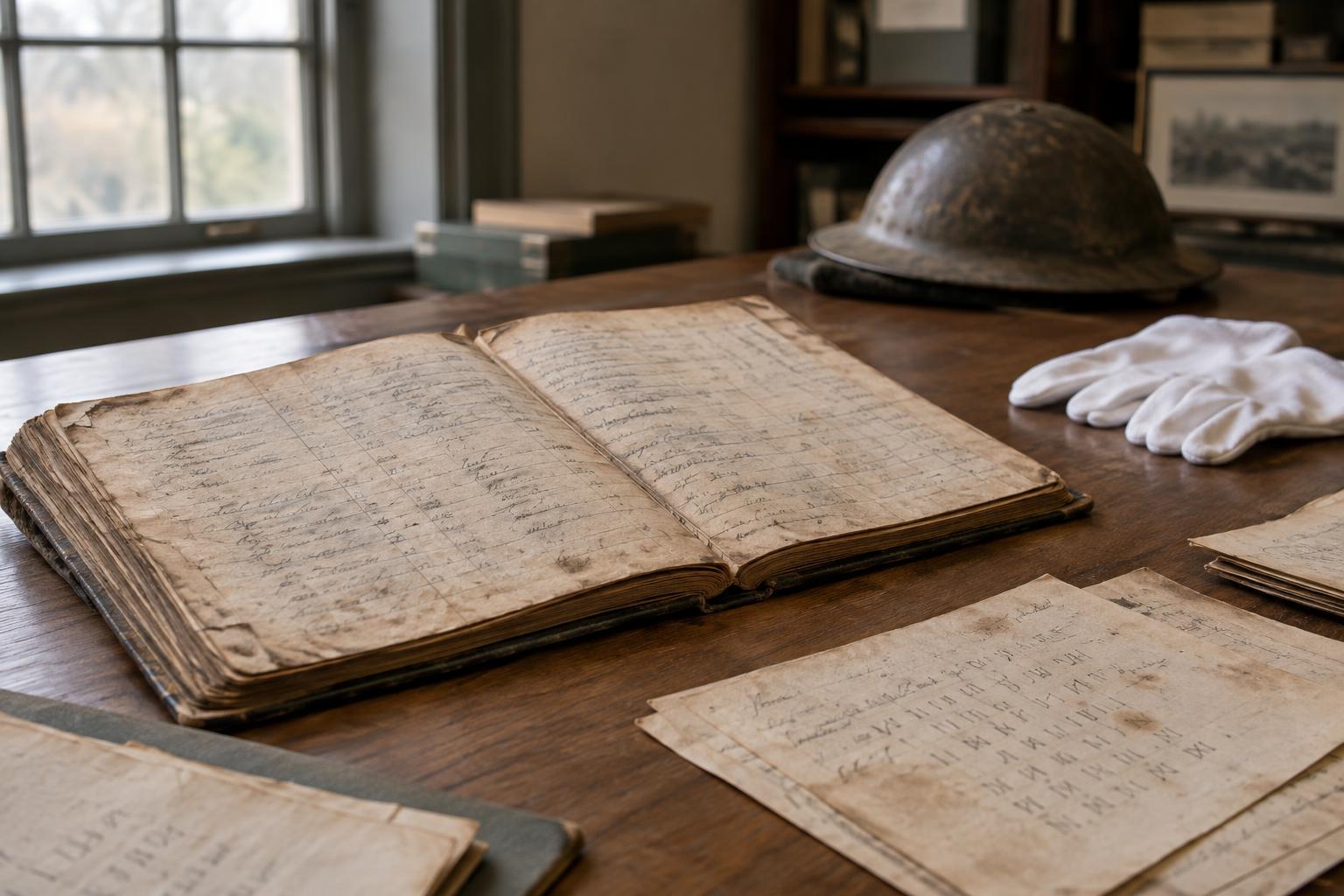
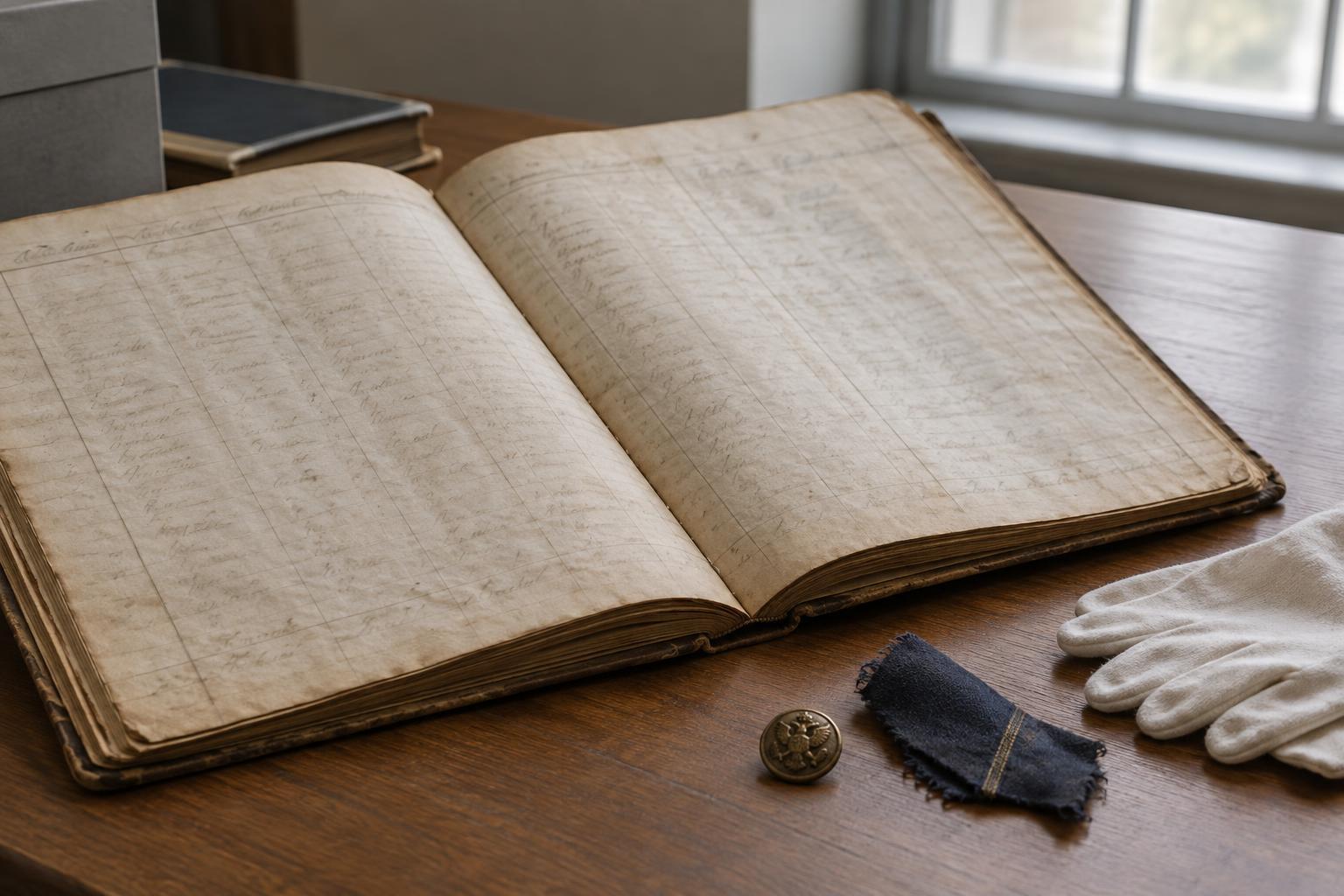
A muster roll is a record of people associated with a military unit at a particular point or over a stated period. Depending on its place and time, it might list names, ranks, payments, equipment, places of origin or notes about absence. The person compiling it was usually answering an administrative question: who was present, who was owed pay, or how a unit compared with its expected strength. That purpose shaped what went onto the page.
A roll can therefore offer an unusually direct encounter with people who seldom appear in narrative histories. It may name an ordinary soldier alongside officers whose careers are better documented. Yet it is not a census of everyone who contributed to an army. Its boundaries could be set by a unit, a pay arrangement or a particular occasion. Before asking who served, it helps to ask what the document was designed to count.
What a name can tell us
Names are the starting point, not the finished story. A roll may connect a person to a company, commander or rank, giving a useful outline of their recorded role. Entries that note a trade, home community or distinguishing detail can add texture, although such information was not gathered consistently. Even a brief listing can help historians trace how a unit was organized and how its membership changed across surviving records.
Identifying an individual is harder than spotting a familiar name. Spelling could vary, clerks could shorten names, and several people might share one. A changed rank or a transfer may explain why someone appears in a different place on a later roll, but it should not be assumed without supporting evidence. A careful reader keeps the roll’s wording, date and unit attached to each name rather than merging similar entries too quickly.
Presence, pay and the limits of service
The word “served” can cover several different experiences. Being enrolled, drawing pay, appearing at a muster and taking part in a campaign are not necessarily the same thing. Some rolls distinguish people present from those absent, sick, detached or newly arrived; others provide little explanation. An entry establishes what the record says about a person at that moment, not every place they went or action they took.
Absence from a roll calls for equal caution. Pages may be missing, a clerk may have used a different spelling, or a person may have belonged to another unit or category of record. Support workers and others attached to an army might be documented separately or not named at all. The surviving list can reveal an administrative view of the force while leaving much of the wider community around it out of sight.
Reading patterns without flattening people
Taken together, entries may show the size and composition of a recorded unit, the spread of ranks or changes between musters. Repeated appearances can suggest continuity; names added or removed may point to turnover. Such patterns become more meaningful when the reader knows whether two rolls were made for comparable purposes. A pay list and a record of those physically assembled may describe overlapping, but not identical, groups.
The categories themselves deserve attention. Rank, origin and occupation may reflect the language and priorities of the institution that produced the roll. They do not capture a person’s full identity or explain why they joined. Rather than turning a column of names into a single story of motivation, a good interpretation makes room for differences between individuals and for the questions the document cannot answer.
Connecting the paper record to material history
Muster rolls are especially useful alongside other surviving evidence. Pay accounts, correspondence, local records and records of objects may clarify an ambiguous entry or reveal a different view of the same unit. Where a roll lists equipment, it may help explain what administrators expected soldiers to have. It does not, by itself, prove the precise appearance or later history of any surviving weapon or piece of armour.
In a museum, a roll can give human scale to a display of arms and armour. A name on paper reminds visitors that military objects passed through systems of supply, inspection and use, and that those systems involved individuals. The strongest interpretation is transparent about the link: sometimes an object and a named person can be connected by evidence; often they simply illuminate the same historical setting. Read with those limits in mind, a muster roll is neither a complete roster of an army nor a bare list of names. It is a valuable record of how service was observed and organized.