Start by asking what “casualty” means
A casualty figure is not necessarily a death toll. Depending on the source, it may include people killed, wounded, captured or missing. Some accounts combine these groups; others report only those killed. Treating every casualty as a death exaggerates the loss of life, while looking only at deaths can obscure the lasting effects of wounds, captivity and displacement.
The categories themselves are not always stable. A person recorded as missing immediately after a battle might later be found, return to their unit or be confirmed dead. Wounded people might die after an initial report was compiled. Before repeating a total, check whether it refers to losses during the fighting, losses recorded afterward or a broader campaign. If the source does not say, describe the figure as an estimate rather than giving it a more precise meaning.
Do not mistake a precise number for a complete record
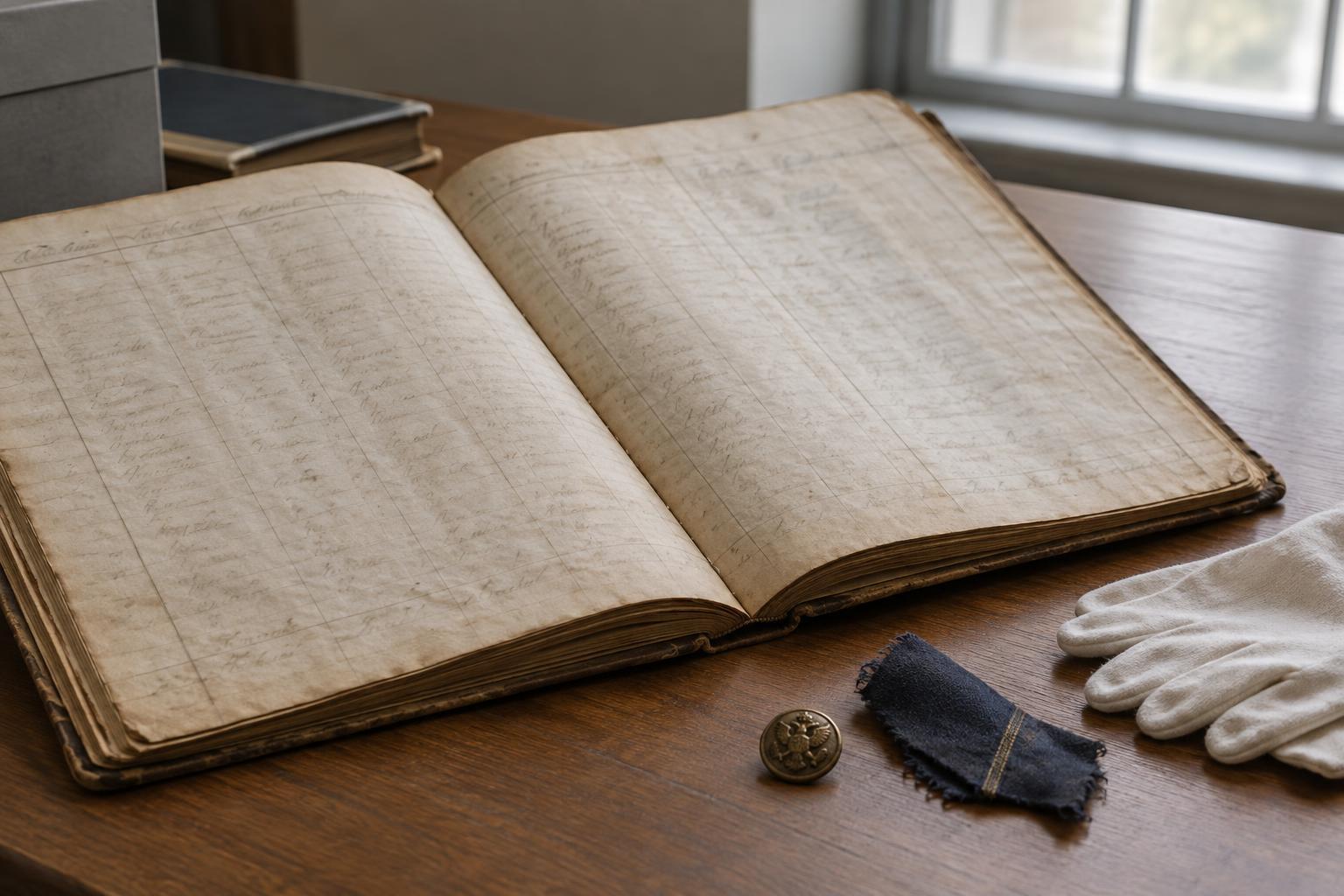
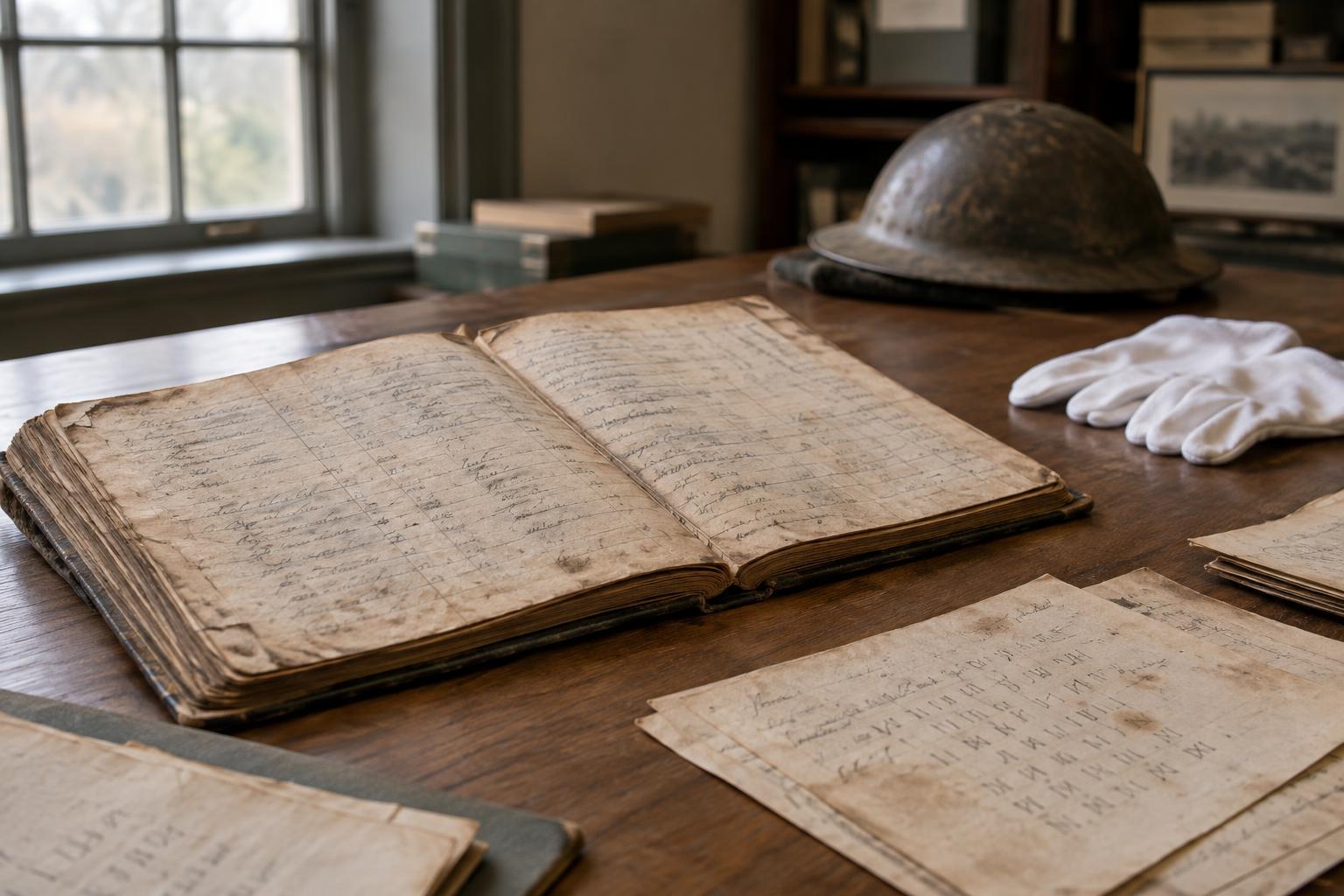
A figure printed to the last person can appear authoritative, even when it rests on fragmentary evidence. Historical records might draw on unit returns, rolls, burial records, correspondence or later recollections. Each answers a different question, and none necessarily captures everyone affected. Records could be lost or compiled under difficult conditions; people outside formal military rolls may be especially hard to trace.
Ask who counted the losses and why. A report prepared soon after a battle may have lacked information about scattered units or prisoners. A later history may have had more documents to consult but may also have repeated an earlier estimate without checking it. When accounts disagree, it is often more useful to explain the disagreement than to choose the neatest-looking number. An approximate range, or a statement that the total is uncertain, can be more faithful to the evidence.
Check whose losses the figure includes
A battle total may cover one army, both armies or only particular units. It may include officers and enlisted personnel but omit camp followers, local workers or civilians. These boundaries affect more than arithmetic: they shape whose experiences remain visible in the historical account. A source that gives no civilian total should not be read as evidence that civilians were unharmed.
The boundaries of the event matter too. Writers may use the name of a battle to mean a single day of fighting, several engagements or a longer siege and its aftermath. Losses suffered during a retreat might appear in one account and be excluded from another. Before comparing figures, establish the place, period and groups each one covers. Two totals can differ without either being a simple counting error.
Avoid misleading comparisons and conclusions
Large totals attract attention, but raw numbers alone tell us little about the scale of a loss for those involved. Losing a given number of people from a small force has a different meaning from losing the same number from a much larger one. Even percentages need care: the strength recorded before an engagement may not represent everyone present, and a unit’s roster may include people who did not fight.
Casualty figures are also a poor shortcut for deciding who won, fought hardest or showed greater resolve. Losses reflect many circumstances, while accounts of victory may be based on objectives or later political interpretation. Avoid treating a high total as a complete explanation of a battle or as a measure of individual experience. Numbers are most useful when placed alongside descriptions of what was recorded, what remains uncertain and how the event affected the communities involved.
Write with uncertainty in view
When presenting a figure, identify what it measures in ordinary language: for example, reported military losses rather than simply “the dead.” Note whether it comes from an immediate return or a later reconstruction if that distinction is known. Where estimates vary, give readers the reason when possible, such as different time periods or different definitions of missing personnel. Do not turn an uncertain range into a single exact total merely because it makes a caption or summary easier to write.
For museum labels, collecting notes and general histories, this approach helps keep objects connected to people without reducing those people to a number. A uniform, memorial or piece of equipment may speak to service and loss, but it cannot by itself verify a casualty total. Clear definitions and modest claims allow figures to provide context while leaving room for the incomplete, uneven records behind them.