Recruitment was never a single system
An army’s ranks could contain people who arrived by very different routes. A ruler might demand troops from a district, require eligible subjects to serve, or offer pay to those willing to enlist. These approaches are often described as levies, conscription, and voluntary recruitment. The terms are useful, but they do not fit every place or period neatly. An obligation could be fulfilled by sending a substitute, while a person called a volunteer might have faced strong pressure at home.
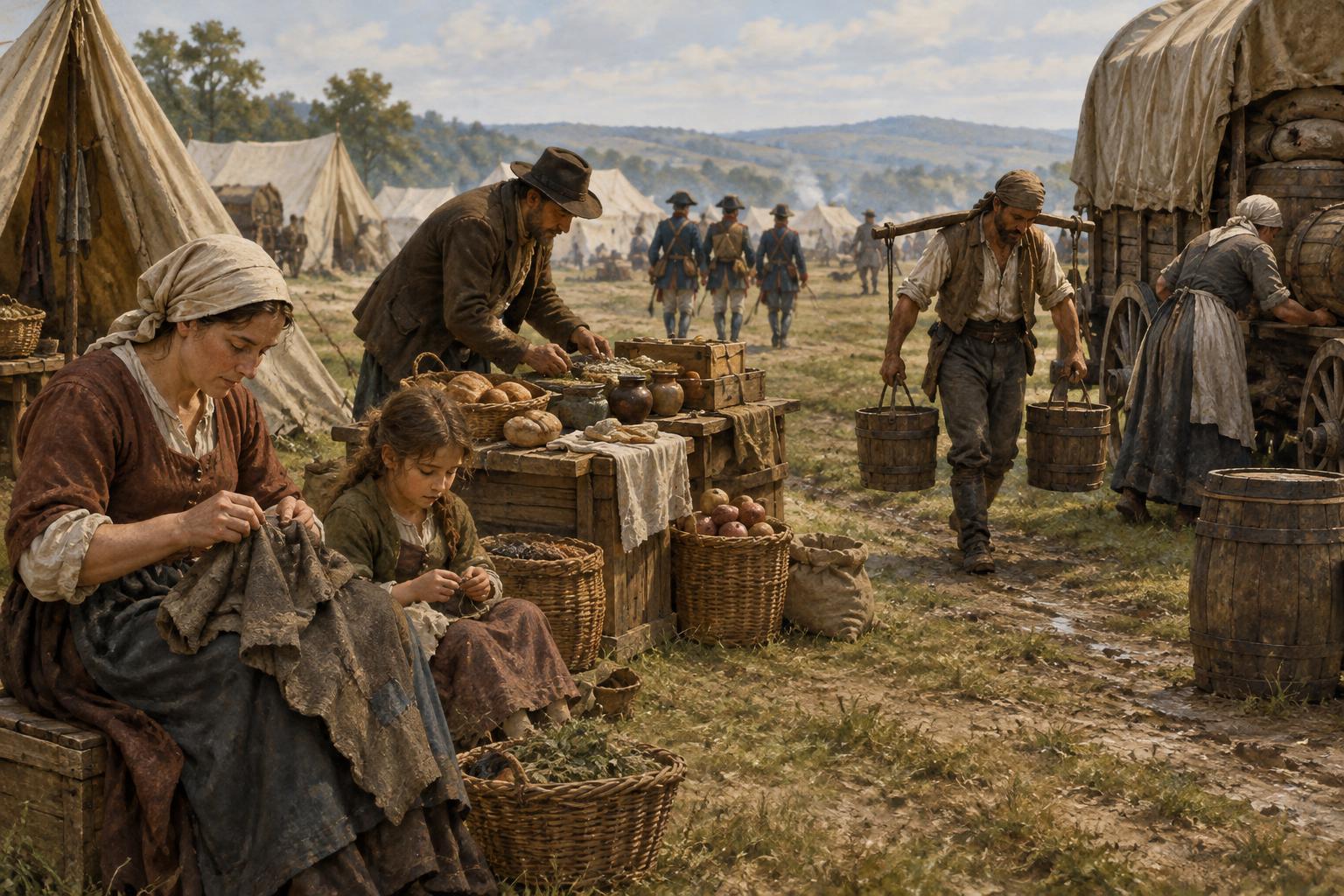
Recruitment also depended on what a government could administer. Officials needed some way to identify potential recruits, gather them, supply them, and decide how long they would serve. Local leaders often played a central role because they knew households and controlled access to resources. Looking beyond the battlefield to these arrangements reveals an army as part of a wider social system.
Levies and obligations to serve
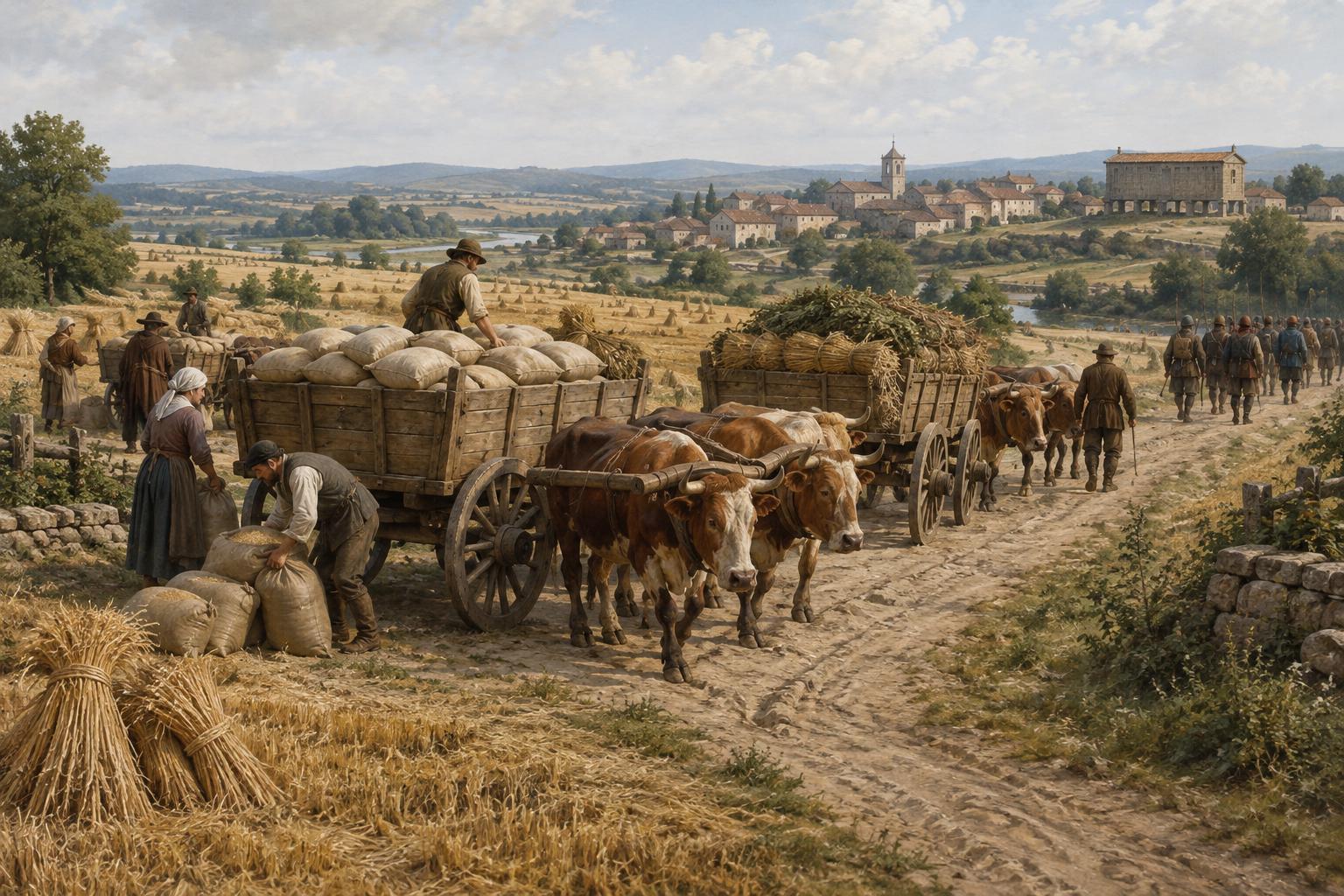
A levy generally meant calling on a community or group to provide people for military service. In many premodern societies, obligations were tied to landholding, status, or membership in a locality. The precise burden varied: some people served in person, while others provided equipment, money, transport, or supplies. Medieval rulers, for example, might draw on duties owed by landholders alongside troops raised through paid agreements.
A call to serve did not mean every eligible person appeared with the same training or equipment. Local wealth, access to materials, and the length of time available for preparation could all affect what a contingent brought. Service might also disrupt planting, harvests, trades, and households. For that reason, negotiations over numbers, duration, and exemptions mattered to communities as much as they did to commanders.
Conscription and the reach of the state
Conscription is the compulsory selection of people for service under a government’s rules. It became especially significant where states could keep records, establish eligibility categories, and enforce calls to serve across large populations. Its forms differed widely. Systems might use age groups, quotas, lotteries, or other selection methods; they might also allow exemptions or alternatives. These details shaped who bore the burden and who could avoid it.
Compulsion did not guarantee a simple or orderly process. Families and local officials could contest eligibility, and governments had to address the needs of farms, workshops, and public services while maintaining their forces. Recruitment records, where they survive, can therefore tell historians about more than army size. They may also reveal how a state classified its people and how communities responded to its demands.
Volunteers, pay, and mixed motives
Voluntary enlistment could appeal to people seeking wages, a trade, travel, status, or a cause they believed in. Personal motives were rarely identical, even within one unit. Pay and promised provisions mattered, but so did family connections, local loyalties, and the reputation of those doing the recruiting. Some people joined during a period of enthusiasm; others saw few attractive choices outside military service.
The boundary between volunteer and compelled recruit could be blurred. Social expectations, economic hardship, or pressure from authorities might influence a decision without appearing as a formal order. Armies also combined methods: a government could rely on compulsory service in one area while accepting paid volunteers in another. Rather than treating each soldier as a representative of one recruitment system, it is more useful to ask what choices were available to that person.
Reading recruitment through surviving objects
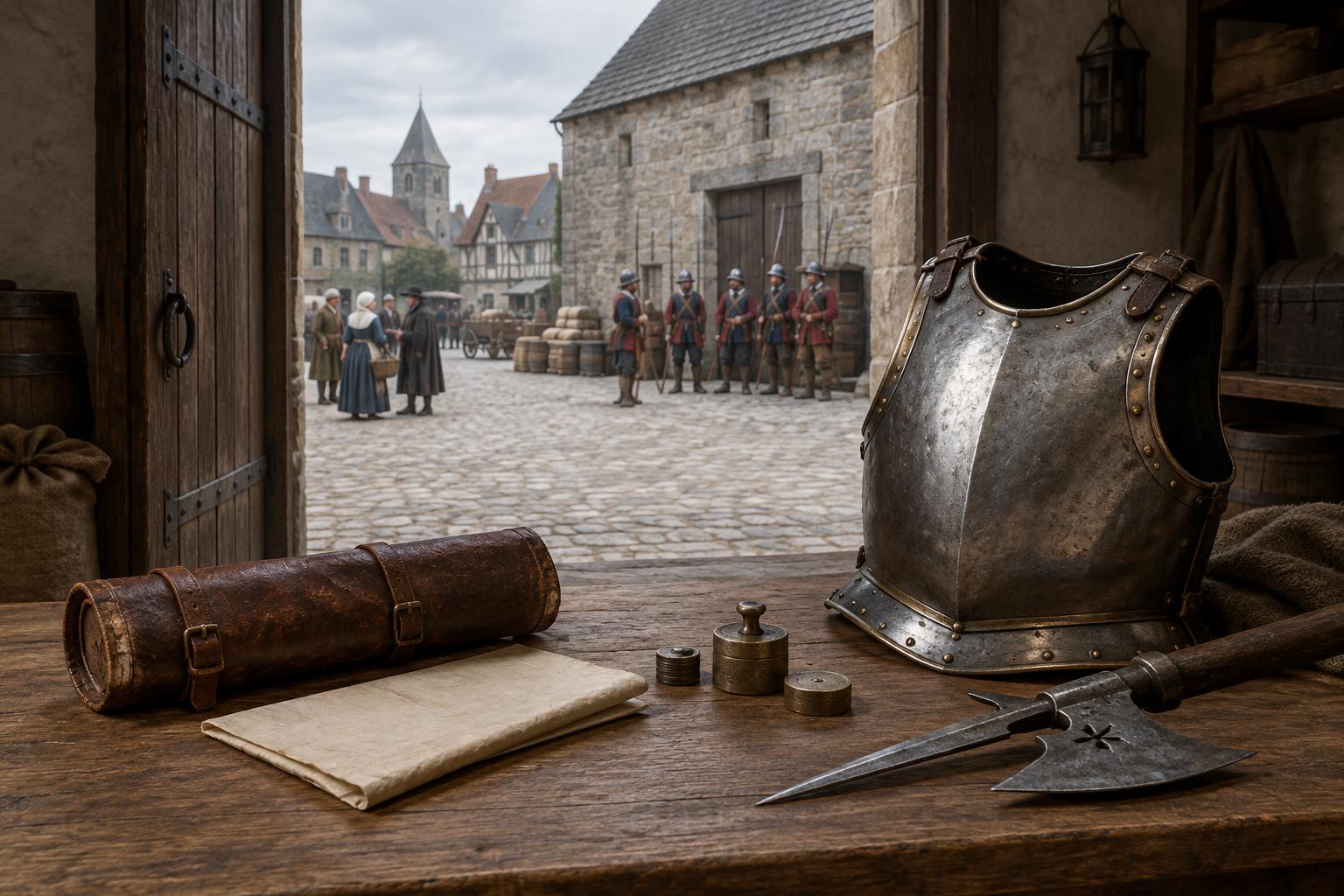
Arms, clothing, badges, and documents can offer clues about how people entered an army, but they require careful interpretation. Standard-issue equipment may point to organized purchasing and distribution, yet it does not show whether its wearer enlisted willingly. Privately acquired items may suggest differences in means or status, but they cannot by themselves prove a particular recruitment route. Muster rolls and enlistment papers can add names and categories, though their language may reflect administrative needs rather than personal experience.
For collectors and museum visitors, the strongest questions connect objects to people and institutions. Who supplied this item? Was it issued, purchased, inherited, or altered during service? What do records say about the unit’s recruitment, and what remains unknown? Displaying an object alongside its social context makes room for both craftsmanship and the lives shaped by military obligation.