Two ways of sustaining military service
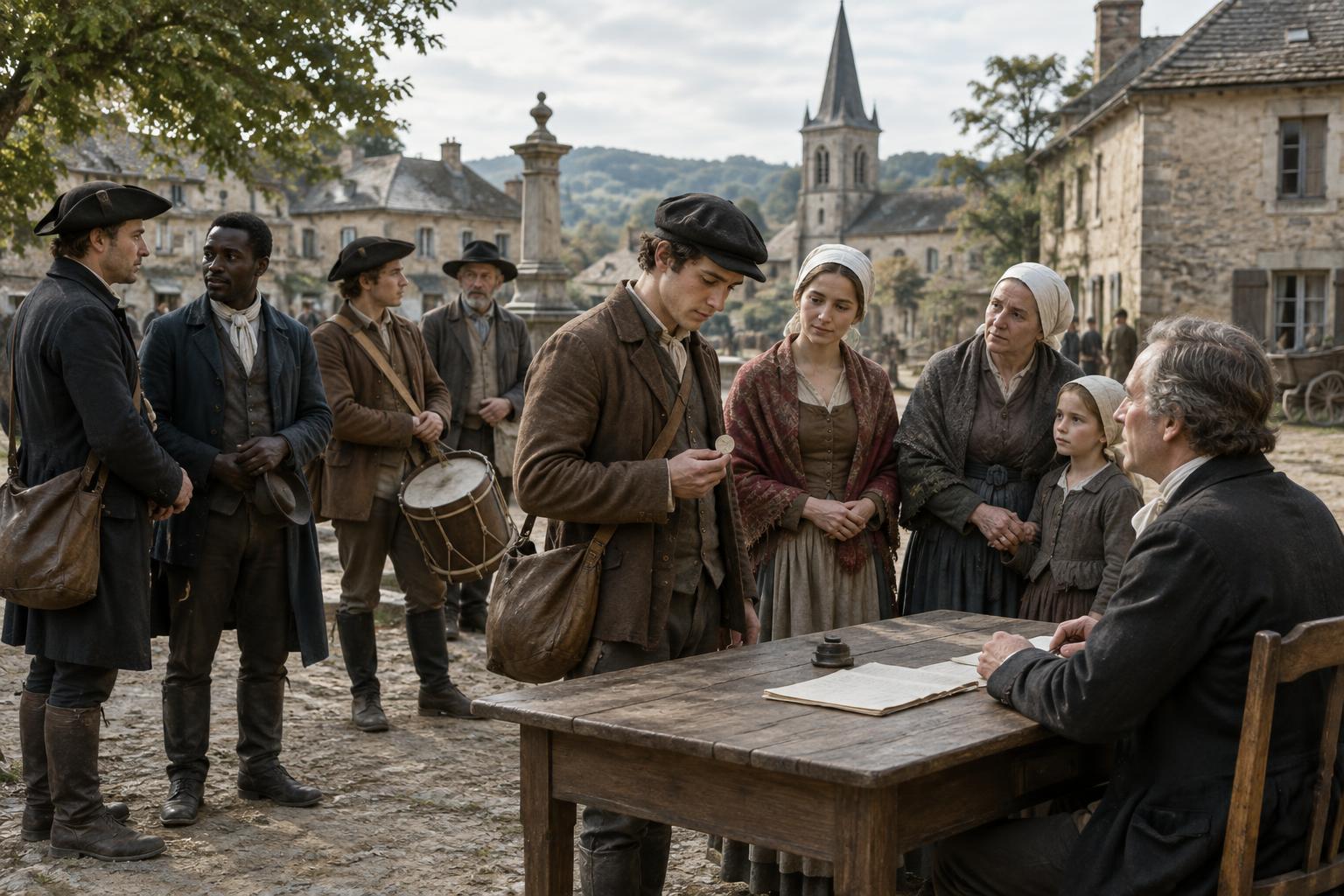
A seasonal force was assembled for a limited period, often around a planned campaign or a customary obligation to serve. Its members might return afterward to farms, workshops or other work. A standing army, by contrast, remained in service between campaigns. That distinction concerns the duration of service, not the skill or commitment of the people involved: a short-term force could contain experienced fighters, while a permanent one still had to train and replace its members.
The terms also describe a spectrum rather than two tidy historical stages. States could maintain a small permanent core and call up others when needed. Some rulers paid troops for extended periods without possessing the administrative capacity to support a large army indefinitely. Geography, political authority and available resources shaped each arrangement. Asking who served, for how long, and who met the cost is often more revealing than assigning a force a single label.
A continuing expense changed the work of government
Calling people together for a season required coordination and supplies, but maintaining soldiers year-round made those needs persistent. Pay, food, clothing, accommodation and the care of equipment could not simply be set aside when a campaign ended. Rulers and officials needed ways to raise resources regularly, record obligations and move provisions to where troops were based. In some states, this encouraged more extensive tax collection, recordkeeping and oversight; elsewhere, existing institutions limited what could be done.
Regular support also made military decisions harder to separate from ordinary administration. A government had to consider not only whether it could assemble a force, but whether it could sustain one during quiet periods. Delayed pay or inadequate supplies could strain relationships within the army and with nearby communities. A standing force might give a ruler a more readily available instrument of power, yet its continuing cost could narrow other choices.
The costs reached beyond the soldiers
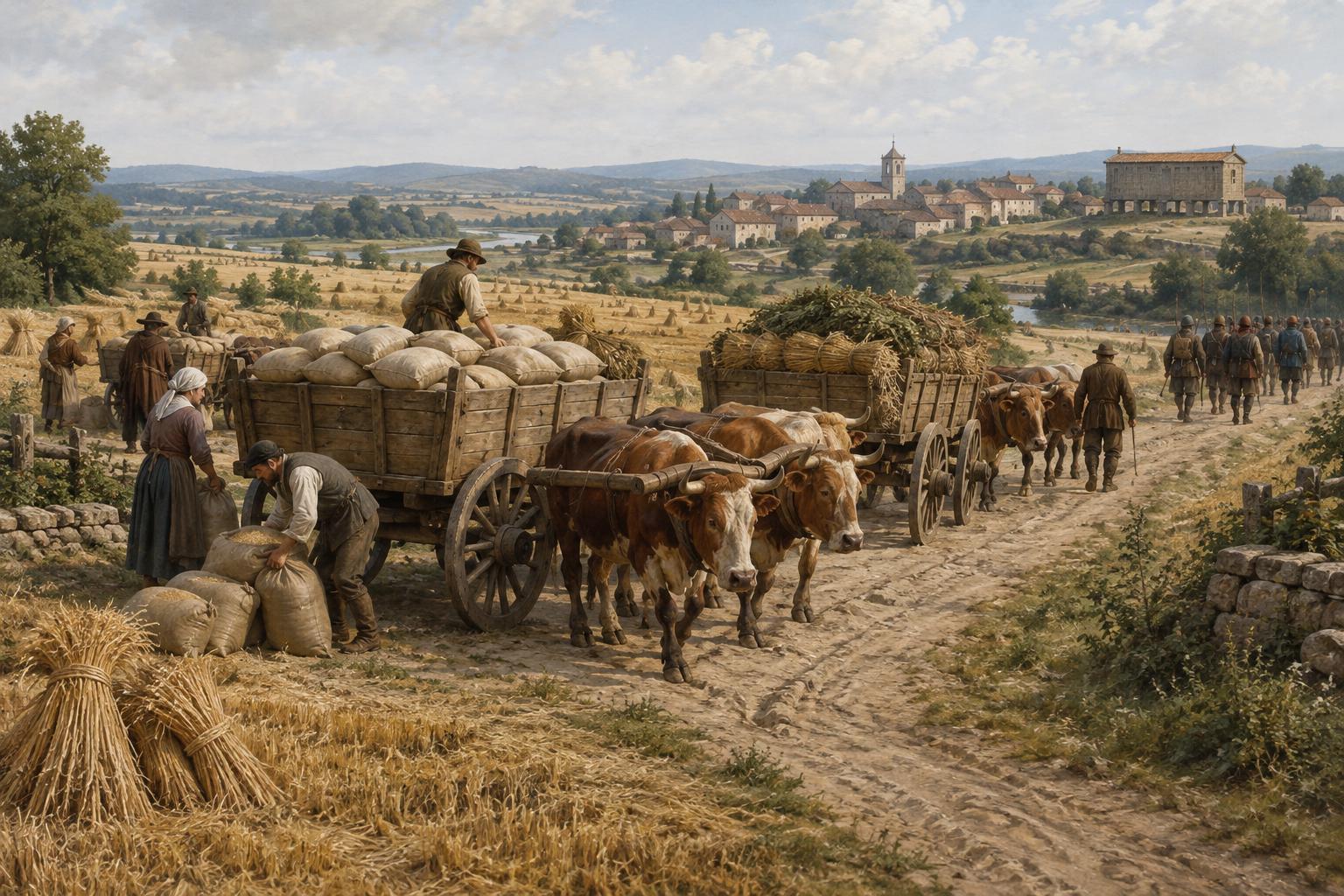
Seasonal service could interrupt planting, harvesting, trade or household work. Those effects depended on who was called away and when. Even people who did not serve might contribute transport, food or money. A short period of service was therefore not necessarily a light burden, particularly if a household had few people available to replace an absent worker.
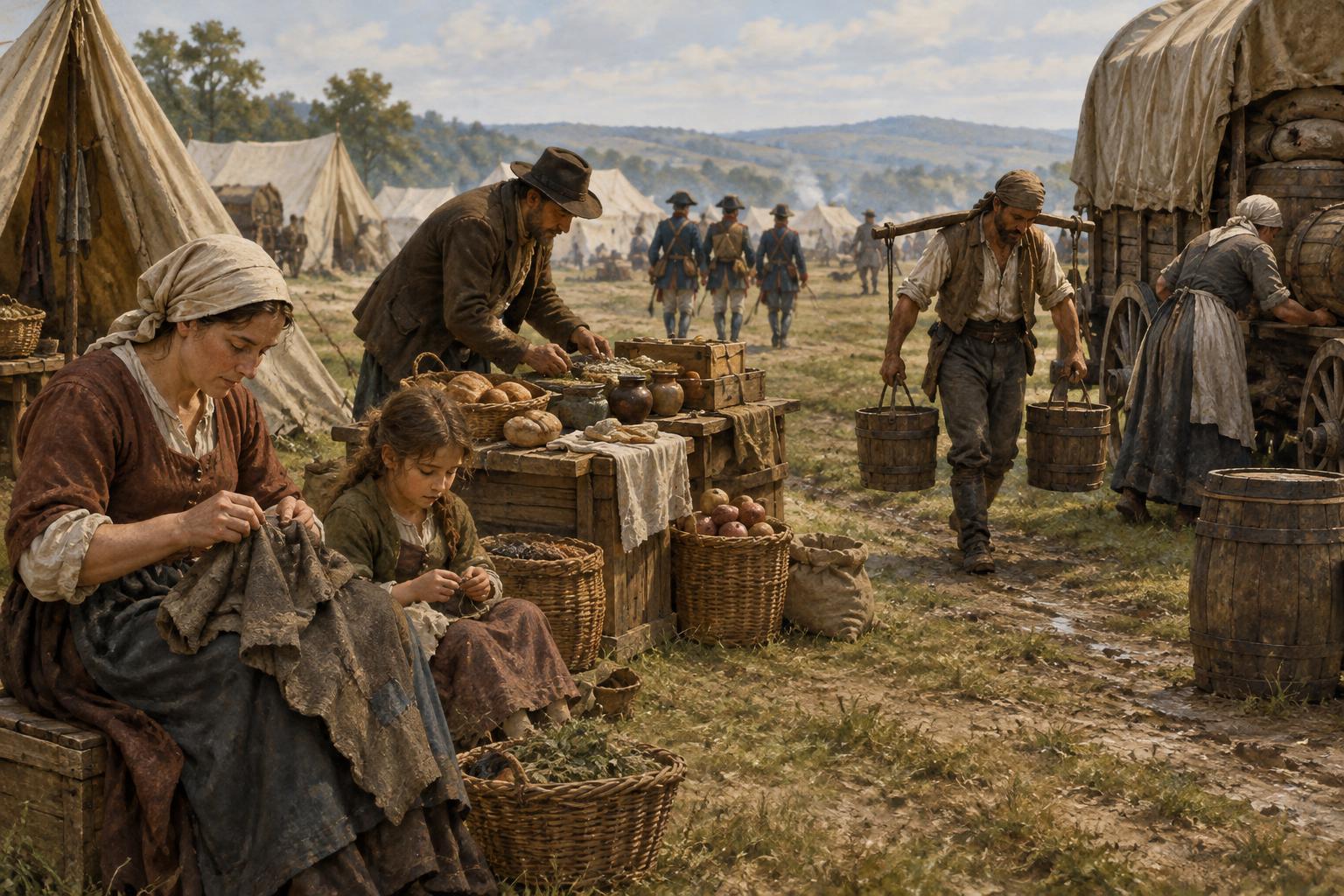
A standing army changed the pattern of contact. Troops stationed near a town might buy goods and create work for suppliers, craftspeople and carriers. They might also compete for food and lodging or prompt disputes over payment and behaviour. The balance varied with local rules and circumstances. For a community, the crucial question was often less whether soldiers were permanent or seasonal than how fairly their needs were met and how residents could seek redress when they were not.
Service, identity and political power
Limited-term service could reinforce existing ties to a household, estate or locality. People might understand military duty as one obligation among several owed to a ruler or community. Longer service offered a different kind of belonging, shaped by shared routines, pay and repeated association with fellow soldiers. Neither arrangement produced a single, uniform identity: family connections, regional loyalties and personal interests remained important.
For rulers, permanent troops could reduce reliance on assembling supporters for each campaign. That might strengthen central authority, but it did not remove the need for cooperation. Officials still depended on taxpayers, suppliers and local authorities, and a permanent force could become a source of resentment if its demands seemed excessive. Seasonal forces, meanwhile, could reflect strong local networks rather than weak organisation. The political meaning of either system depends on the relationships behind it.
Reading the change through surviving objects
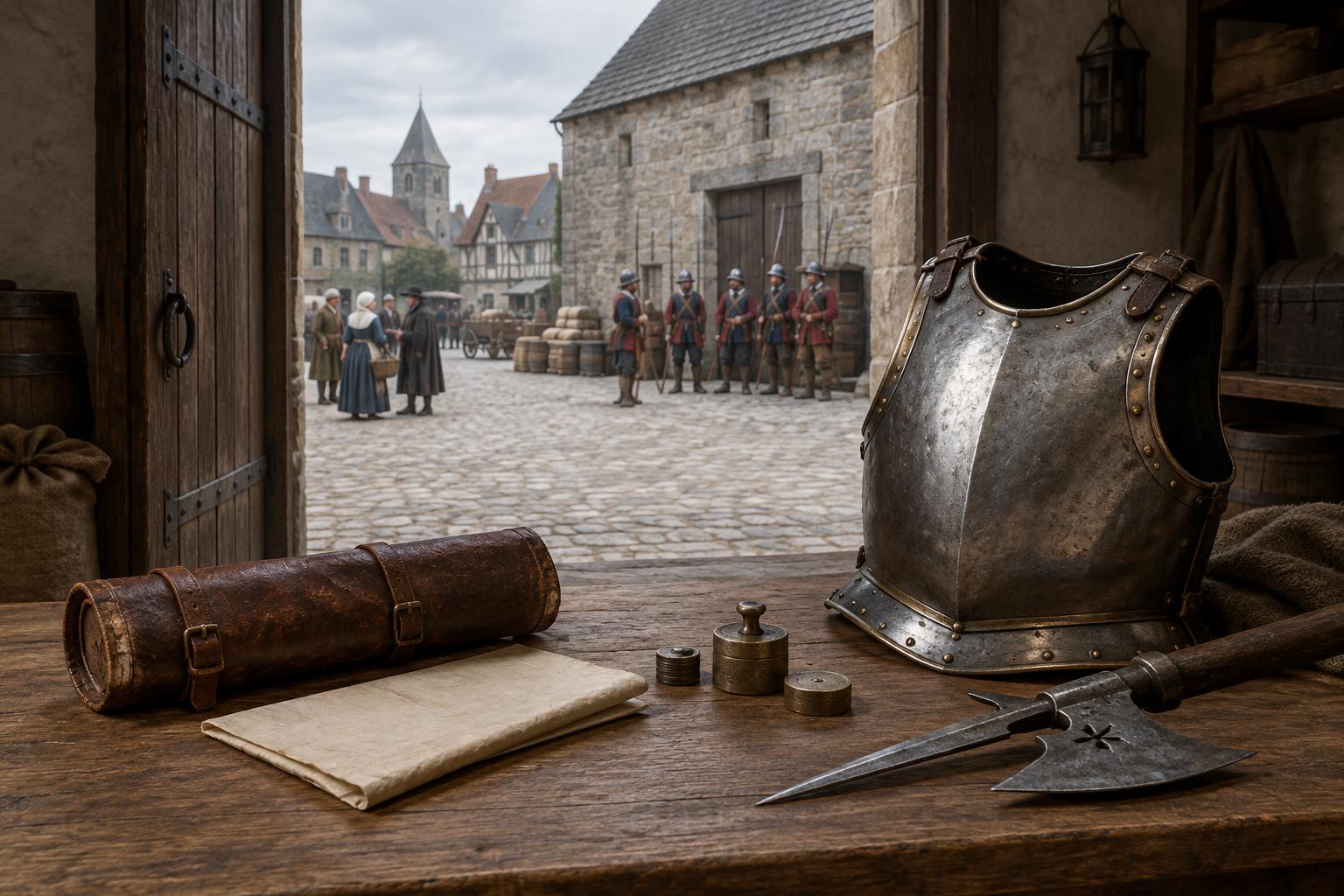
Museum objects can make these arrangements tangible, although an object rarely tells the whole story alone. Equipment made to a common pattern may suggest an effort to supply many soldiers consistently. An individually adapted piece may point toward different purchasing or ownership practices. Neither is definitive: equipment could be reused, altered, issued or privately acquired under many forms of service.
Records and displays add context to the objects. A pay document, a supply account or an item associated with a garrison can direct attention to the continuing labour behind a standing force. An object connected with a short campaign may raise questions about who provided it and what happened when service ended. Seen together, such evidence shifts the story beyond battles. The move toward sustained military service, wherever it occurred, was also a change in how states organised resources and how communities experienced their demands.