An army was also a moving community
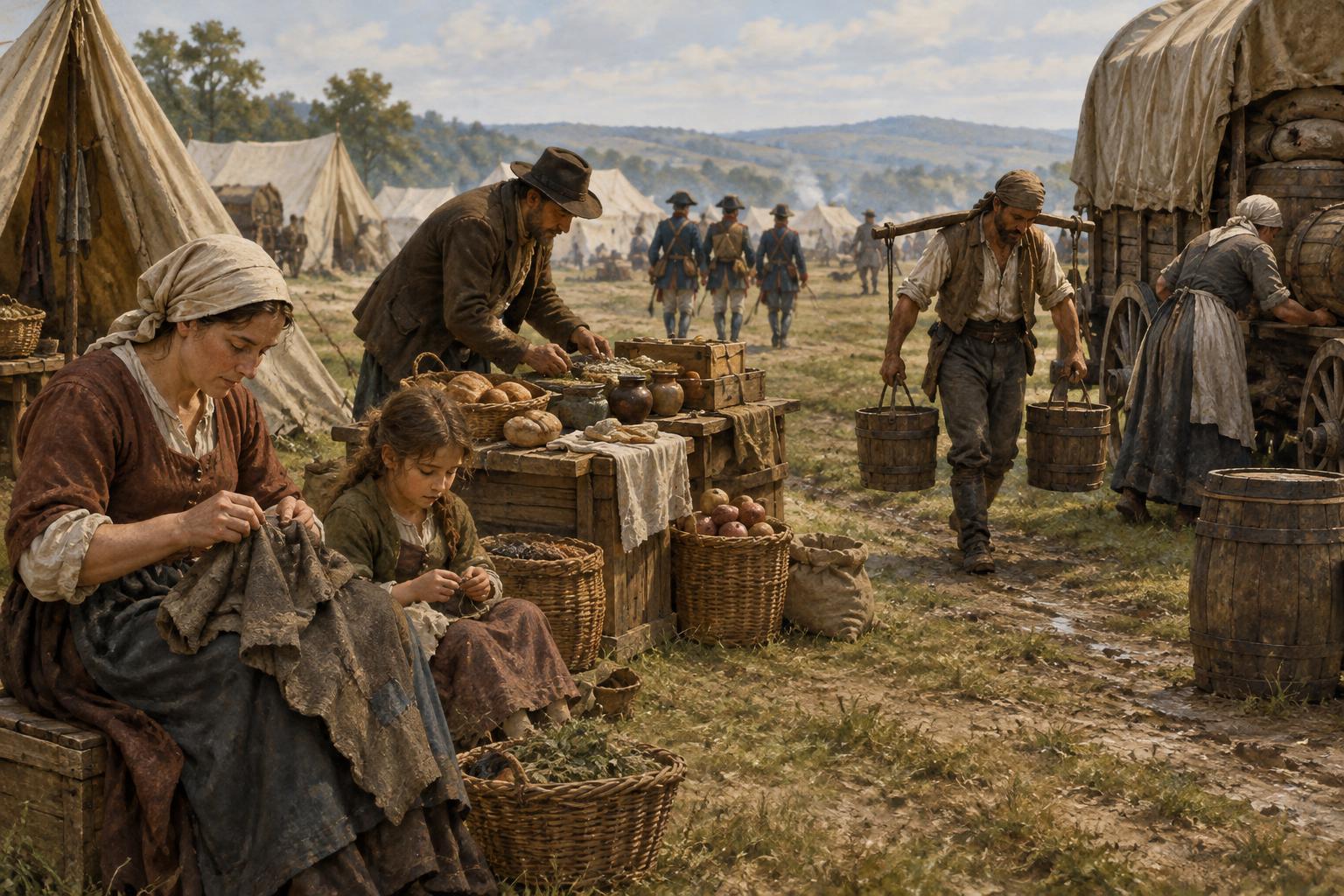
A historical army needed a steady flow of food, water, fuel and animal feed. Soldiers might carry some provisions, but a marching force could not live indefinitely on what individuals brought with them. Cooks, drivers, merchants and camp followers also needed sustenance. Horses, mules and oxen placed further demands on the supply system, especially where grazing was scarce.
These needs made an army more than a collection of fighting units. It was a moving community connected to farms, markets, roads and waterways. A commander’s choices about where to travel or pause were therefore tied to ordinary questions: What food was available? Could it be moved? Would enough remain for the next stage? Supply did not dictate every decision, but it set limits that military plans could not ignore.
Where provisions came from
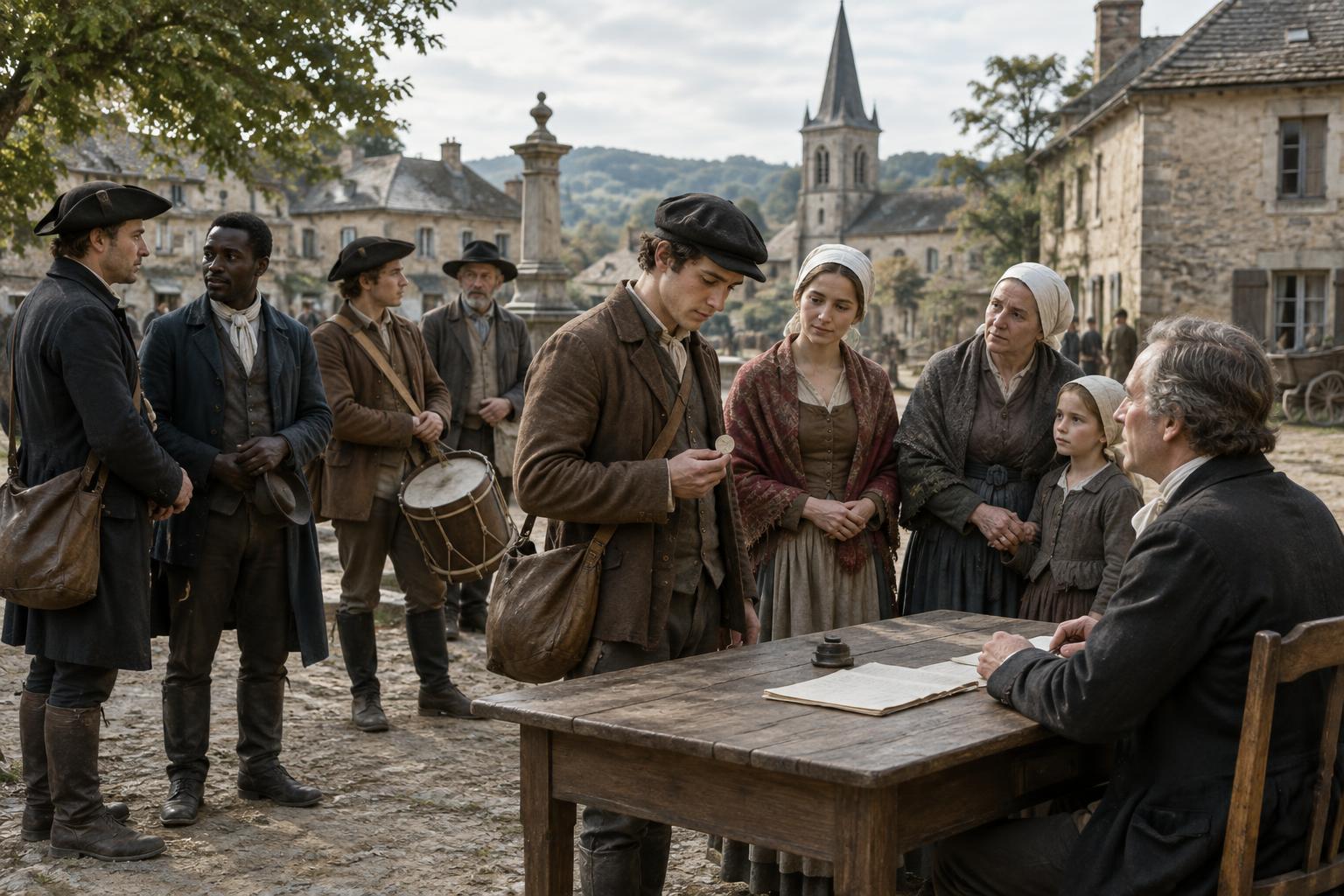
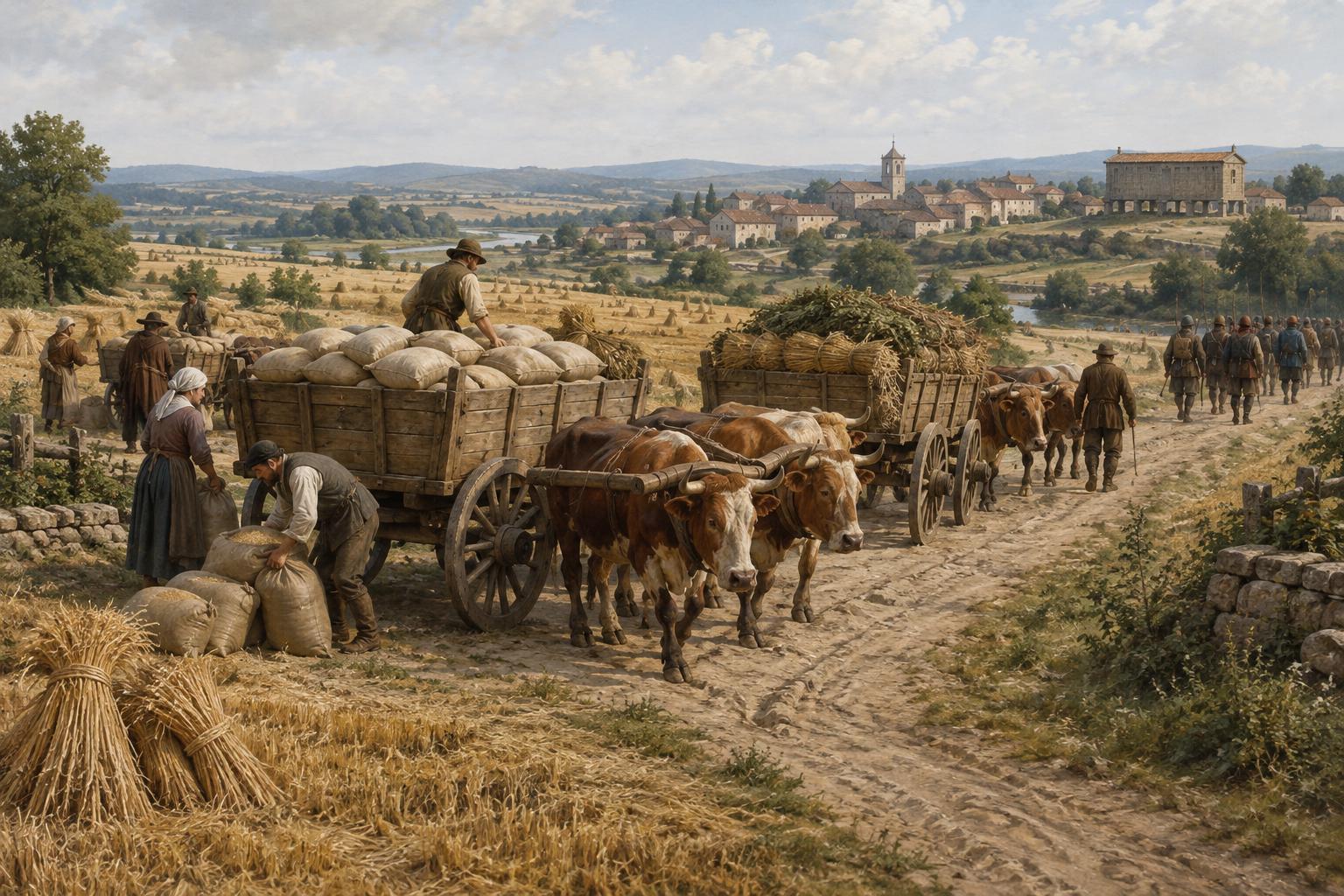
Historical armies drew supplies from several sources, often at the same time. Authorities could purchase or requisition food, gather it in depots, or arrange deliveries through contractors. Soldiers might also acquire food along their route. Such arrangements varied across places and periods, and an order written in a headquarters did not guarantee that a meal would reach a distant camp.
Stored provisions offered a measure of predictability, but they required collection, protection and transport. Local acquisition reduced the amount an army had to carry, yet depended on the harvest, season and willingness or ability of nearby communities to provide goods. In a poor or heavily used region, even an army with money could struggle to find enough. These pressures could also fall sharply on civilians, whose grain, livestock and labour sustained forces passing through or stationed nearby.
Transport determined reach
Moving food was itself a substantial undertaking. Wagons and pack animals carried useful loads, but they also needed drivers, maintenance and fodder. Roads could become difficult in wet weather, while damaged bridges or steep ground slowed movement. Rivers and coastal routes often made bulk transport easier where they were accessible, though unloading and carrying supplies onward remained necessary.
Distance added another complication: provisions consumed time and resources before they reached the people they were intended to feed. A camp near a navigable waterway, storehouse or productive district might be easier to maintain than one farther away, even if the more distant position appeared attractive for other reasons. This helps explain why routes, ports and crossings recur in accounts of campaigns. Their importance lay not only in movement, but in the ability to keep people and animals supplied.
Food affected the pace of a campaign
A force short of provisions might halt to gather supplies, spread out to find forage, reduce the number of animals it used, or change its route. Each option carried costs. A pause could consume valuable time; searching a wider area could strain relations with local people; and fewer transport animals meant less carrying capacity. Supply problems did not always produce a dramatic crisis. More often, they narrowed the range of choices available day by day.
Season mattered as well. Harvests could make grain or fodder more accessible, while cold or wet conditions might increase the need for fuel and shelter. Storage helped bridge gaps, but food could spoil or fail to arrive when expected. When reading a campaign narrative, it is worth looking beyond the dates of marches and battles to the intervals between them. Those quieter days may reveal the practical work that made further movement possible.
What objects and records can show us
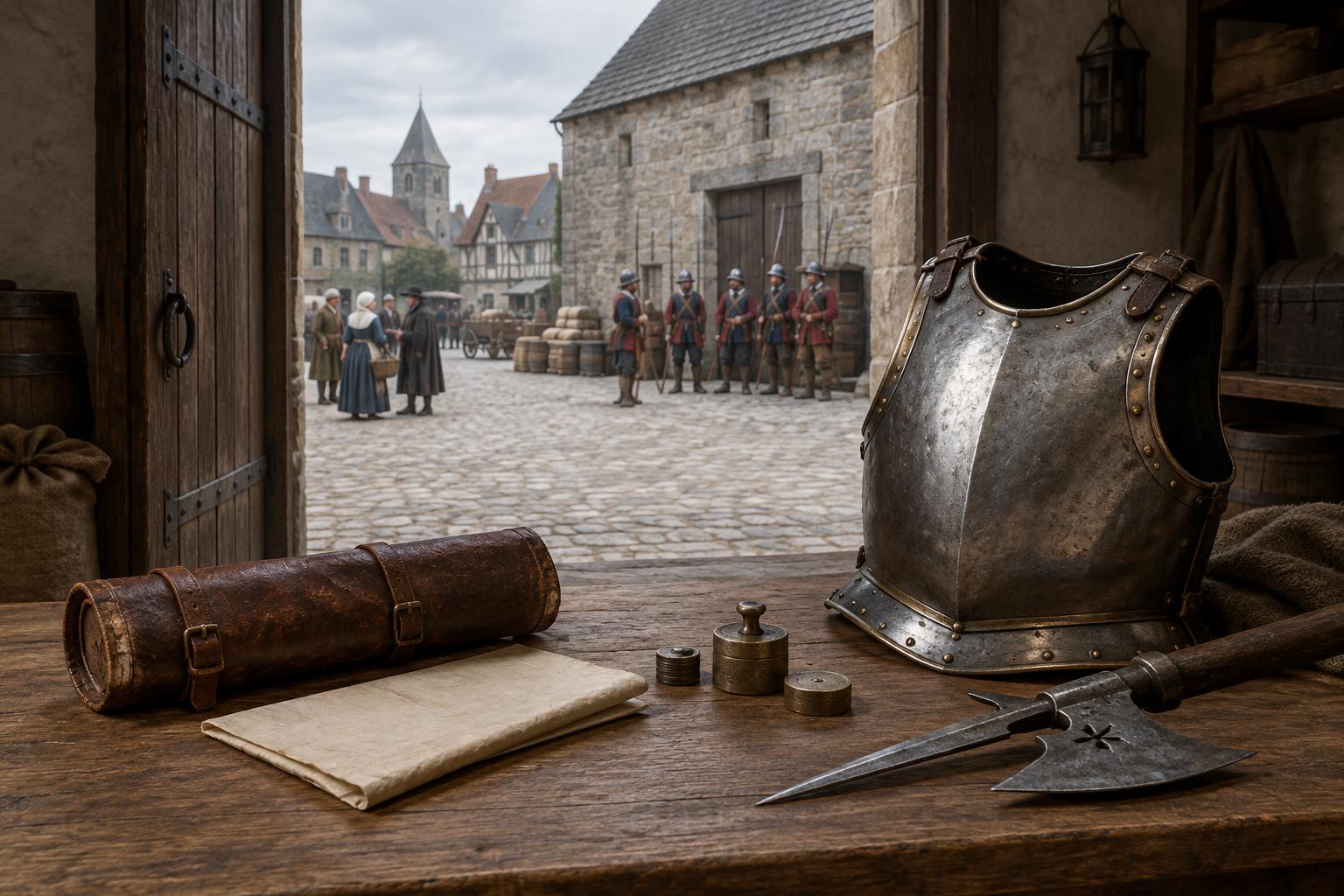
Military collections often place armour and weapons at the centre of the story, but supply has its own material traces. Containers, cooking equipment, ration records, transport gear and maps can help explain how an army functioned outside combat. A simple vessel or ledger may connect an individual soldier’s meal to a much wider network of producers and workers.
These sources need careful interpretation. An inventory describes what was recorded, not necessarily what every person received; a surviving object may be unusual rather than typical. Read alongside accounts of roads, settlements and seasonal conditions, however, such evidence can shift the focus from battle alone to the daily effort of maintaining a force. Feeding an army was never merely a background task. It was part of the historical setting in which campaigns became possible—and in which their limits became clear.