A collection has more than one history
A helmet in a museum may have a history of manufacture, use, repair and changing ownership. It also has a history of entering the museum. Someone chose to keep it, assemble it with other objects and eventually offer it to an institution. That later history affects which facts are known and which questions curators can answer.
Donors may be individual collectors, families or organizations. Their interests can give a collection a distinctive shape: ceremonial armour may be well represented while everyday equipment is scarce, or objects associated with a particular region may appear together because one collector sought them out. Such patterns are valuable evidence of collecting habits, but they should not be mistaken for a balanced picture of the historical past.
What donors preserve—and what records can miss
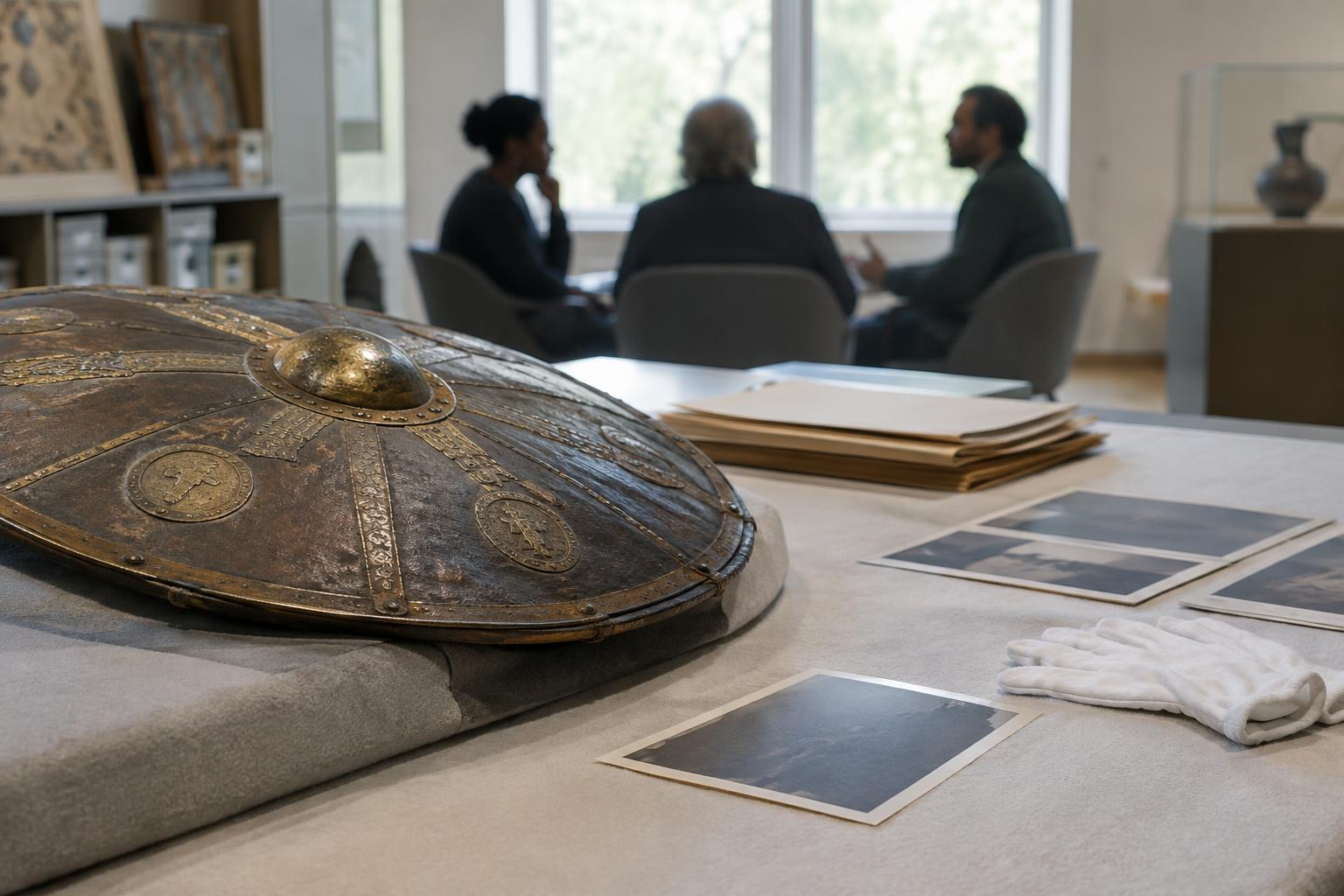
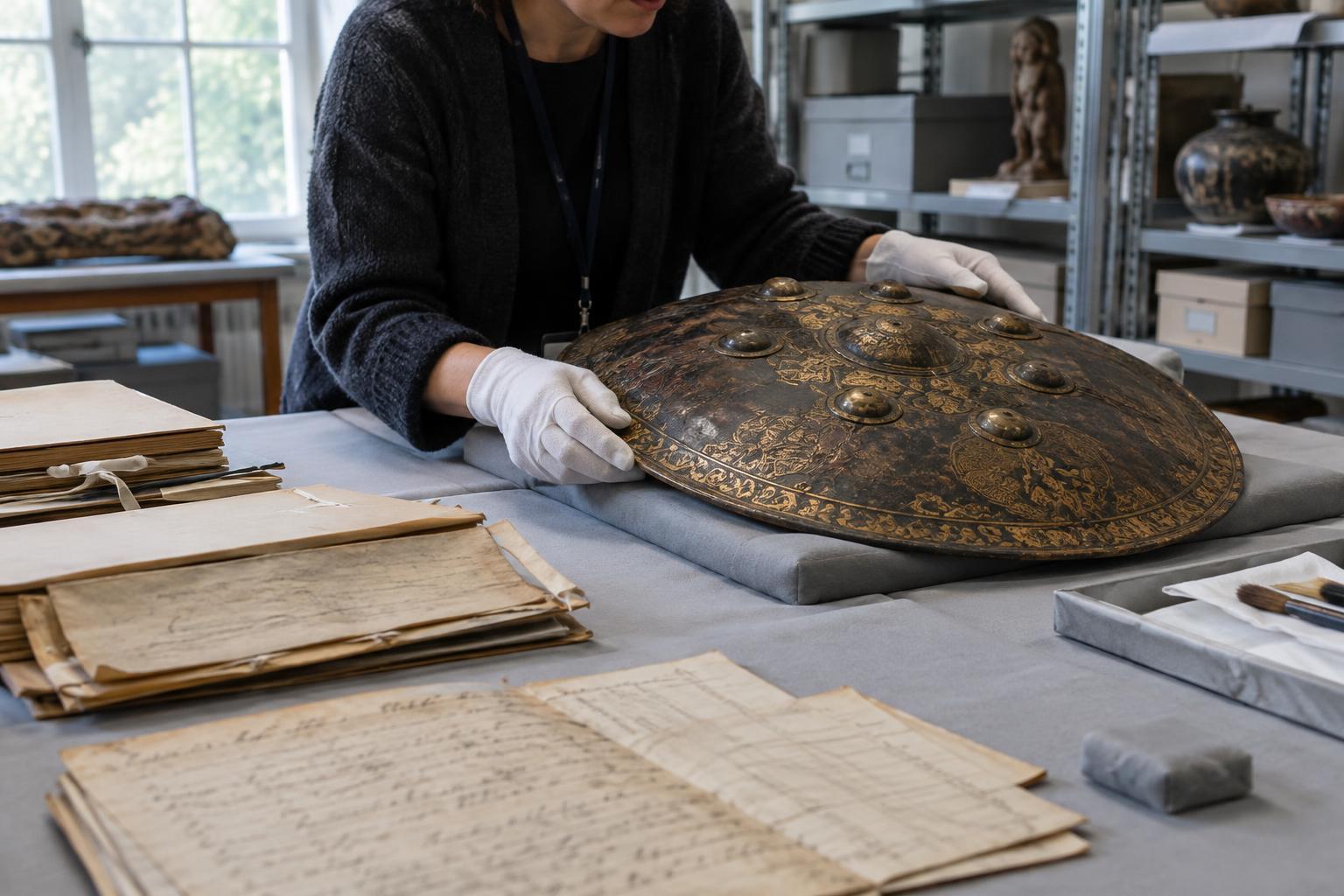
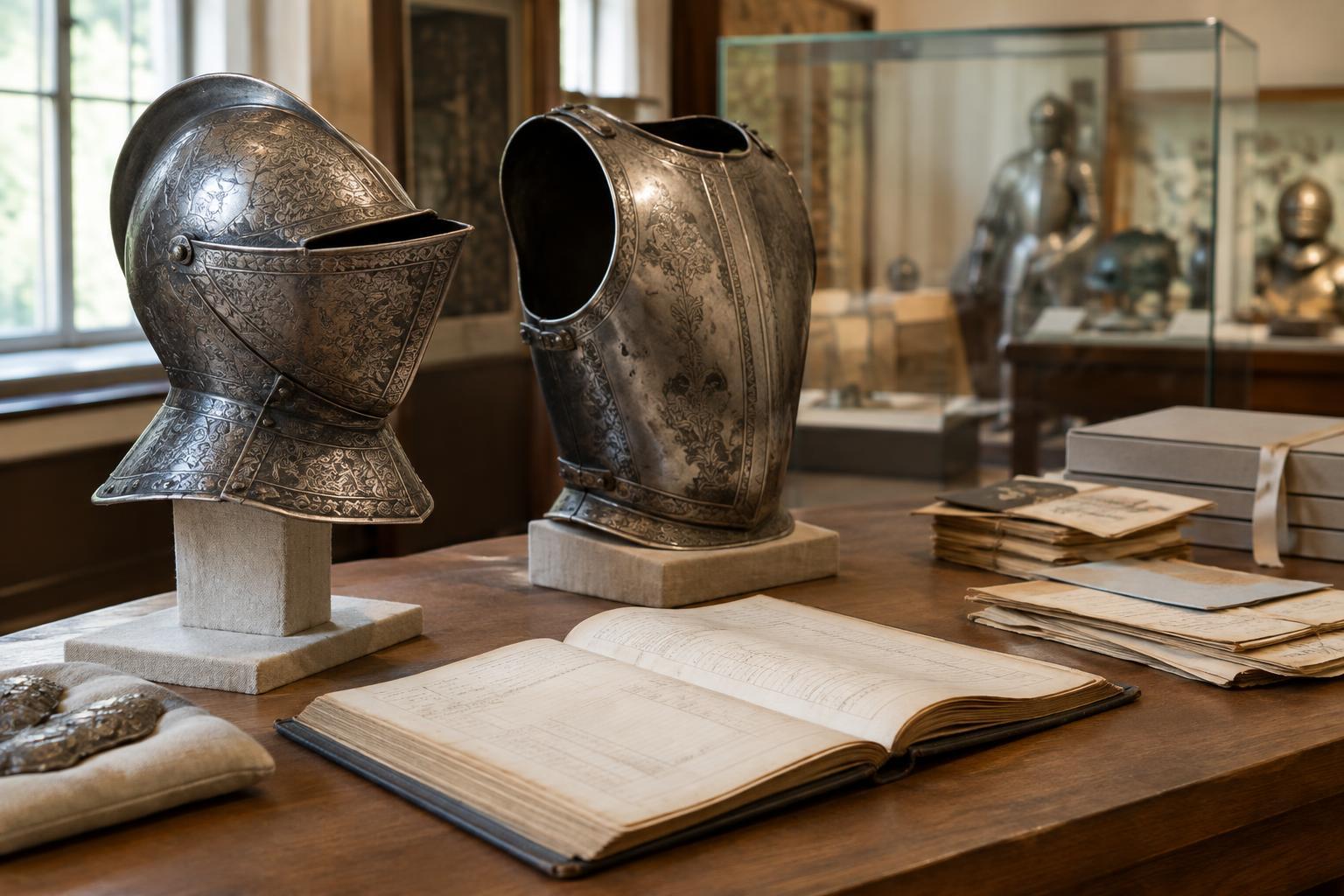
A donor may provide documents that give an object a richer biography: an earlier inventory, a photograph of a former display, correspondence about a purchase or notes identifying a previous owner. Even a simple record of when an object joined a private collection can help a museum distinguish an established ownership history from a later attribution. These materials can also explain why several seemingly unrelated objects arrived as a group.
Yet a donor’s account is only one source of evidence. A family story might describe a sword as a battlefield relic, while the surviving paperwork establishes only that it was owned by a relative much later. A collector’s label may use a traditional name that does not match the object’s construction or decoration. Museums can preserve these claims as part of an object’s history without presenting them as verified facts. Clear distinctions between documented ownership, plausible interpretation and unresolved tradition help visitors understand both the object and the limits of the record.
The choices behind a display
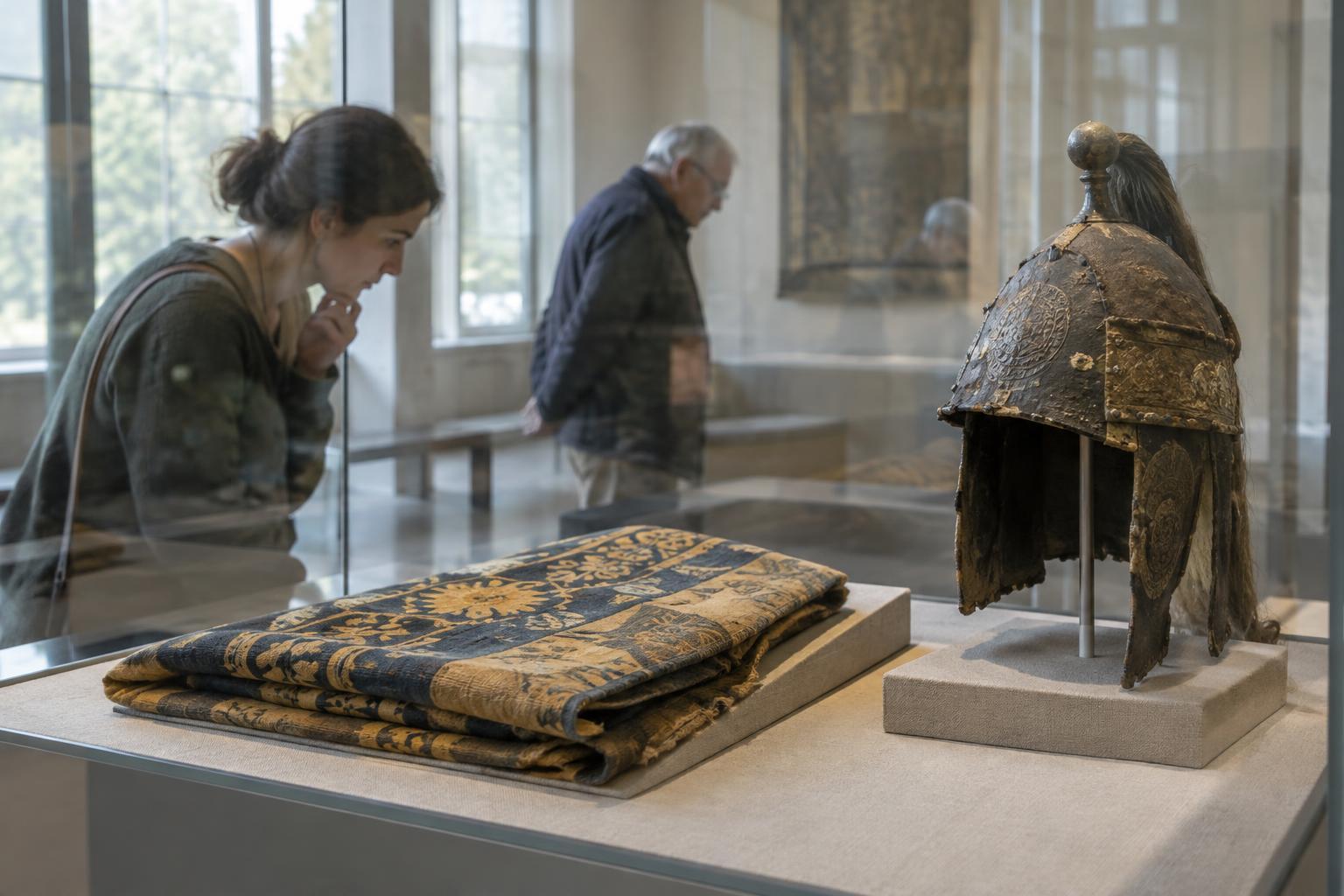
Private collecting often favors objects that are visually striking, rare or closely associated with prominent figures. A museum that receives such a collection may gain remarkable opportunities for display, but it may also inherit its emphasis. A gallery filled with ornate pieces can suggest that splendour was typical unless interpretation explains who could commission or own such work—and why less elaborate objects may not have been collected with the same enthusiasm.
Donor histories can make those choices visible. Labels and collection guides might explain that a group was formed around decorative metalwork, for example, then place it beside objects or images that broaden the view of the period. This approach neither diminishes the donor’s contribution nor treats their taste as a neutral survey. It shows visitors how collecting and museum display have shaped the picture they see.
Provenance includes difficult questions
The route from an object’s place of origin to a donor’s collection may be incomplete or contested. Arms and armour have moved through inheritance, trade, diplomatic exchange and conflict, among other circumstances. A museum cannot fill a gap in that route merely by repeating a donor’s description of where an object came from. Where records are missing, saying so is more informative than implying certainty.
This matters particularly when an object has significance beyond its appearance as a collectible. Its meaning may depend on a community, a ceremony or a historical relationship that an old catalogue entry barely acknowledged. Reviewing donor files alongside other available records can reveal questions for further study and people whose perspectives have been absent from the museum’s account. Interpretation can explain what is established, what remains uncertain and why those distinctions matter.
Using donor histories as evidence
Donor histories are useful not just for tracing ownership but for understanding the museum itself. An acquisition file can show what an institution considered worth preserving at a particular stage of its development. Comparing gifts received over time may reveal changes in collecting priorities, cataloguing language and approaches to display. Older descriptions are therefore worth retaining as records of interpretation, even when later research revises them.
For visitors, a thoughtful account connects these layers without letting any one of them dominate. It asks how an object was made and understood in its original context, how it passed into a private collection, and how its arrival at the museum changed the stories told about it. The result is a fuller view of arms and armour: not isolated treasures, but objects whose meanings have been selected, recorded and reconsidered across generations.