The route into a museum is part of an object’s history
A helmet, ceremonial blade or shield may be displayed for its materials, workmanship or visual impact. Yet its route into a collection also shapes what visitors can understand about it. An object might have been commissioned, traded, presented as a gift, taken during a military campaign or transferred through several hands. Those routes are not interchangeable. Each raises different questions about who held authority over the object and how its meaning changed as it moved.
Museums revisit acquisitions made during colonial rule because the surviving catalogue entry may describe only the final transaction: the name of a donor or dealer and the date the museum received the object. It may say little about the people who made, used or cared for it before then. Re-examination does not mean that every object has the same history. It means treating the circumstances of collection as a subject for careful investigation rather than as a footnote.
Reading records alongside their silences
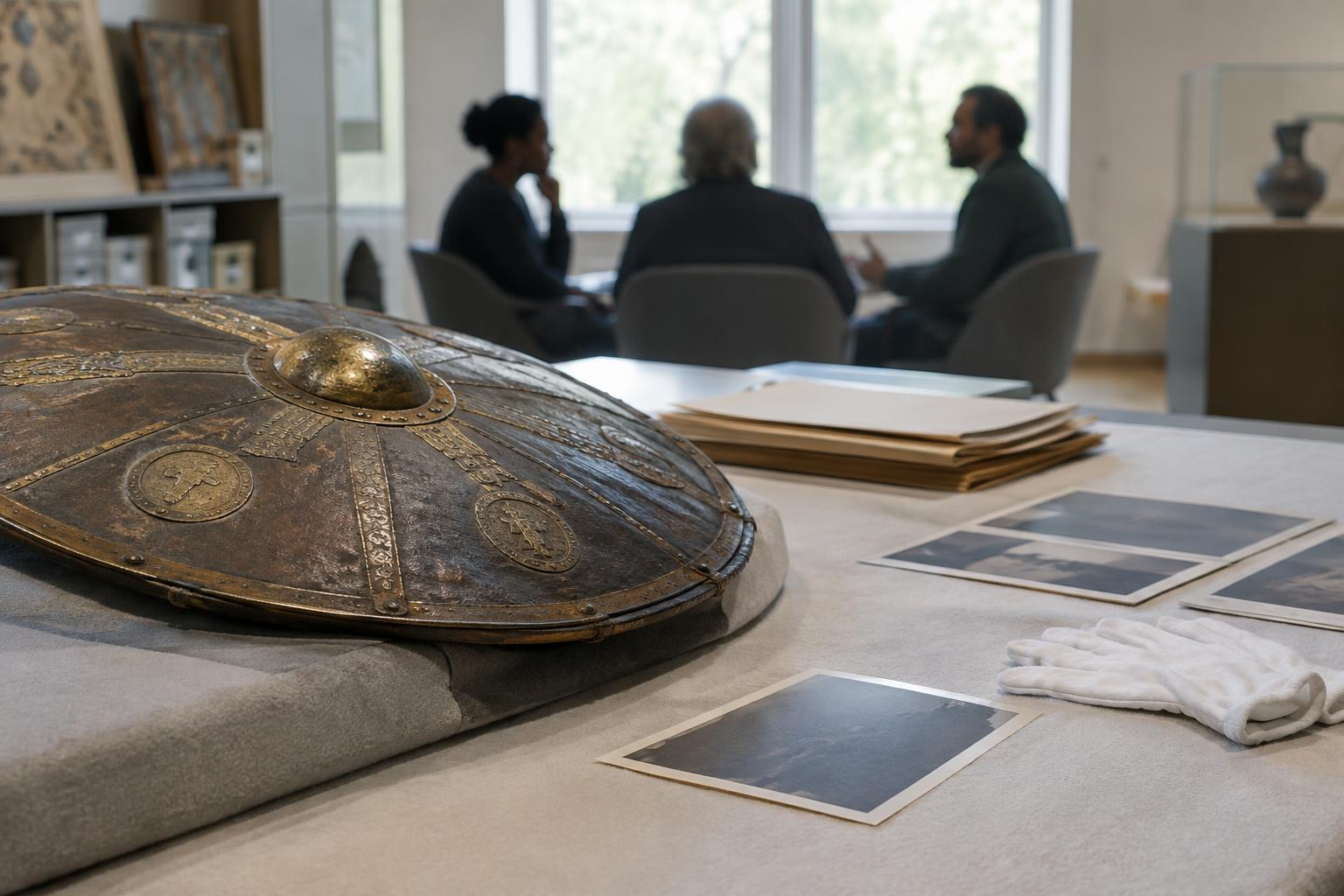
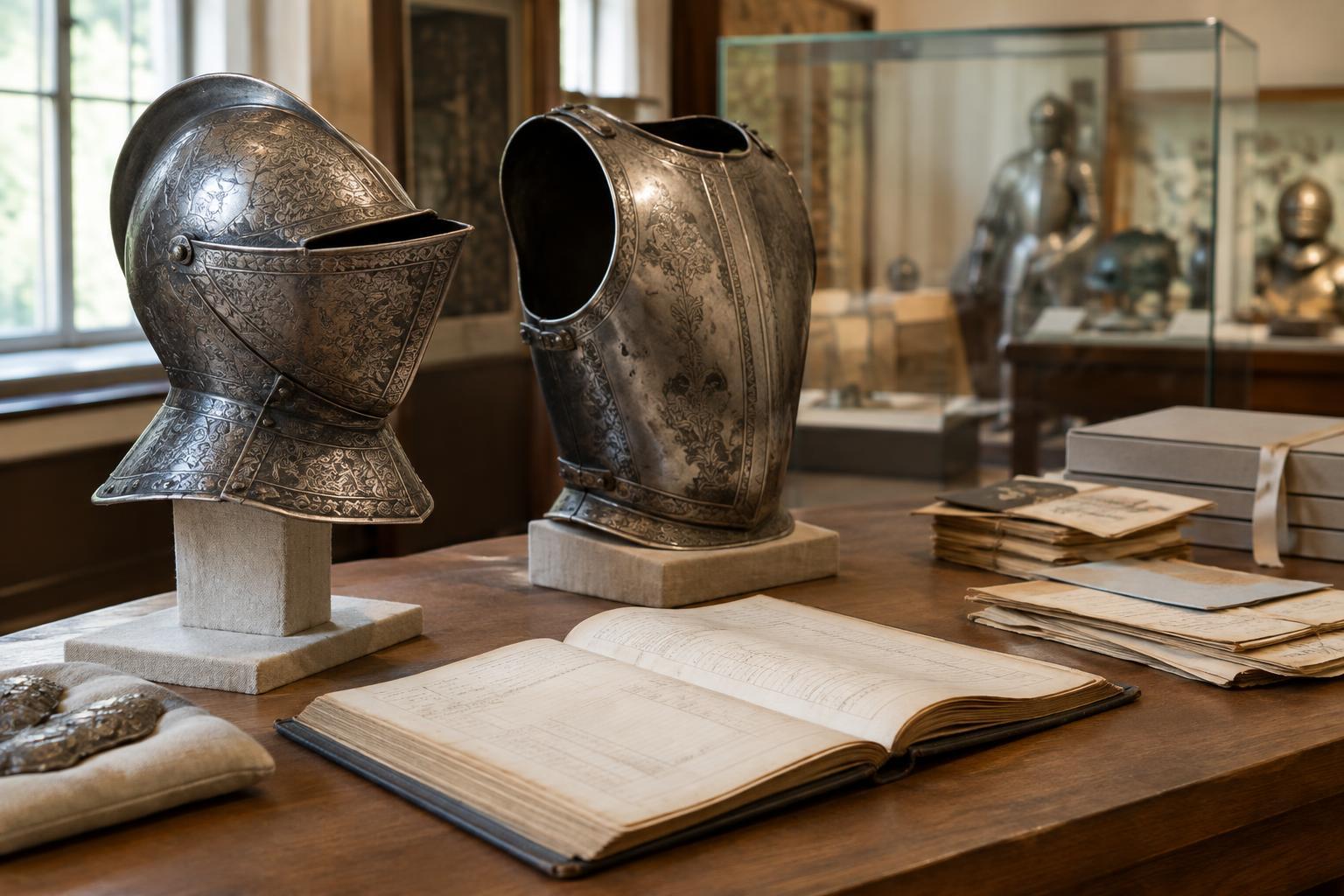
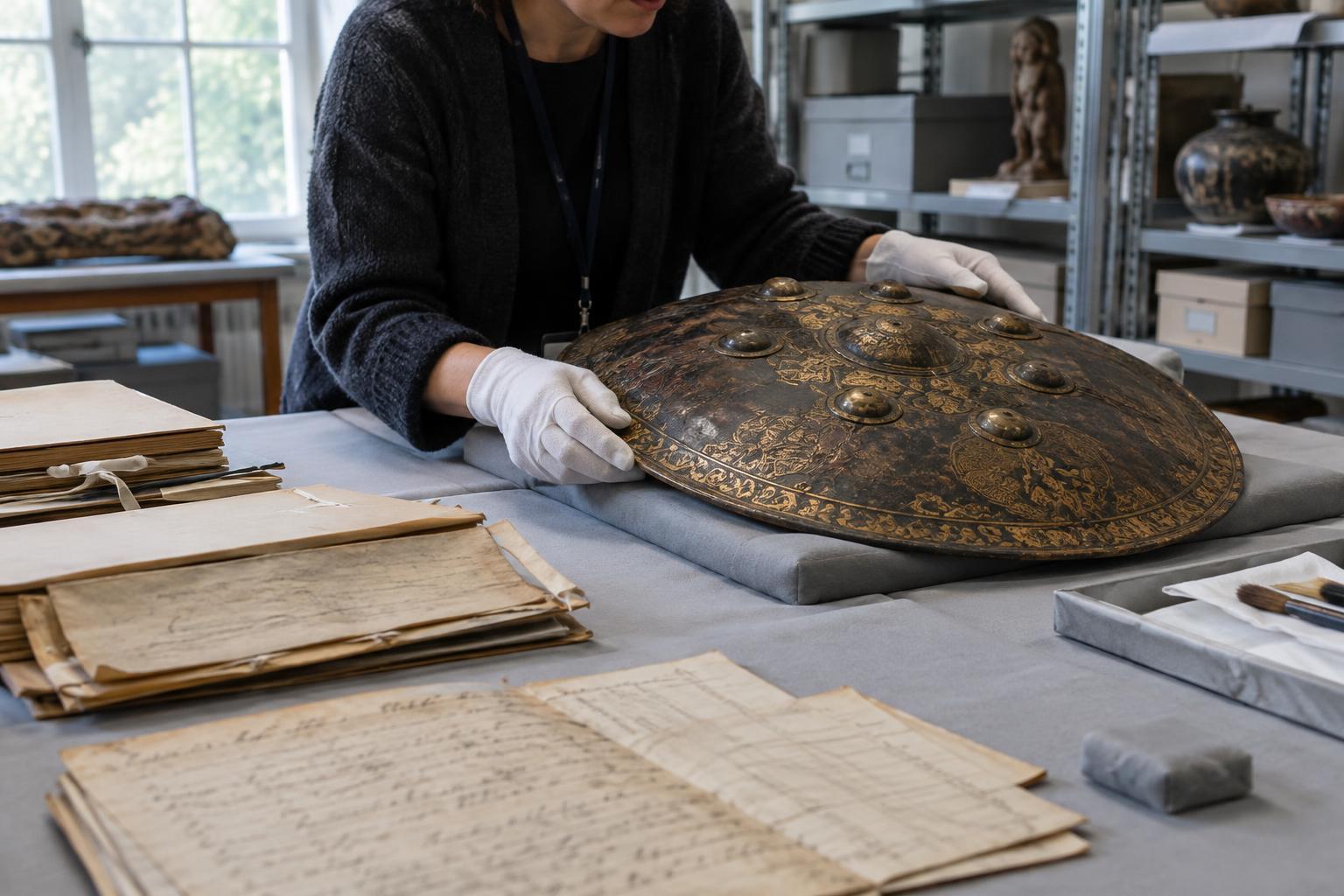
Provenance research traces an object’s known ownership, custody and movement. Museum staff may compare accession registers, correspondence, photographs, inventories and older labels. Details that once seemed incidental can matter: an inconsistent place name, a note about a military expedition or a description copied from a dealer’s list. Researchers also look at the object itself, including repairs, inscriptions and changes made for display, while recognising that physical evidence rarely explains a transfer on its own.
Colonial-era records often reflect the priorities of officials, collectors and institutions rather than those of the communities from which objects came. A document calling something a “gift” may not show whether the giver could refuse, or whether that person was entitled to give it away. Conversely, a gap in the paperwork does not establish exactly what happened. A responsible account distinguishes documented facts from plausible interpretations and unresolved questions. Keeping those distinctions visible is more useful than replacing an old, overconfident label with a new one.
Why arms and armour need more than a maker’s label
Historic arms and armour are especially easy to interpret too narrowly. A museum might identify a sword by its blade form or a shield by its construction, but those features do not exhaust its significance. Such objects can express rank, community affiliation, skilled labour, ceremony, protection or remembrance, depending on their setting. Their meanings may also have shifted over time. Describing an object only as a weapon can obscure the relationships and traditions that made it important.
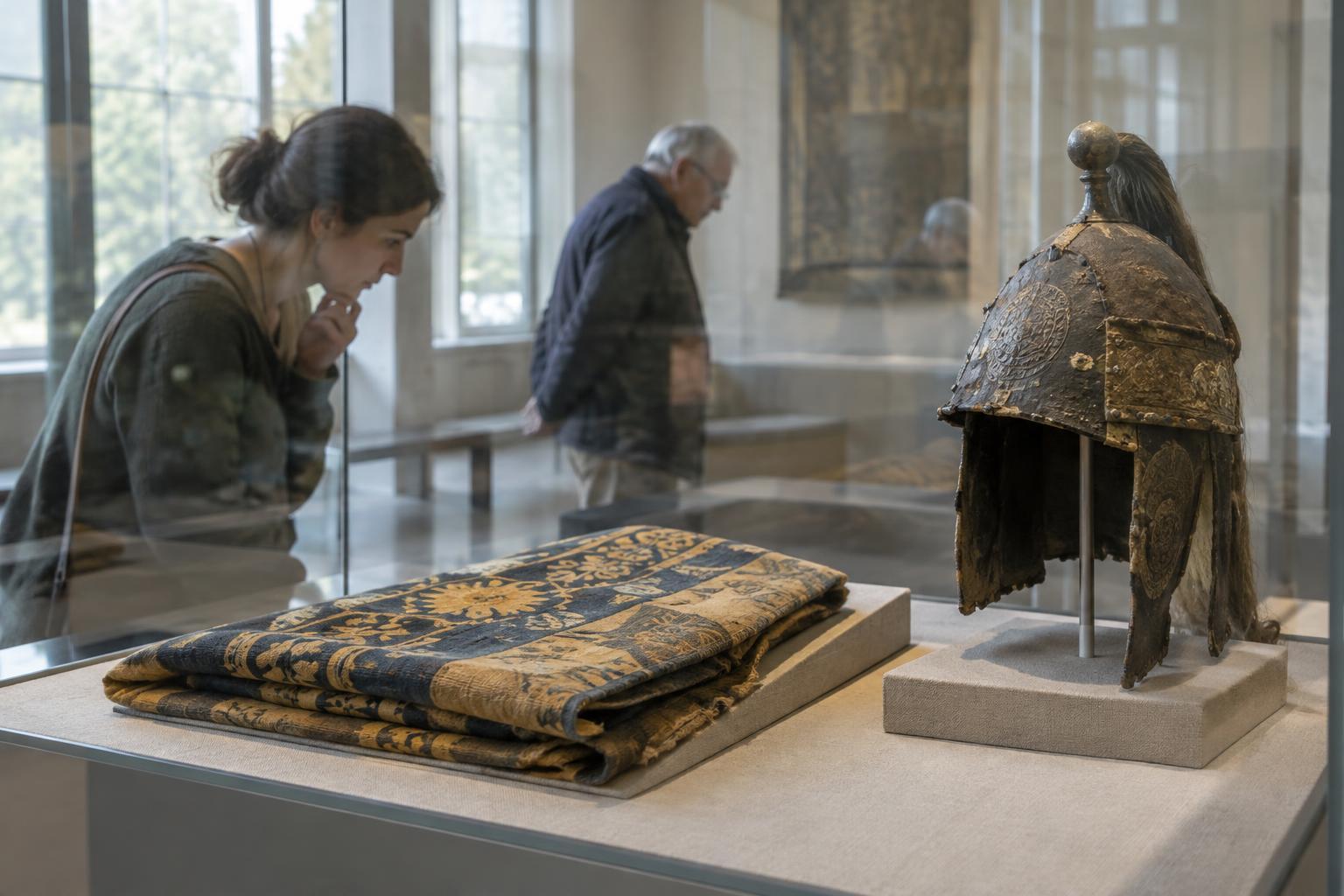
Collection history can explain why an item was separated from related clothing, fittings, records or practices. It can also reveal how earlier displays framed it: as a trophy, a technical curiosity or an example of an entire culture. Revisiting those choices helps curators write more precise labels and avoid presenting one collector’s description as a complete account. Where appropriate, museums may seek knowledge from people with cultural or historical connections to the object, while recognising that no community has a single, uniform view.
Research can lead to different kinds of action
A clearer acquisition history can change how an object is catalogued, exhibited and cared for. A museum might correct an attribution, acknowledge uncertainty on a label, connect separated records or reconsider whether particular material should be displayed. Consultation may raise questions about access, photography, handling or conservation treatment. These are not merely editorial matters: decisions about an object’s physical care can affect how its history remains available to future generations.
In some cases, the research contributes to discussions about returning an object or arranging another form of stewardship. The appropriate path depends on the object, the evidence, the people involved and the institution’s circumstances; there is no single outcome that follows automatically from a colonial-era acquisition date. What matters is that decisions can be explained, that relevant perspectives are taken seriously and that uncertainty is not used as a reason to stop asking questions.
A fuller account for visitors and collections
Revisiting provenance may make a museum label less tidy. It might replace a simple story of discovery or donation with a sequence of relationships, missing documents and competing interpretations. That complexity is valuable. It lets visitors see how museum knowledge is assembled and why descriptions can change without the object itself changing.
For collections of historic arms and armour, this approach brings craftsmanship and cultural context together with the history of collecting. It asks not only “What is this object?” but also “How did it get here, whose account has been preserved and what remains unknown?” Those questions support more honest interpretation and more thoughtful care, even when a definitive answer is out of reach.