Why a return request deserves careful attention
Museum objects have histories before they enter a display case. A ceremonial sword might have been presented as a diplomatic gift, taken during a conflict, sold by a later owner or transferred under circumstances that remain unclear. Its label may describe its maker and materials while saying little about the people for whom it held meaning. A request for its return asks a museum to look beyond the moment of acquisition and consider the object’s longer history.
Requests can come from governments, communities, families or institutions. Their reasons differ: a group may seek the return of a sacred object, a family may question a sale, or a museum may ask for an object removed from its collection. Not every request concerns the same kind of ownership or harm. Museums therefore need to understand who is making the request, their relationship to the object and what they hope will happen next.
Reconstructing the object’s path
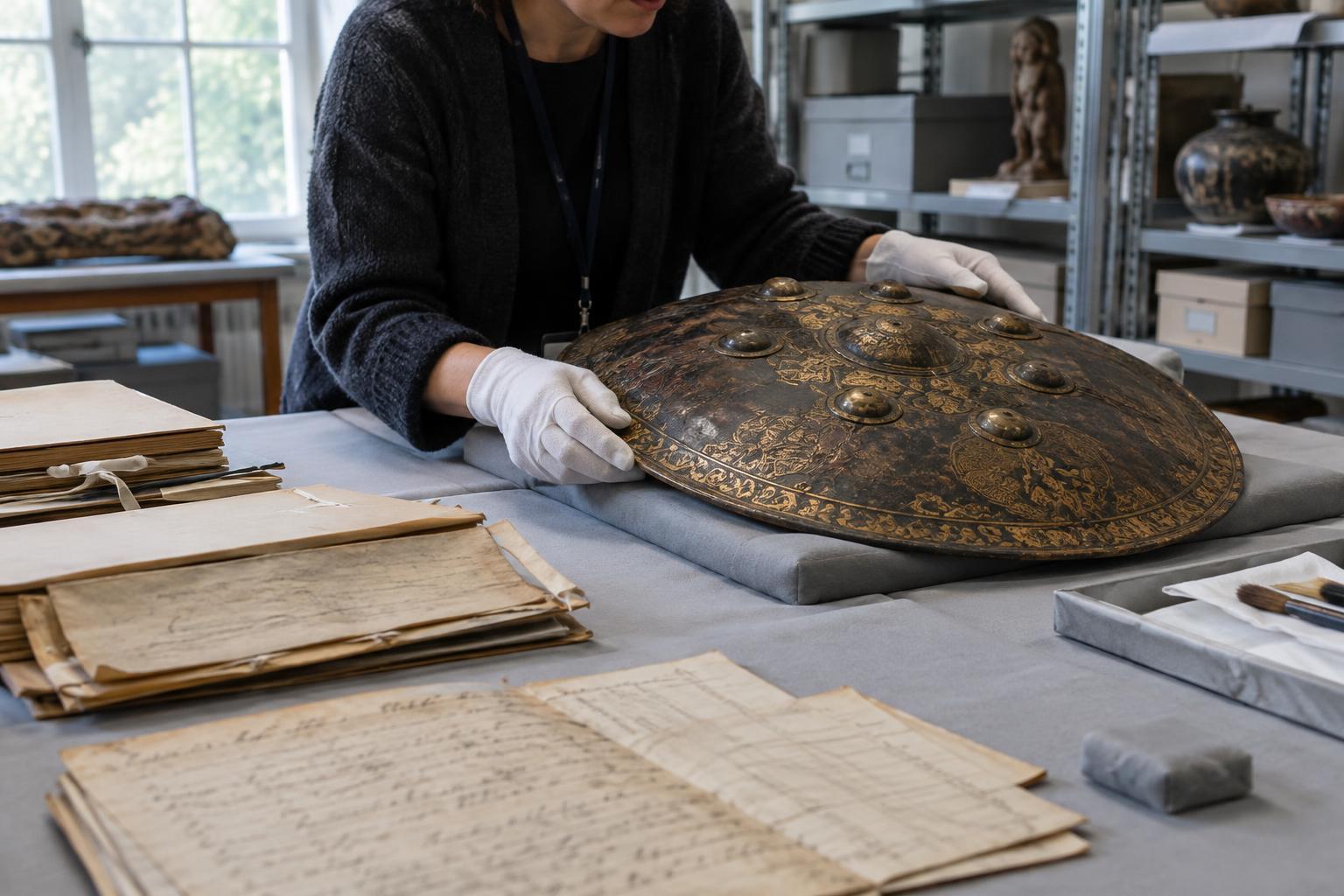
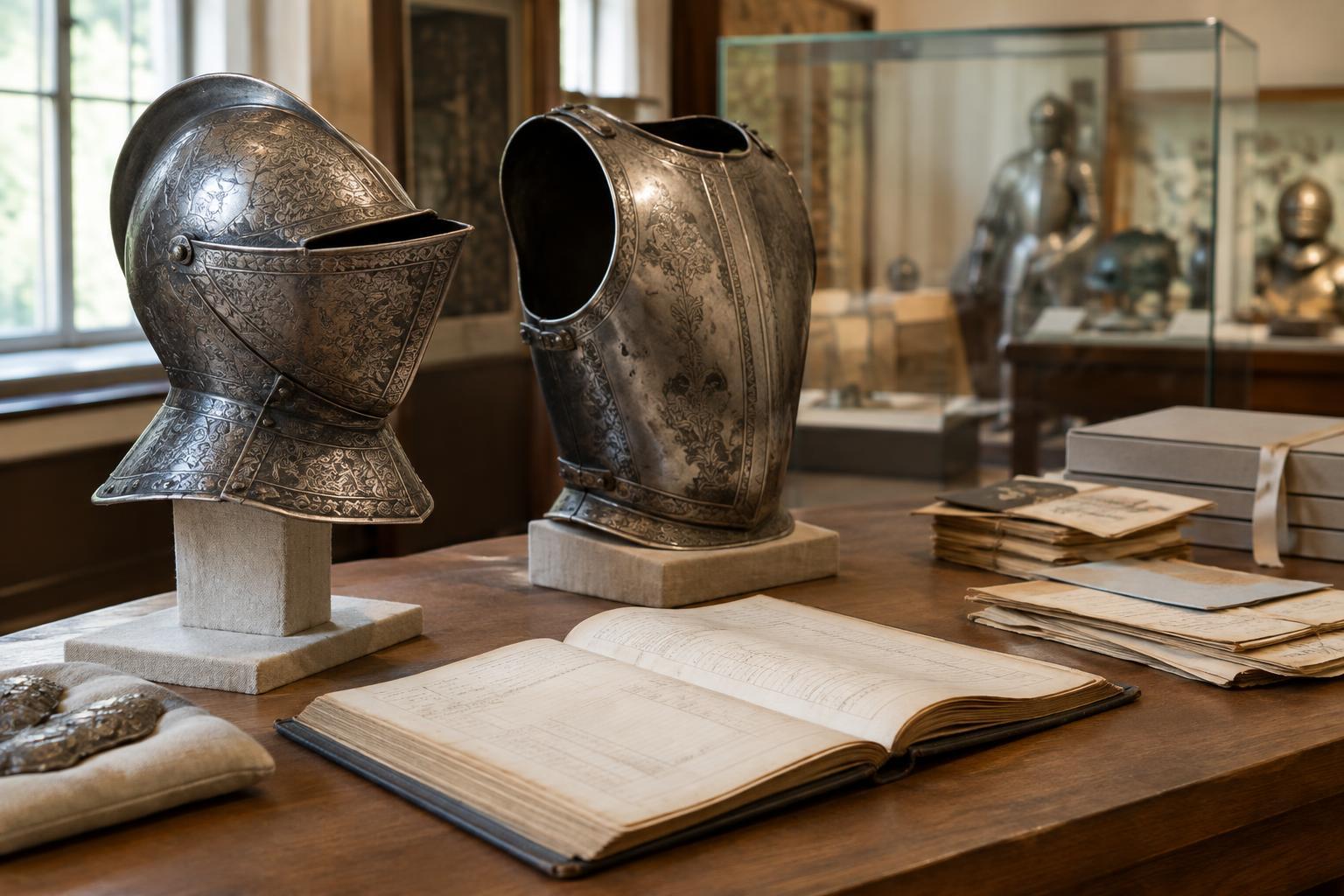
A central task is provenance research: tracing an object’s movements and changes of custody. Staff may examine accession registers, correspondence, sale records, photographs, old catalogues and marks on the object itself. For historic arms and armour, an inscription or coat of arms can help identify a past association, but it does not by itself establish how the piece later changed hands. Records can also contain errors, vague descriptions or the assumptions of the people who wrote them.
Gaps matter. An object listed simply as collected overseas may have passed through several hands, with the original transfer poorly documented. Rather than treating a missing record as proof that everything was proper—or improper—a museum can state what is known, what remains uncertain and which interpretations are supported by the evidence. Making that distinction helps everyone discuss the request on clearer terms.
Listening to meanings that records may miss
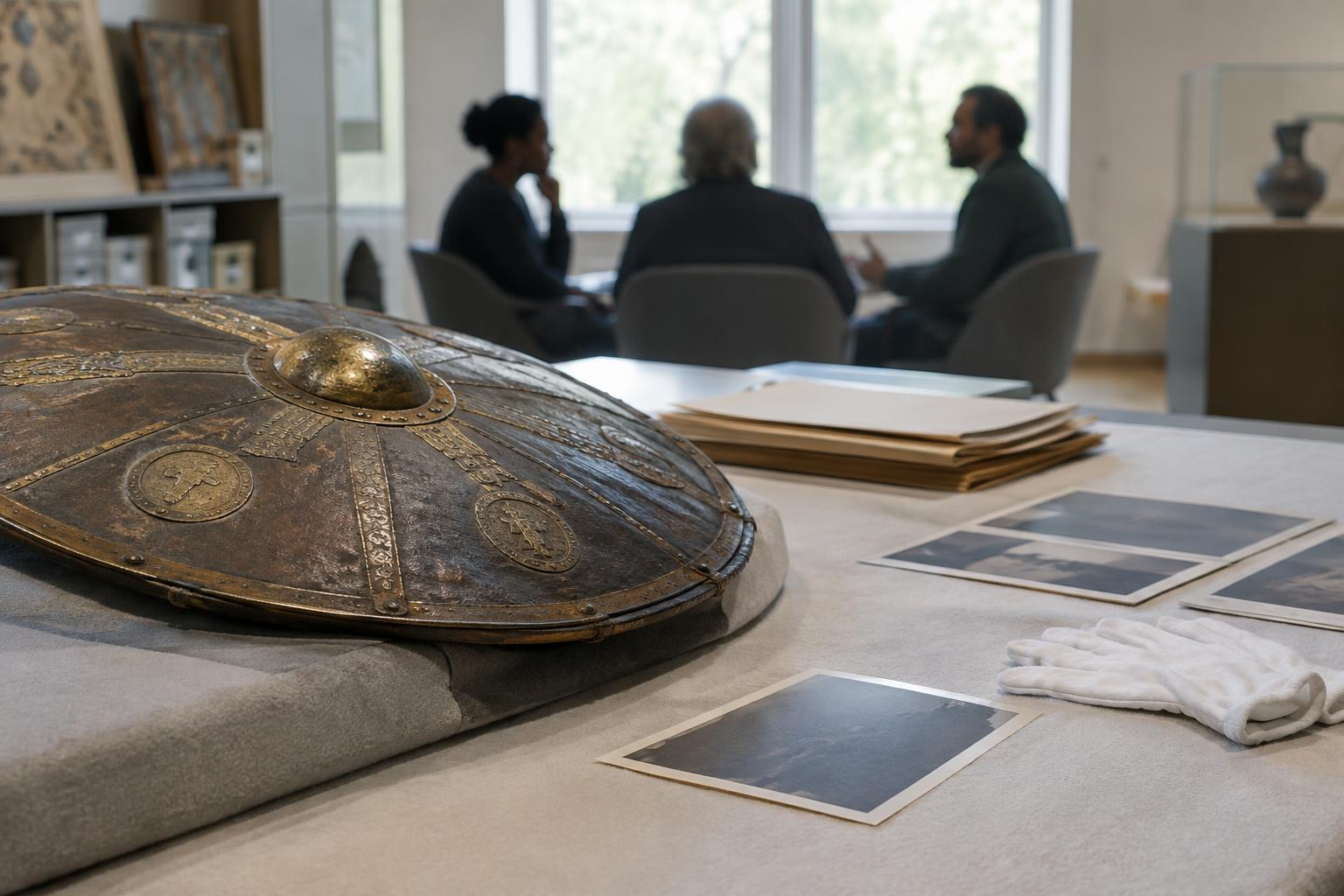
Paperwork is only one part of the inquiry. Community knowledge can explain an object’s role in ceremony, remembrance or collective identity in ways an old inventory cannot. A shield described in a catalogue mainly by its materials, for example, may also carry meanings tied to a particular place or lineage. Museums may need to listen to people connected with an object, including those who hold different views about its future.
This dialogue should not assume that every community has a single spokesperson or a single preferred outcome. It may require time, careful questions and agreement about what information can be shared publicly. Where an object has a sensitive role, even photography, handling or display can become part of the discussion. Taking those concerns seriously can change how a museum cares for and interprets an object while a return request is being considered.
Weighing responsibilities and possible outcomes
Museums work within their governing rules and any laws that apply to their collections. They also make ethical judgments about how an object was acquired and what responsibilities follow from that history. A documented purchase does not always settle concerns about coercion or unequal power; equally, a troubling historical setting may not answer every question about a particular object. Each case calls for attention to its own evidence and context.
A decision need not be framed only as keeping or returning an object. Depending on the wishes of those involved, outcomes may include return, shared stewardship, a long-term loan, revised interpretation or further research together. These options are not substitutes for return when return is what a requester seeks. They are possibilities to discuss openly, rather than solutions a museum should impose. Careful planning also matters if an object is moved: its condition, safe transport and future care all deserve attention.
What the public can learn from the process
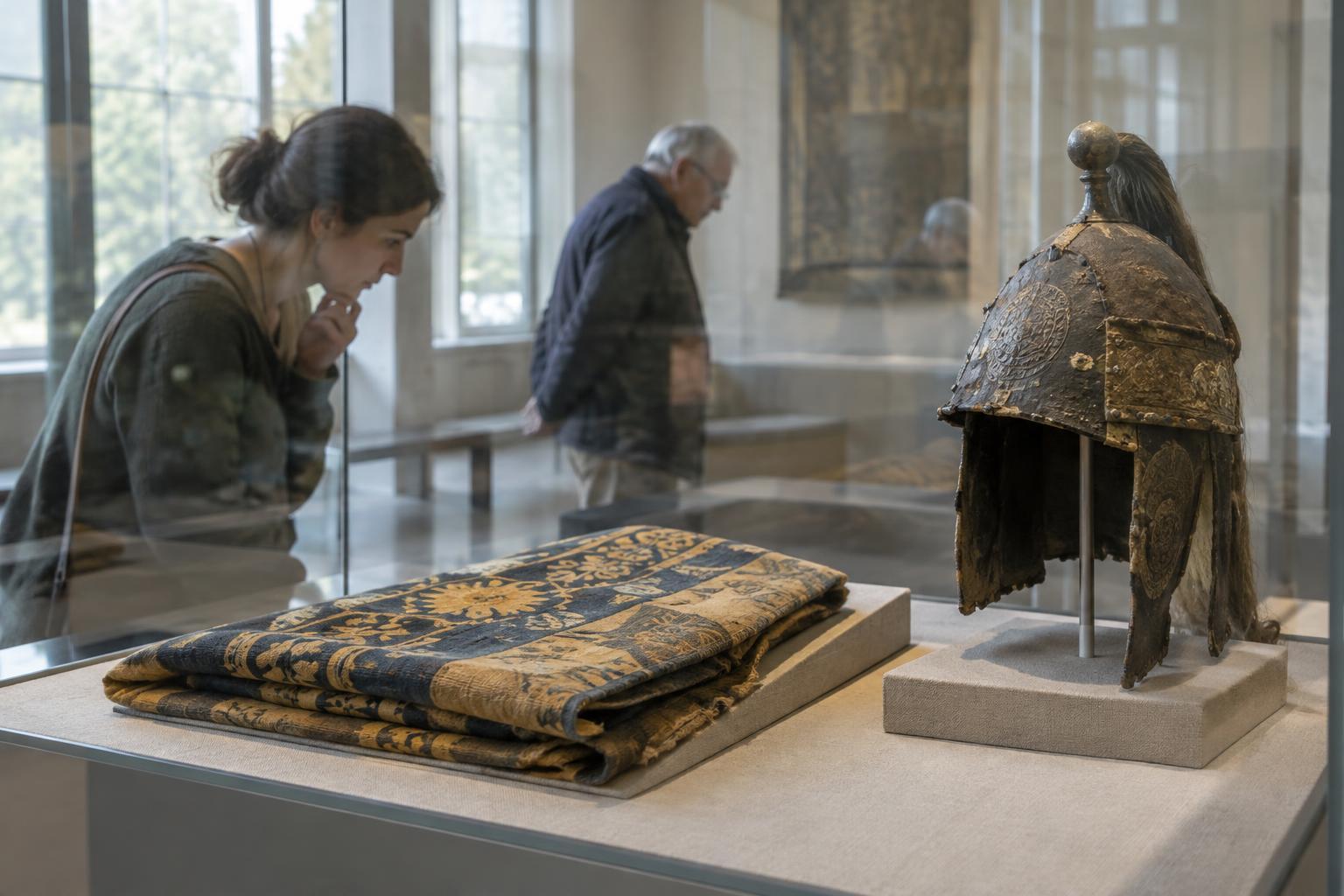
A transparent approach helps visitors understand that collections are not fixed accounts of the past. Labels and catalogues can explain both an object’s craftsmanship and the circumstances in which it entered a museum. When research changes an account, updating it is a strength, not an admission that the object no longer merits study.
For historic arms and armour, this wider view is especially useful. A helmet may be admired for its metalwork while also prompting questions about the conflict, authority or ceremonial tradition associated with it. Considering a return request does not erase those stories. Done with care, the process can make them more complete and give greater weight to the people whose histories the object carries.