Why accounts of the same battle disagree
A battle is not a single scene observed from a single vantage point. Participants may see only a small part of it, often under conditions that make distance, timing and sequence difficult to judge. Someone near the center of an event might know little about what happened elsewhere. A commander’s account may describe intentions and reports received, while a rank-and-file witness describes immediate sights and sounds. Neither perspective is complete.
Accounts also have histories of their own. A letter written soon afterward may preserve a vivid impression but contain mistaken assumptions. A memoir composed years later may benefit from reflection while absorbing details learned from other people. Official reports, commemorative narratives and family stories can serve different purposes. Historians therefore ask not only what a source says, but when it was made, who made it, who was expected to read it and what its author could reasonably have known.
Establishing the shape of the evidence
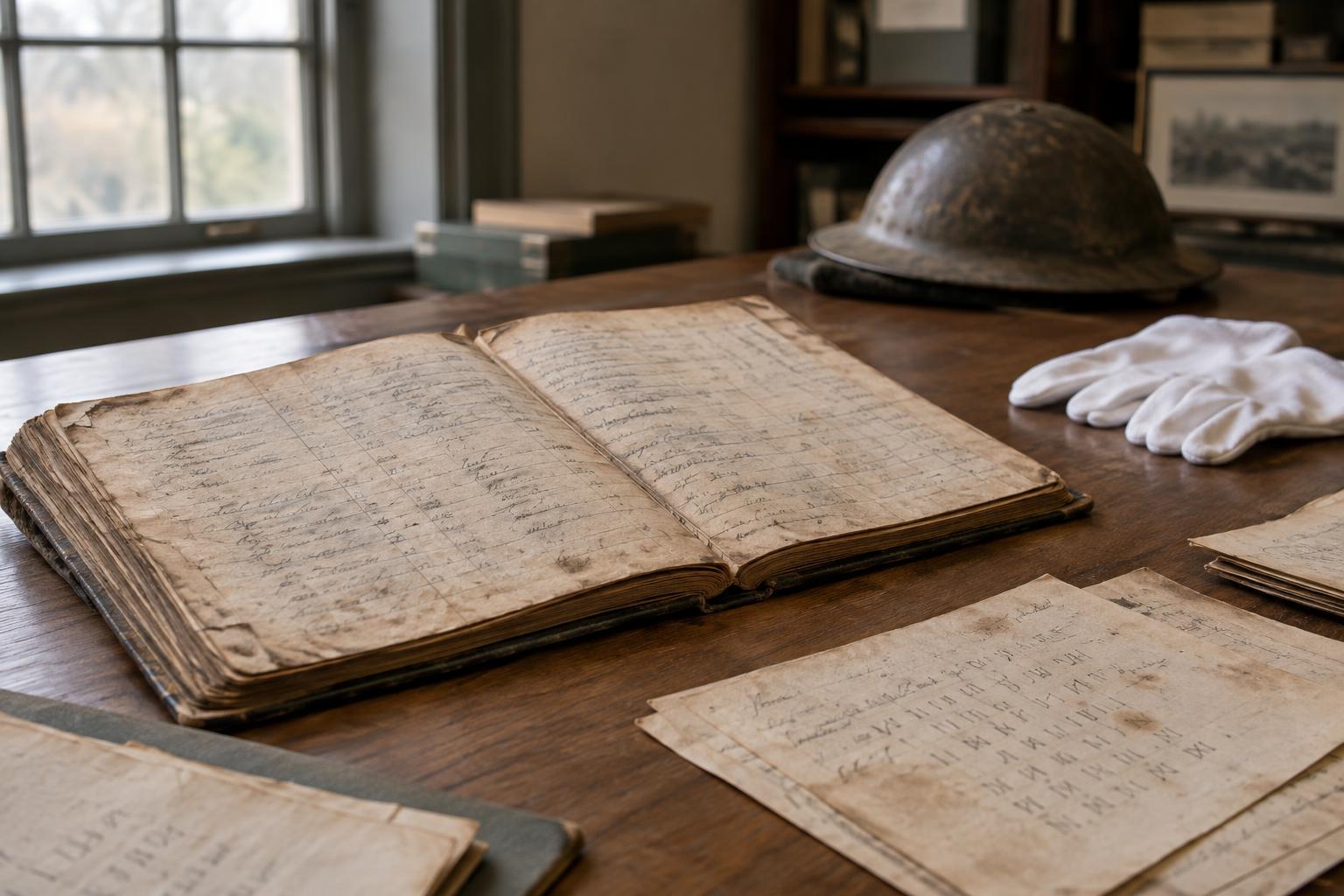
The first task is to gather sources without treating every version as an independent witness. Several later accounts may repeat the same earlier report, even when their wording differs. A historian may compare phrases, dates and shared errors to trace that dependence. This matters because five retellings of one claim do not provide the same support as five separate observations.
Sources are then placed in context. Maps and place names may have changed; clocks may not have been synchronized; a unit’s recorded strength may differ from the number actually present. Historians often build a provisional timeline, noting which entries come from contemporary records and which rely on later recollection. Rather than forcing every detail into a seamless story, they can mark gaps and contradictions. Those marks are not failures of the reconstruction: they show readers where the evidence is thin.
Testing testimony against place and objects
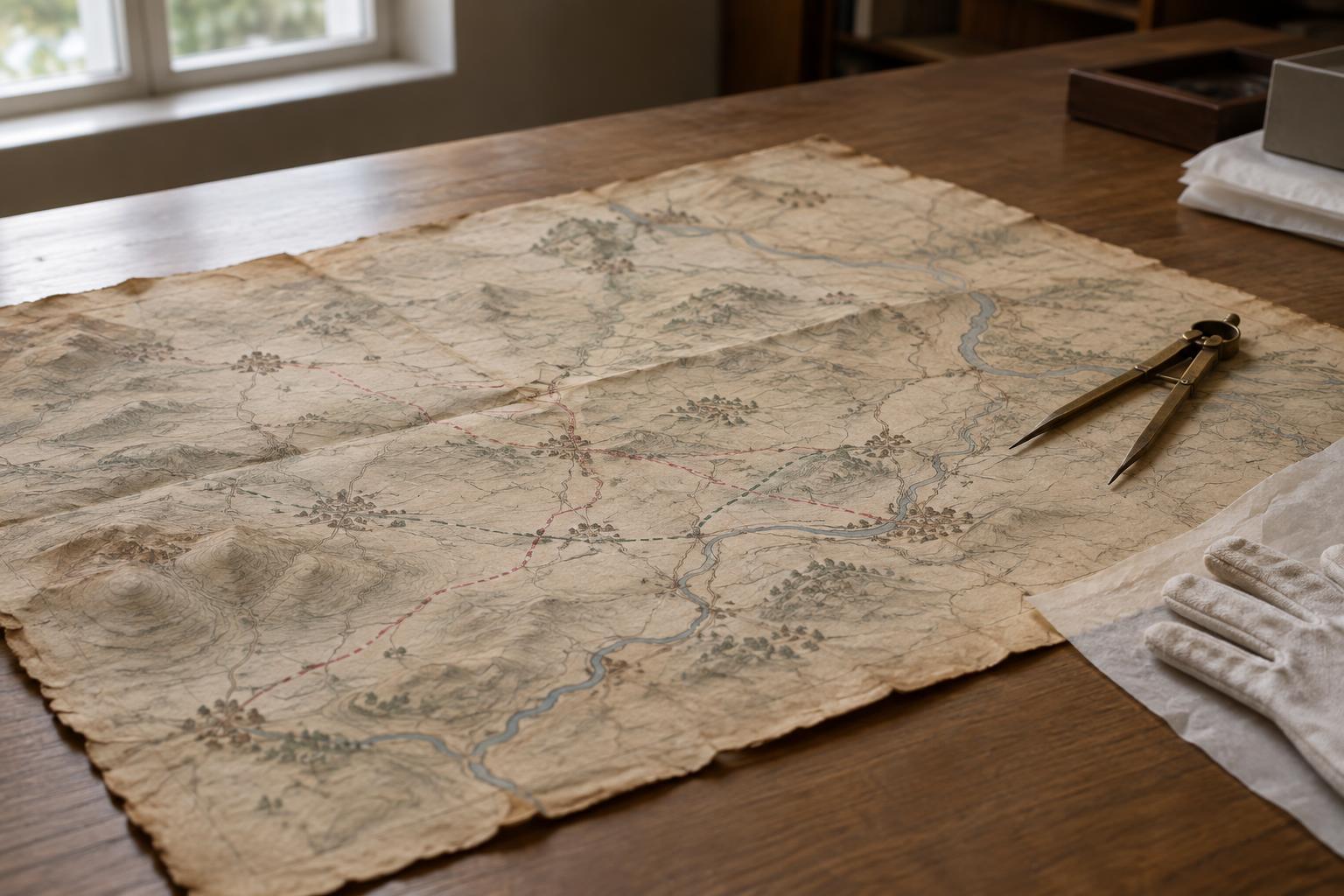
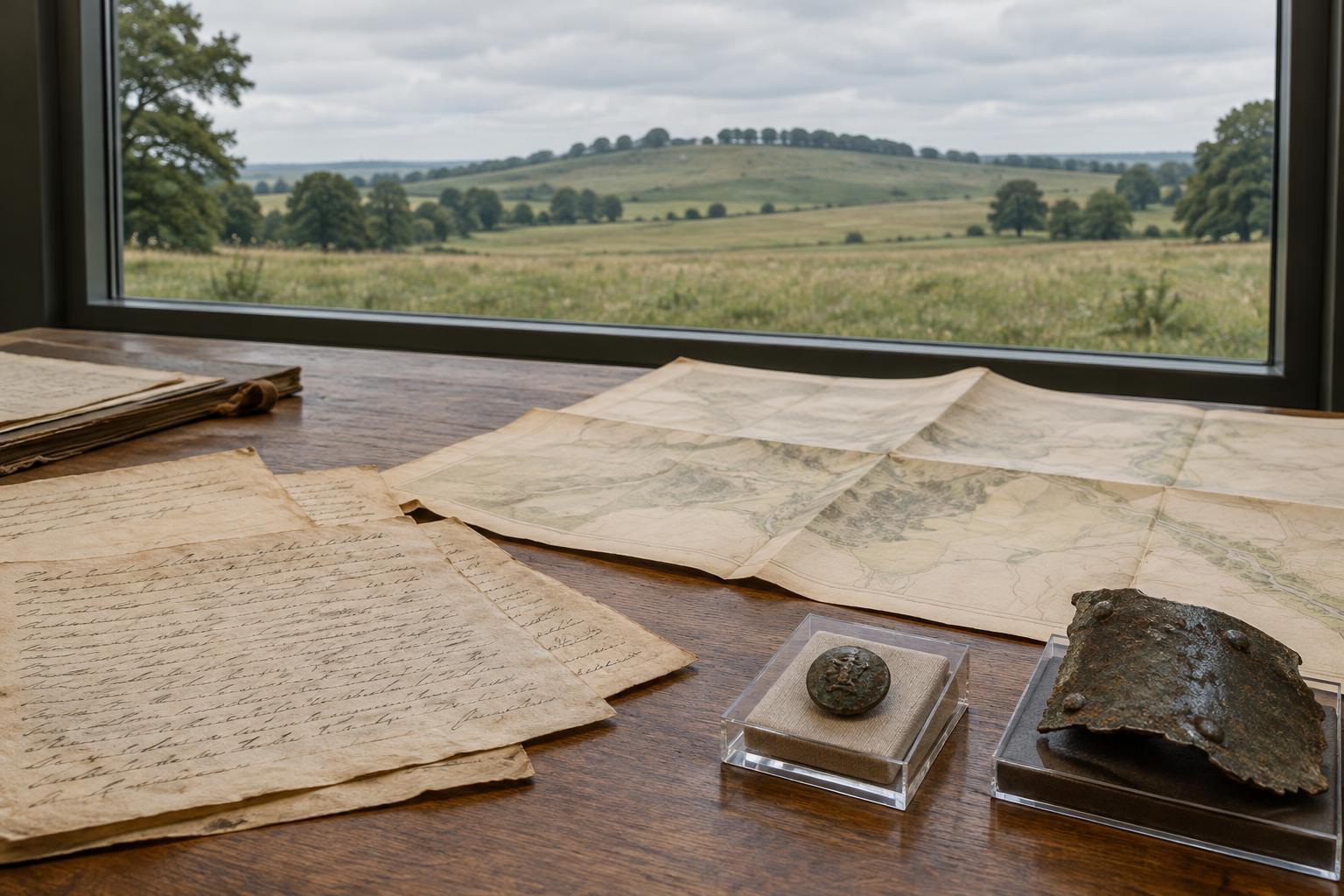
The physical setting can help test a written account. Terrain, roads, buildings and lines of sight may clarify whether a witness could have observed the event described. Yet landscapes change, and a modern view is not automatically a faithful picture of the past. Historical maps, descriptions and archaeological findings may help establish what was present at the time, provided their own limits are kept in view.
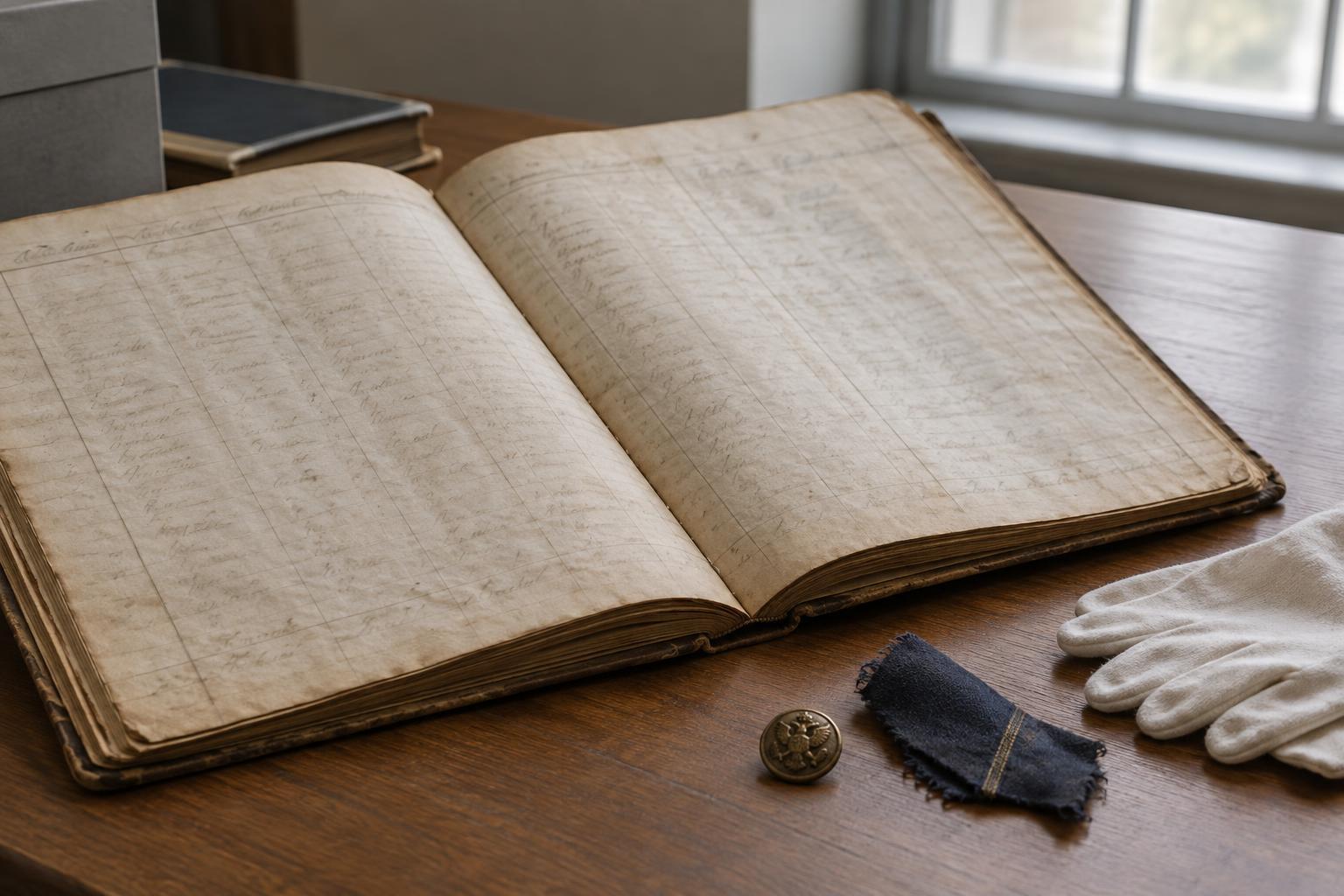
Surviving objects can add another kind of evidence. Equipment, damaged structures, graves and excavated material may indicate activity in a particular place or complicate an established narrative. They seldom explain themselves. An object’s original location may be uncertain, and it may have been moved, reused or collected long after the battle. Museum labels and collection records are valuable here because they document what is known about an object’s origin and what has been inferred. A responsible reconstruction distinguishes the object from the interpretation attached to it.
Weighing disagreements rather than averaging them
When two sources conflict, the answer is not necessarily halfway between them. Historians consider proximity to the event, opportunity to observe, consistency with other evidence and the possibility of bias or misunderstanding. A precise time in a report may look authoritative, for example, but its writer might have recorded an estimate received secondhand. A less exact description from a nearby witness might be more useful for establishing the order of events.
Disagreement can itself reveal something important. Conflicting descriptions of a withdrawal might reflect different positions on the field, different meanings attached to the same action or later efforts to assign praise and blame. Historians may be able to establish that a movement occurred without settling every claim about why it happened. Separating an observable event from an interpretation of motives keeps the account clearer and fairer.
Writing a reconstruction that leaves room for doubt
The resulting history is usually a reasoned explanation, not a transcript of the past. Strong reconstructions make their degrees of confidence visible: some points are supported by several independent sources, others are plausible, and some questions remain open. Words such as “probably” and “may” can be precise tools when they signal genuine limits in the evidence rather than vague hesitation.
This approach also changes how a battle is presented to the public. Instead of offering only a tidy sequence of events, an exhibition or article can show how a map, a written account and a surviving object answer different questions. Readers gain a fuller understanding when they see both the human experience recorded in testimony and the careful work required to evaluate it. Conflicting accounts do not make a battle unknowable; they remind us that historical knowledge is assembled from partial traces, with each conclusion open to scrutiny.