Pause before sorting
An inherited collection may arrive as a cabinet of carefully labelled objects, a set of boxes, or a room whose contents have changed hands over many years. The first task is not to decide what everything is worth or where it belongs. It is to keep objects, labels and records together long enough to understand their relationships. A modest item with an old tag or a note naming its former owner may tell a fuller story than a visually striking piece with no context.
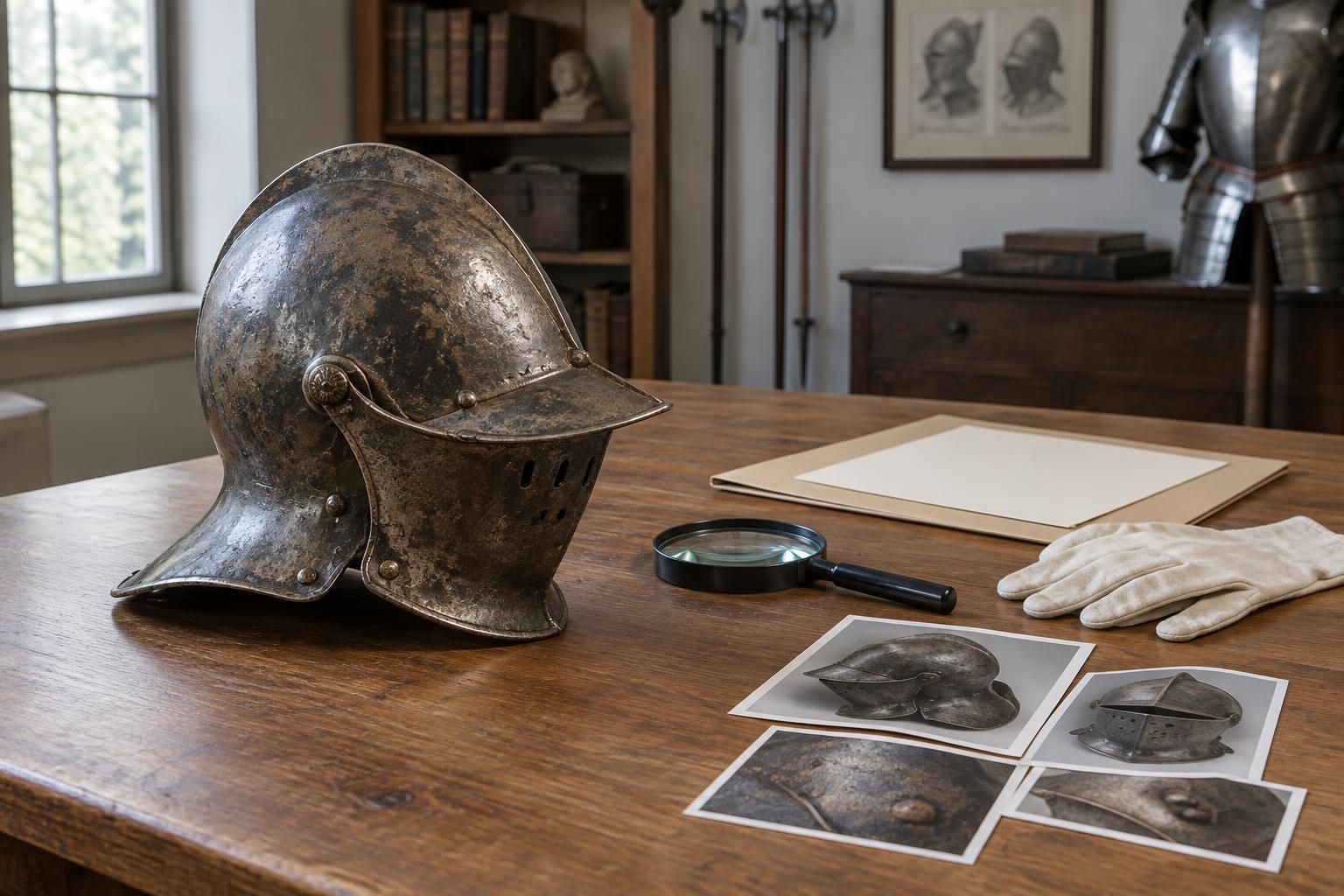
Begin by noting where groups of objects were found. Photograph shelves, drawers and boxes before rearranging them, if you can do so without disturbing anything. Give each object or group a temporary number, and record that number alongside its original location. Retain envelopes, packing materials, handwritten labels, receipts and correspondence, even when their relevance is uncertain. Avoid attaching a new label directly to an object; place a numbered slip beside it or with its existing container instead.
Make a simple, useful inventory
An initial inventory need not solve every mystery. For each numbered entry, record what you can observe: approximate dimensions, visible materials, colours, inscriptions, marks, damage and any associated paperwork. Describe an uncertain object plainly rather than assigning it a confident name or date. “Metal fitting with a floral design” is more useful than a precise identification that later proves mistaken. If several parts appear related, note the connection without assuming they have always been together.
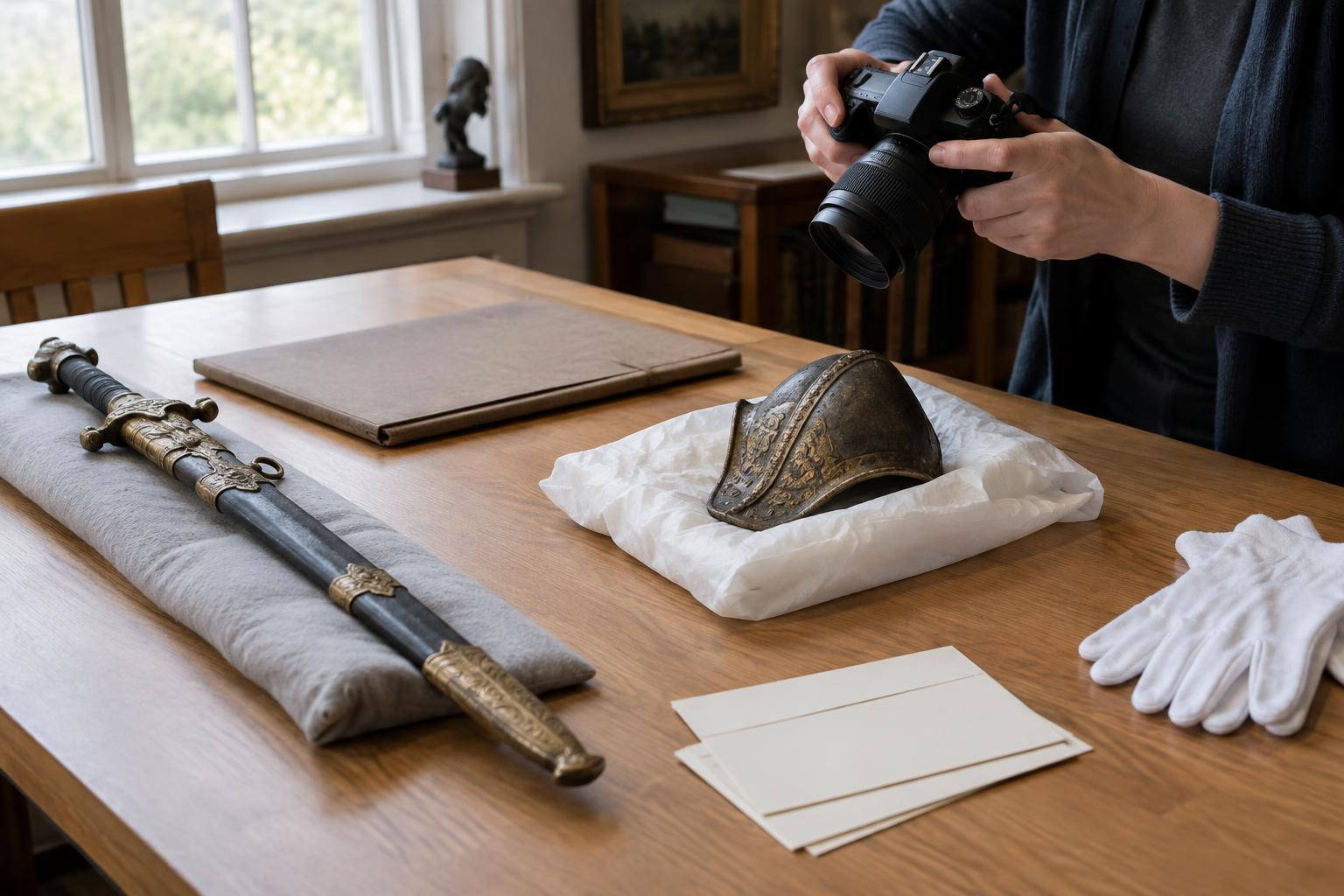
Photographs can capture details that written descriptions miss. Where access is safe, take an overall view and separate images of marks, labels, joins and areas of wear. Include the temporary number in at least one image and give digital files matching names. Keep a copy of the inventory and images in a second location. These records provide a baseline if an object is moved, examined or found to be deteriorating.
Safeguard objects without trying to improve them
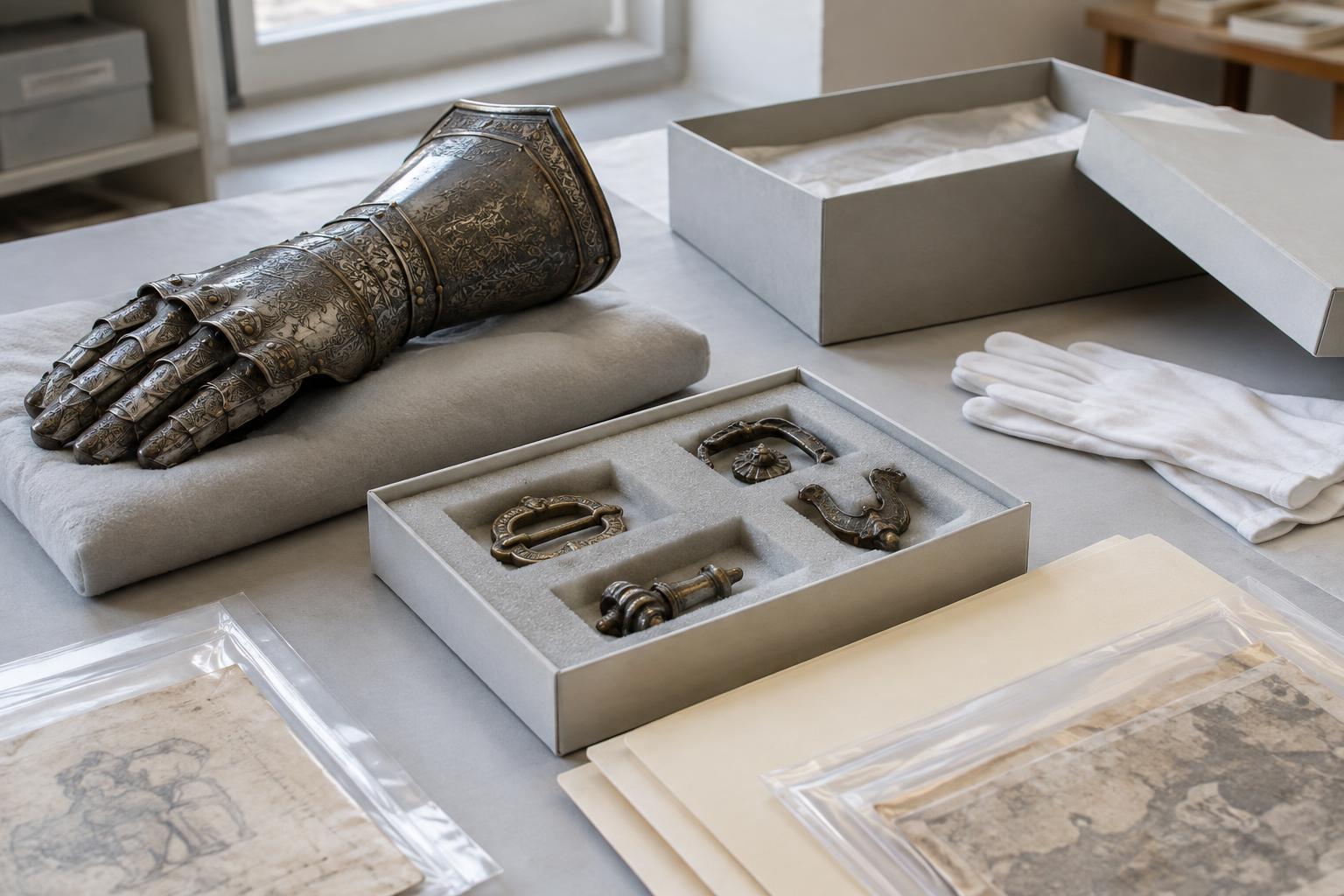
The urge to polish metal, brighten a blade or mend a loose fitting is understandable, but early intervention can erase evidence. Surface finishes, old repairs, wear patterns and traces of original construction may all matter to interpretation. Leave cleaning, disassembly and restoration until the object has been identified and its condition assessed. Handle as little as practical, and support objects by their soundest areas rather than by projecting, loose or decorative parts.
Aim for a stable, dry, secure space away from leaks, direct sunlight and abrupt changes in conditions. Do not crowd heavy objects onto fragile ones. Where possible, keep paper records separate from surfaces that may stain them while maintaining a clear inventory link. Check stored items periodically for new corrosion, mould, pests or failing packaging. If an object seems unstable, isolate it from neighbouring items and ask a qualified conservator for guidance before attempting treatment.
Treat unfamiliar arms and materials with caution
Historic collections sometimes contain objects that resemble firearms, ammunition or other hazardous material. Age, appearance and a family description are not reliable assurances of safety. Do not test mechanisms, attempt to open sealed items or handle material that may be explosive or otherwise dangerous. If you have a safety concern, avoid disturbing the object and seek advice from an appropriate local authority or qualified specialist. Requirements for possession and transfer also vary by location, so check the rules that apply before moving or disposing of regulated items.
Other objects may need particular care for less obvious reasons. Old leather, textiles, wood and painted surfaces can be fragile even when they look intact. An unfamiliar powder, leaking container or damaged coating is a reason to pause, not to investigate by touch or smell. Your inventory can flag such concerns so that a specialist knows what to examine first.
Preserve the story while planning what comes next
Family memories can help connect an object to a person or place, but record them as recollections rather than established facts. Ask relatives what they remember about acquisitions, displays or earlier owners, and note who supplied each account. Keep copies of photographs and documents with clear references to the objects they may depict. Be mindful that letters, images and ownership records can contain private information about living people.
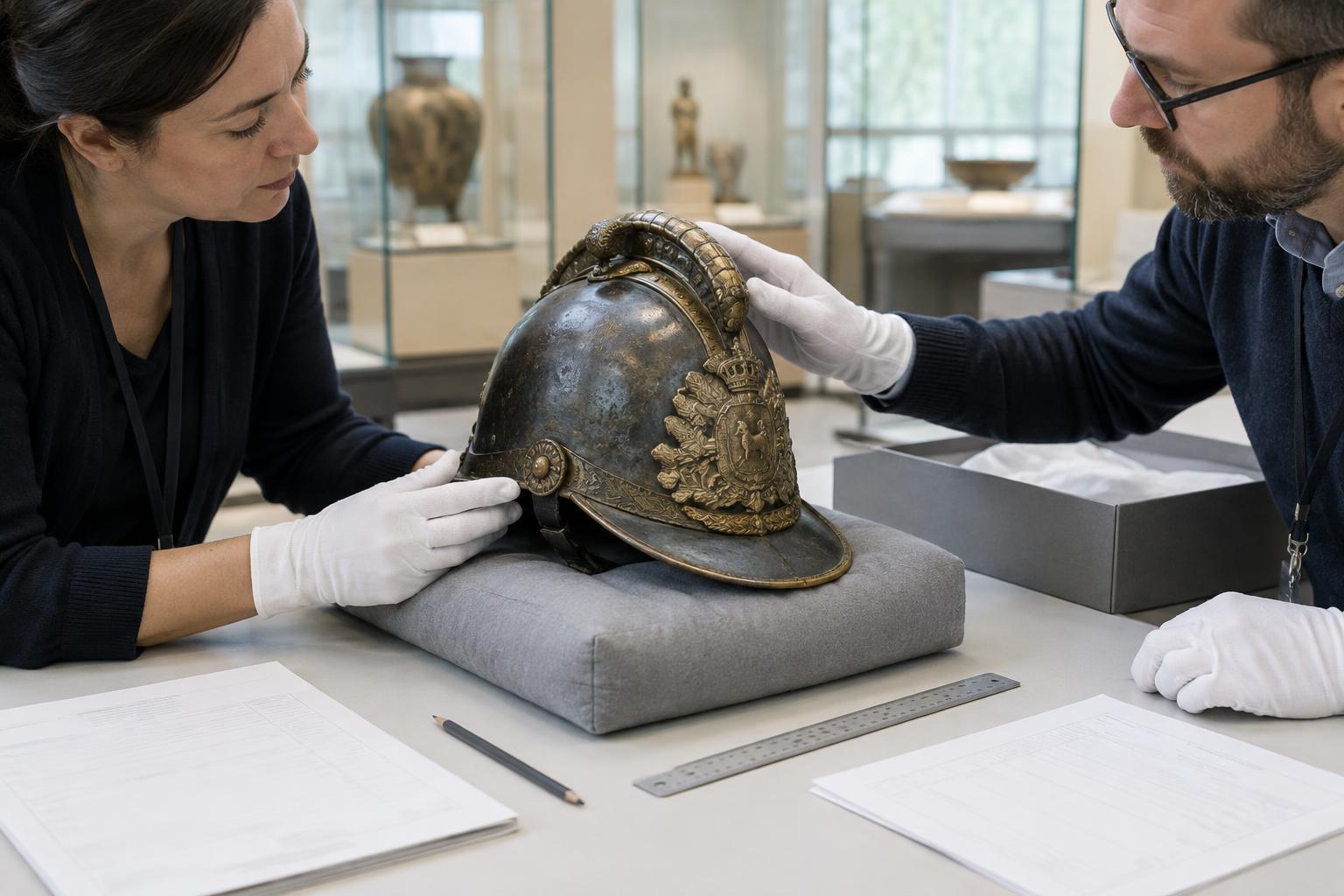
Once the collection is recorded and stable, you can seek help with identification and longer-term care. A museum curator, qualified conservator or knowledgeable collecting organisation may be able to suggest what information is needed for a useful assessment. Share clear photographs and your inventory rather than transporting unfamiliar objects without a plan. Whether the collection stays together or is eventually divided, its documentation will help future custodians understand not only what survived, but how the objects were known and cared for.