Begin with the object’s story
Loaning a piece of historic arms or armour is more than placing it in a display case. The museum needs to understand the object well enough to identify, interpret and care for it; the lender needs to know how it will be handled and when it will come home. An early conversation can establish whether the proposed exhibition is a good fit before either side commits to detailed arrangements.
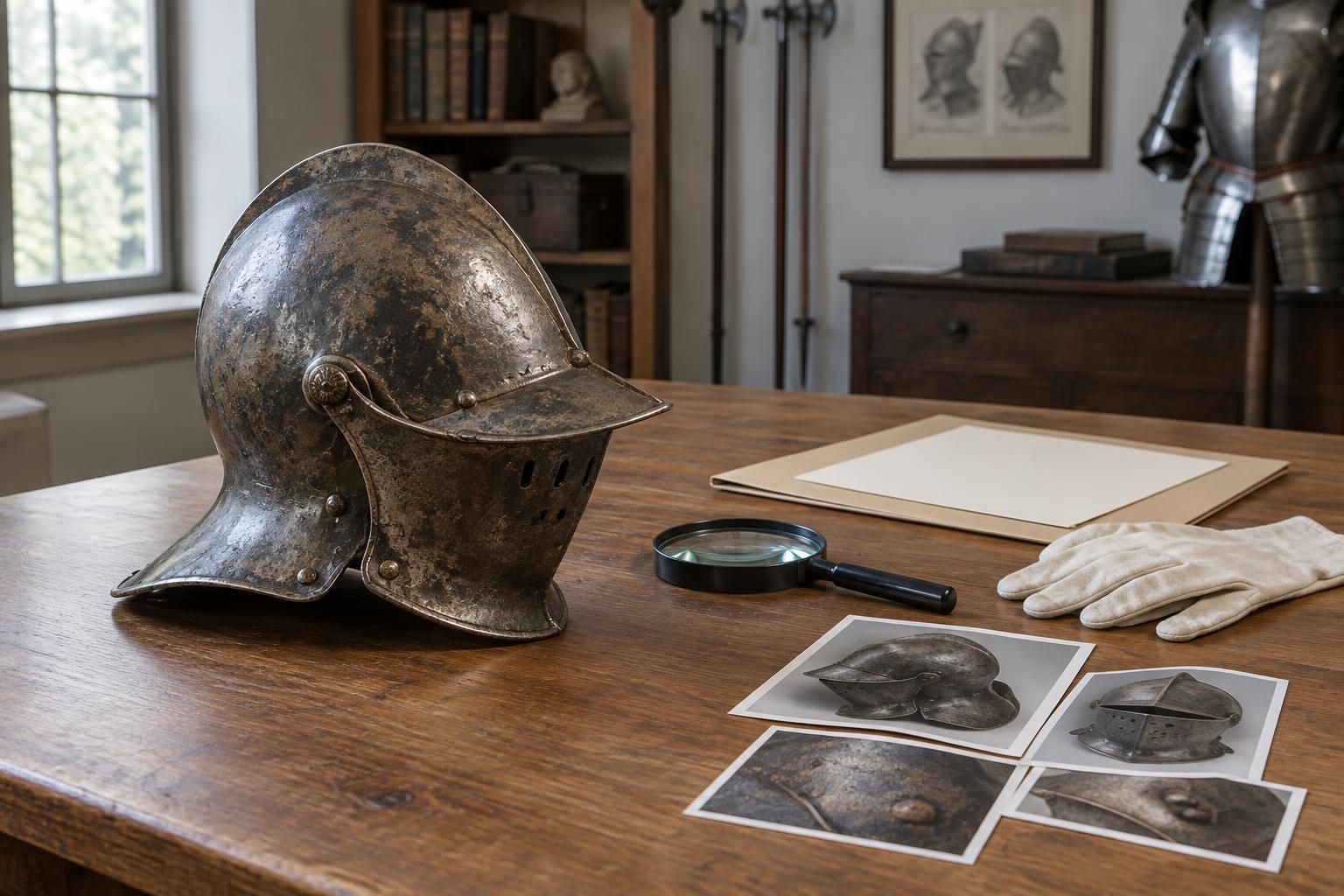
Start with an inventory record that distinguishes observation from interpretation. Include the object’s name, materials, dimensions, marks, inscriptions, known alterations and any associated parts or mounts. Note what is certain about its history and what remains attributed or uncertain. Clear photographs of the whole object and identifying details can prevent confusion, especially when a collection contains similar pieces. Ownership and acquisition records may also help the museum review provenance and prepare an accurate label. If information is missing, say so rather than filling the gap with a confident-sounding story.
Record condition before the loan
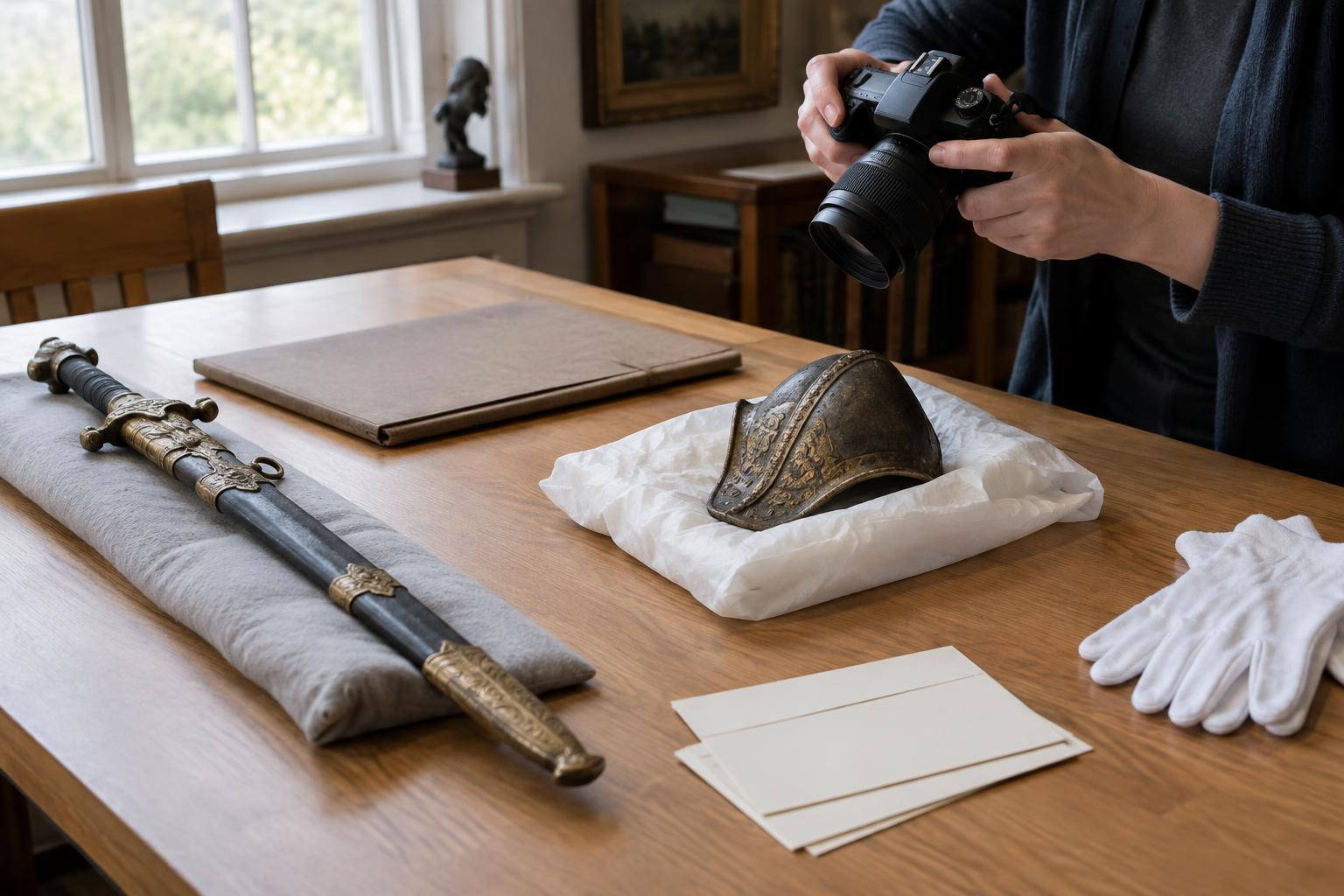
A condition report describes the object as it is, not as anyone hopes it to be. It should identify existing scratches, losses, loose components, repairs, corrosion, worn finishes and other features relevant to handling or display. Photographs taken in consistent light make the written observations easier to compare later. For a complex object, views of joins, interiors and vulnerable surfaces may be as useful as a single overall image.
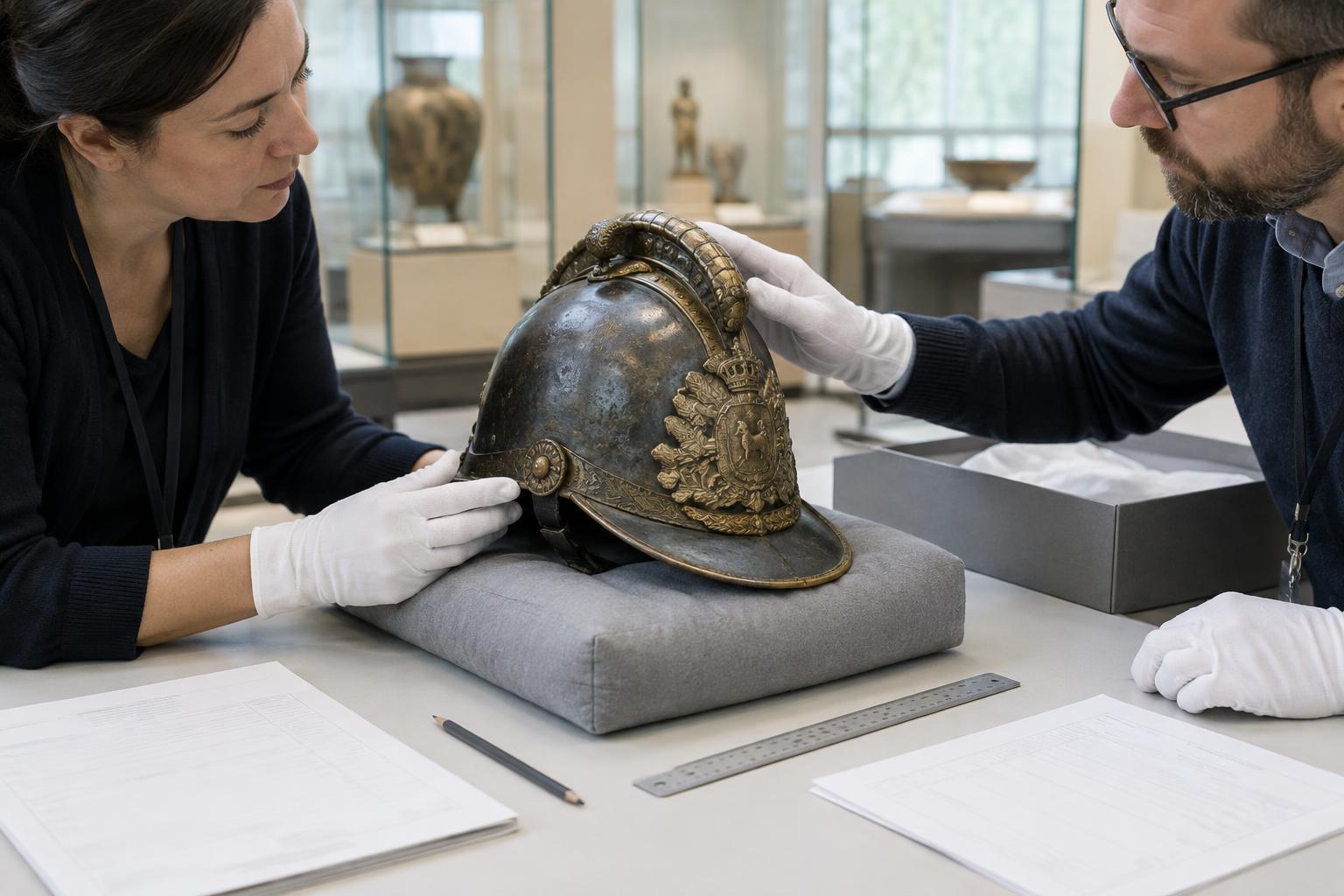
The lender and museum should agree when and by whom condition will be checked: before packing, on arrival, before display and after the exhibition. A conservator or trained collections professional can help assess fragile or unfamiliar materials. The purpose is not merely to assign blame if something changes. It is to spot concerns early, choose suitable supports and avoid mistaking a long-standing feature for new damage. Any change noticed during the loan should be recorded and communicated promptly.
Put the arrangements in writing
A written loan agreement gives both sides a common reference. It can identify the object and its owner, the loan period, the exhibition venue, permitted uses and the process for requesting an extension. It should also state who will be the main contact at each institution or household. If photographs, catalogue text or online images are planned, clarify how the object and lender will be credited and which images may be used.
Practical responsibilities deserve equal attention. Agree who will arrange and pay for packing, transport, insurance or other coverage, installation and return. Ask how loss or damage would be reported and how decisions about examination or conservation treatment would be made. A museum may have its own loan forms and policies; read them carefully and raise unclear points before the object leaves your care. The agreement should describe a workable plan for this particular loan, rather than rely on assumptions about what museums or lenders usually do.
Plan for display and movement
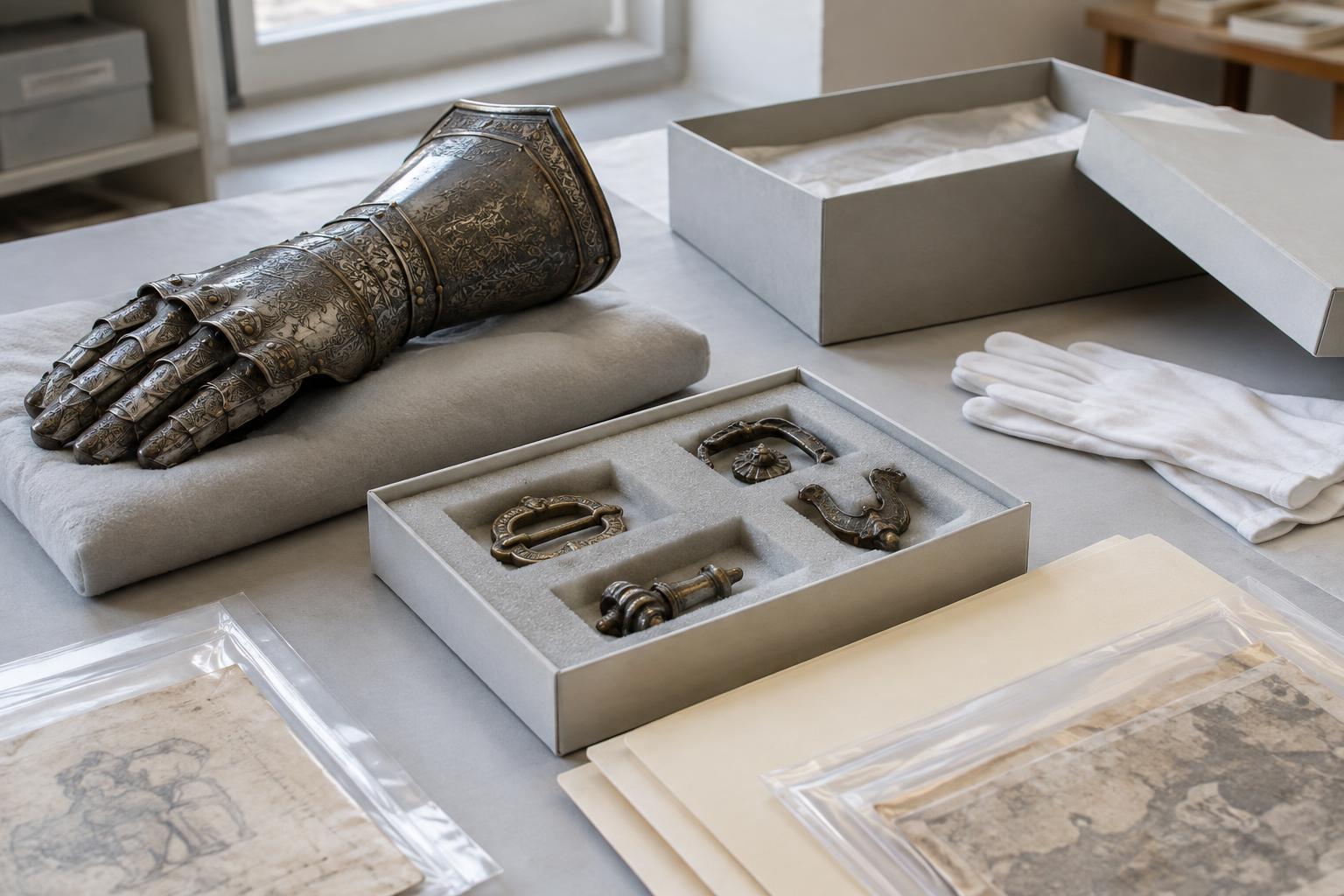
Historic objects can combine metal, wood, leather, textile and earlier repairs, each with different vulnerabilities. Before approving a display plan, discuss the proposed case, mount, light exposure and environmental monitoring. A secure mount should support the object without forcing a weak component to bear its weight. The museum can explain how it limits handling, manages access and checks the object while it is on view. These questions are part of ordinary collection care, not a sign of distrust.
Packing and movement need the same clarity as display. Identify detachable parts and document whether they travel together or separately. Agree on who will pack and unpack the object and how its identity and condition will be checked at each handover. For arms and armour, descriptions should remain historical and curatorial; questions about any special handling requirements should be resolved through the museum’s established procedures, not improvised during installation.
Treat the return as part of the loan
A loan is not complete when the exhibition closes. Arrange a final condition check, confirm that all components and accompanying records are present, and retain copies of the signed paperwork and photographs. If the object appears to have changed, document the observation before further handling and discuss the next steps with the museum. Keeping communication factual makes it easier to distinguish a new concern from an old feature or a difference in lighting.
Once the object is back in its usual setting, update the collection record with the exhibition title, venue, loan dates and any new information established during preparation. Museum staff may have refined an attribution or noticed a detail worth recording; such findings should be noted with their degree of certainty. A well-managed loan can broaden public understanding of an object while leaving the owner with a stronger record of its history and care.