A uniform is more than a dress code
Historical military uniforms were intended to make people recognizable. Colours, cuts, insignia and accessories could distinguish one unit or rank from another, while also expressing an institution’s preferred image of discipline. A regulation might specify what should be worn, yet a regulation records an intention, not proof that every person received the prescribed clothing. To understand a uniform, it helps to ask two separate questions: what appearance was officially expected, and what clothing was available to people in a particular place and period?
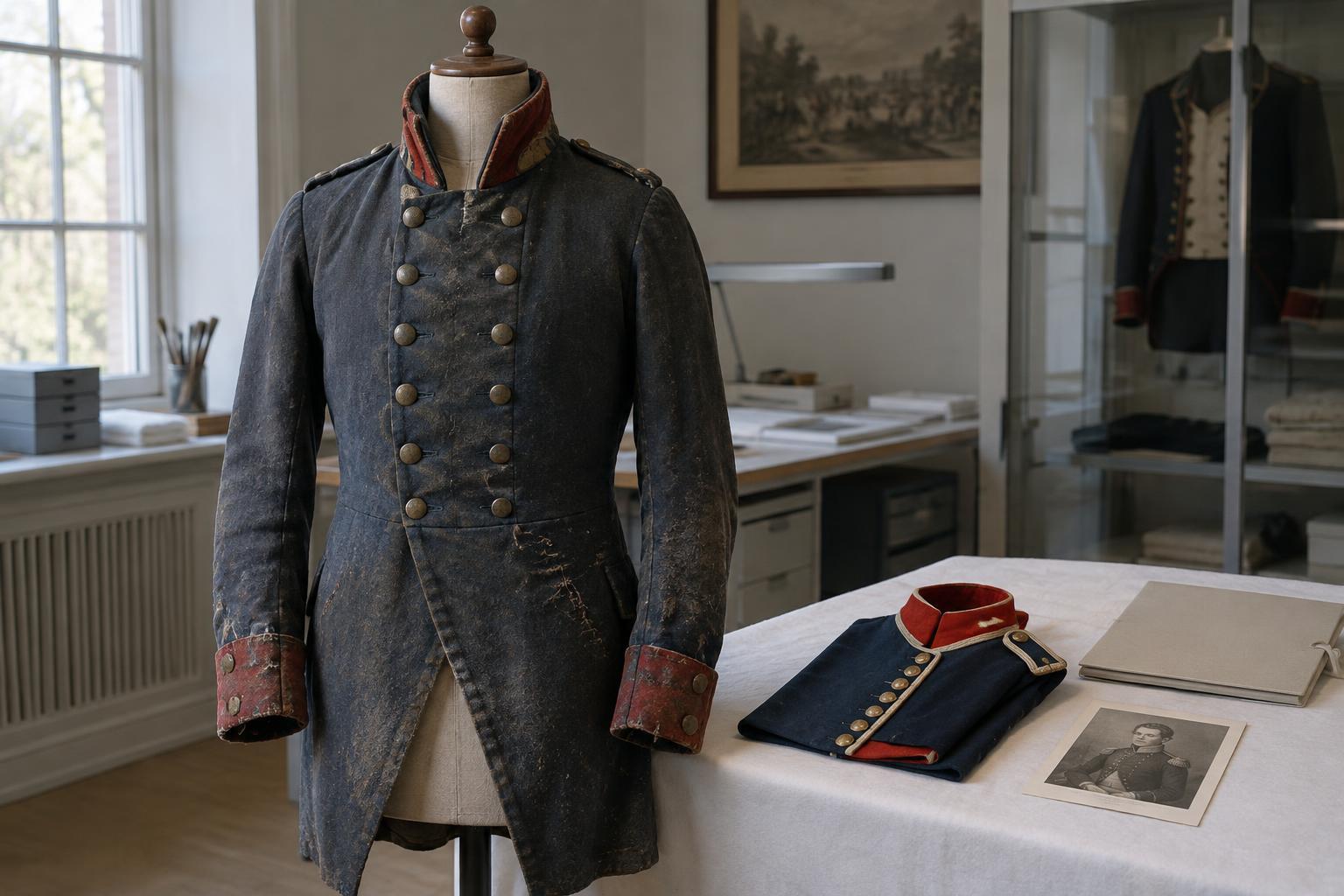
A surviving coat can speak to choices made by a state, a workshop and an individual wearer. Its materials and finish may suggest how resources were allocated; alterations may indicate that it was adapted over time. But one well-preserved garment should not be treated as a typical example without further evidence. Ceremonial clothing, privately purchased pieces and items kept as family mementos can be more likely to survive than garments worn until they were beyond repair.
Follow the distance between rule and issue
To study what people actually wore, compare several kinds of evidence. Clothing regulations describe an official standard. Supply records may show what was ordered or delivered, though not necessarily when every item reached its intended wearer. Inventories and correspondence can reveal shortages, substitutions or complaints. Portraits and group images offer visual clues, but they may show people dressed for an occasion rather than for routine service. Each source answers a slightly different question.
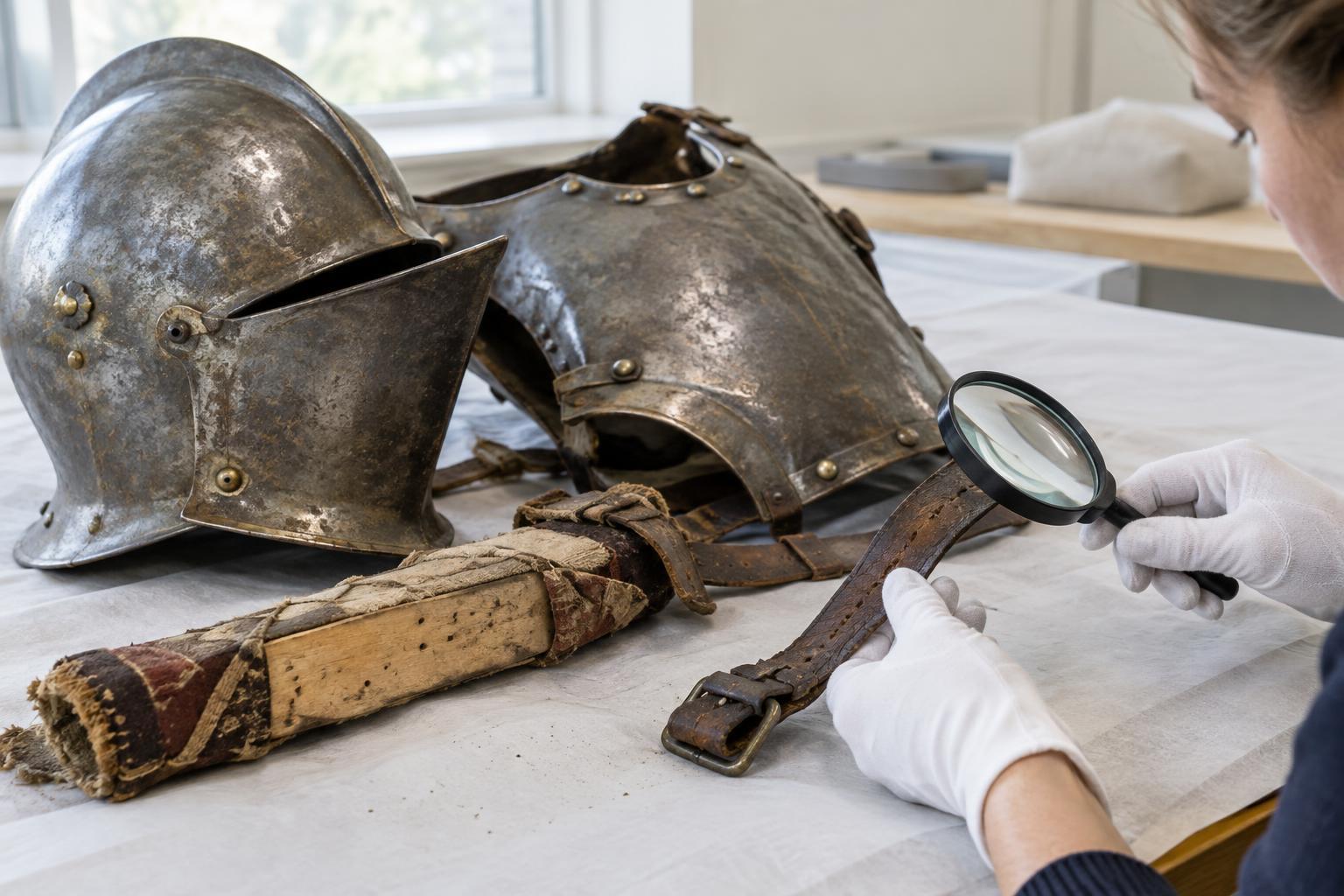
Differences from regulation need not mean carelessness. Garments wore out, replacements arrived unevenly, and local conditions could affect what was practical or available. Tailors and wearers might also adjust fit or repair damage while preserving a recognizable appearance. Looking closely at seams, linings and patches can make these changes visible, although establishing when an alteration was made may require specialist examination. For readers interested in fabric work as a craft in its own right, Sewing and Fabric Crafts · The Craft Corner offers a way to browse related making activities.
Read images and objects with their purpose in mind
An illustration of a uniform is not necessarily a snapshot of daily life. It might have been made to explain a regulation, advertise an ideal appearance or commemorate an individual. Before using it as evidence, ask who made it, whom it depicts and whether its details can be compared with surviving objects. Even a carefully rendered image may leave out the wear, repair and variation visible in physical garments.
Paper records have their own limits. A labelled sketch may help identify a design, while an inventory can place clothing within a wider system of storage and distribution. Neither automatically establishes how the item looked after months of use. Keeping images, descriptions and objects in separate notes before drawing conclusions can prevent an appealing picture from carrying too much weight. Readers who enjoy exploring how designs are represented on paper can browse Paper Crafts · The Craft Corner for related creative activities, rather than treating craft examples as historical evidence.
Ask whose clothing has been preserved
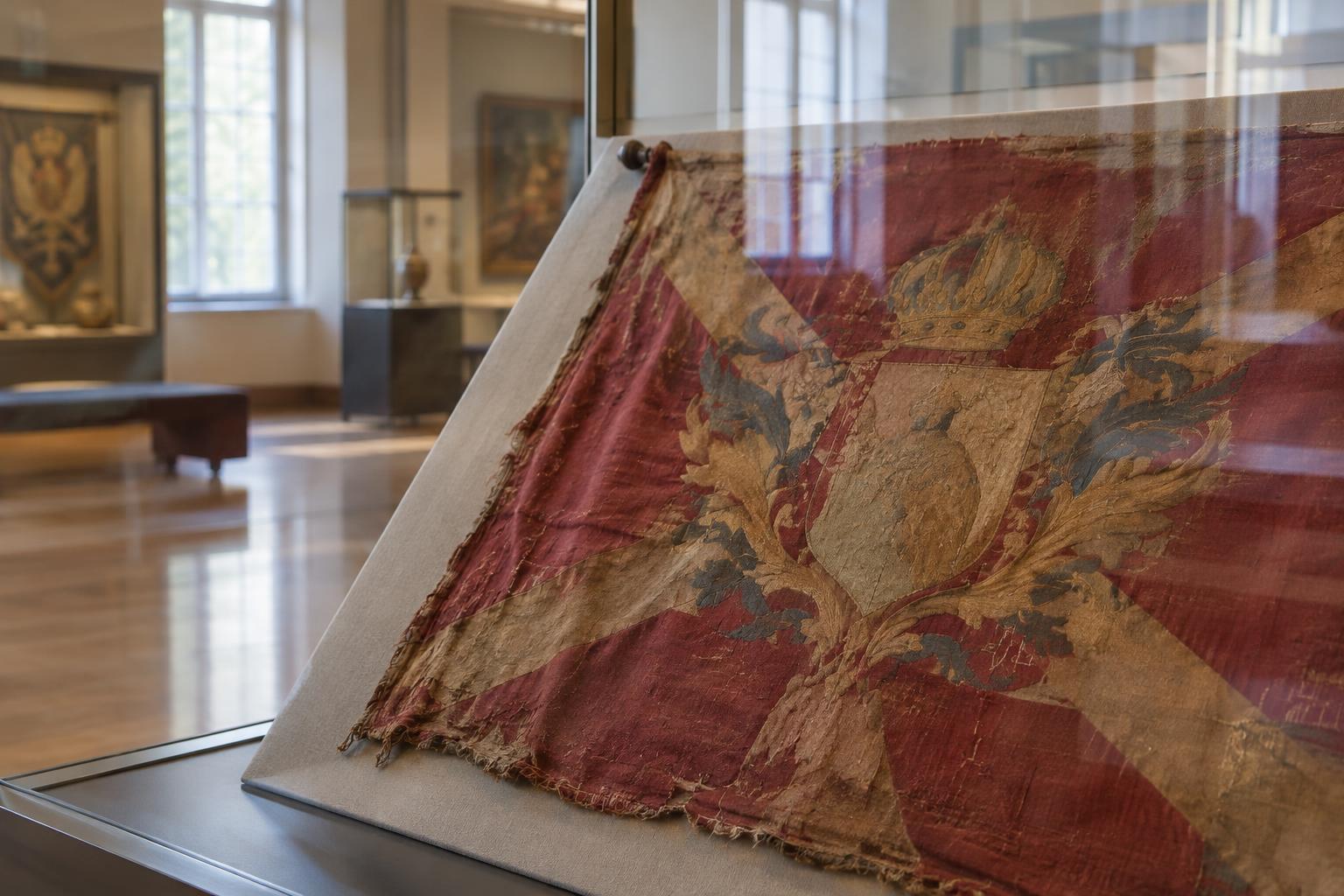
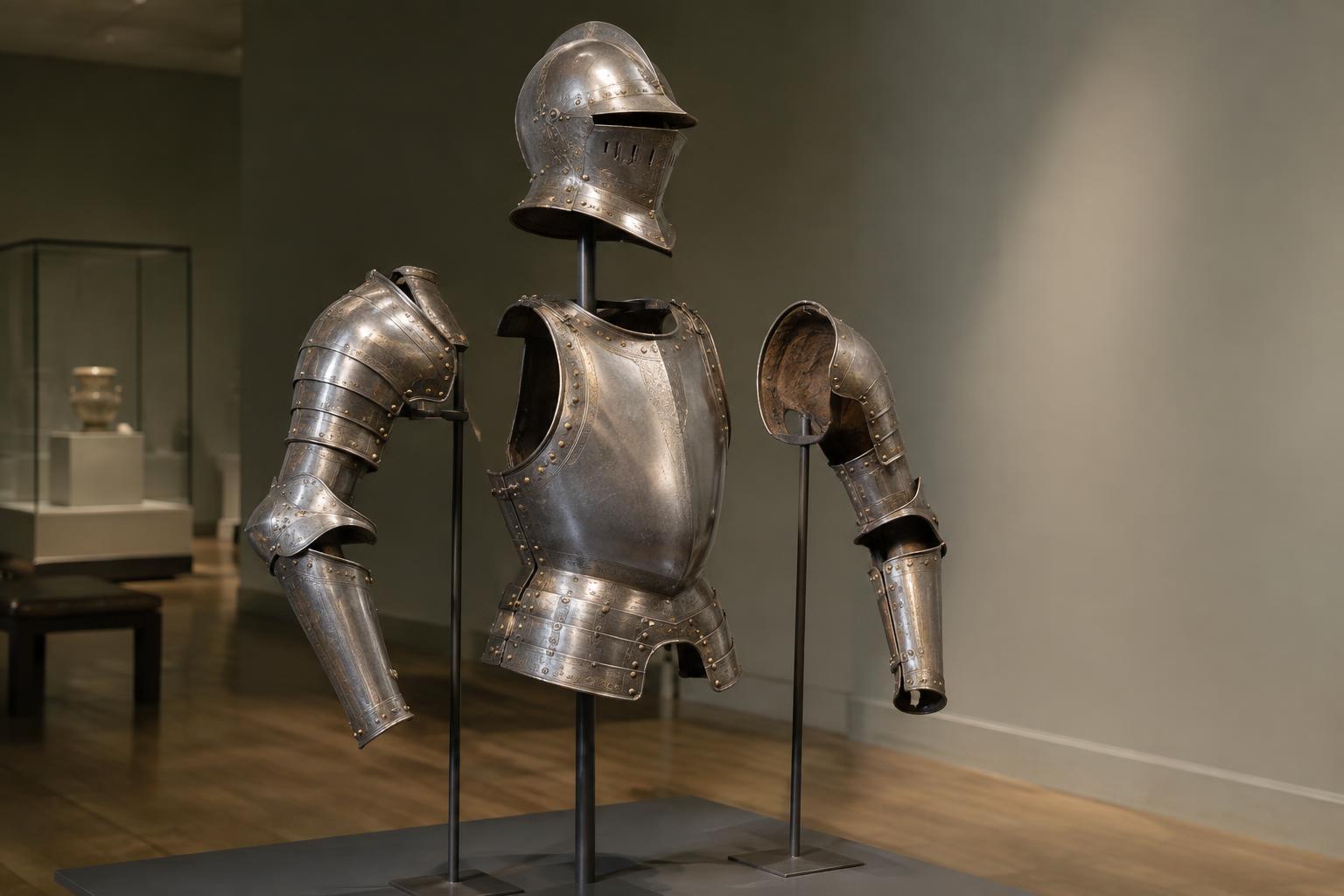
Museum displays often feature visually striking uniforms, especially those associated with named individuals or formal occasions. These objects deserve attention, but they may leave quieter histories harder to see. Ordinary clothing could be repeatedly repaired, passed on or discarded. Dress associated with support workers, camp communities or less-documented members of a force may have entered collections under broad or uncertain labels. A display is therefore both a presentation of history and a record of what was collected and preserved.
A useful museum label identifies what is known, explains the evidence for an attribution and leaves room for uncertainty. Visitors can ask whether insignia and ornament were original, when a garment was altered, and how its present condition differs from its likely appearance in use. Decorative details matter because they helped communicate status and belonging, but they should be read alongside construction and context. For further browsing on decorative making as a separate pursuit, see Decorative Projects · The Craft Corner. The strongest interpretation treats a uniform neither as a complete portrait of its wearer nor as a simple illustration of a rule, but as one piece of a larger historical record.