Why an object’s present appearance is only part of its story
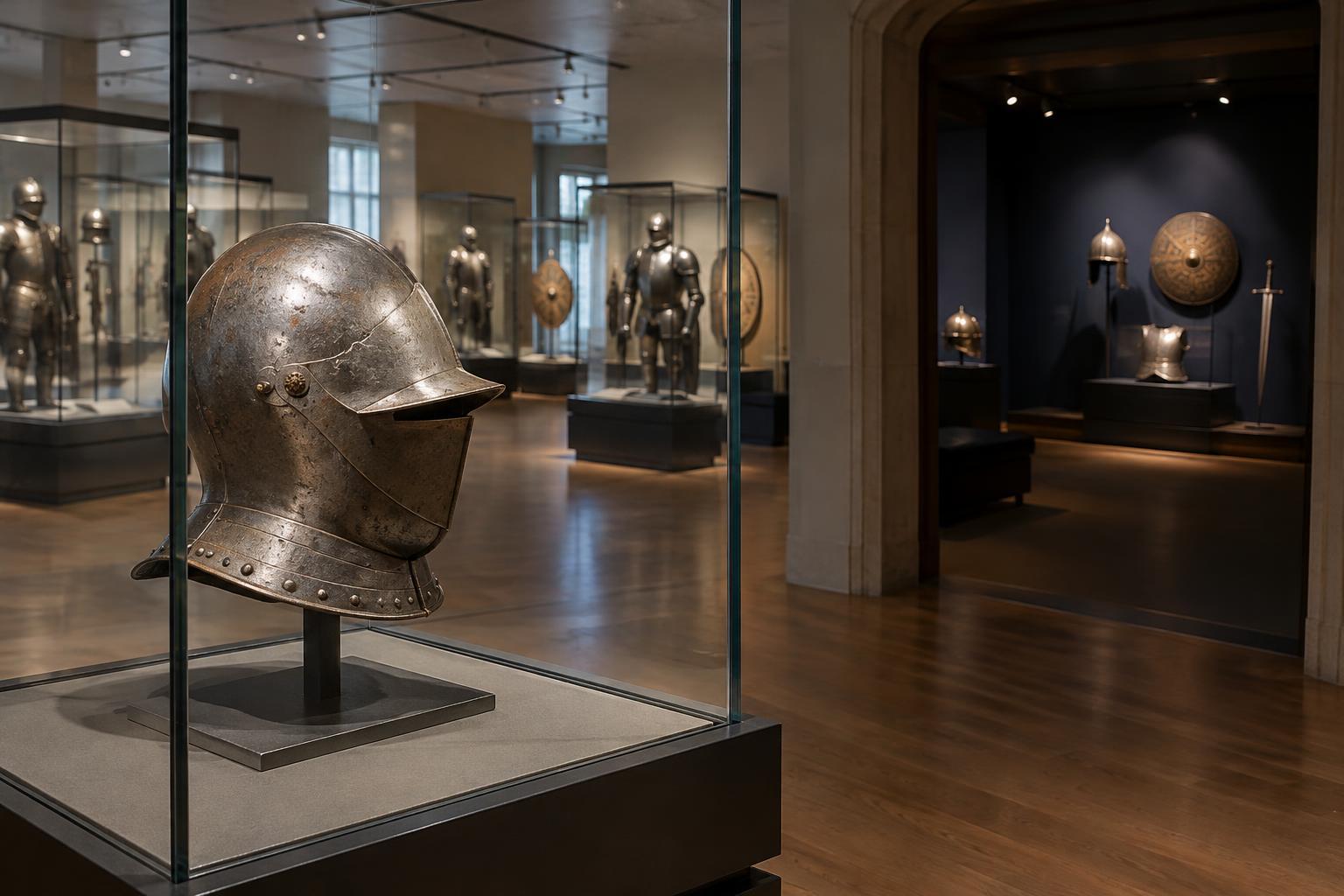
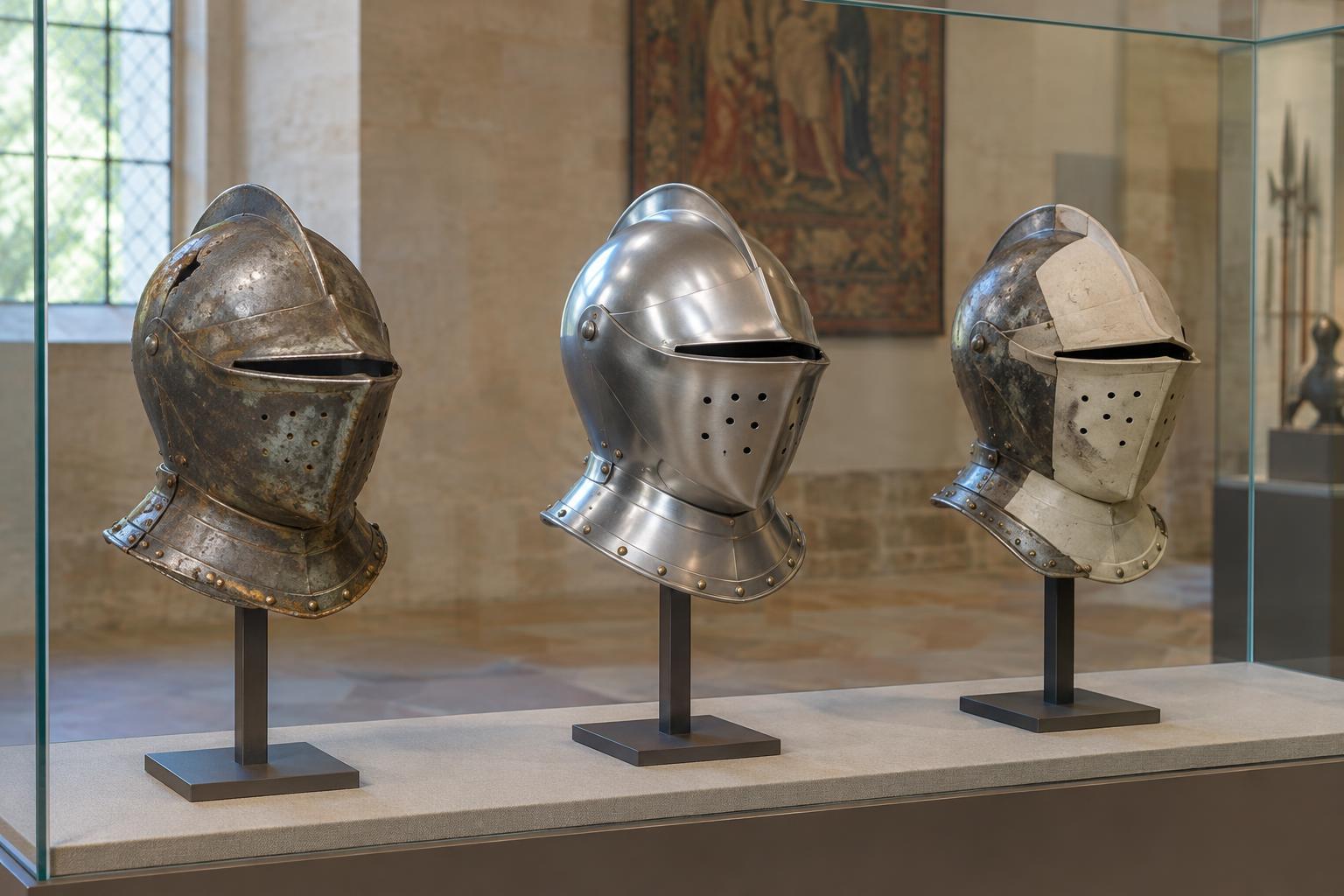
A museum object is not frozen at the moment it was made. A helmet may have lost its lining, a sword may have acquired a later grip, or a suit of armour may have been assembled for display from pieces with different histories. Cleaning, repair, storage and exhibition can also alter what visitors see. These changes do not necessarily make an object less valuable as evidence. They give it a longer history to interpret.
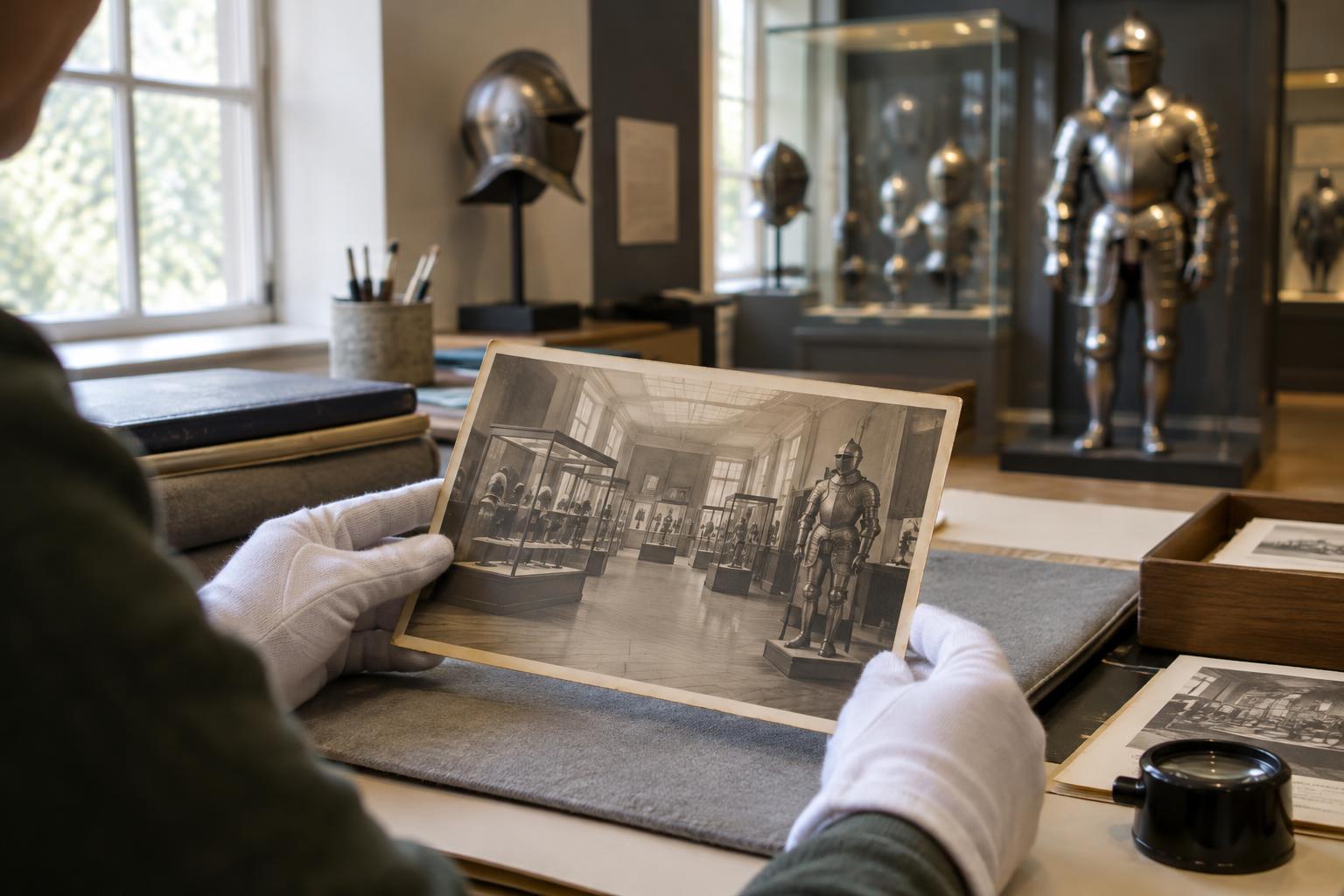
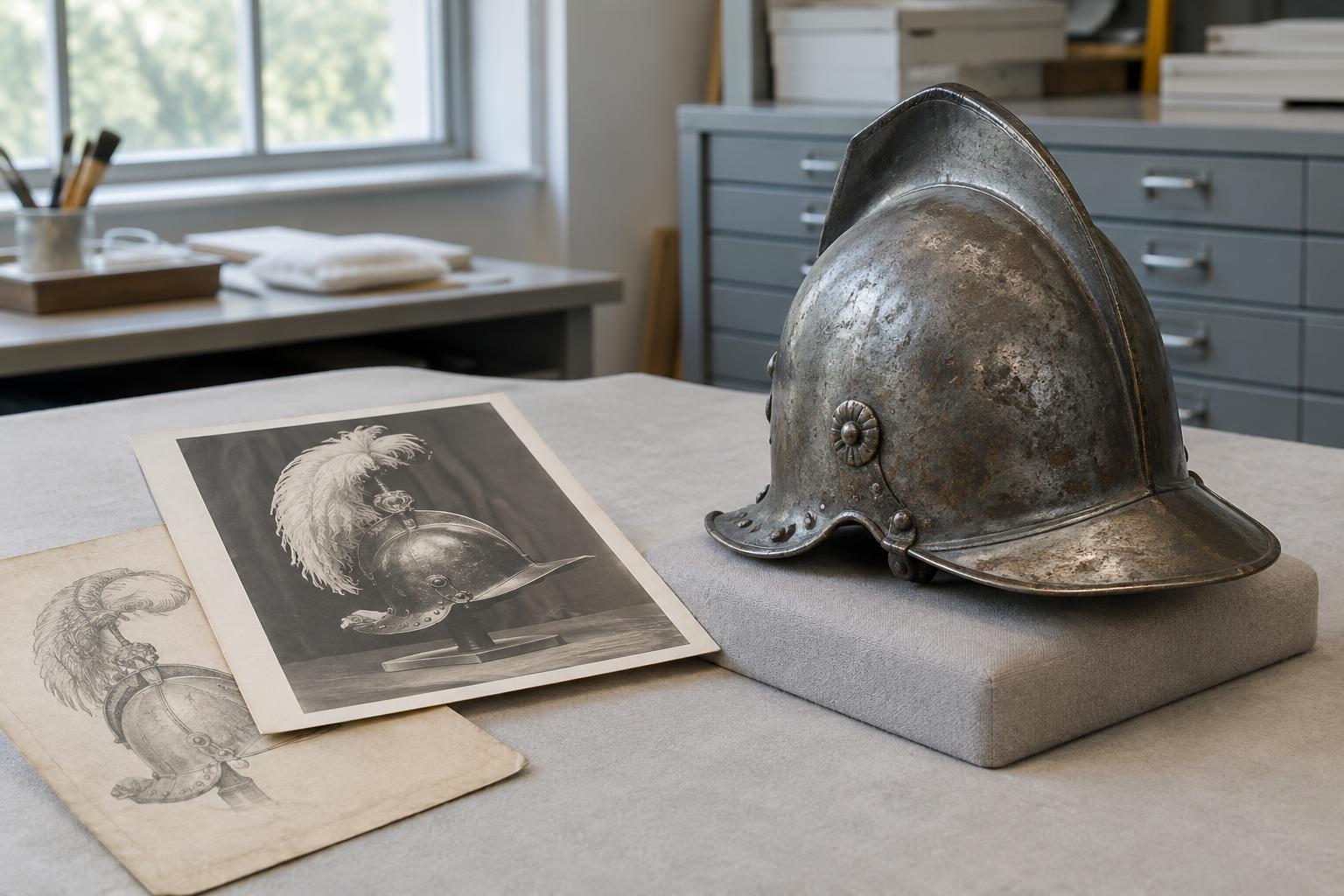
Archival images offer glimpses of earlier stages in that history. A photograph of a gallery, a collector’s album or an old catalogue illustration might show an object before a mount was replaced or a decorative element disappeared. Comparing that image with the object today can help curators ask more precise questions: Which features have changed? When were they documented? Were they original components, later additions or simply arranged differently for display?
Reading an image as evidence, not as a time machine
An old image records a particular view at a particular point in an object’s documented life. It does not automatically reveal how the object looked when first made. A photograph taken in a collecting room might show armour polished to suit the taste of its owner, while a catalogue drawing might simplify damage or emphasize ornament. Lighting, camera angle and printing quality can make a shallow mark appear deep or conceal a join altogether.
Museums therefore look for context around the image. A caption, accession record or inventory number may help identify the object, but identifications can be mistaken or revised. Curators also compare distinctive details, such as the shape of a border or the position of a repair, rather than relying on a broad resemblance. When several images survive, differences between them may help establish a sequence of changes. Where the evidence remains thin, interpretation should say so.
This caution matters especially with historic arms and armour, which have often been rearranged, restored or presented in ways that express later ideas about the past. An archival image can document an earlier display without proving that display was historically accurate. The distinction between “shown this way in a photograph” and “made this way originally” is small in wording but important in meaning.
Connecting visible changes to object histories
Images are most useful when considered alongside physical examination and written records. A photograph may show a missing strap, but the object itself might preserve attachment points that help explain how it was fitted. A register entry might note a repair, while a later gallery view shows its result. Each kind of evidence answers different questions: images record visible arrangements, documents may describe decisions, and the object retains material traces that neither can fully capture.
Consider a hypothetical breastplate photographed decades ago with a prominent surface decoration that is faint today. The image alone would not establish why the decoration changed. Differences in lighting might account for part of the effect; cleaning, wear or an altered finish might also be relevant. A responsible museum account would distinguish what can be seen in the image from what examination and records suggest. It would avoid turning a plausible explanation into a certain one.
Archival views can also preserve evidence of now-lost labels, mounts and neighboring objects. Those details reveal how a collection was classified and presented, even when they tell us little about an object’s original use. They can show, for example, whether a piece was once treated chiefly as a technical specimen, a work of craftsmanship or a symbol of a particular tradition.
Making change visible to visitors
A museum can place an archival image beside an object, or use a clear comparison caption, to help visitors notice changes they might otherwise miss. The strongest interpretation identifies the image’s approximate place in the object’s recorded history and explains what the comparison can—and cannot—show. A cropped detail may clarify a small feature, while a full view preserves the setting that gives the image meaning. Both choices benefit from honest labeling.
These comparisons need not imply that the museum should restore an object to the appearance shown in the oldest surviving image. That appearance may already reflect alterations, and reversing later work could remove evidence of the object’s history. Conservation generally begins with understanding what survives and why it matters, rather than treating every visible change as a defect.
When museums present archival images this way, visitors encounter more than a before-and-after story. They see an object shaped by makers, users, collectors and caretakers, as well as by the choices that brought it into public view. The gaps in the visual record remain part of the story. Acknowledging them makes room for a more careful—and often more interesting—understanding of the object on display.