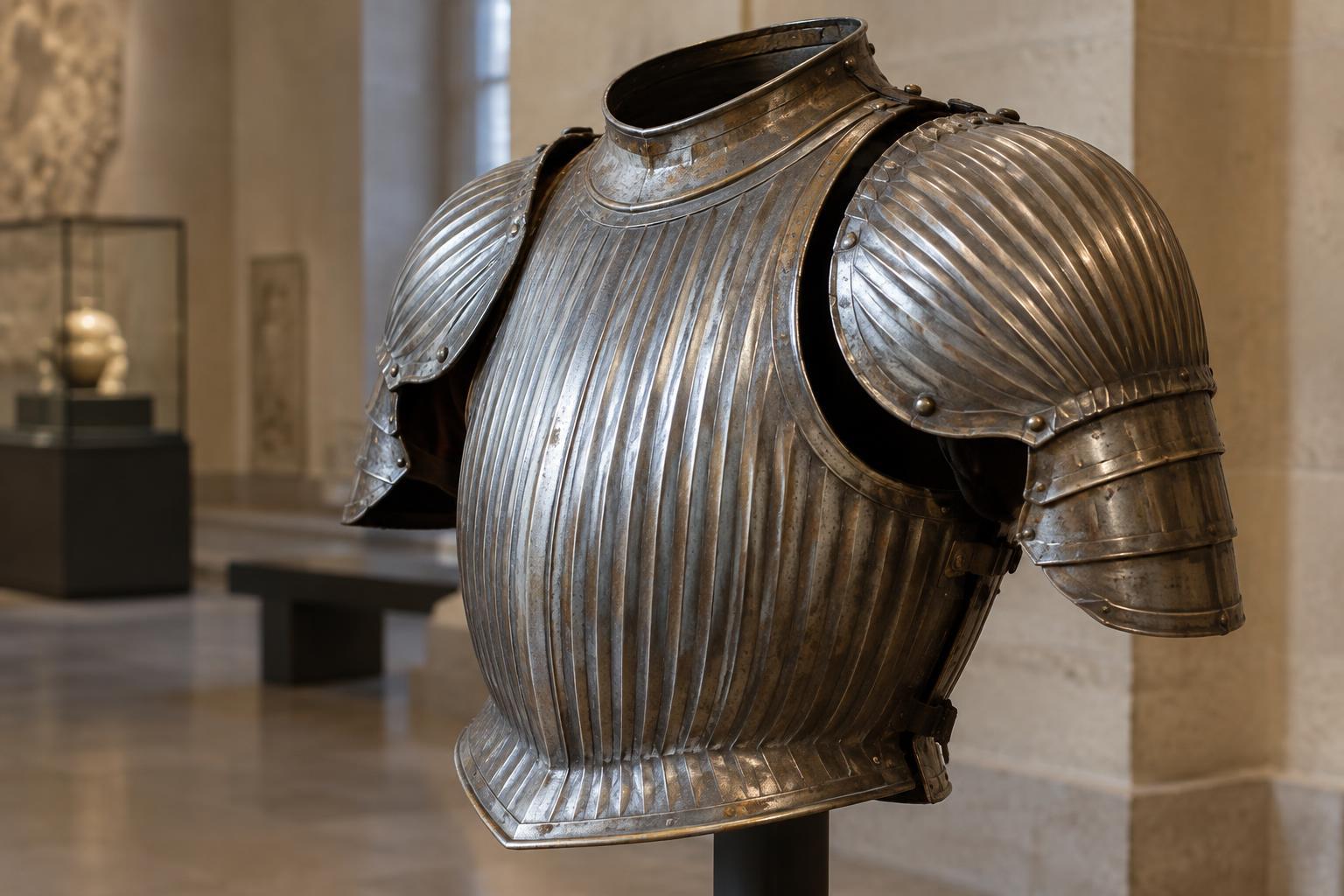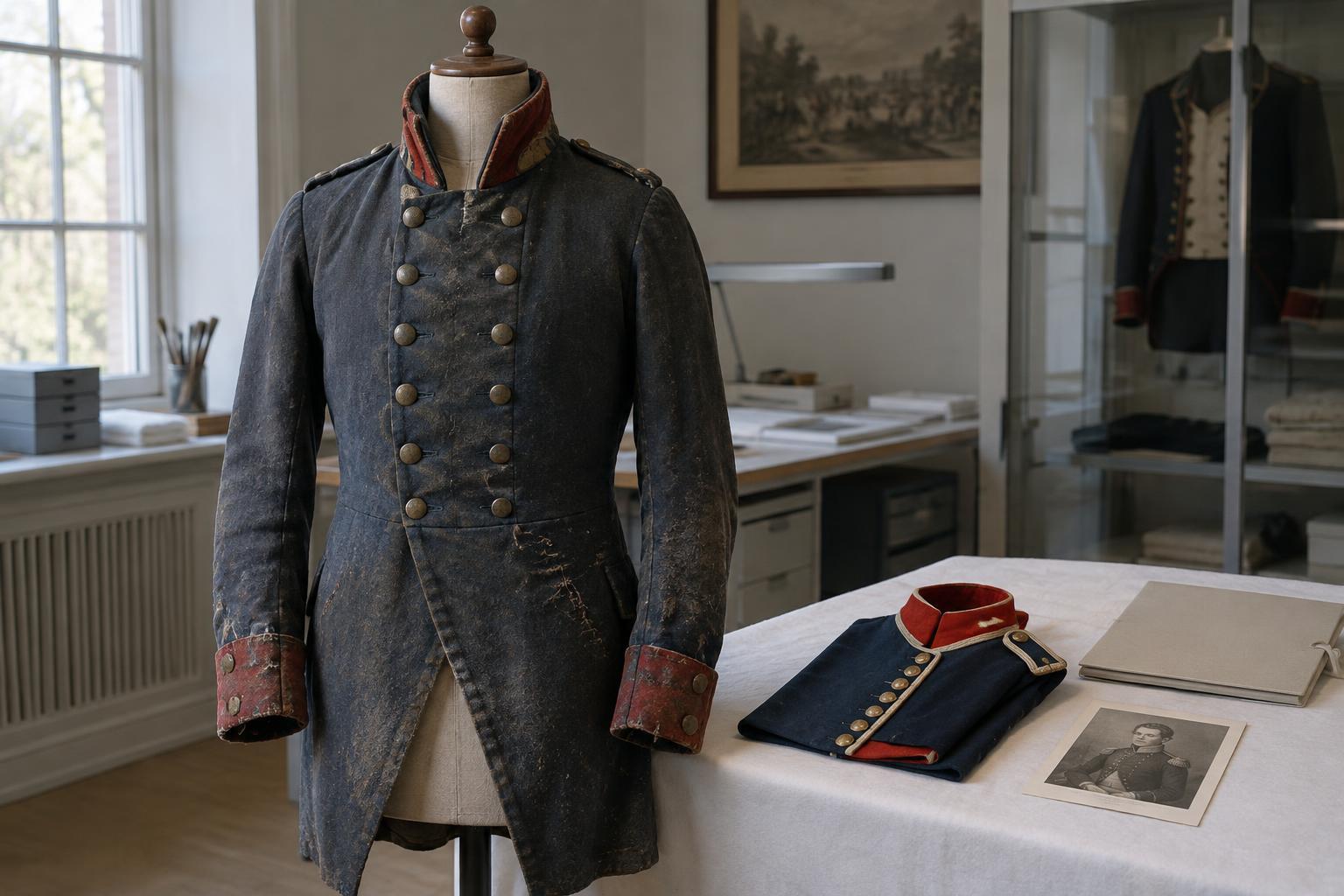
A surface records more than one moment
A dented helmet or a sword with a worn grip can feel unusually close to the past. These marks invite questions: Who handled this object? Was it used, displayed, repaired or handed down? In a museum, visible wear is an important starting point, but it is not a complete account of what happened.
An object may have passed through many settings before entering a collection. It could have been altered during its period of use, stored for generations, displayed in a household or restored for an earlier exhibition. Each stage may have left traces. A scratch alone seldom identifies when it happened or what caused it. Reading the surface means considering those different possibilities rather than choosing the most dramatic story.
Use and damage are not the same thing
Some changes suggest repeated handling. Edges may look softened where people touched an object, while fittings may show signs of adjustment or replacement. Yet even these observations need context. Ceremonial objects, for example, can acquire wear without serving the practical purpose their shape suggests. Conversely, an object that saw use might retain a remarkably even appearance after careful maintenance.
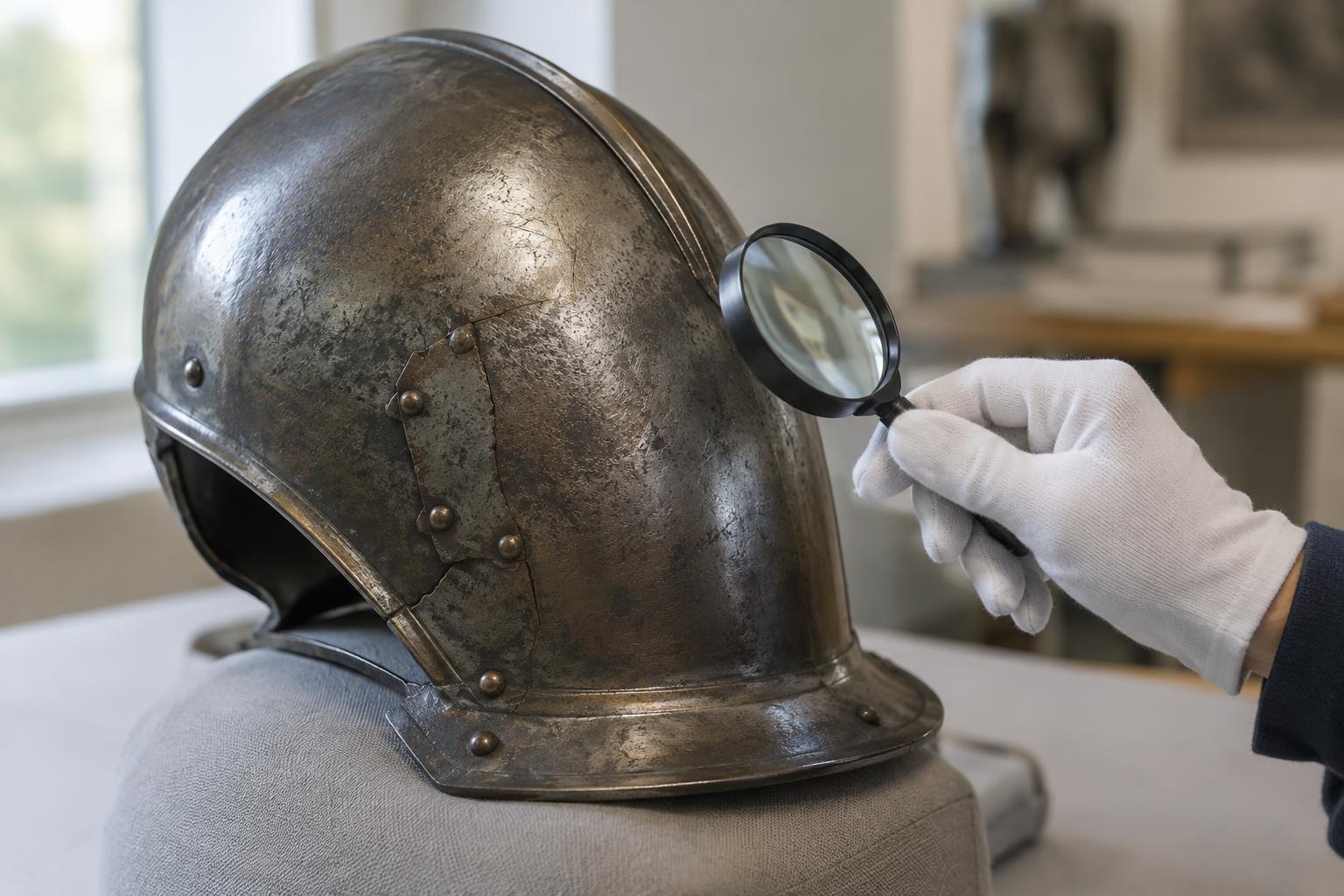
Damage is equally difficult to interpret in isolation. A dent might have occurred during an object's historic life, in later storage or during an accident after it entered a collection. Corrosion can obscure older marks while creating new ones of its own. Museums therefore tend to describe what is visible before proposing a cause. “A dent on the left side” is an observation; “a dent made in battle” is an interpretation that would require stronger evidence.
Repairs reveal choices as well as age
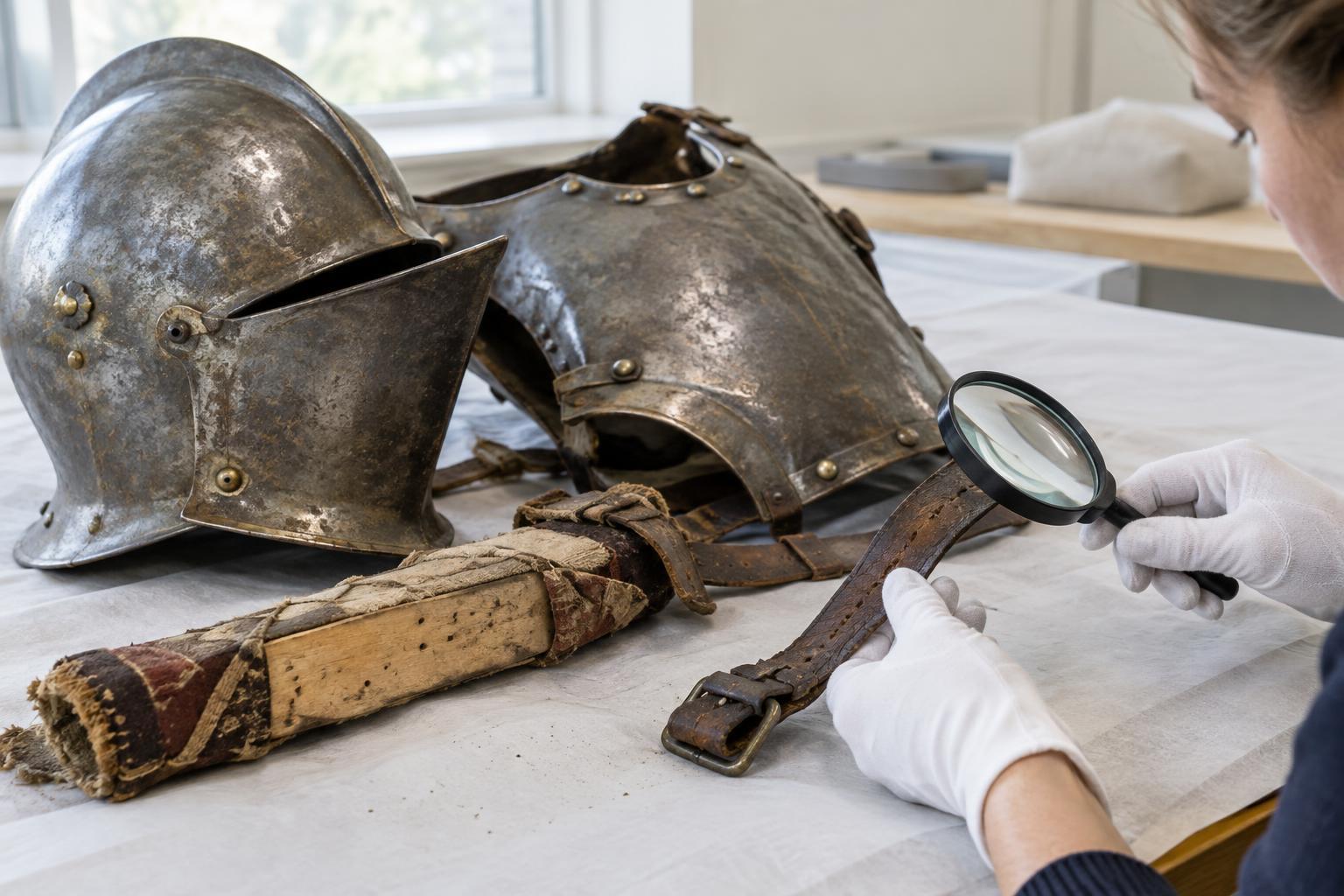
A replaced strap, a patch or an altered fitting may show that someone valued an object enough to keep it in service or on display. Repairs can also reveal changing expectations. One owner might have wanted an item to remain usable; another might have wanted it to look complete in a collection. The same object can carry evidence of both priorities.
Not every intervention is easy to date by sight. Older repairs may blend into an object's overall appearance, while a conspicuous replacement may be comparatively recent. Collection records, earlier photographs and careful examination can help museums separate different phases, though they may not resolve every question. Rather than treating a repair as a flaw to overlook, an exhibition can use it to explain how an object's meaning changed over time.
Why an honest label leaves room for uncertainty
Wear becomes most informative when considered alongside other evidence: the object's materials and construction, its recorded history, and comparisons with related pieces. None of these forms of evidence is infallible. Records can be incomplete, and objects that look similar may have followed very different paths. A responsible museum label may therefore use cautious language, distinguishing a visible alteration from a proposed explanation.
Visitors can apply the same approach. First notice what is actually present: a polished area, a missing part, an uneven surface. Then ask what other causes might account for it and what evidence could narrow the possibilities. This habit does not make an object less compelling. It makes room for a fuller history—one that includes makers, owners, collectors and caretakers, as well as the moments no surviving mark can securely reveal.