A gallery is a selection, not the whole collection
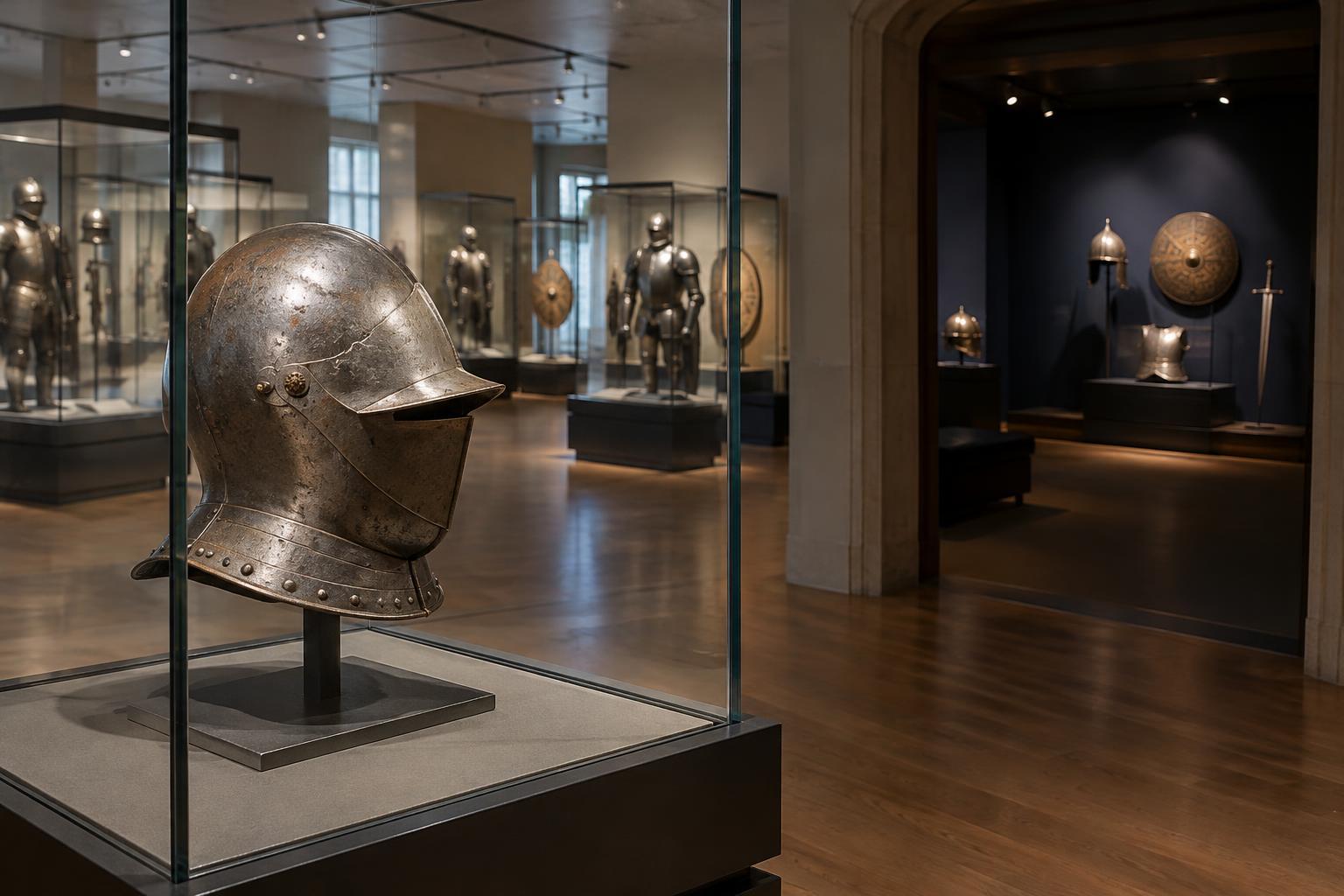
A visitor may see a helmet, a sword and a suit of armour in a gallery and reasonably wonder where the rest of the collection is. Museums often hold more objects than they can display at once. Exhibition space must also accommodate labels, safe circulation and enough distance for visitors to look closely. Putting every related object in one room could make individual pieces harder to understand.
Curators therefore make choices about which objects best serve an exhibition’s purpose. A display about ceremonial identity might feature decorated armour, while another about workshop practice might draw attention to unfinished pieces, repairs or variations in construction. An object left in storage is not necessarily less important. It may answer a different question, duplicate a form already represented in the gallery, or need context that the current exhibition cannot provide.
Storage helps preserve vulnerable materials
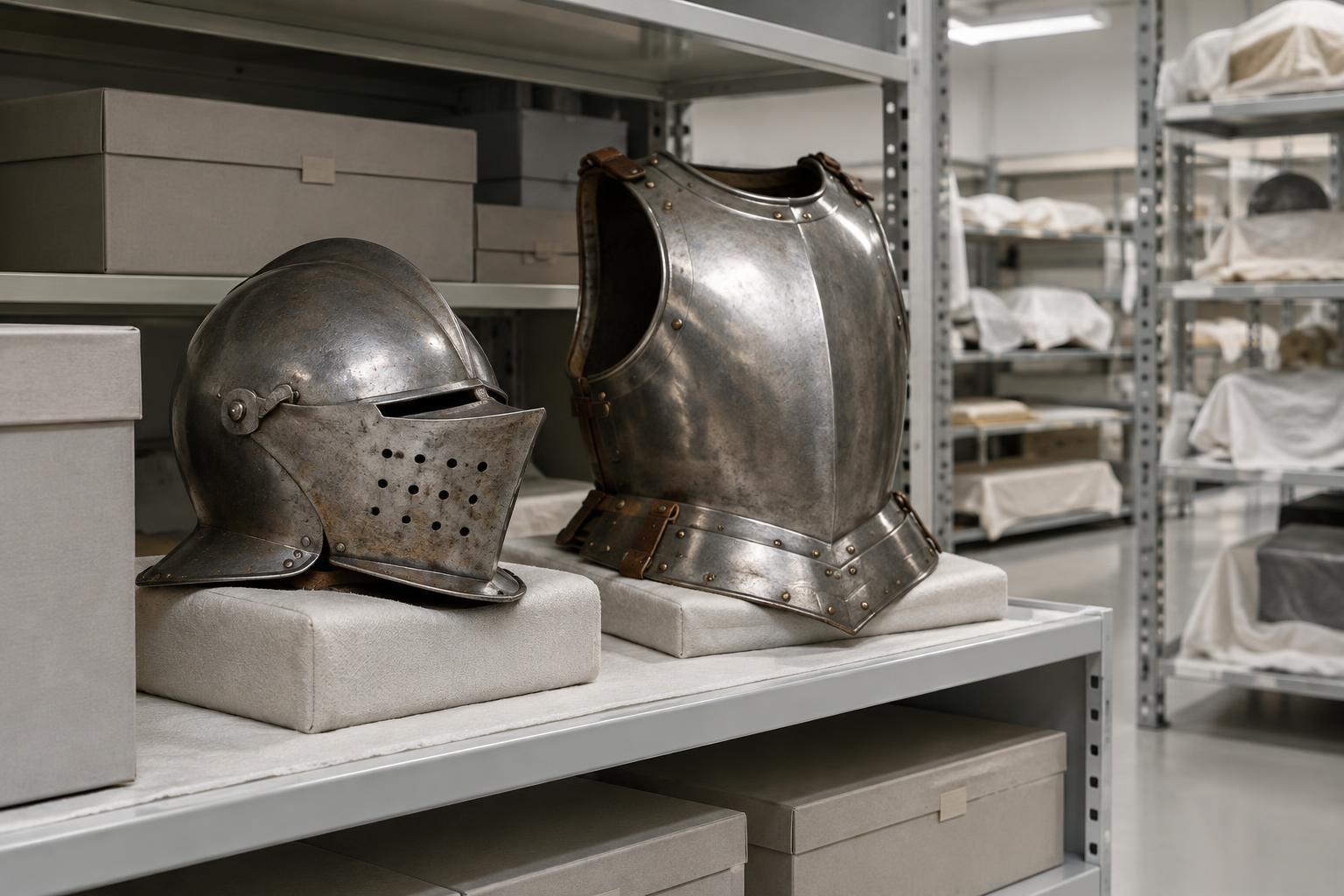
Historic arms and armour are often made from combinations of materials that respond differently to their surroundings. Metal may corrode; leather, textiles, wood and adhesives can weaken or change shape. A single object might contain several of these materials, making its care more complicated than its sturdy appearance suggests. Even armour built to withstand use was not built for indefinite exposure in a gallery.
Well-managed storage allows museum staff to support objects appropriately and monitor their condition. It can also reduce handling and exposure to light, dust and fluctuating conditions. Display carries its own conservation demands: a mount must hold an object safely, and a case must permit inspection without putting fragile parts under strain. For some pieces, time away from display is the more cautious choice, particularly while staff assess their condition or plan a suitable mount.
An object needs more than a place in a case
Displaying arms and armour responsibly involves more than arranging them by size or visual impact. A blade might have served as a badge of office, a diplomatic gift or a ceremonial object as well as a weapon. Armour may reflect a wearer’s status, a workshop’s methods or later alterations. Without room to explain such distinctions, a dense display can leave visitors with a misleading impression that every object had the same purpose.
Sometimes an object’s history is incomplete. Its maker, owner or route into the collection may be uncertain, or older catalogue descriptions may need review. Museums can still display objects with unanswered questions, but they must decide how to communicate those limits clearly. Keeping a piece in storage while its records are checked or an exhibition is developed can lead to a more useful presentation later.
Stored collections remain useful
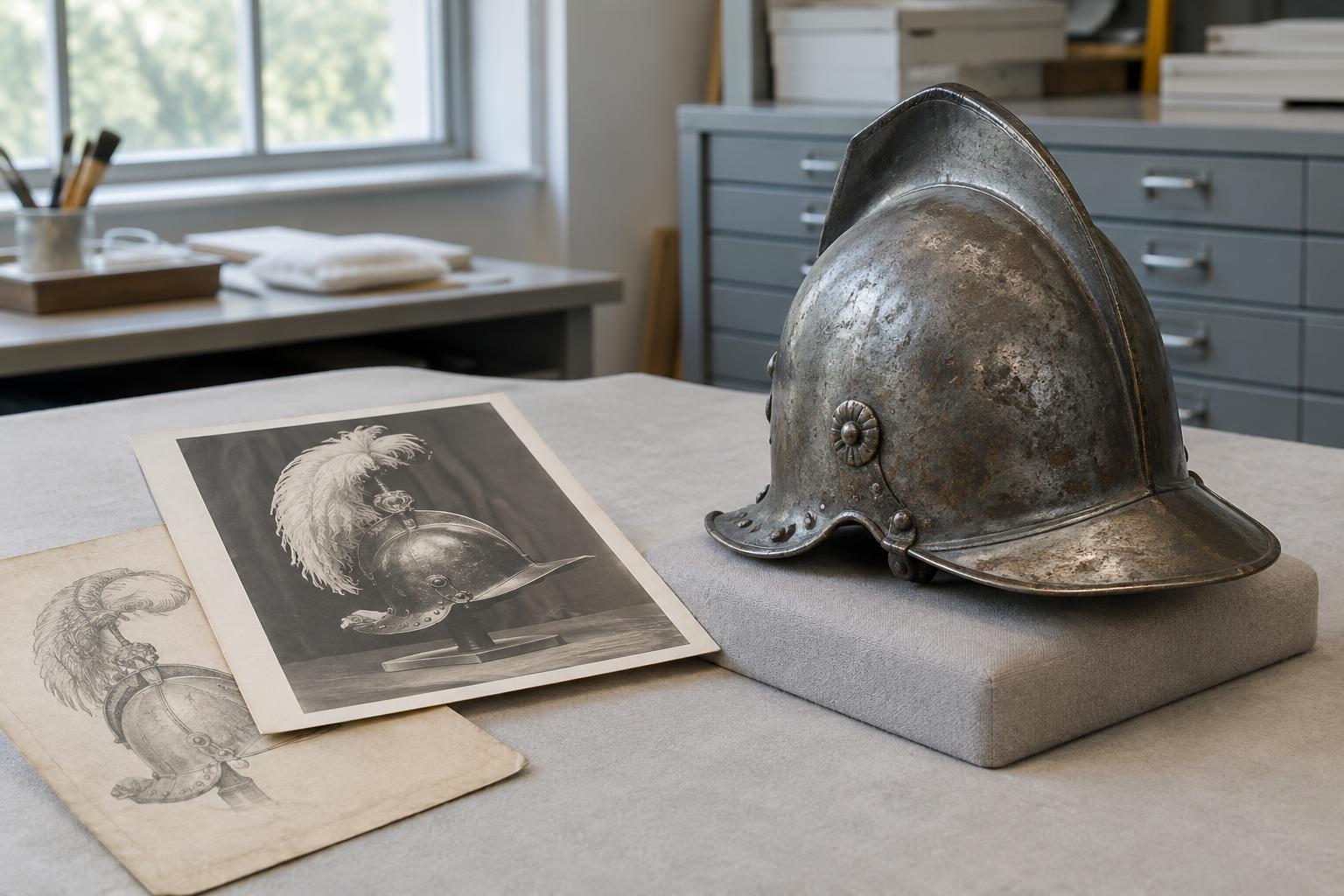
Storage is not simply a waiting room for exhibitions. Objects kept there can support cataloguing, conservation assessment and close study. Comparing several similar helmets, for example, may reveal differences in shaping, decoration or later repair that are difficult to notice when only one is on view. Such comparisons can improve descriptions and help museums choose what to display next.
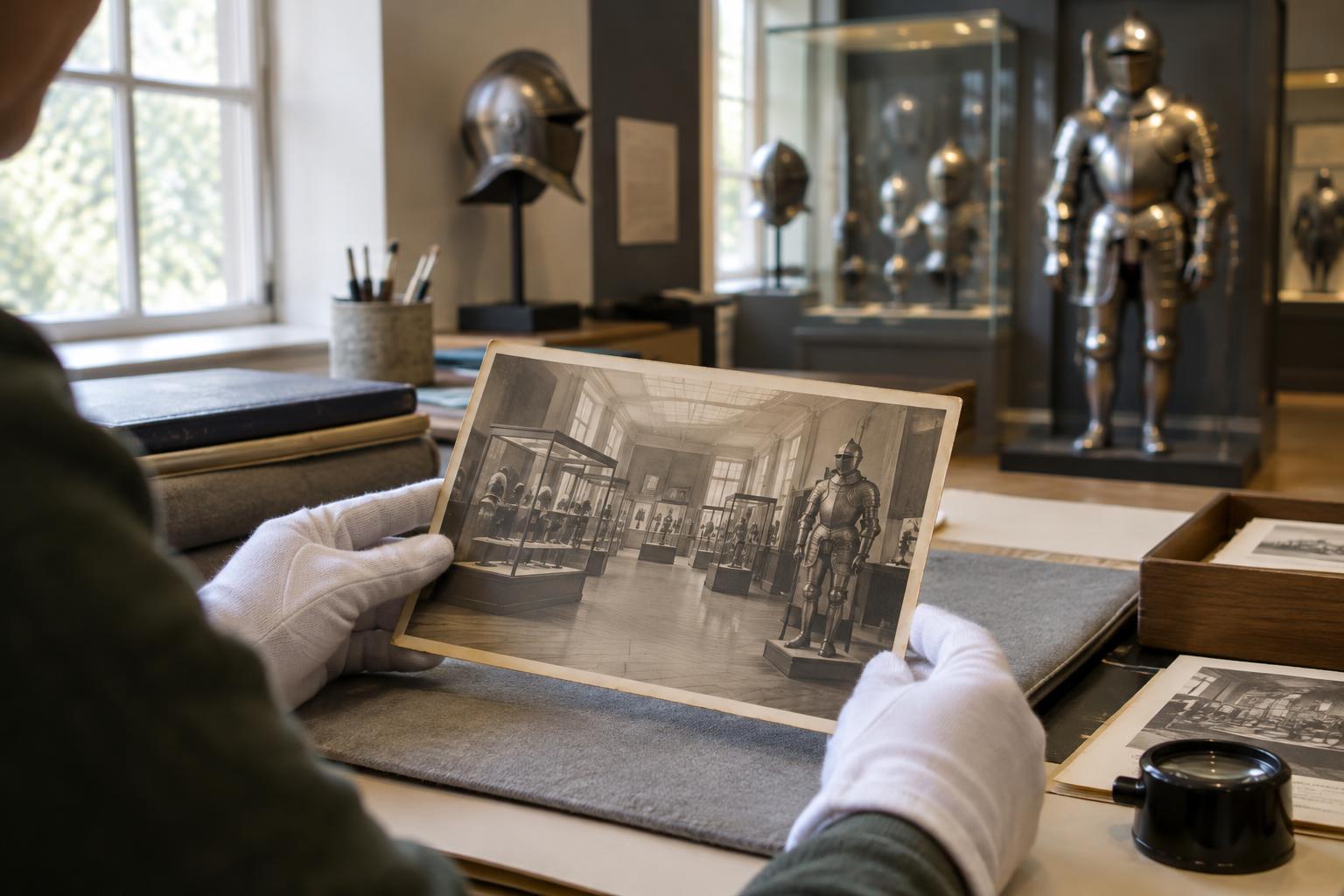
Collections may also be photographed, documented or made available for supervised study, depending on a museum’s resources and policies. Some objects appear in temporary exhibitions or rotate into galleries when display conditions allow. None of these forms of access is automatic: staff must balance requests against the object’s condition and the work involved in moving it safely.
What visitors can ask about unseen objects
A label or collection catalogue may indicate whether a displayed object is one of several related pieces. If you are curious about what is not on view, a museum’s public catalogue or staff may be able to explain what is held in storage and whether images or records are available. It is worth asking specific questions: Are there other examples from the same workshop? Has this object been altered? Why was this piece chosen for display?
The answer may be as ordinary as limited space or as particular as a conservation concern. Either way, the distinction between display and storage is not a simple ranking of importance. A gallery offers a carefully chosen encounter with historic objects; storage helps preserve the wider collection that gives those objects meaning.