A surface is part of the object
The surface of a historic helmet, sword, or piece of armour is more than its outer appearance. It is where materials, workmanship, handling, storage, and later care have met over time. A small area of worn decoration may show where a hand repeatedly touched an object. Tool marks can reveal how a maker shaped a plate. An old repair may show that an object remained valued after its first period of use.
This is why collectors and museums often treat an original surface as evidence. Polishing an object until it looks new may make its form easier to admire, but it can also erase fine details that cannot be put back. The aim is not to celebrate every stain or scratch. It is to ask what a visible change can tell us before deciding whether it should be altered.
What patina can—and cannot—tell us
Patina is a broad term for changes that develop on a material’s surface. On metal, it may include darkening or other stable-looking changes in colour; on leather or wood, it may appear as shifts in tone and texture. These effects can contribute to an object’s character and sometimes help distinguish an older finish from a more recent one. They do not, on their own, prove an object’s age or authenticity.
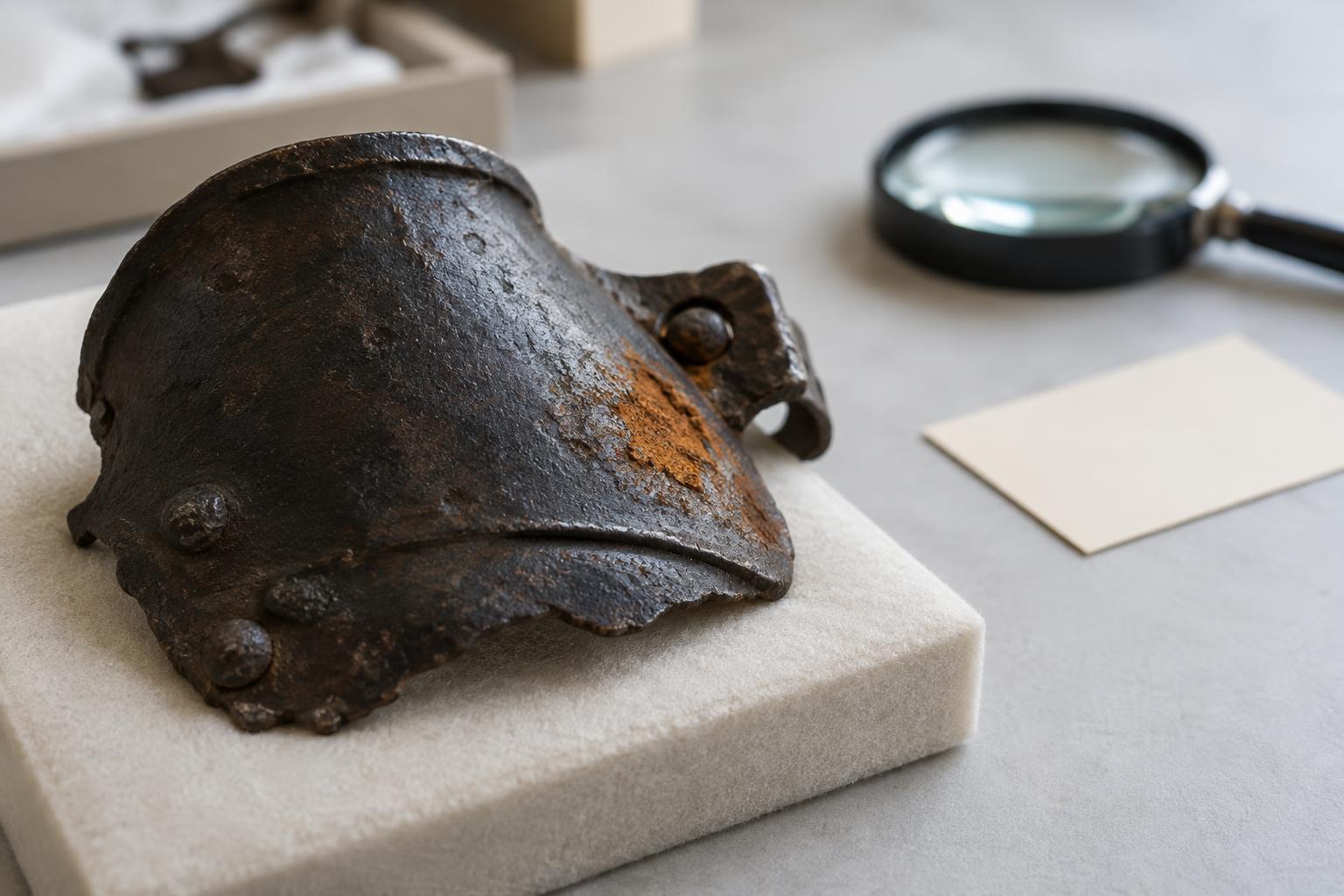
Appearances can mislead. Storage conditions, past cleaning, later coatings, and deliberate imitation can all affect how a surface looks. Nor is every change desirable: corrosion, flaking, and other deterioration may continue to damage an object. A useful distinction is not simply between “old” and “new” surfaces, but between evidence that is reasonably stable and change that may threaten the material beneath it. When that distinction is unclear, restraint is safer than an attempt to improve the appearance.
Wear records a life, not just a flaw
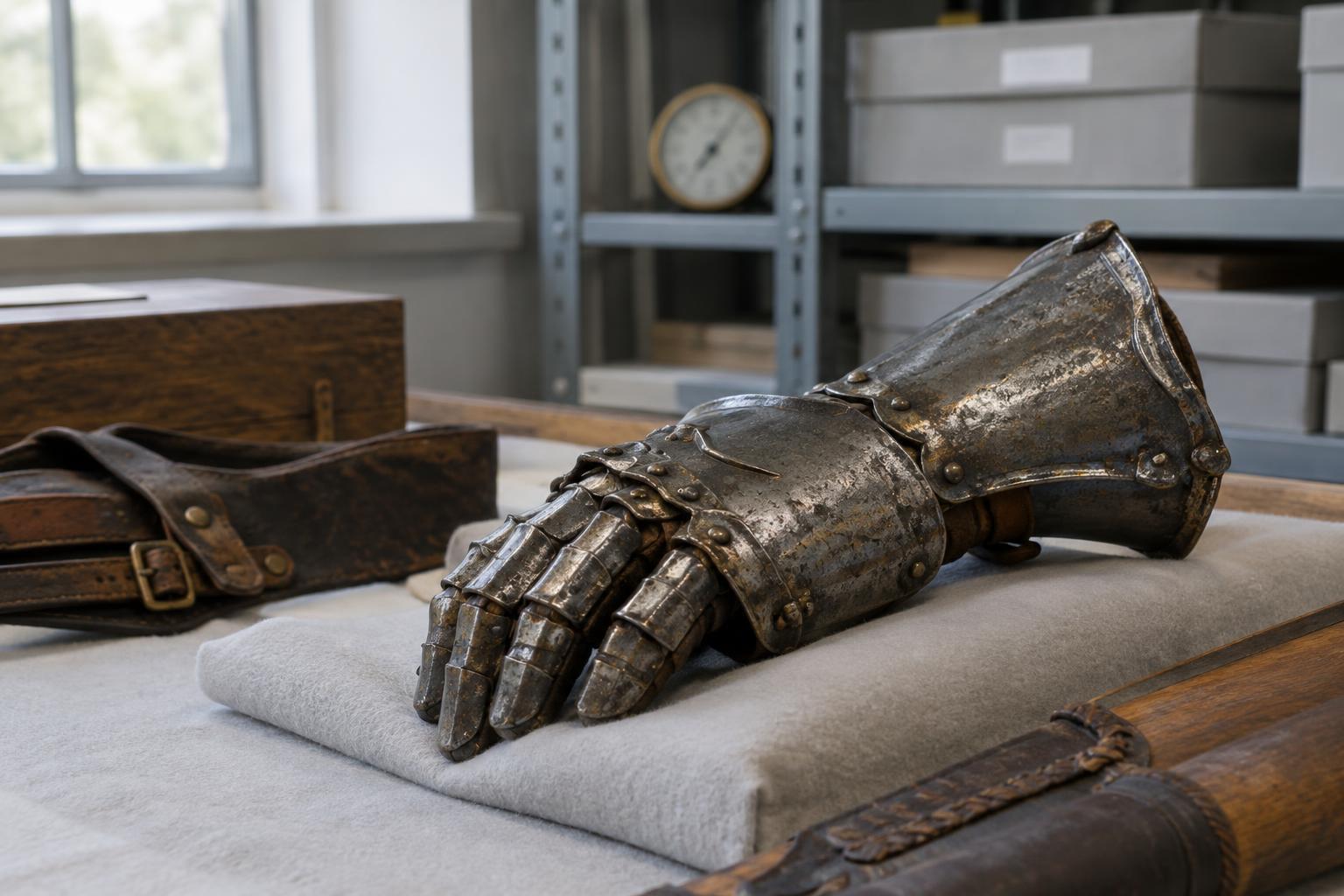
Wear can connect an object to the people who made, carried, displayed, and cared for it. Rubbed edges may draw attention to points of contact. Faded decoration may suggest long exposure to light, handling, or earlier maintenance, though its cause should not be assumed from appearance alone. A mismatch between two components can raise questions about repair, replacement, or adaptation. These observations become more meaningful when considered alongside construction, provenance, and comparable objects.
Evidence of use is not limited to a battlefield or any single dramatic event. Historic arms and armour could also serve ceremonial, symbolic, or display purposes. Their surfaces may reflect those roles as well as periods spent in an armoury, household, or collection. An honest description separates what is visible from what is inferred: “the finish is worn near the edge” is an observation; an explanation of exactly who caused that wear is usually a much harder claim to support.
Why old repairs deserve attention
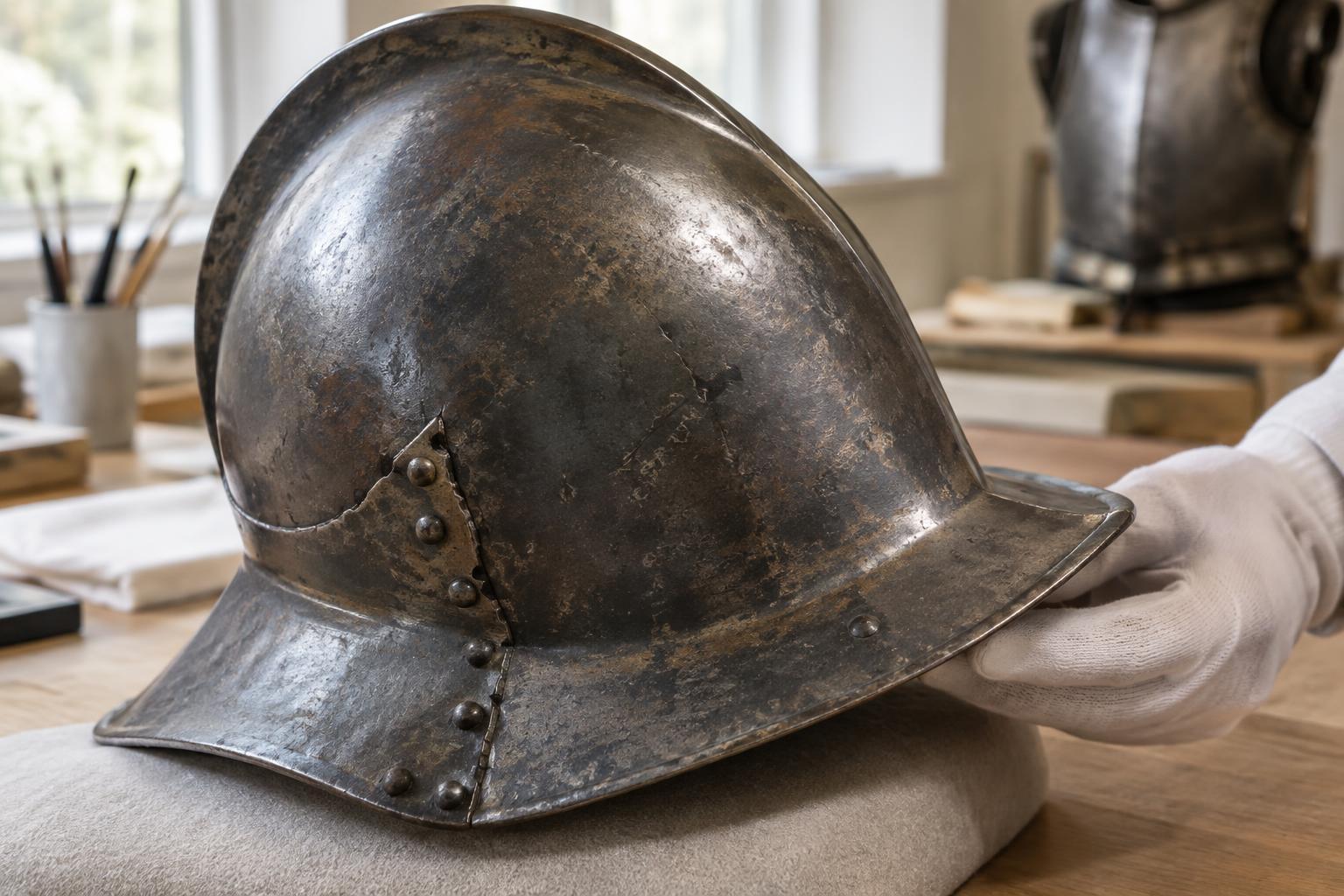
A replacement strap, reinforced joint, or altered fitting may initially seem to diminish an object. Yet an old intervention can be part of its history. It might reveal changing needs, methods of maintenance, or a collector’s earlier idea of how the object should look. Removing it without study could destroy evidence of a later chapter in the object’s life.
Not every addition carries equal historical value. A recent coating may obscure details, while an older repair may be poorly understood. The first step is to document what is present rather than force an immediate choice between keeping and removing it. Clear photographs, measurements, and notes about visible condition create a record for future comparison. They also help distinguish changes already present from those that occur during ownership.
Preservation begins with restraint
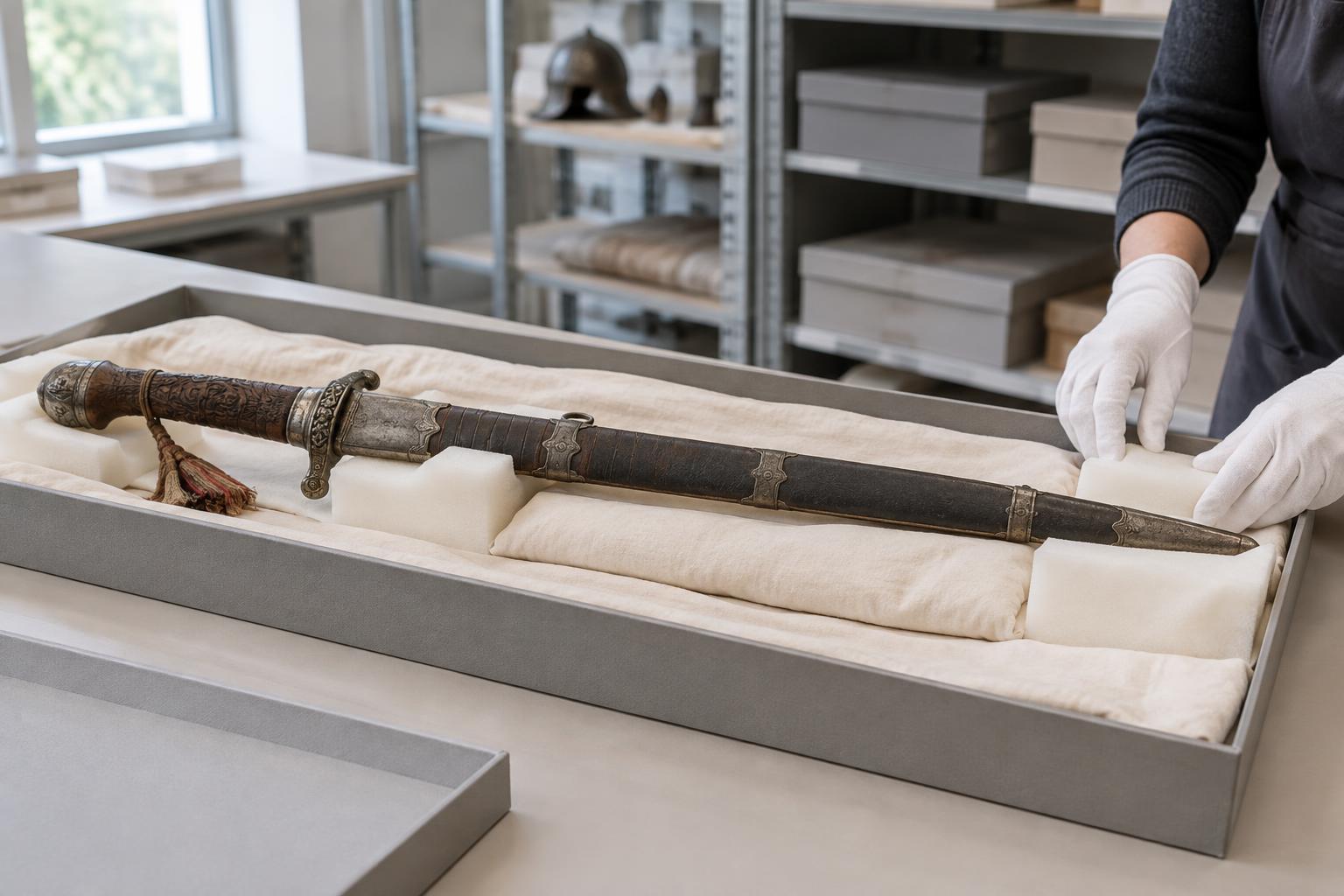
For a collector, responsible care often means limiting unnecessary handling, supporting an object securely, and avoiding abrupt changes in its surroundings. Keeping labels, acquisition records, and past conservation notes with the object preserves context that the surface alone cannot provide. If deterioration appears active or the material is fragile, a qualified conservator can assess it before treatment is considered.
In a museum display, original surfaces also invite better interpretation. A label can explain why a darkened finish or visible repair has been retained, helping visitors see evidence rather than neglect. The most compelling historic object is not necessarily the shiniest one. By looking closely and intervening cautiously, we leave more of its story available to the next person who studies it.