A brand story with a pause in it
UniqueYou dates its beginnings to 2014, when the project started with scarves and clothing. Its story includes a pause and a later return after the domain was recovered; it should not be mistaken for a claim of uninterrupted trading. That distinction is worth keeping. A useful brand history need not smooth every change into a single, continuous success story. What matters to someone choosing a scarf now is the clear focus of the present offer and whether a particular piece suits a real wardrobe.
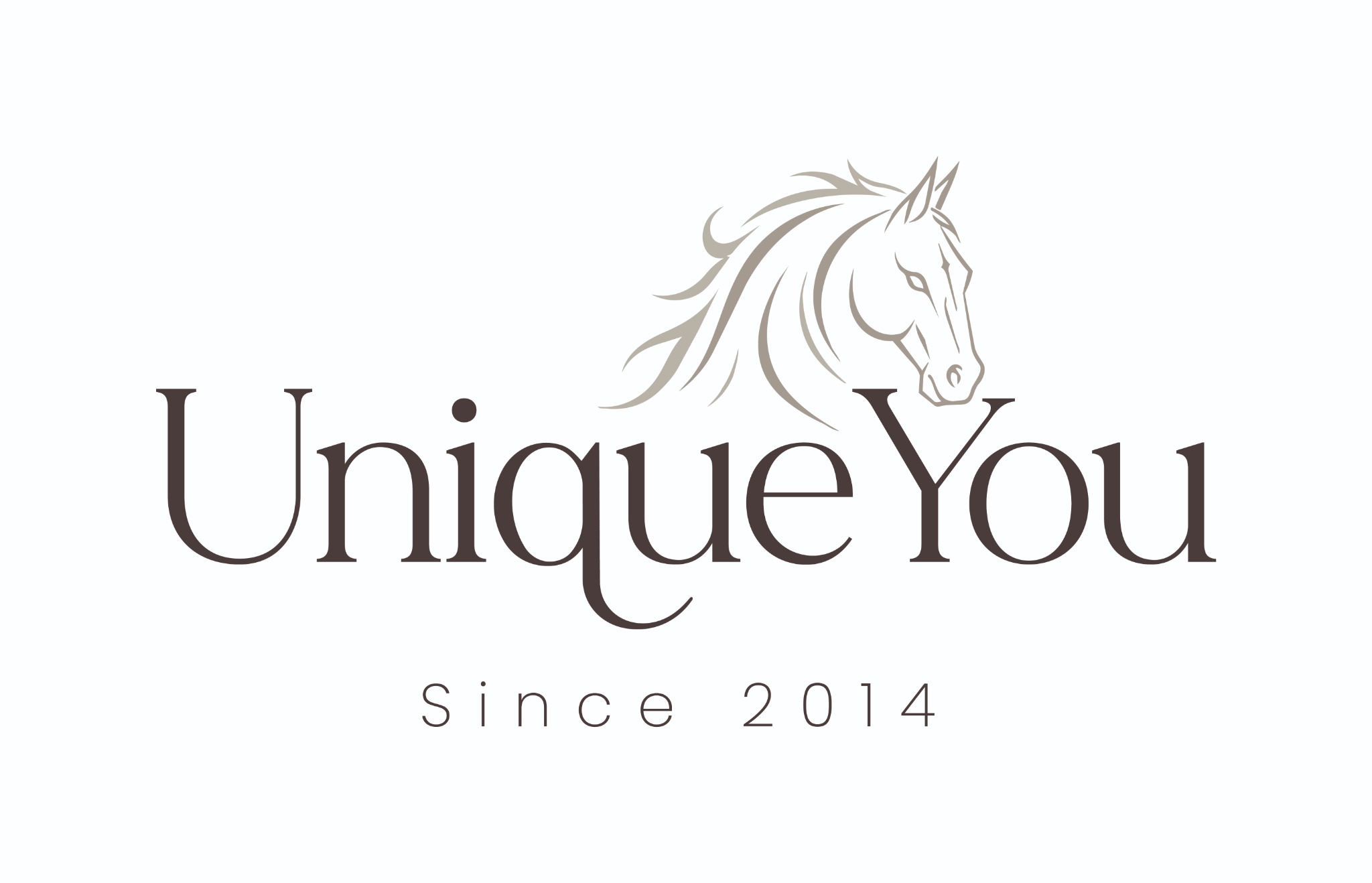
The original brown wordmark, horse motif and “Since 2014” detail give the identity a recognizable starting point. A neutral taupe palette keeps the presentation restrained. Those visual choices may appeal to readers accustomed to studying emblems and symbols, but a logo cannot tell us how a scarf feels or wears. Treat the identity as an introduction, then give the cloth and the intended wearer the closer attention they deserve.
Why the wardrobe should come first
It is tempting to begin with an arresting photograph and only later ask where an accessory will fit. Reverse the order. Lay out the coats, jackets, dresses and everyday tops that actually get worn. Look for a repeated neckline, a dominant coat colour and any patterns already competing for attention. A scarf that answers those observations is more likely to feel like a welcome addition than an isolated purchase. UniqueYou’s elegant, accessible positioning makes particular sense when the aim is to complement an existing wardrobe rather than rebuild it around one accessory.
A dark coat can accommodate a light scarf that brings detail nearer the face, while a busy checked jacket may benefit from a quieter field of colour. Someone whose clothes are mostly plain might enjoy a geometric or striped accent; someone who already wears patterned layers might prefer a solid wrap. These are starting points, not rules about what a woman ought to wear. Comfort, personal taste and the setting in which the scarf will be used should settle any close decision.
Material names are an invitation to read more closely
UniqueYou includes silk, cashmere and wool categories, but a category name is not a composition statement for every item in it. Check the individual product information before drawing conclusions about fibre content or care. This is especially important for gifts: the recipient may have a preference about texture, weight or maintenance that a photograph alone cannot reveal. A material can suggest a direction for shopping without proving that every scarf in a collection has the same feel or construction.
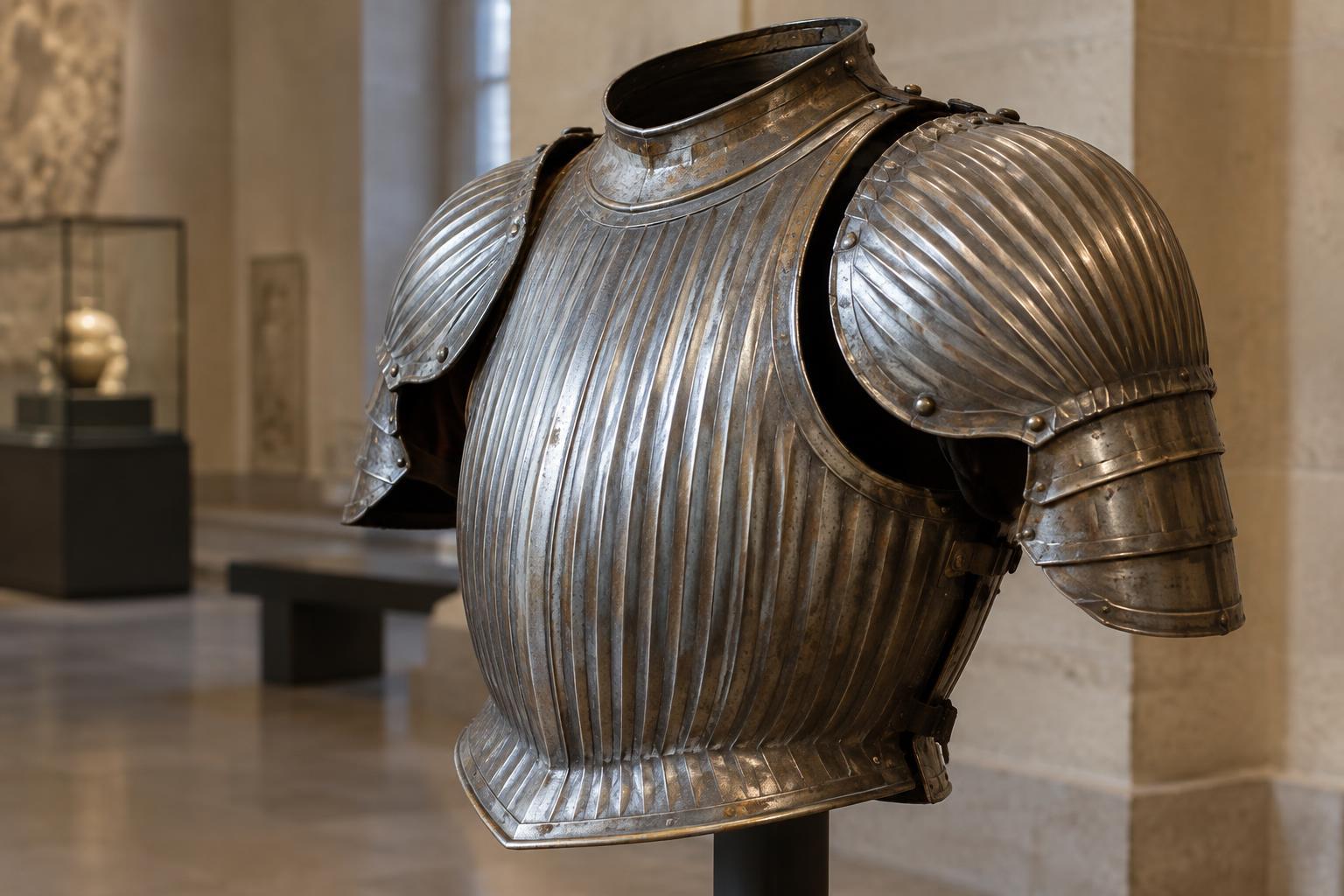
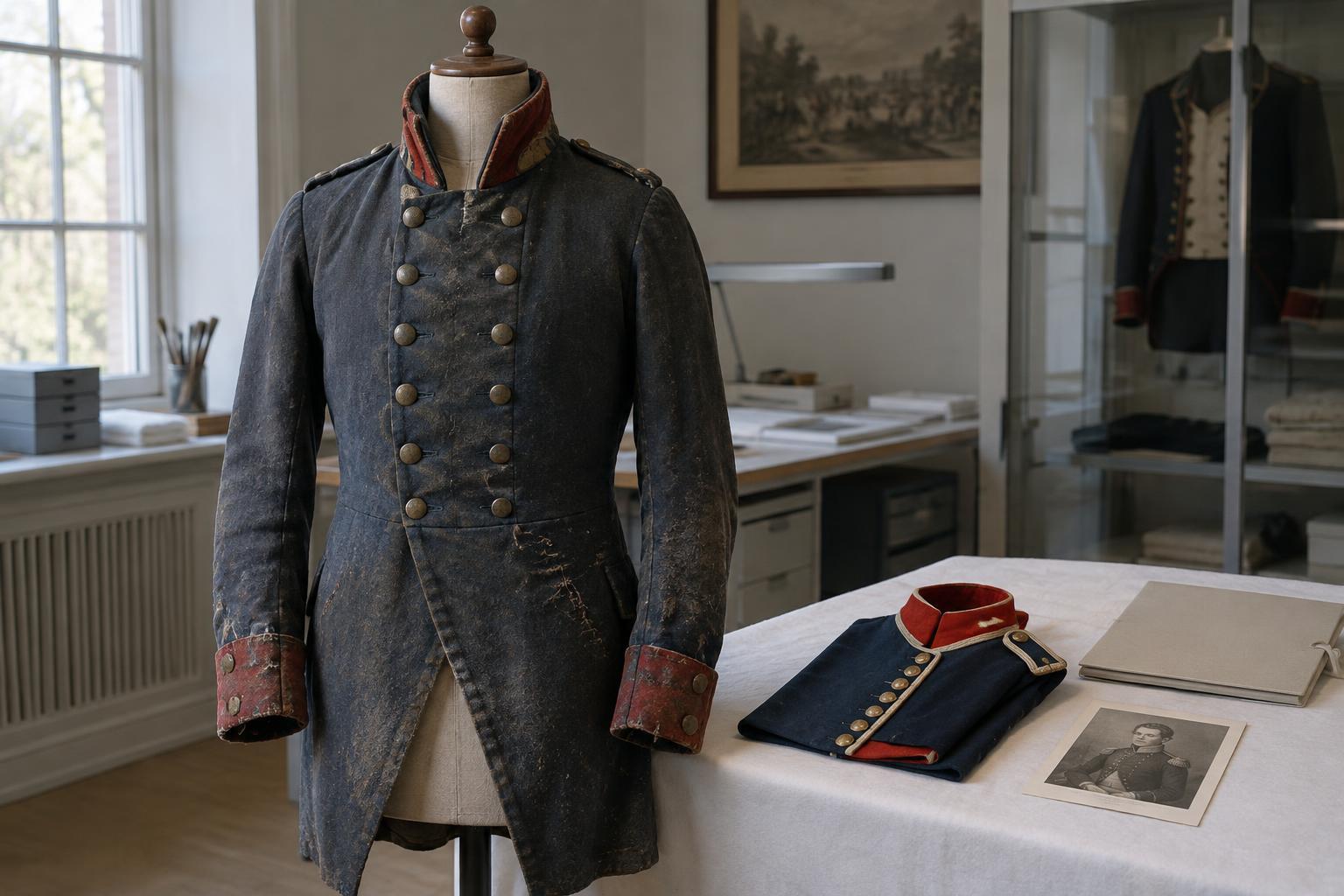
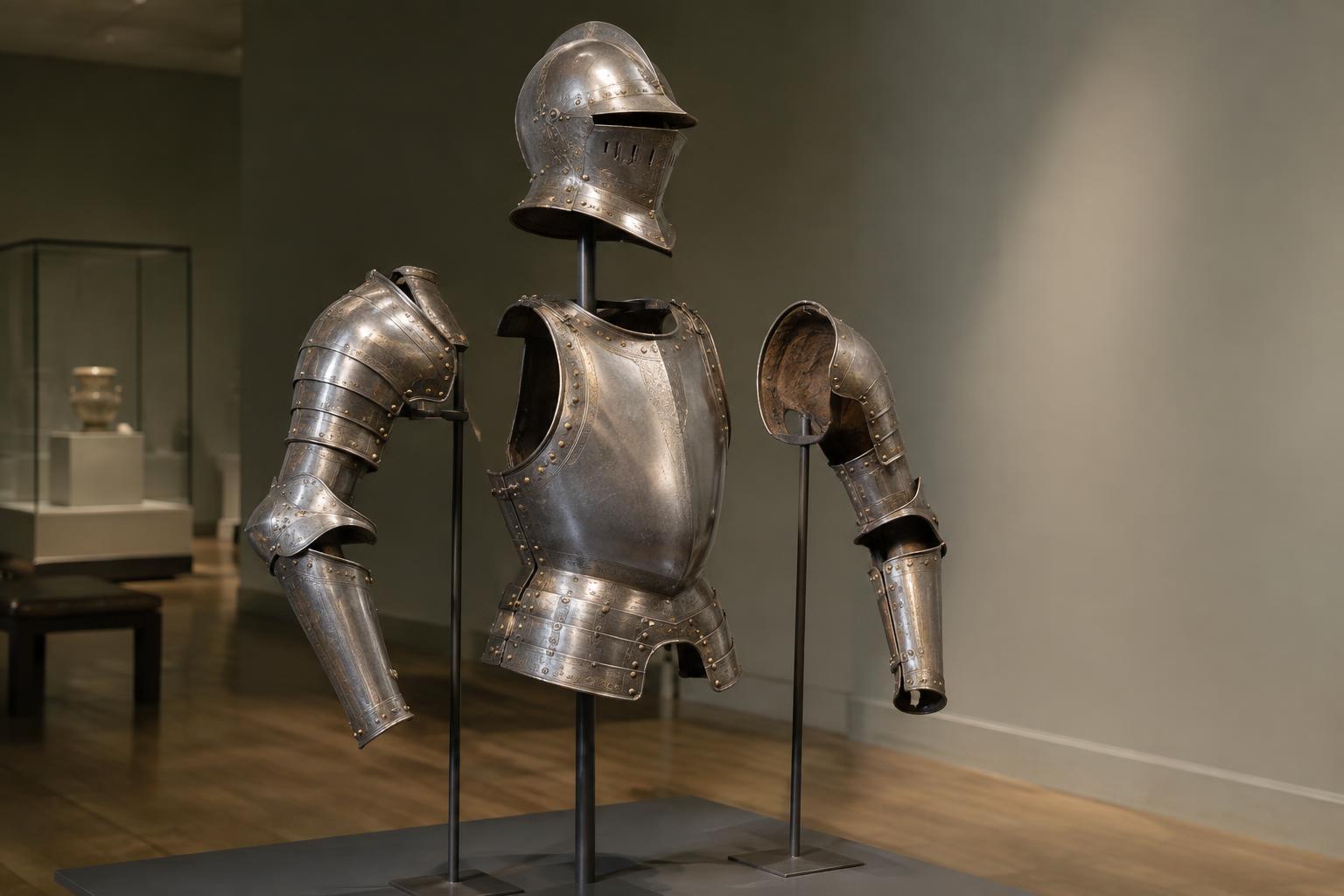
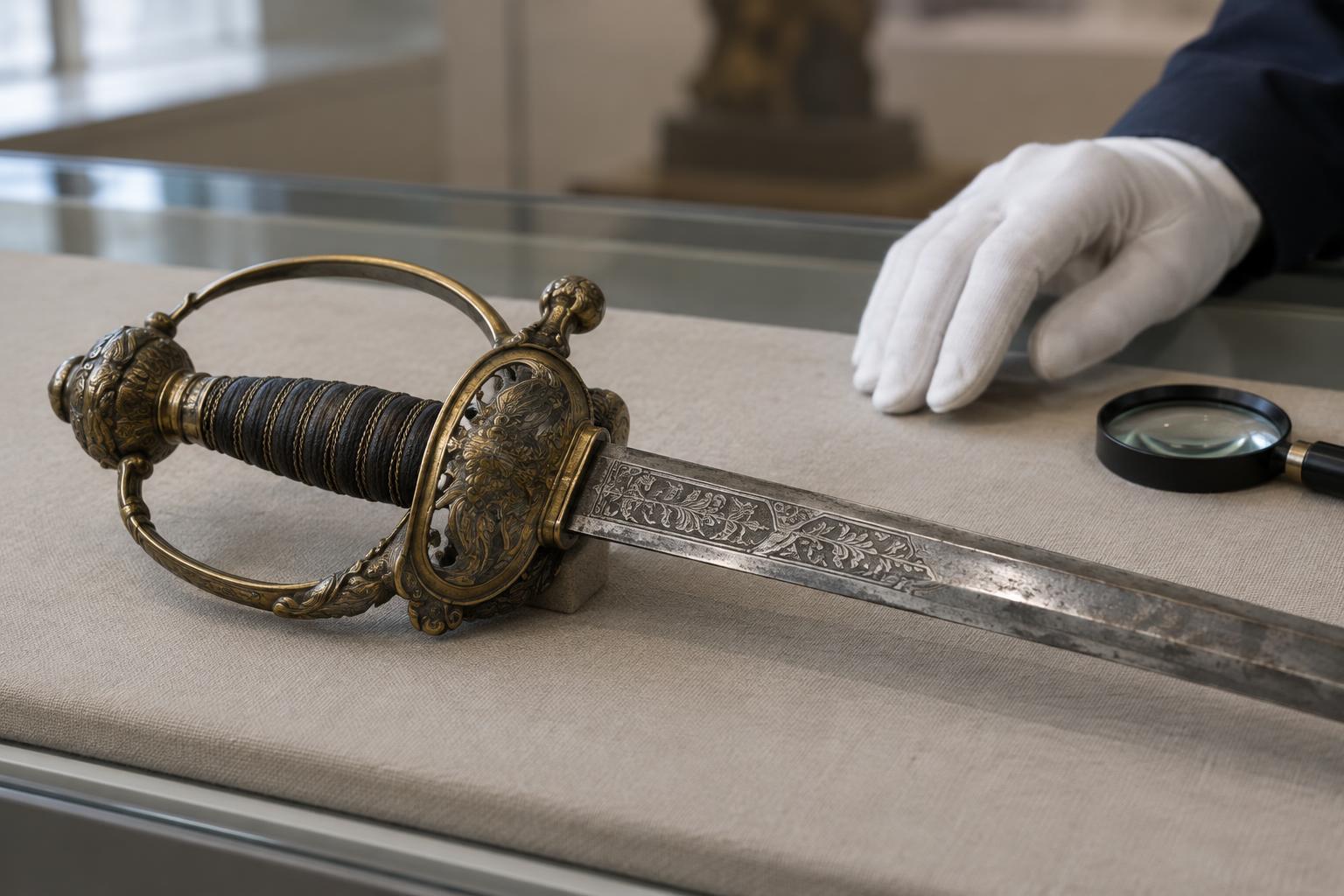
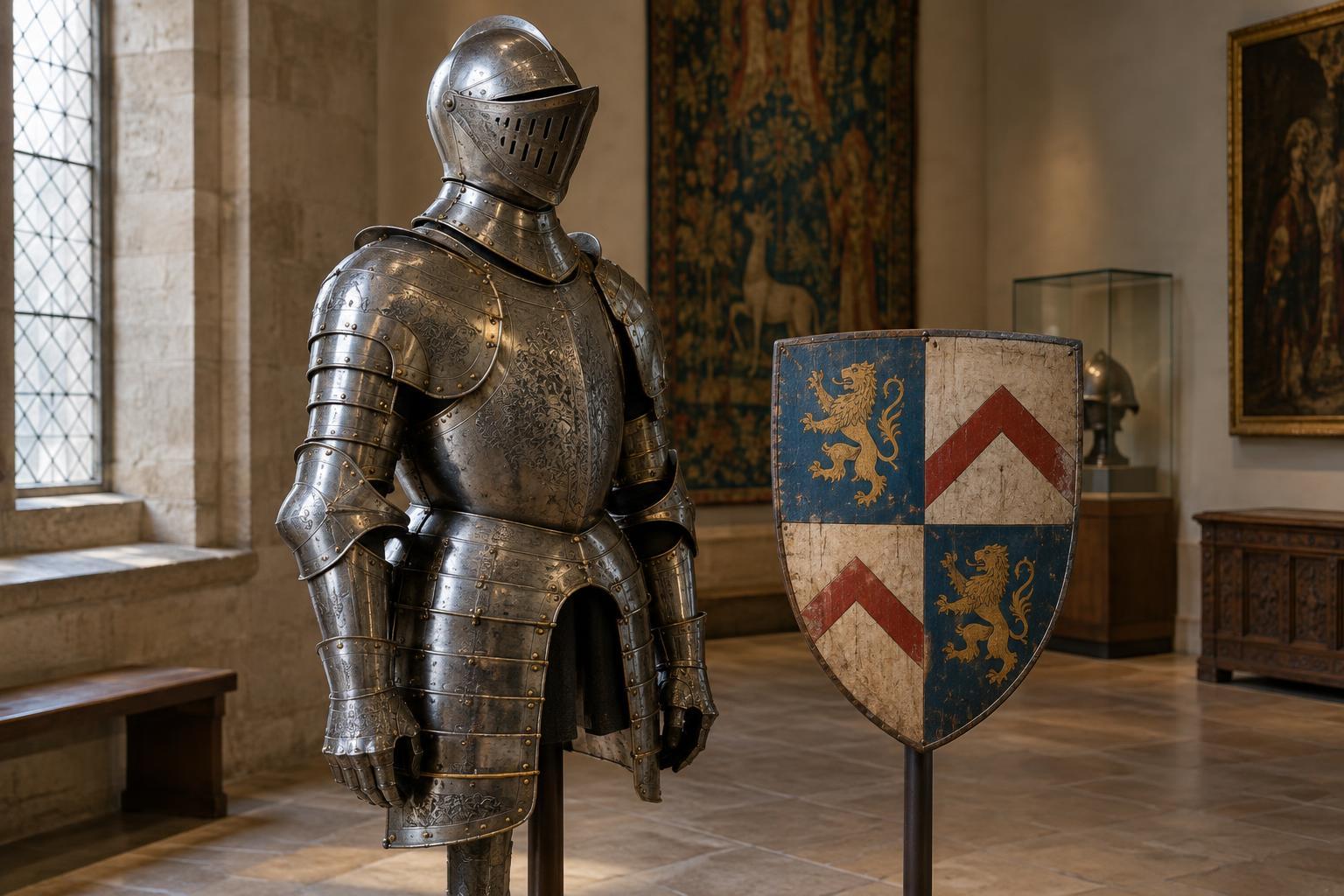
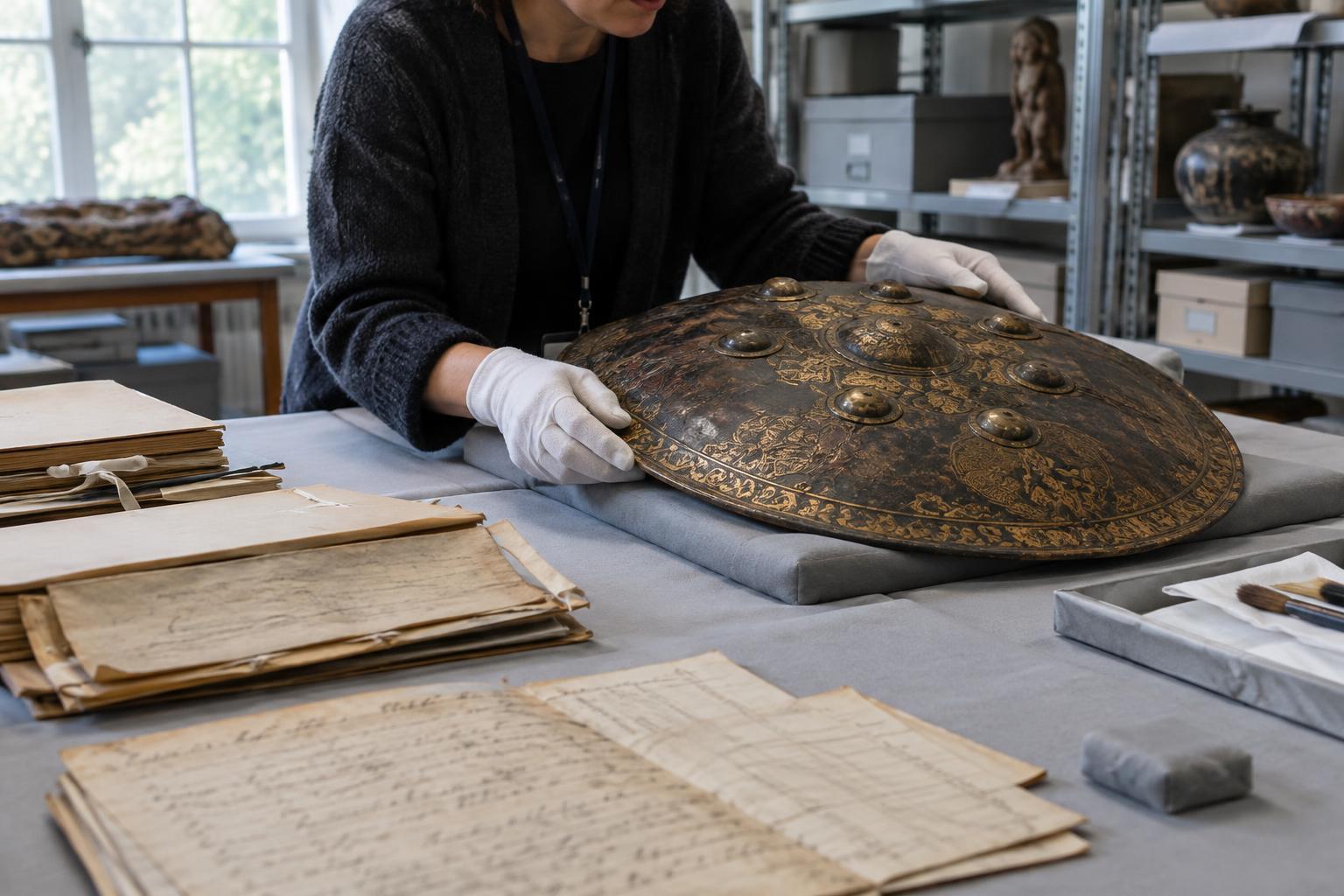
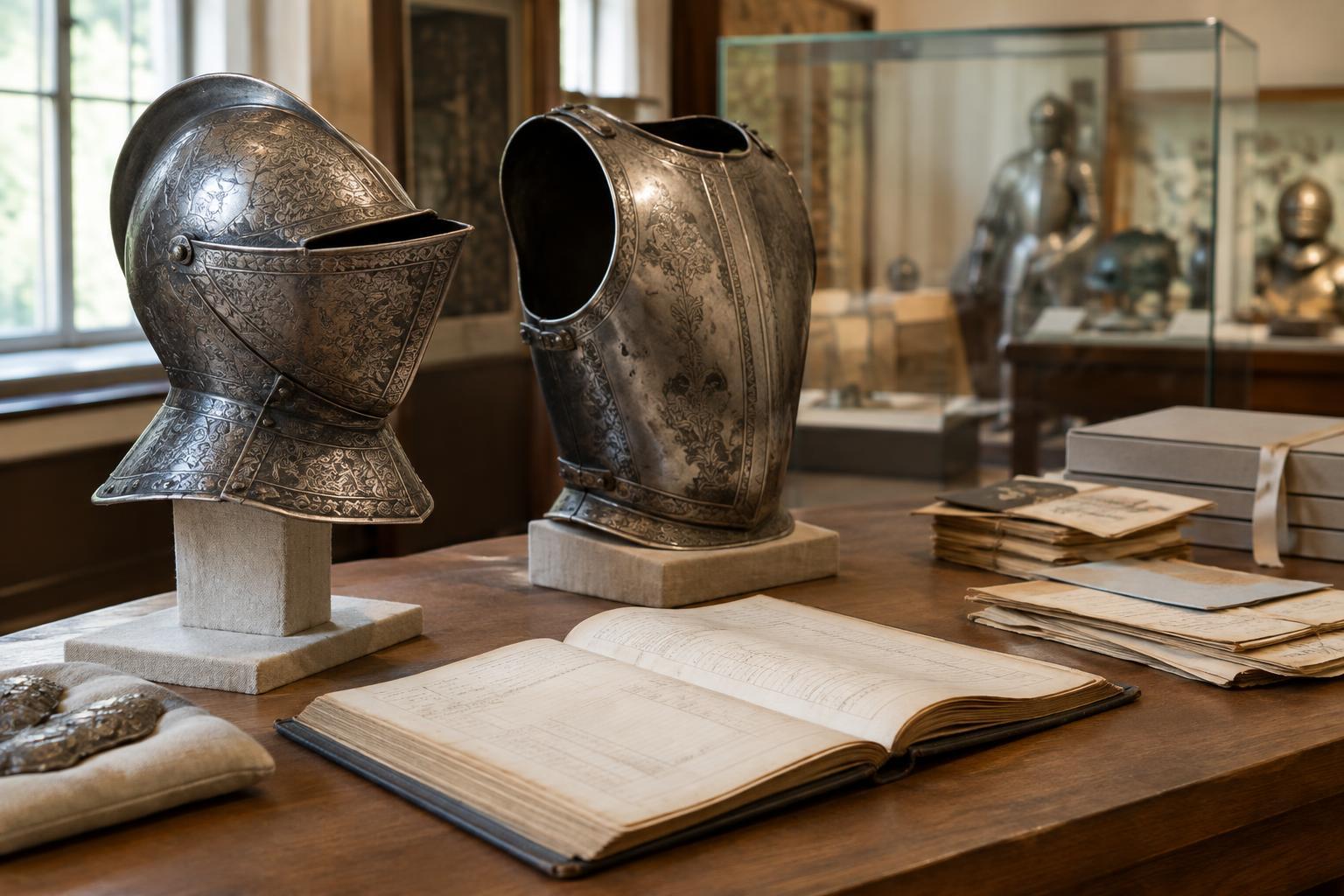
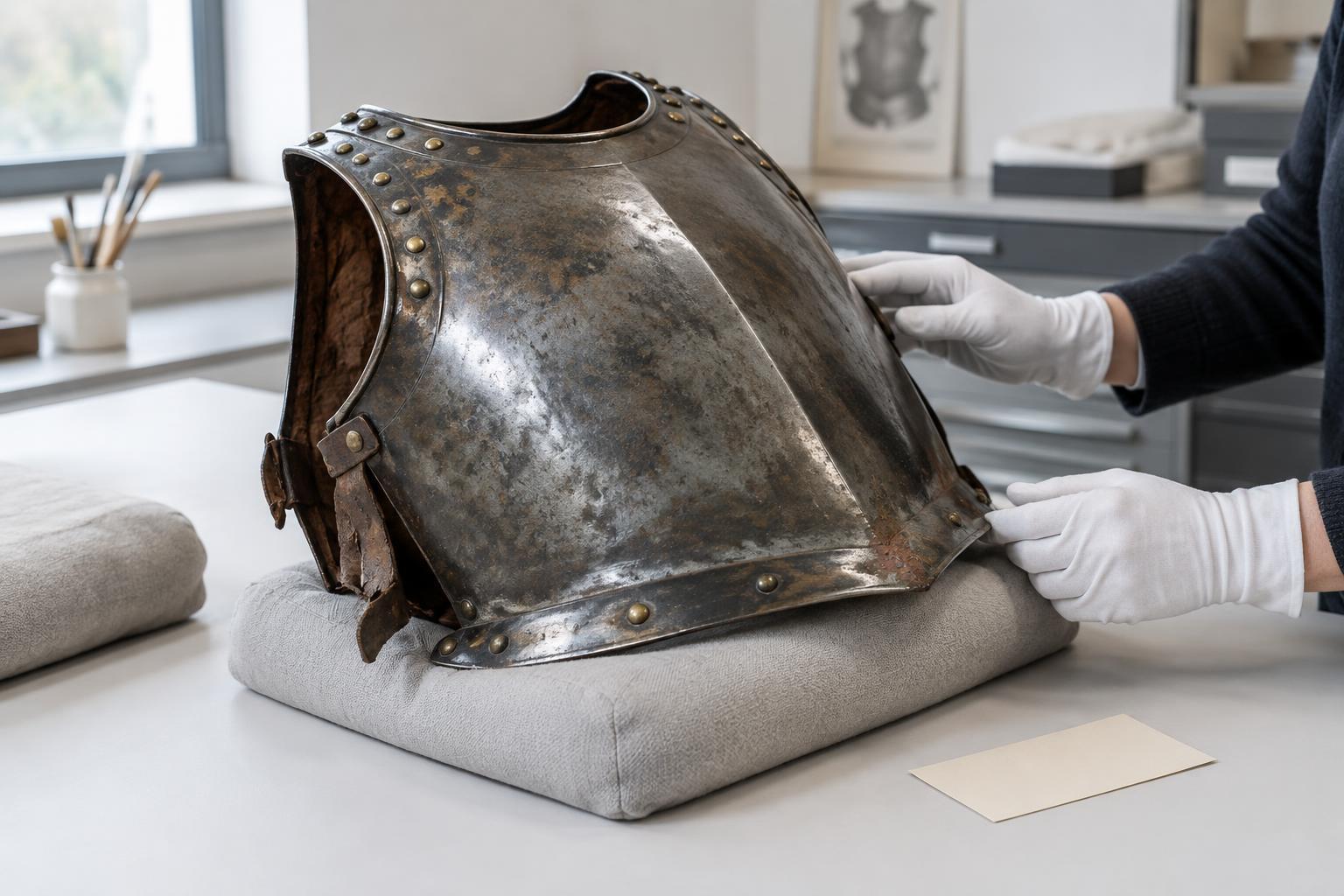
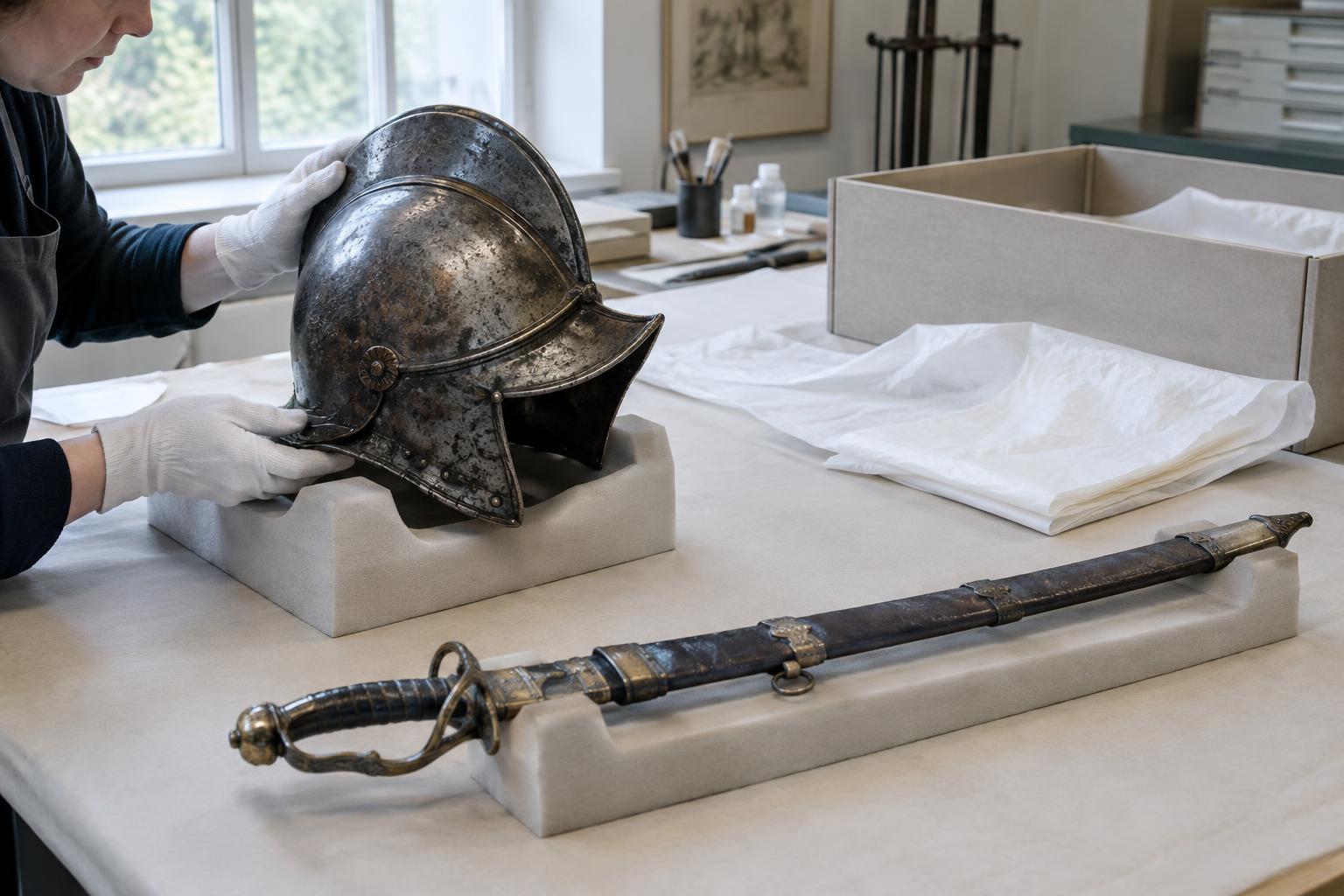
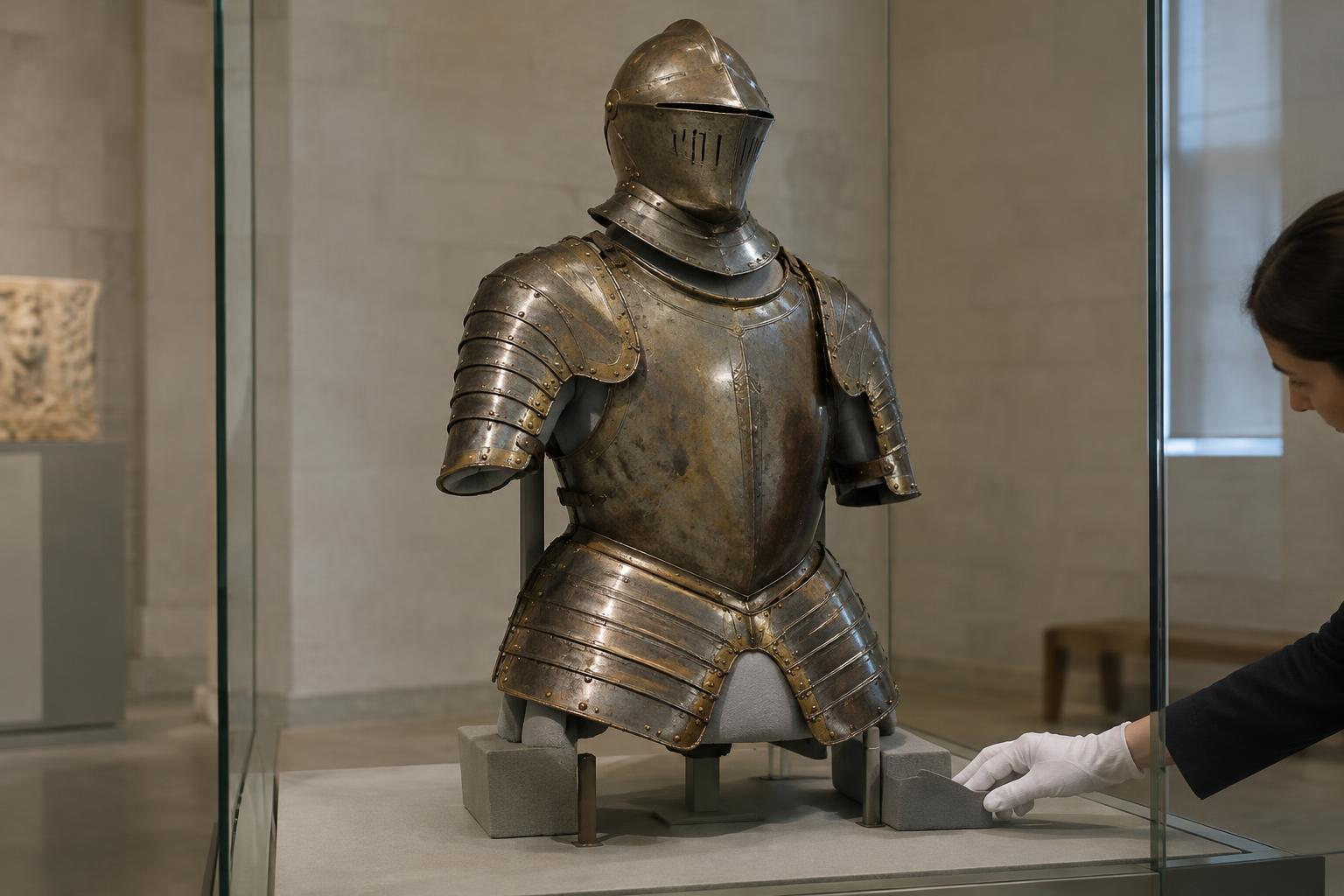
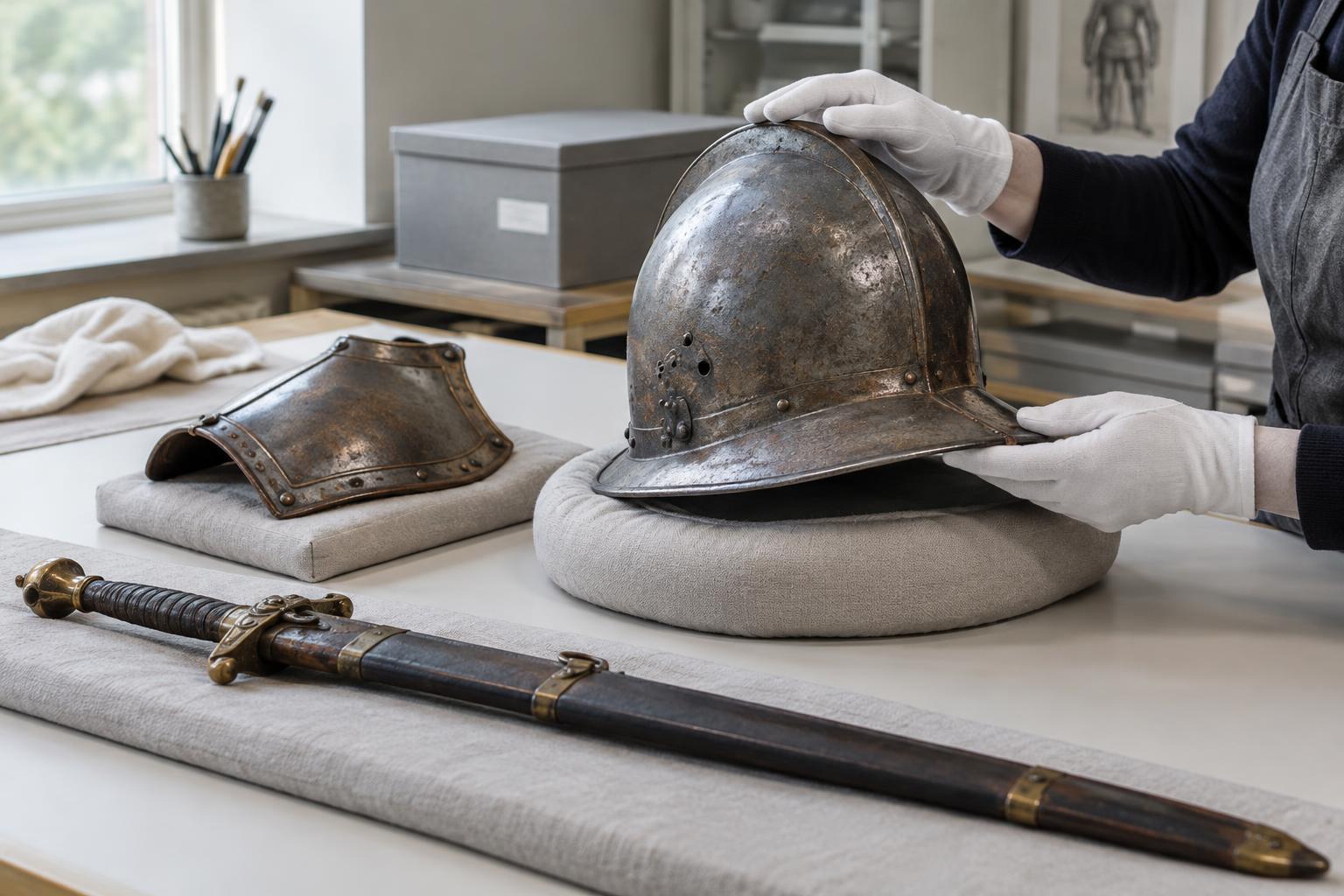
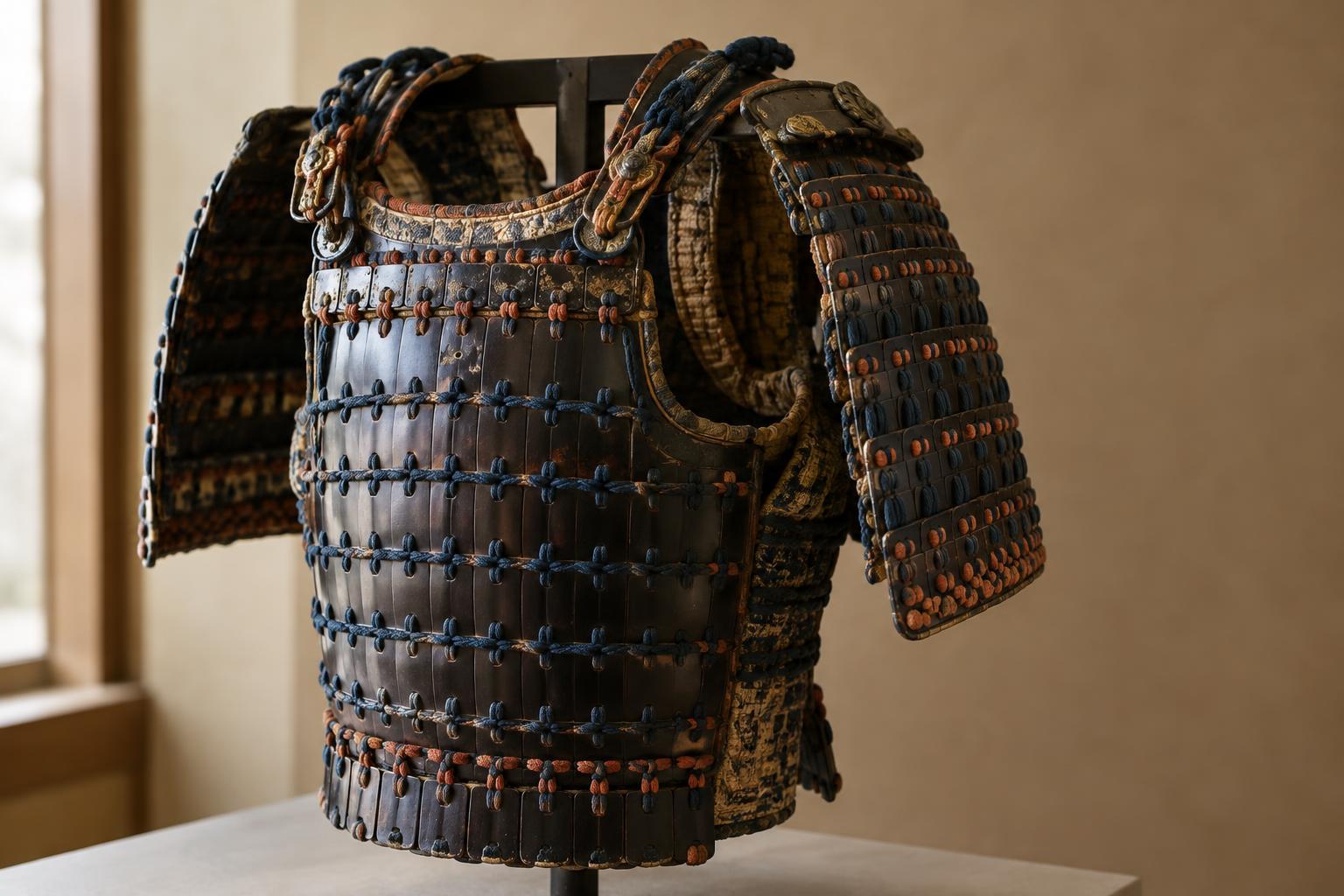
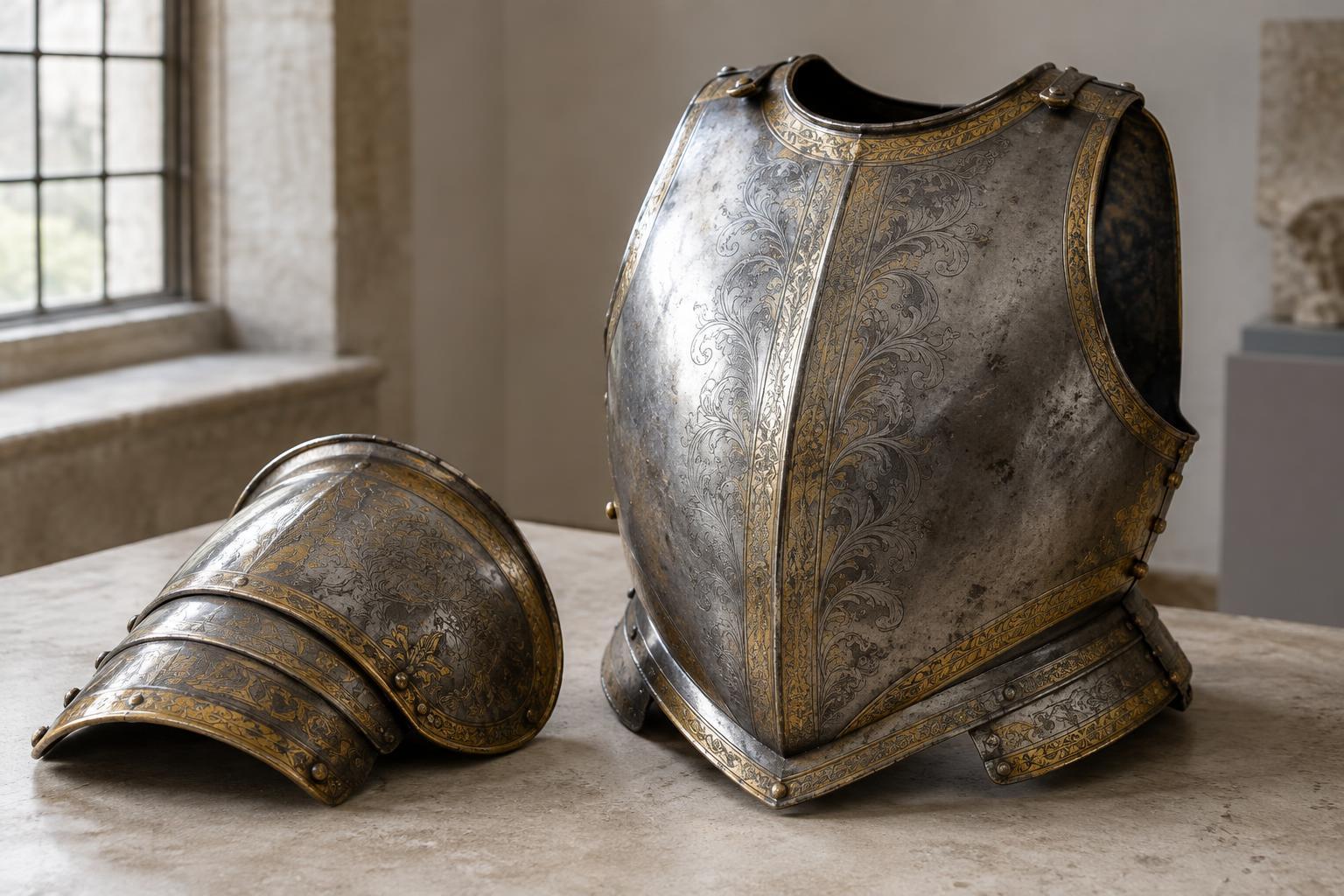
Think about the qualities you want the accessory to bring to an outfit. A smooth-looking square scarf may suit a neat collar or a small colour accent; a fuller wool-category scarf may be the more natural starting place when volume is welcome around an outdoor coat. A cashmere category may invite comparison of softer-looking wraps, but the product details remain decisive. Just as a museum label distinguishes an object’s appearance from what is established about its materials, careful shopping separates impressions from stated facts.
Shape and scale change the effect
Scarves, shawls, wraps and square scarves offer different amounts of cloth and different visual emphasis. A small square can introduce colour without covering the line of a jacket. A longer scarf draws the eye vertically when left loose and can give a plain coat more texture. A broad shawl or wrap makes a more substantial layer across the shoulders, which can be useful when planning an outfit for an event rather than only for the journey there. These distinctions help narrow a choice before any particular print takes over the decision.
Proportion matters as much as the name on a collection page. A very large design can overwhelm a close-fitting jacket, while a narrow piece may disappear against a voluminous winter coat. Look at the recipient’s preferred silhouettes: tailored, relaxed, layered or spare. If shopping for yourself, try comparing a scarf you already use with the dimensions stated for a new one. Familiar measurements provide a better reference than the assumption that all scarves of the same general type will sit alike.
Colour, pattern and the meaning we bring to them
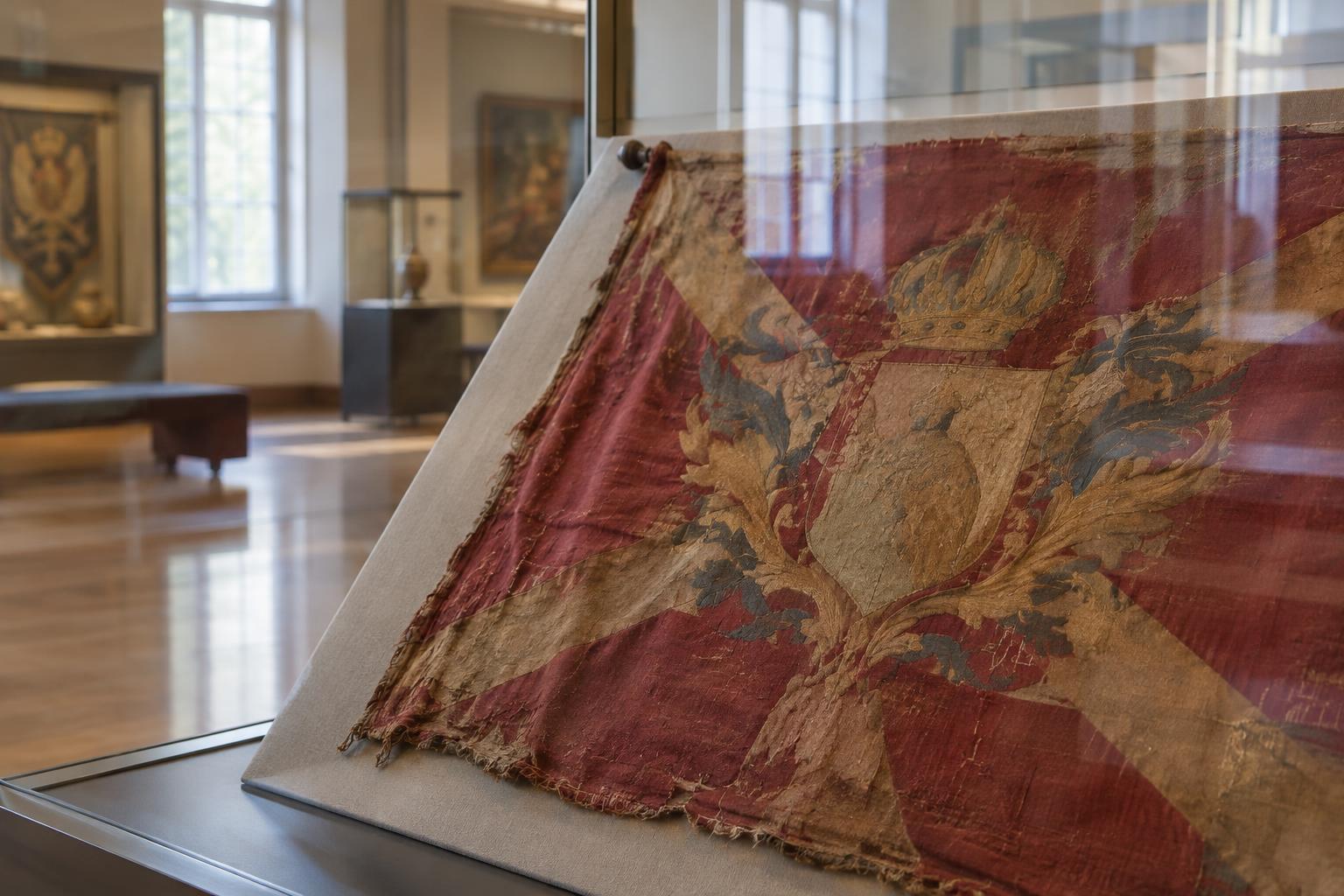
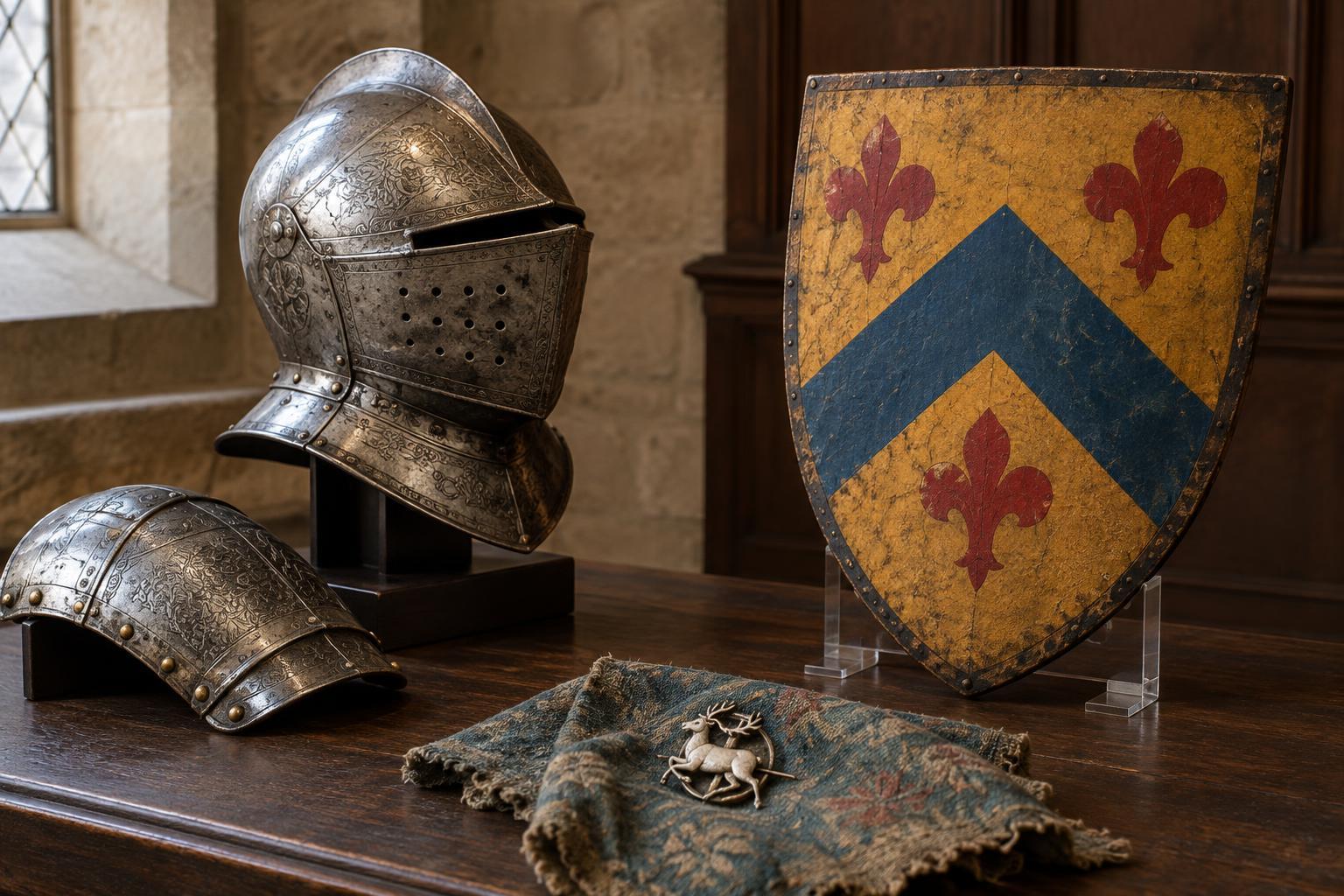
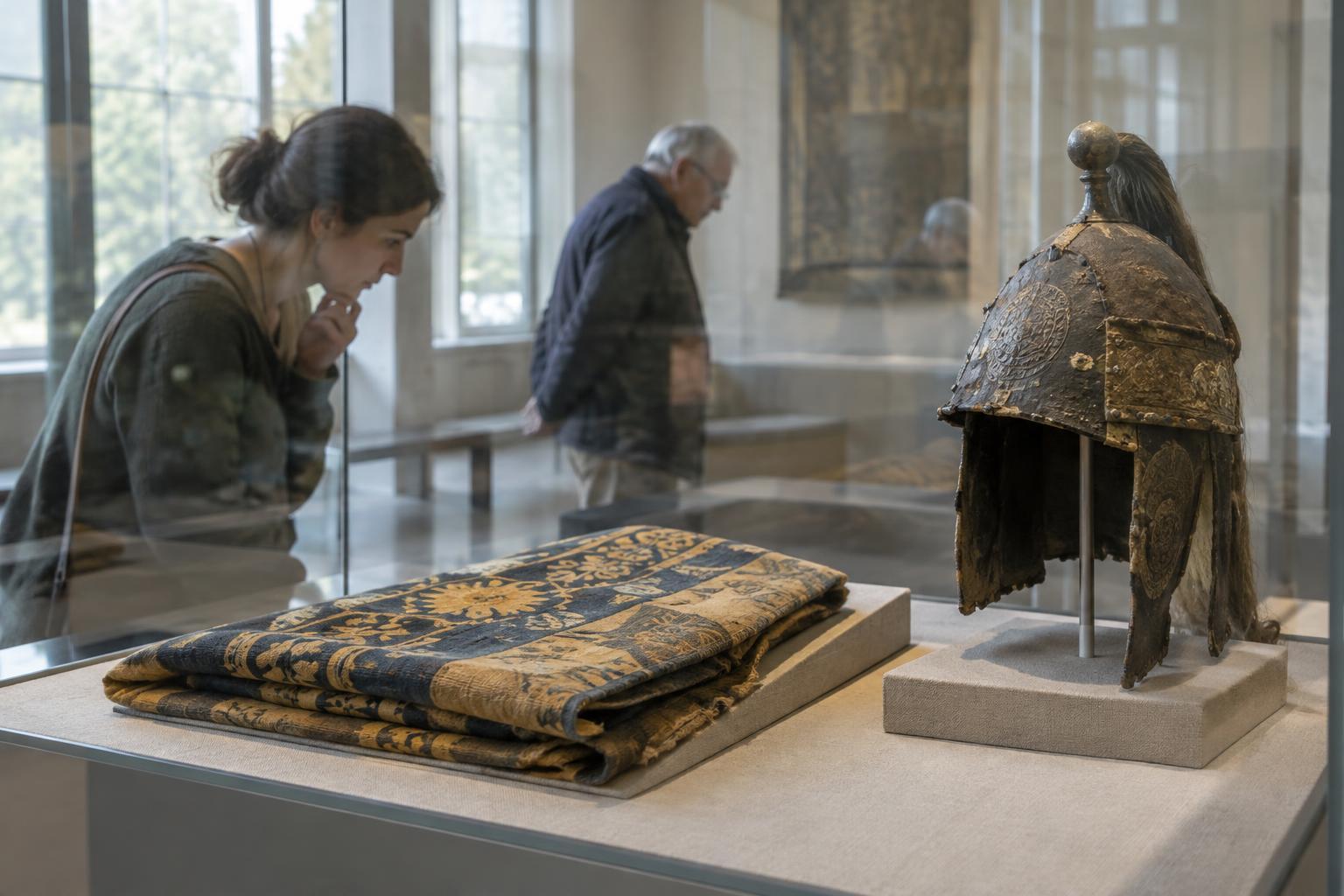
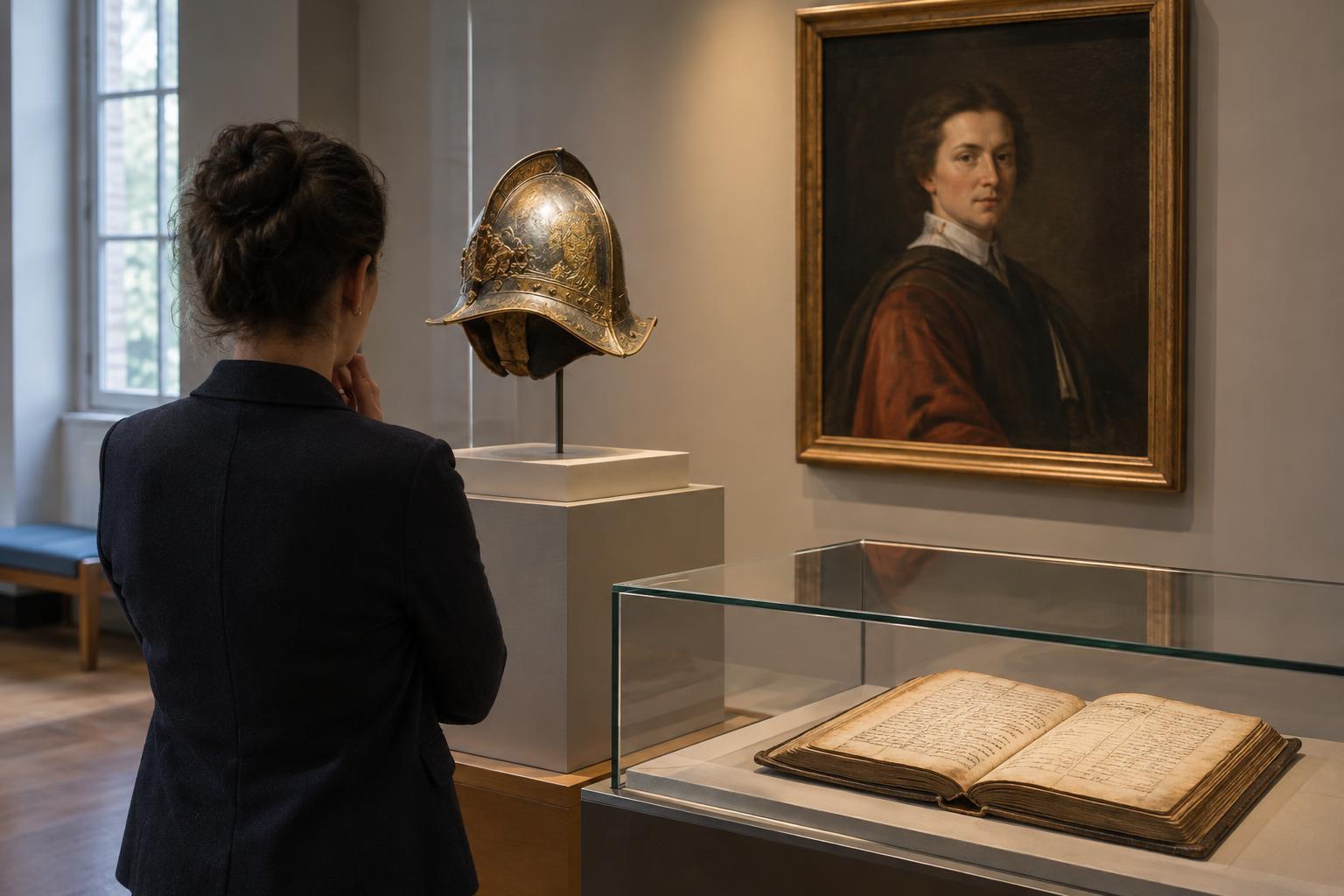
Historic textiles can carry signals of rank, affiliation, ritual or fashion, depending on their place and period. A modern scarf should not be assigned the same meaning simply because it shares a colour or motif with an object in a collection. Still, looking at how colour works in a portrait can sharpen the eye for everyday styling. Red near the face can become the clearest note in an otherwise muted outfit; black may connect separate pieces into a calm whole; a check can lend structure to a plain coat.
When choosing a pattern, consider how much of it will show in normal wear. A striking border might be the most visible part of a folded square, while a large motif may read differently when a long scarf hangs against a coat. It helps to compare the accessory with two or three outfits, not just one ideal ensemble. If the same colour appears in a favourite bag, jacket or pair of shoes, that connection can make an unfamiliar print feel easier to wear without requiring exact matching.
From a museum afternoon to an ordinary week
A reader planning a gallery visit might want an accessory that works with a coat outdoors but feels comfortable beside a light indoor layer. The same person may need it for commuting, a family meal or a weekend walk. Thinking across those settings gives a more honest test than imagining only one polished occasion. A scarf worn often does not have to be understated, but its size and colour should make sense alongside the clothing the wearer repeatedly reaches for.
There is also pleasure in choosing a piece for a particular moment. A broad wrap can visually finish a simple dress, and a small neckerchief can give an everyday shirt a deliberate accent. Neither requires an elaborate new outfit. Plan the complete silhouette before deciding: outerwear, neckline and the amount of visible fabric all affect the result. If an accessory looks compelling only when everything else is replaced, it may not be the most useful recommendation for this wardrobe.
A gift that acknowledges the recipient
For a gift, begin with evidence of the person’s taste rather than the giver’s wish to surprise. Notice whether she already wears scarves, whether she chooses compact neck pieces or generous wraps, and which colours return across her wardrobe. A familiar colour in a new format can be thoughtful without being predictable. If she seldom wears accessories, a quieter square or a versatile scarf may feel less demanding than an especially large statement piece, though her preferences should always outrank a general rule.
Practical details are part of the gesture. Check the listed dimensions, composition and care information for the specific item you are considering, especially if the recipient has strong preferences about fibre or upkeep. Think about when she could wear it and what she would wear it with. There is no need to invent a story about an object’s provenance or promise that it will suit everyone. The most convincing gift explanation is simple: this colour reminded you of her, and this shape seemed to fit her clothes.
Careful looking is better than broad assumptions
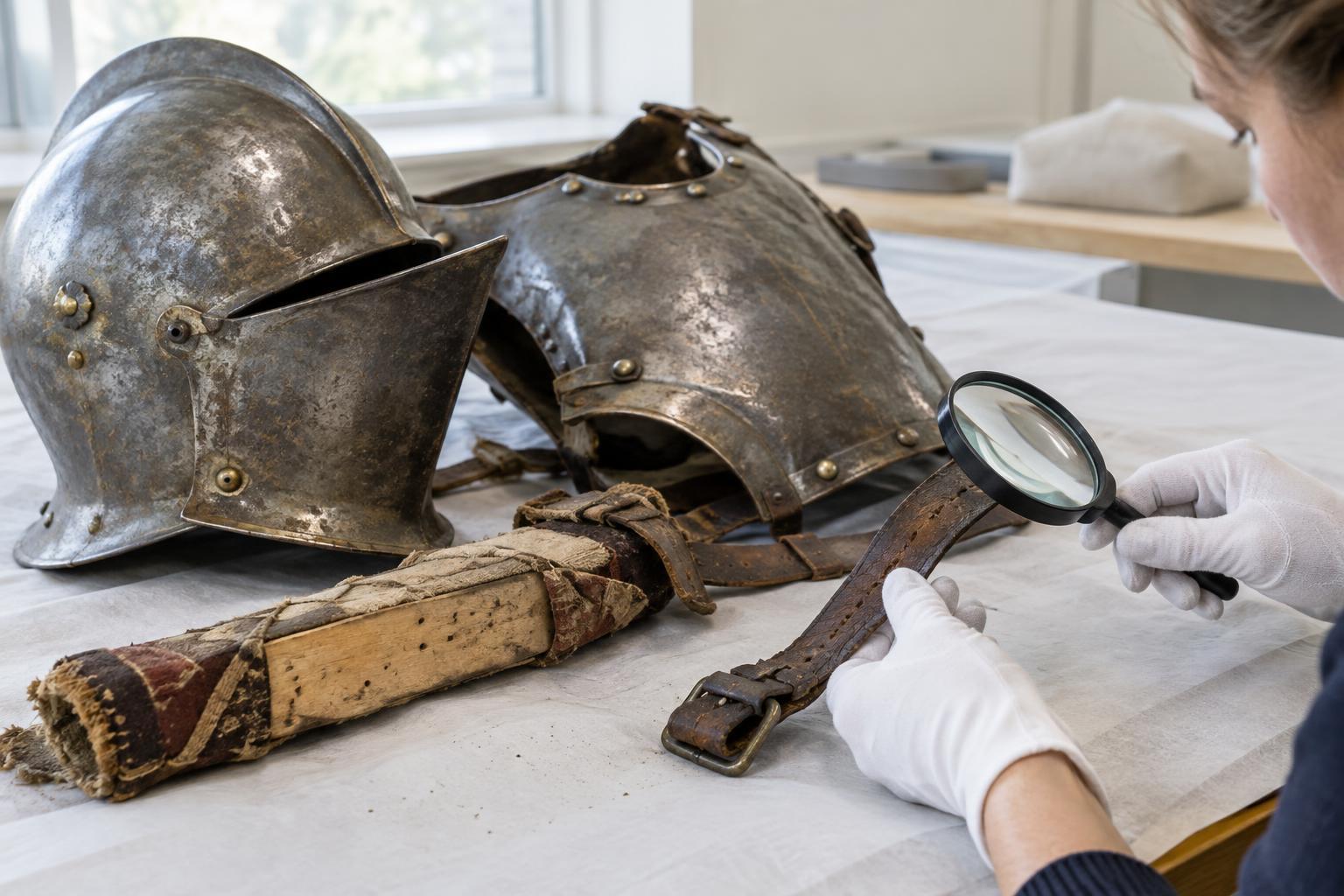
Collectors learn to distinguish an object’s description from an inference made by looking at it. The same discipline is helpful with accessories. A photograph can show a scarf’s apparent drape and pattern, but it does not establish its exact hand, fibre mix or maintenance needs. Read the details of the particular product before deciding. Do not assume that a silk, wool or cashmere collection makes every listed item identical, or that a colour on one screen will appear precisely the same in every light.
Once an accessory is part of a wardrobe, follow the care instructions supplied for that item rather than a rule borrowed from another scarf. Different compositions and finishes may call for different treatment. Keep the comparison grounded in ordinary use: will the piece sit beside rough outerwear, be packed for travel or be worn only occasionally with a dress? Those questions are more useful than a vague claim that one material is always the best. They also respect the craft involved in making and maintaining textiles.
One identity, several ways to browse
UniqueYou has 20 regional domains, 21 regional-language versions and 16 distinct languages. The numbers differ because countries may share a language, and one domain can serve more than one language version. Germany and Austria, for example, use German-language destinations; several English-language destinations serve different countries. These distinctions help readers choose a route that is intelligible to them without treating a shared language as a shared wardrobe or a single national taste.
The United Arab Emirates illustrates the difference between a domain and a language version particularly clearly: its root destination is Arabic, while its English version is at /en. The guide below identifies each destination language before its suggested entry points. The links are routes for exploring relevant categories or a regional home, not assurances about any individual product. Wherever you browse, return to the same questions: what does the item’s own description say, and how would it work with clothes already in use?
Regional guide: choose a destination language, then a useful starting point
Each entry names the country and the language of its destination. The suggested starting points reflect a type, colour or material category where one is indicated; compare individual items on their own terms. Shared languages appear in more than one country, and the two United Arab Emirates entries distinguish its Arabic root from its English /en version.
Poland — Polish
For the Polish-language destination, begin with the regional UniqueYou home — UniqueYou. If the missing piece is for a cold-weather coat, the Polish term for a women’s winter scarf leads to that category — szalik damski zimowy. For a different material starting point, the Polish-language merino-wool shawl collection is available through UniqueYou — UniqueYou. Compare each item’s stated composition before choosing.
Germany — German
The German-language UniqueYou home is a broad starting point for Germany — UniqueYou. For a patterned accent against plain outerwear, the German term for a fashionable checked scarf identifies a more focused route — modischer Schal mit Karomuster. If colour and size matter more than a particular pattern, browse the German-language scarf collection through UniqueYou — UniqueYou, then check the details of any piece that catches your eye.
Czechia — Czech
Start at the Czech-language UniqueYou destination if the intended shape is still undecided — UniqueYou. The Czech word for scarves offers a general category to compare — šály. Readers considering the cashmere category can follow the Czech-language UniqueYou collection — UniqueYou. Keep the intended coat or jacket in mind while weighing a compact accent against a more generous layer.
Spain — Spanish
The Spanish-language UniqueYou home gives readers in Spain an overview — UniqueYou. To explore a restrained finishing layer for a dress, the Spanish term for an elegant black shawl points to a focused category — chal negro elegante. For a smaller or differently styled accent, the Spanish-language foulard collection can be reached through UniqueYou — UniqueYou. Consider how much fabric the outfit needs, not just the appeal of the colour.
France — French
For France, the UniqueYou home is in French — UniqueYou. A French term for a square scarf offers a useful route when the goal is colour near a collar rather than a broad shoulder layer — foulard carré. A separate French-language UniqueYou collection focuses on red scarves — UniqueYou. With either direction, picture the accessory against a coat and a lighter indoor outfit.
Hungary — Hungarian
The Hungarian-language term for an online scarf shop leads to the regional home — sál webshop. If a wardrobe of greys, browns or navy could use a stronger accent, the Hungarian-language UniqueYou red-scarf collection is a place to compare options — UniqueYou. A vivid choice works best when its scale and shade suit clothes the recipient already enjoys wearing.
Italy — Italian
For Italy, the Italian-language phrase for an online scarf and foulard shop leads to the regional home — negozio online di sciarpe e foulard. If the occasion calls for a layer over a dress, the Italian-language UniqueYou collection of stoles for dresses and weddings provides a narrower starting point — UniqueYou. Check the intended outfit’s neckline and colour before settling on a wrap.
Romania — Romanian
The Romanian-language phrase for an online scarf and shawl shop opens the regional destination — magazin online de eșarfe și șaluri. Someone seeking a lighter-looking accent can explore the Romanian-language UniqueYou silk-scarf collection — UniqueYou. A category helps narrow the search, but the description of the chosen item should settle questions of composition, dimensions and care.
Slovakia — Slovak
The Slovak-language UniqueYou home provides the broad entry point — UniqueYou. For a modest accent at the neckline, the Slovak phrase for a stylish cotton neck scarf leads to a focused collection — štýlová bavlnená šatka na krk. For a larger, softer-looking direction, explore the Slovak-language UniqueYou cashmere-shawl collection — UniqueYou. Compare the actual product details rather than assuming the two categories will feel alike.
Finland — Finnish
In Finland, the Finnish-language term for a scarf shop takes readers to the regional home — huivikauppa. If a broad silhouette is the goal, the Finnish-language UniqueYou collection of large scarves is a sensible next stop — UniqueYou. Dimensions are particularly worth checking when the scarf must work with a coat that already has a substantial collar.
Sweden — Swedish
The Swedish-language UniqueYou home offers the general starting point — UniqueYou. To compare an elegant cashmere-category shawl, follow the Swedish term for that style — elegant sjal i kashmir. A Swedish-language UniqueYou collection of red scarves offers a colour-led alternative — UniqueYou. Consider whether material, scale or colour is the priority before moving from a category to an individual item.
Denmark — Danish
The Danish-language phrase for scarves and shawls online leads to the regional home — tørklæder og sjaler online. If a shawl seems more useful than a narrow scarf, browse the Danish-language UniqueYou shawl collection — UniqueYou. Picture the extra fabric over the jackets or dresses already in the wardrobe; that comparison is more informative than choosing by occasion name alone.
Belgium — Dutch
For the Dutch-language destination in Belgium, the local phrase describing a brand for scarves and small scarves leads to the home page — merk voor sjaals en sjaaltjes. The Dutch-language UniqueYou stoles collection offers a route for someone considering a shoulder layer — UniqueYou. Belgium shares the destination language with the Netherlands entry below, but the two regional destinations remain distinct.
Austria — German
The German-language phrase describing a brand for scarves and cloth accessories leads to the Austrian regional home — Marke für Schals und Tücher. For an outfit built around a dress, the Austrian German-language UniqueYou collection of stoles for dresses and weddings offers a narrower route — UniqueYou. Germany also has a German-language destination, so choose the country as well as the language.
Netherlands — Dutch
The Dutch-language phrase describing a brand for scarves and small scarves opens the Netherlands regional home — merk voor sjaals en sjaaltjes. For a graphic accent that could enliven plain outerwear, explore the Dutch-language UniqueYou striped-scarf collection — UniqueYou. Dutch is also used for the Belgium destination; the repeated language does not make these the same regional entry.
United States — English
For the United States, the English-language phrase for a scarf shop leads to the regional home — scarf shop. If the goal is a compact detail for a shirt collar or jacket, the English-language UniqueYou neckerchief collection is a focused starting point — UniqueYou. Compare its listed dimensions with a scarf the wearer already likes.
United Arab Emirates — Arabic
The United Arab Emirates has an Arabic-language root destination at the regional UniqueYou home — UniqueYou. For a material-led search, the Arabic-language UniqueYou silk-scarf collection offers a more specific route — UniqueYou. This is the Arabic version, distinct from the English /en destination. Check the chosen item’s own description before making assumptions about its composition.
United Arab Emirates — English
The English-language version for the United Arab Emirates sits at /en, rather than at the Arabic root. The English phrase for a shawl and wrap shop leads to that English regional home — shawl and wrap shop. It is a starting point for readers who prefer to browse in English; choose a shape by considering the outfit beneath it and the amount of coverage wanted.
Ireland — English
For Ireland, the English-language phrase for a scarf shop opens the regional home — scarf shop. Readers weighing a more generous layer can explore the English-language UniqueYou shawl collection — UniqueYou. A shawl’s usefulness depends on proportion as well as appearance, so compare its stated size with the coat or dress it would accompany.
United Kingdom — English
The United Kingdom’s English-language UniqueYou home offers an overview — UniqueYou. If red is the accent missing from a restrained wardrobe, the English phrase for red scarves online leads to that collection — red scarves online. For less fabric near the face, the English-language UniqueYou neckerchief collection is another route — UniqueYou. Let the existing clothes decide which scale makes sense.
Portugal — Portuguese
The Portuguese-language UniqueYou home is the broad starting point for Portugal — UniqueYou. The Portuguese phrase for women’s scarves directs readers to a focused scarf collection — écharpes de senhora. If the intended accent is for the head or hair instead, the Portuguese-language UniqueYou collection of head and hair scarves offers another direction — UniqueYou. Check dimensions and care details for the particular piece selected.
The best scarf recommendation is not the loudest one. Choose a shape, colour and individually described material that make sense beside clothes already loved, then let the accessory add its own quiet point of interest.
 Museum Collections